This article contains advertising. Our booking links are routed through a partner that adds commission tracking automatically, so if you book through one we earn a commission from the provider, at no extra cost to you. It never affects what we recommend. Affiliate disclosure
Things to do in Manchester are nearly endless, as this is one of the most exciting cities in England. The city offers far more than just football and rain. From world-class museums and galleries to a legendary live music scene, thriving food districts, and some of the best street art in the country, the city packs an incredible amount into its compact centre. Whether you’re planning a weekend city break or a longer stay, this guide covers every essential thing to do in Manchester so you can make the most of your visit.
With roots stretching back to a Roman fort called Mamucium and a pivotal role in the Industrial Revolution, Manchester has constantly reinvented itself. Today it’s a forward-looking metropolis where Victorian warehouses sit alongside sleek modern towers, where cobblestoned laneways lead to innovative restaurants, and where you’re never more than a short walk from a museum, a gig venue, or a welcoming pub.
World-Class Museums and Galleries
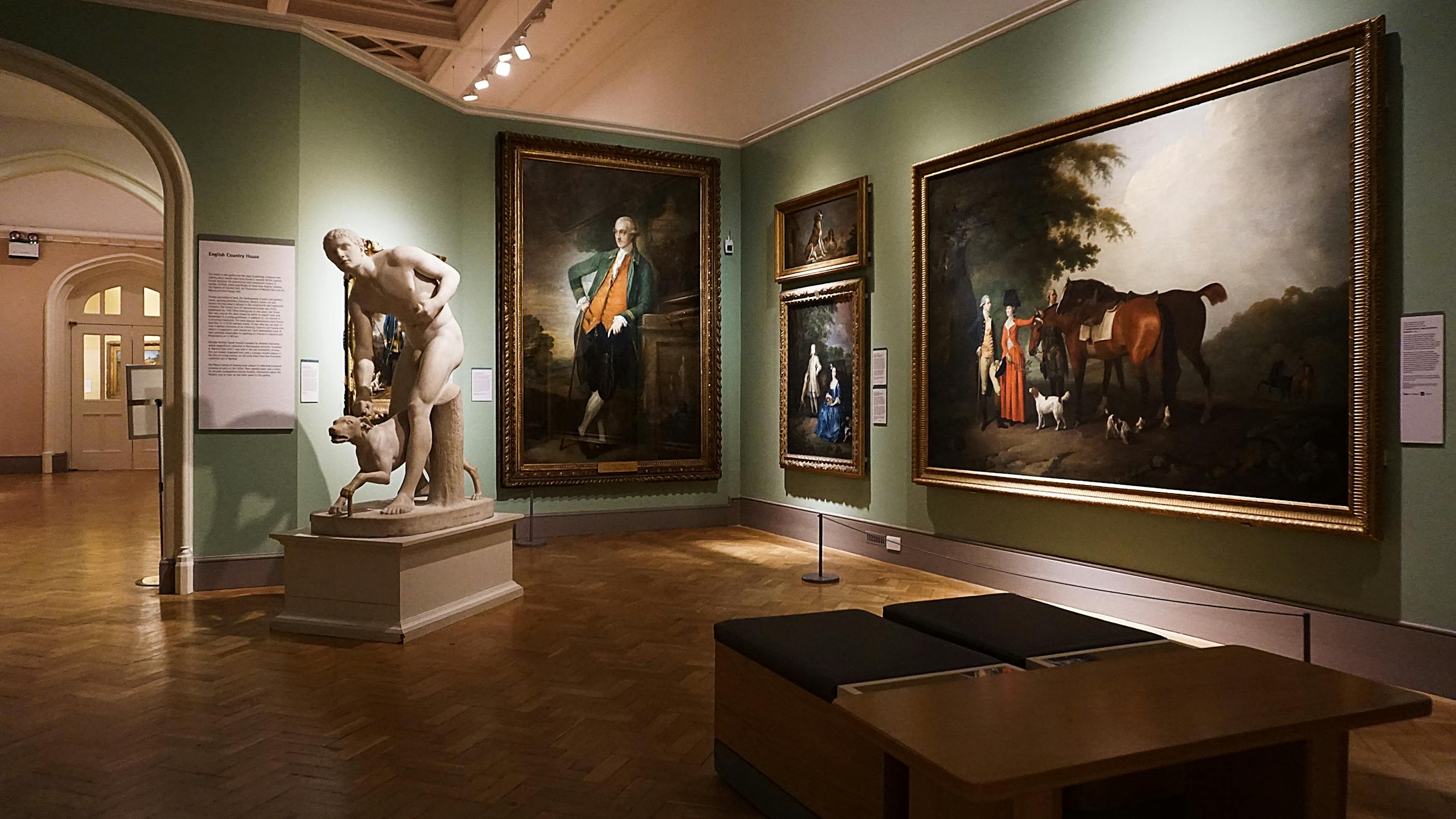
Manchester punches well above its weight when it comes to museums and galleries, and the best part is that most of them are completely free to enter. The city is home to some of the finest collections outside London, covering everything from fine art and military history to science, industry, and social justice.
Manchester Art Gallery
The Manchester Art Gallery on Mosley Street is one of the north of England’s leading art galleries. Founded in the early 19th century, it now houses a collection of over 25,000 objects spread across three floors of beautifully restored gallery spaces. The collection is particularly renowned for its Pre-Raphaelite masterpieces, including works by Dante Gabriel Rossetti and Ford Madox Brown. The decorative arts galleries on the upper floors showcase everything from 17th-century Dutch silverware to contemporary craft and design. Admission is free, and rotating temporary exhibitions keep return visits interesting.
Science and Industry Museum
Housed in the oldest surviving passenger railway station in the world, the Science and Industry Museum is a monument to the ingenuity that made Manchester the world’s first industrial city. The collection includes vintage locomotives, working textile machinery, and interactive exhibits that explain how cotton, steam, and engineering transformed the world from this very spot. The Power Hall displays an incredible array of engines and generators, while the Air and Space Gallery suspends aircraft from the ceiling above your head. Special exhibitions rotate throughout the year, often tackling subjects like artificial intelligence, climate change, and the future of technology. Entry is free, though a small charge applies for some temporary exhibitions.
Imperial War Museum North
Daniel Libeskind’s iconic aluminium-clad building at The Quays is worth visiting for the architecture alone. The building represents a globe shattered by conflict, with its sharp angles, sloping floors, and leaning walls deliberately designed to disorient and provoke thought. Inside, over 2,000 objects tell the stories of people whose lives have been shaped by war, from personal letters and photographs to pieces of the World Trade Center. The immersive 360-degree Big Picture Show is projected across the entire main exhibition space several times daily and is a genuinely moving experience. Admission is free.
The Whitworth and Manchester Museum
Both part of the University of Manchester, these two institutions are outstanding. The Whitworth gallery in Whitworth Park holds a superb collection of watercolours, prints, textiles, and wallpapers, all displayed in a building that seamlessly blends gallery space with the surrounding parkland through its glass-walled extension. Manchester Museum on Oxford Road is one of the largest university museums in the country, with a collection spanning over 4.5 million objects across archaeology, botany, entomology, and zoology. Its newly refurbished galleries include a vivarium with live reptiles and amphibians and an immersive South Asia Gallery. Both are free to visit.
People’s History Museum
The People’s History Museum on Left Bank tells the story of democracy, equality, and social justice in Britain through the objects and stories of ordinary working people. From the Peterloo Massacre of 1819 to the suffragette movement and trade union banners, it’s a powerful reminder that Manchester has always been at the forefront of social change. The museum houses the largest collection of trade union and political banners in the world. Admission is free, though donations are appreciated.
Football: A Tale of Two Stadiums
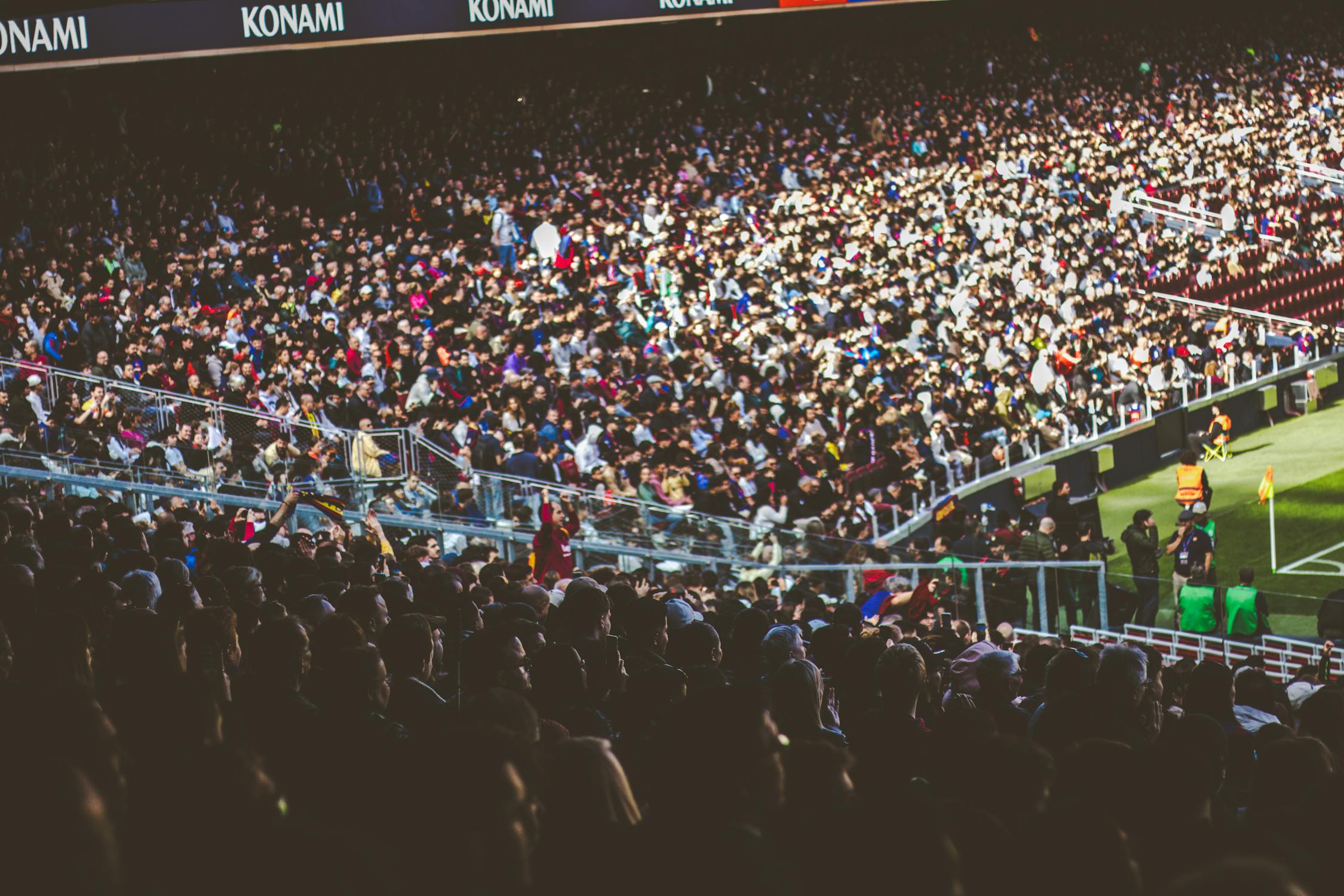
When it comes to sporting things to do in Manchester, football tops the list — the city is quite simply one of the football capitals of the world. The city is home to two of the most famous clubs on the planet — Manchester United and Manchester City — and whether you’re a die-hard supporter or a casual fan, experiencing football in Manchester is something you won’t forget.
Old Trafford: The Theatre of Dreams
Old Trafford is the largest club football ground in the United Kingdom, with a capacity of over 74,000. Even if you can’t get match tickets, the Old Trafford Museum and Stadium Tour is one of the most popular paid attractions in Manchester. The tour takes you through the home dressing room, down the players’ tunnel, and into the dugout, while the museum chronicles the club’s storied history through trophies, kits, and multimedia displays. Tours run daily from 09:30, though the stadium is closed to visitors on home match days. Booking in advance is recommended as tours frequently sell out, especially during school holidays and weekends.
Etihad Stadium and the City Football Academy
Manchester City’s Etihad Stadium in east Manchester offers its own stadium tour experience, taking visitors behind the scenes of the modern arena that has hosted title celebrations and Champions League nights. The tour includes access to the pitch-side seats, the press room, and the players’ tunnel. City also offers a more premium VIP tour option and a combined tour that includes the state-of-the-art City Football Academy next door. Match tickets for both clubs can be difficult to secure for high-profile fixtures, but mid-week league games and cup matches are often more accessible.
National Football Museum
Located in the striking glass triangle of the Urbis building near Victoria station, the National Football Museum is the world’s biggest and best football museum. Its four galleries display around 2,500 objects, including the oldest surviving FA Cup trophy from 1904, the 1966 World Cup crossbar, and match-worn shirts from legends of the game. Interactive exhibits let you test your skills with a penalty shoot-out and a commentary challenge. Admission is free, making it one of the best value attractions in the city centre.
Explore Manchester’s Distinctive Neighbourhoods
Among the best things to do in Manchester is exploring its neighbourhoods — one of the joys of visiting is discovering how each neighbourhood has its own personality. The city centre is compact and walkable, so you can easily explore several distinct areas in a single day.
The Northern Quarter
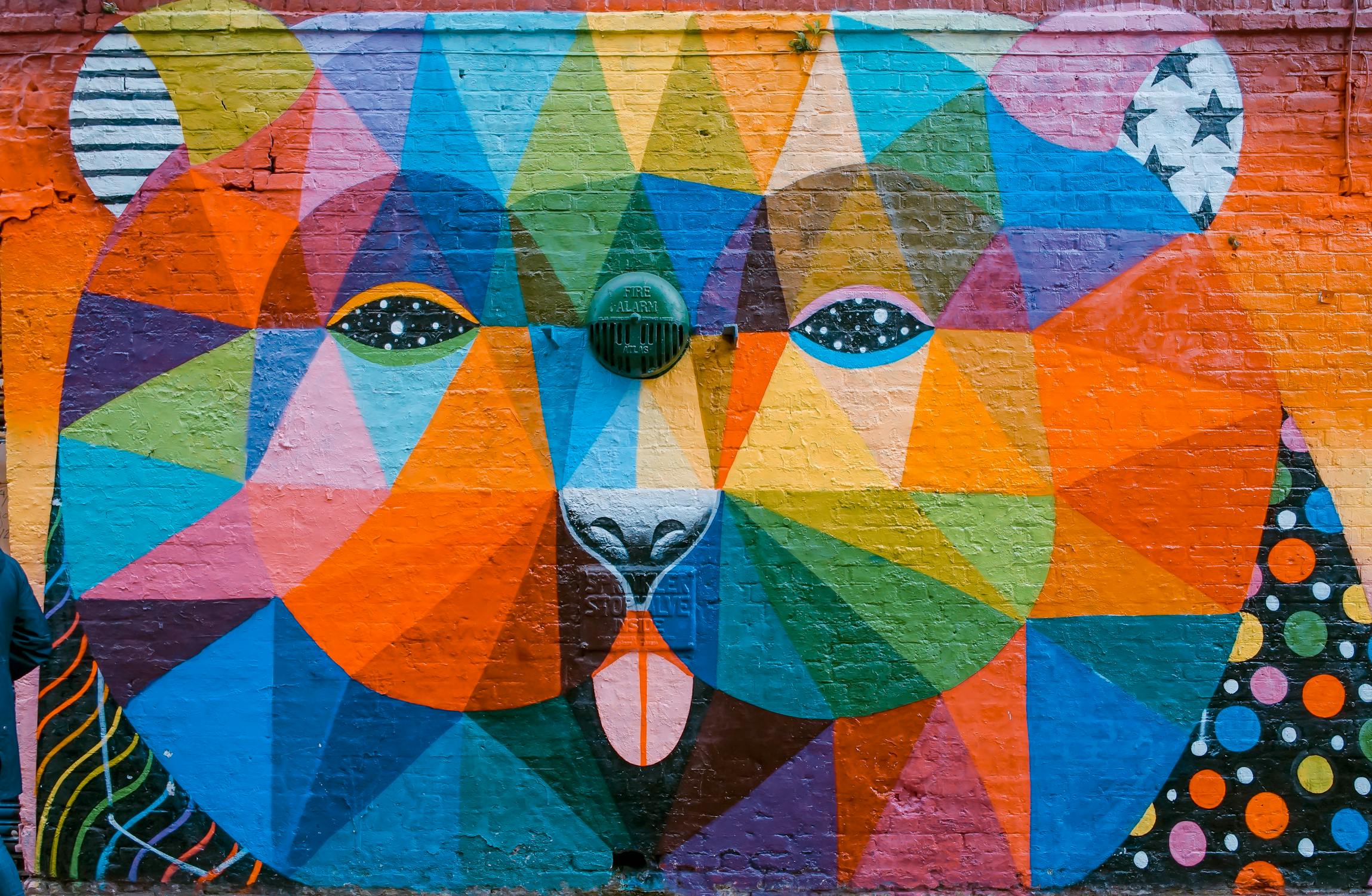
The Northern Quarter is Manchester’s creative heartbeat. Centred around Oldham Street and Stevenson Square, this formerly run-down area has blossomed into a vibrant hub of independent shops, vintage stores, craft coffee roasters, street art, and live music venues. Afflecks, the multi-storey indoor market, is a Manchester institution with over 60 independent traders selling everything from retro clothing to hand-poured candles. The streets around Stevenson Square are an ever-changing outdoor gallery of commissioned murals and guerrilla art. For music, venues like Band on the Wall and Night & Day Café have been launching careers for decades. Come hungry: the NQ is packed with excellent cafés and restaurants, from award-winning brunch spots to late-night ramen joints.
Ancoats: Manchester’s Coolest Neighbourhood
Just east of the Northern Quarter, Ancoats has undergone one of the most remarkable transformations in British urban regeneration. Once the engine room of the Industrial Revolution — its cotton mills earned Manchester the nickname ‘Cottonopolis’ — Ancoats had become one of the most deprived areas in the country by the late 20th century. Today, those same red-brick mills have been converted into apartments, restaurants, and creative spaces. Cutting Room Square is
the neighbourhood’s social hub, lined with outdoor seating from a cluster of outstanding restaurants. Hallé St Peter’s, a stunning Grade II-listed church restored by the Hallé Orchestra, hosts concerts and events. Ancoats is now home to Mana, which became Manchester’s first Michelin-starred restaurant in over 40 years, alongside neighbourhood favourites like Erst, Rudy’s Pizza, and Pollen bakery.
Castlefield: Canals and Roman Ruins
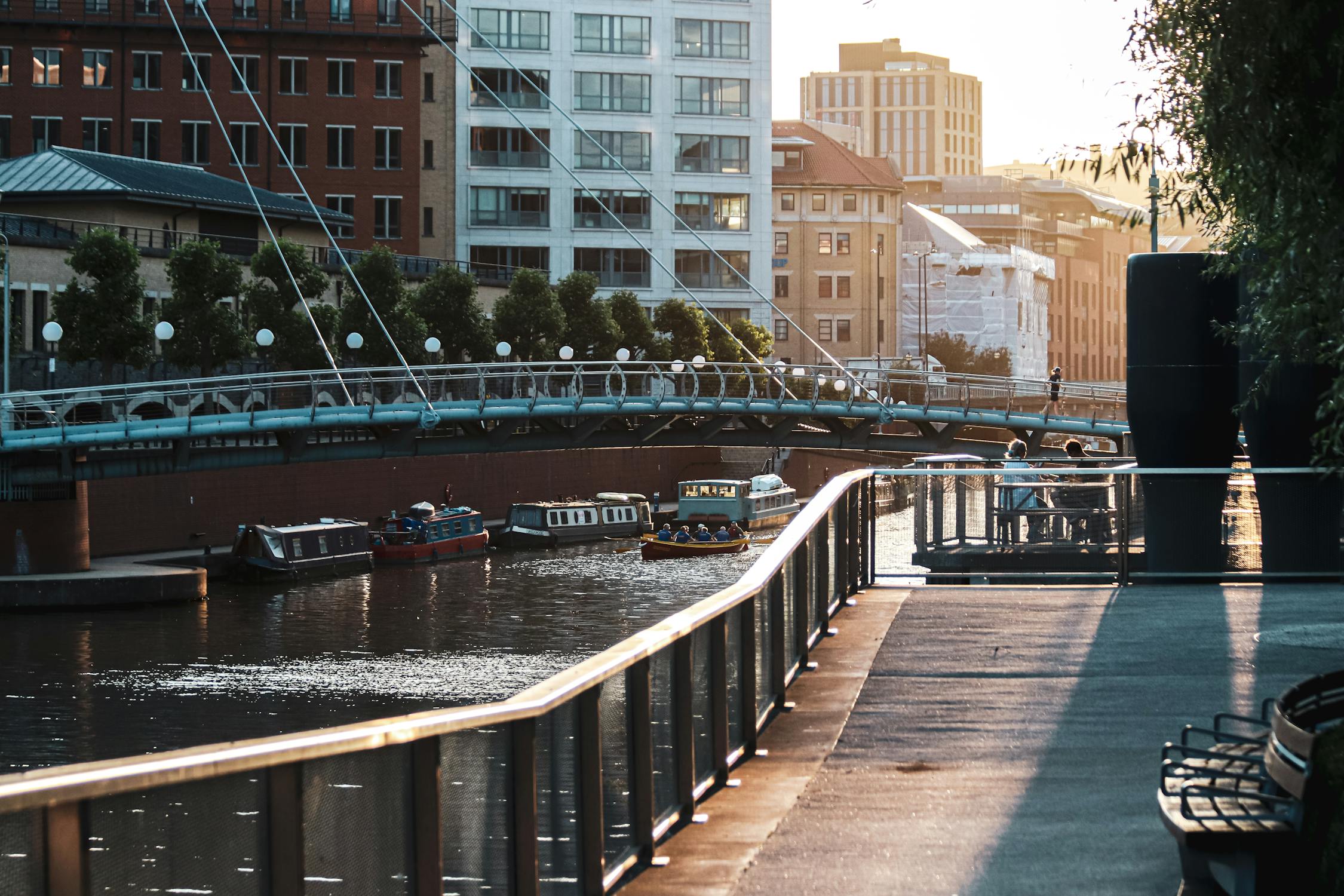
Castlefield is where Manchester’s story began. In AD 79, the Roman General Julius Agricola founded a fort called Mamucium on this site, and the remains of that fort can still be seen today. Britain’s first Urban Heritage Park, Castlefield is a beautifully atmospheric area of canal basins, Victorian railway viaducts, and converted warehouses.
On a warm day, the canalside bars and restaurants buzz with life. The Castlefield Bowl is an open-air arena set against the dramatic backdrop of the railway arches, hosting concerts and events throughout the summer. The Science and Industry Museum is right on its doorstep, and a walk along the Bridgewater Canal takes you to the edge of Salford Quays. Castlefield is also the gateway to the Deansgate Locks area, a strip of bars and restaurants built into the arches beneath the railway.
Chinatown
Manchester’s Chinatown is the second-largest in the United Kingdom, after London’s. The ornate Imperial Chinese Arch on Faulkner Street marks the entrance to a cluster of streets packed with Chinese, Malaysian, Thai, Vietnamese, and Japanese restaurants. Beyond the food, Chinatown is home to the Centre for Chinese Contemporary Art and comes alive during the Chinese New Year celebrations, when dragon parades and firecrackers fill the streets. For authentic dim sum, the area has several long-standing local favourites that draw crowds on weekends.
Live Music and Nightlife
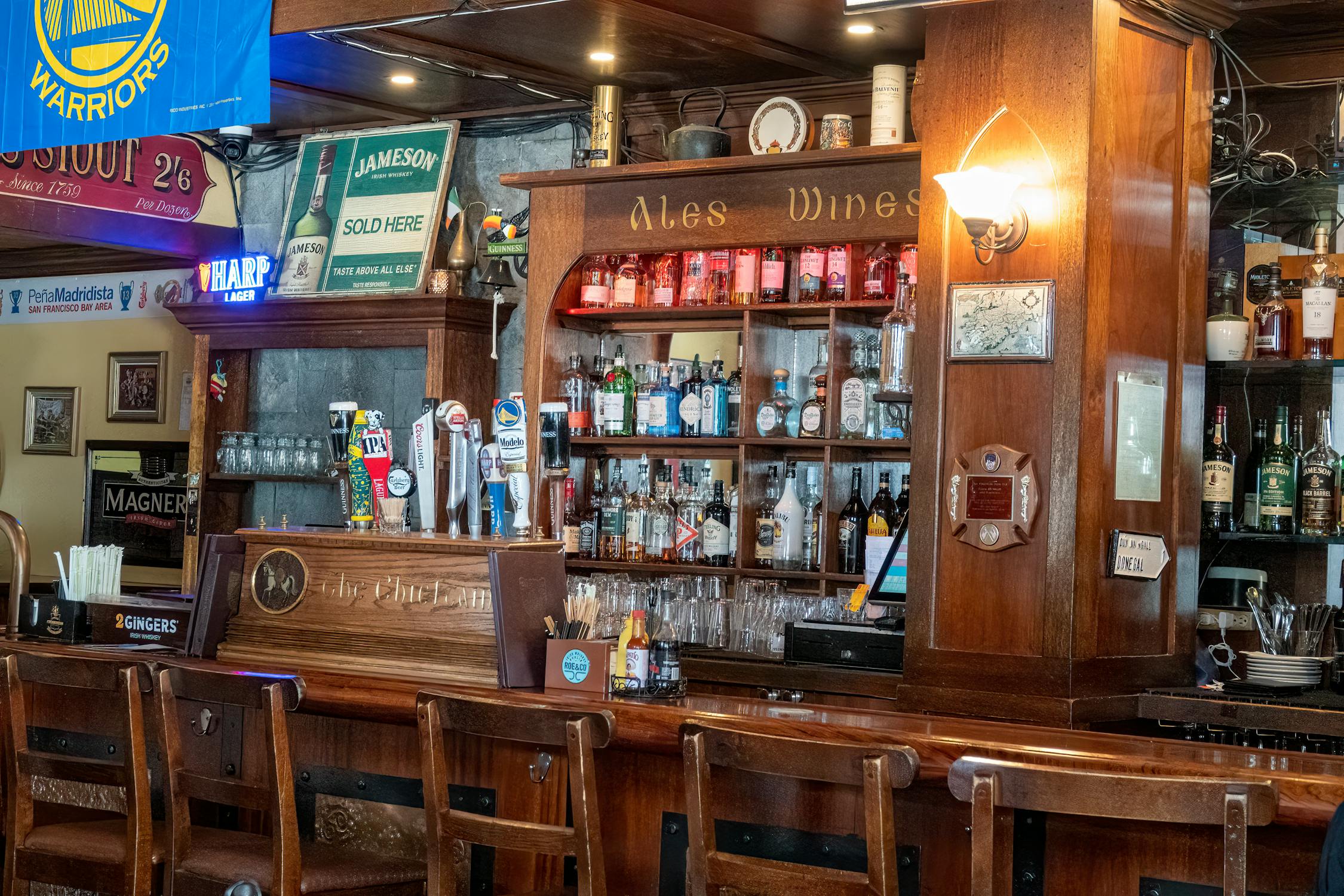
Live music is one of the top things to do in Manchester, a city with one of the most storied music histories in the world. This is the city that gave us Joy Division, The Smiths, Oasis, The Stone Roses, and The Chemical Brothers, and the live music scene remains as vital as ever. The AO Arena is one of the busiest indoor concert venues in Europe, hosting over 130 shows annually with major international acts. For something more intimate, venues like Band on the Wall, Gorilla, the Albert Hall (a converted chapel with stunning acoustics), and YES offer gigs most nights of the week across every genre imaginable.
Manchester’s nightlife extends well beyond live music. The city’s bar and club scene is one of the best in the UK. Deansgate Locks and Peter Street are the mainstream nightlife strips, while the Northern Quarter offers more eclectic drinking dens — from the speakeasy-style Washhouse (disguised as a launderette) to rooftop terraces with panoramic city views. The Gay Village on Canal Street is one of the longest-established LGBTQ+ districts in the country and is the focal point for Manchester Pride every August, a massive festival that draws hundreds of thousands of visitors with its parade, live performances, and community events.
Historic Buildings and Architecture
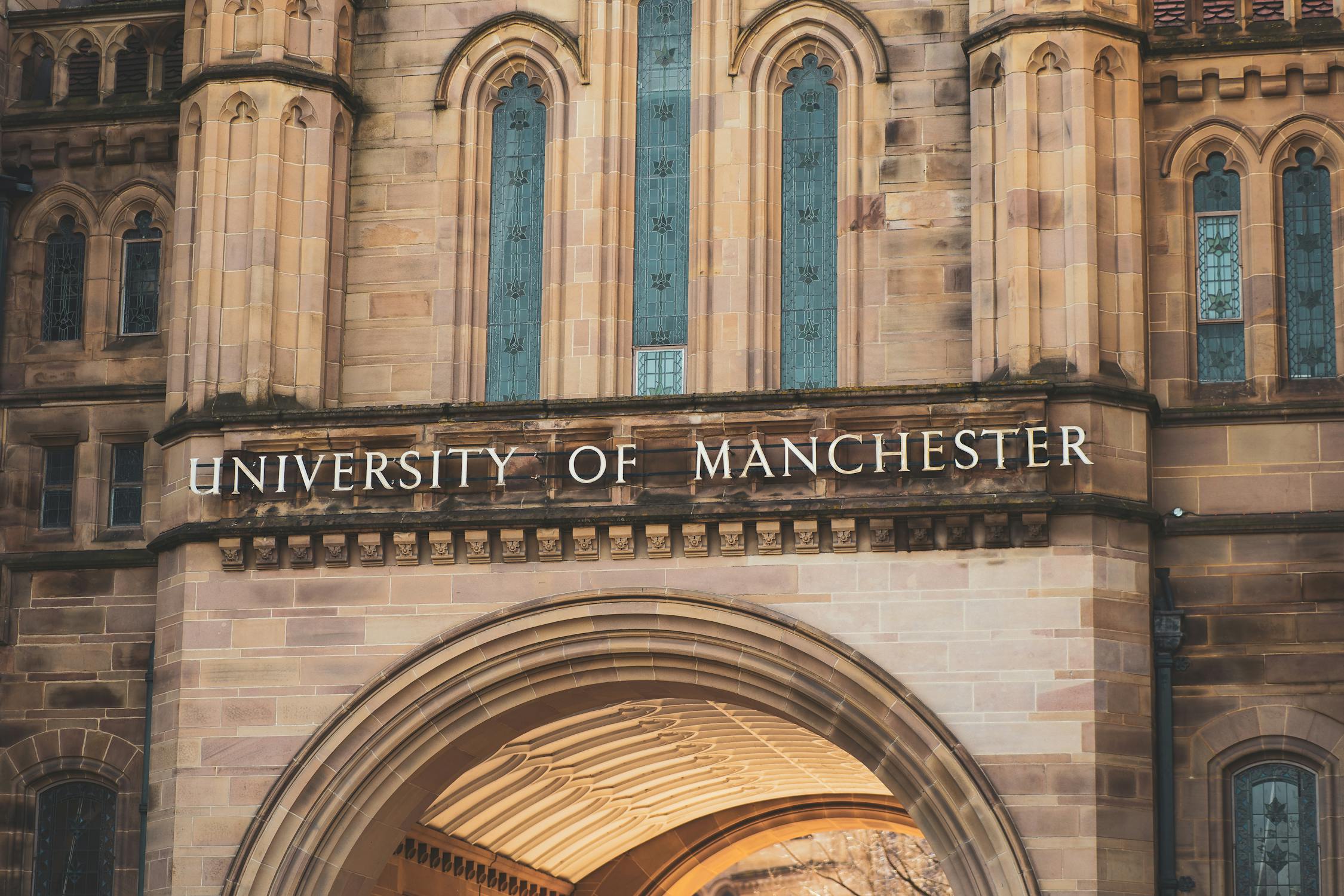
Manchester’s architecture tells the story of a city that changed the world. The wealth generated by the cotton trade and the Industrial Revolution funded some extraordinary buildings, and a walk through the city centre is like flipping through the pages of an architectural textbook.
John Rylands Library
The John Rylands Research Institute and Library on Deansgate is one of the most beautiful buildings in the north of England. This late Victorian neo-Gothic masterpiece was commissioned by Enriqueta Rylands in memory of her husband, the textile magnate John Rylands, and opened to the public in 1900. The reading room, with its soaring vaulted ceiling and stained-glass windows, feels more like a cathedral than a library. The collection includes around 200,000 books and manuscripts, among them one of the earliest known fragments of the New Testament. Entry is free, and the building’s recent restoration has added a welcome café and improved visitor facilities.
Chetham’s Library
Just a short walk from Victoria Station, Chetham’s Library holds the distinction of being the oldest free public reference library in the English-speaking world, founded in 1653. The medieval building dates from the 14th century and also houses Chetham’s School of Music. Free guided tours of the library run on selected days and offer a fascinating glimpse into five centuries of learning and scholarship. The alcove where Karl Marx and Friedrich Engels studied during their visits to Manchester in the 1840s is still preserved.
Manchester Town Hall
Manchester Town Hall is a Grade I-listed Victorian Gothic masterpiece designed by Alfred Waterhouse and opened in 1877. While the main building is currently undergoing a major restoration programme and is closed to the public, it remains one of the most photographed buildings in the city. The Town Hall Extension next door continues to serve as the civic centre, and Albert Square in front of the Town Hall is a popular gathering place. When the restoration is complete, the magnificent Great Hall, with its Pre-Raphaelite murals by Ford Madox Brown depicting scenes from Manchester’s history, will once again be open to visitors.
Parks, Green Spaces, and Outdoor Activities
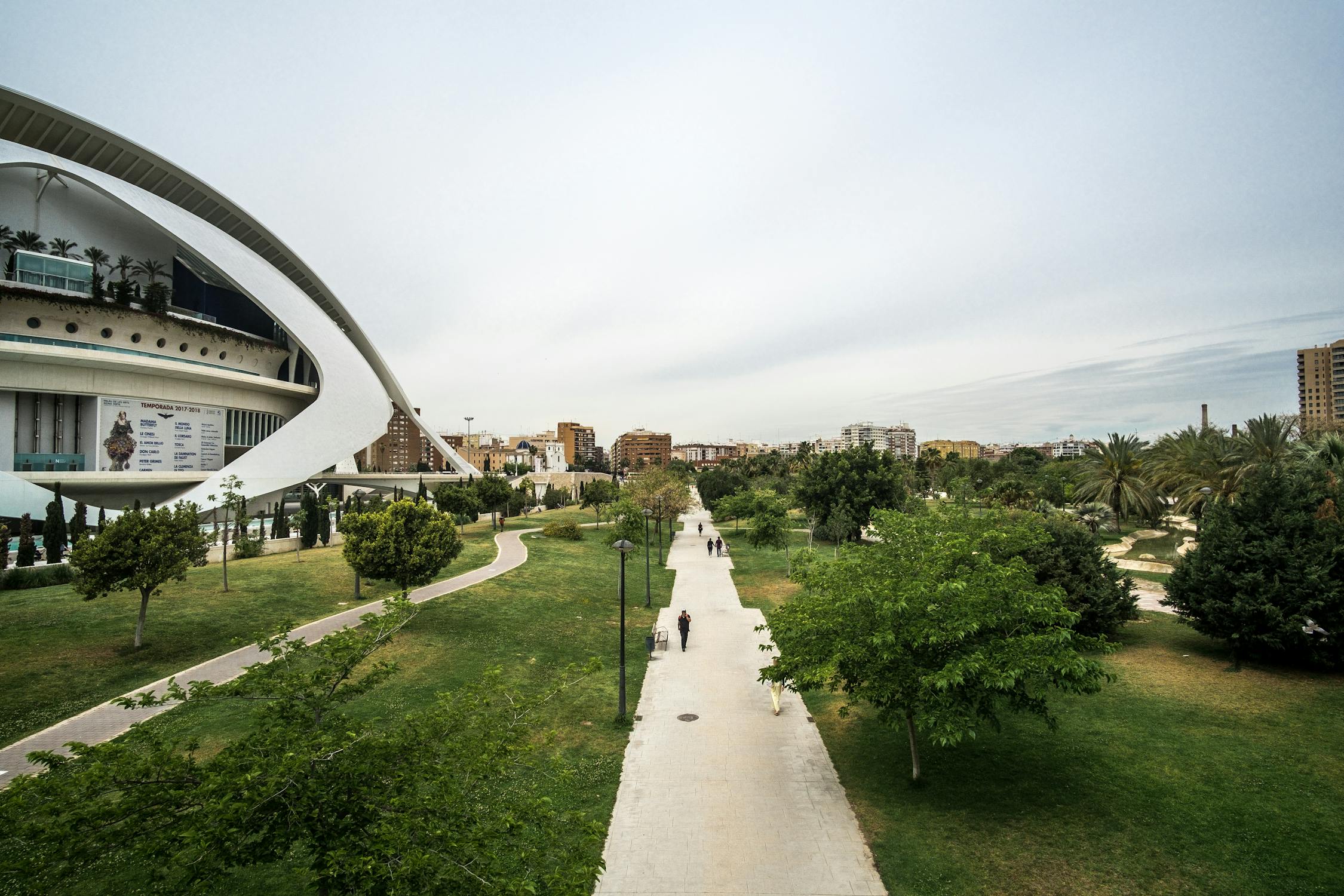
Despite its reputation as an urban powerhouse, Manchester has no shortage of green spaces — and exploring parks is among the most relaxing things to do in Manchester. The city and its surrounding boroughs offer parks, nature reserves, and riverside walks that make for a welcome break from sightseeing and shopping.
Heaton Park
Heaton Park is one of the largest municipal parks in Europe, covering over 600 acres in north Manchester. The park includes a boating lake, an animal farm, a golf course, and the beautifully restored Heaton Hall, a Grade I-listed neoclassical mansion. It’s easily reached by Metrolink tram to Heaton Park station and makes a brilliant half-day escape from the city centre, especially with children.
Fletcher Moss Park and the Mersey Valley
In south Manchester, Fletcher Moss Park is a hidden treasure. The botanical gardens here are particularly lovely in spring and summer, and the park connects to a network of footpaths and cycling trails that follow the River Mersey through the lush Mersey Valley. The Didsbury end of the trail is dotted with excellent pubs and cafés, making it easy to combine a walk with a well-earned lunch.
Whitworth Park and Platt Fields
Whitworth Park sits alongside the Whitworth gallery in the university quarter and is a popular spot for picnics and relaxation. Nearby Platt Fields Park in Fallowfield offers a boating lake, sports facilities, and mature woodland. Both parks are easily accessible by bus from the city centre and are favourites with students and families alike.
Shopping in Manchester
Shopping is one of the most popular things to do in Manchester, as the city offers one of the best shopping experiences in the UK outside of London. The city caters to every budget and taste, from high-end designer boutiques to quirky independent shops and bustling vintage markets.
High Street and Designer Shopping
The Arndale Centre on Market Street is one of the largest city-centre shopping malls in the country, with over 200 stores. For designer labels, King Street and the adjacent streets house luxury brands in elegant Victorian and Edwardian buildings. Exchange Square, fronted by the dramatic Selfridges building, connects to the New Cathedral Street luxury shopping district and Harvey Nichols. The Trafford Centre, a short drive or bus ride from the city centre, is another massive retail destination with over 200 shops, restaurants, and a cinema.
Independent Shopping and Markets
For something with more character, the Northern Quarter is the place to go. Afflecks is a multi-storey independent shopping emporium that has been a Manchester institution since the 1980s, selling everything from vintage clothing to handmade jewellery, skate gear, and alternative art. Elsewhere in the NQ, Vinyl Revival sells records, Oklahoma does beautiful stationery and gifts, and the Manchester Craft and Design Centre houses studios and workshops of local makers. Regular markets are another highlight: Mackie Mayor in the restored Smithfield Market Hall is an upscale food hall, while the Makers Market and Levy Market bring independent traders to various locations across the city on weekends.
Day Trips from Manchester
If you run out of things to do in Manchester itself — unlikely, but possible — the city’s location makes it an excellent base for exploring the wider region. Several outstanding destinations are within easy reach by train or car, making them perfect for a day trip.
The Peak District
The Peak District National Park begins just a short distance from Manchester’s eastern suburbs, and several villages within the park are easily accessible by train. Edale, the starting point of the Pennine Way, is just 45 minutes from Manchester Piccadilly by train. From Edale you can climb Kinder Scout, the highest point in the Peak District, or take the ridge walk to Mam Tor for sweeping views across the Hope Valley. The pretty village of Castleton, with its four show caves and the ruins of Peveril Castle, is another popular destination. Buxton, a handsome Georgian spa town, is about an hour by train and has its own opera house, thermal baths, and excellent hiking from the doorstep.
Tatton Park and Lyme Park
Tatton Park, about 30 minutes south of the city centre, is a magnificent National Trust estate with a neo-classical mansion, extensive gardens, a working farm, and a deer park with free-roaming herds. Lyme Park, on the eastern edge of Greater Manchester near Stockport, is another National Trust gem. Dating back to the 14th century and spanning 1,300 acres, Lyme Park was famously used as the setting for Pemberley in the BBC’s 1995 adaptation of Pride and Prejudice. Both estates are perfect for a family day out combining history, walking, and picnicking.
Liverpool, Chester, and the Lake District
Liverpool is just an hour away by train and offers its own world-class cultural scene, including the Tate Liverpool, The Beatles Story, and the stunning Albert Dock waterfront. Historic Chester is even closer at around 50 minutes, with its remarkably complete Roman walls, medieval Rows shopping galleries, and a 2,000-year-old amphitheatre. For a longer day trip, the Lake District is accessible in around two hours by train to Windermere, offering some of the most beautiful scenery in England.
Food and Drink Highlights
Eating your way around the city is one of the tastiest things to do in Manchester — the food scene has exploded in recent years and the city now rivals any in the UK for the quality and diversity of its dining options. Whether you’re after a Michelin-starred tasting menu or a £5 curry, you’ll find it here.
The Curry Mile and Beyond
Wilmslow Road in Rusholme, known as the Curry Mile, has been a Manchester institution for decades. While the strip has diversified in recent years to include Middle Eastern, Turkish, and African restaurants, it remains the go-to destination for a late-night curry after a gig or a football match. Beyond the Curry Mile, Manchester’s South Asian food scene stretches across the city, with Bury’s famous black pudding stalls at Bury Market and acclaimed restaurants like Dishoom in the city centre offering refined takes on traditional Indian cuisine. The street food scene is equally impressive, with GRUB at the Fairfield Social Club in the Green Quarter hosting rotating vendors every weekend.
Fine Dining and Neighbourhood Restaurants
At the top end, Mana in Ancoats holds a Michelin star and serves a multi-course tasting menu that draws on Scandinavian and British ingredients with technical precision. The Midland Hotel’s French by Adam Reid offers another fine-dining option in a stunning art deco setting. But Manchester’s real strength lies in its neighbourhood restaurants — places like Erst in Ancoats for natural wine and small plates, Hawksmoor for steak, El Gato Negro on King Street for Spanish tapas, and Dishoom for its legendary bacon naan rolls at brunch. Mackie Mayor, the beautifully restored Smithfield market building in the Northern Quarter, is a food hall with multiple independent vendors under one roof, ideal for groups who can’t agree on what to eat.
Craft Beer and Cocktails
Manchester is at the heart of the UK’s craft beer revolution. Cloudwater Brew Co., based in Ancoats, is regularly ranked among the best breweries in the world, and their taproom is a pilgrimage for beer enthusiasts. Track Brewing Co., Pomona Island, and Shindigger all have taprooms in and around the city centre. For cocktails, Schofield’s Bar in Sunlight House is a destination in its own right — run by award-winning bartending brothers, it serves perfectly executed classics in an art deco setting. The Washhouse, concealed behind a fake launderette façade in the Northern Quarter, is one of the quirkiest cocktail bars in the country.
Theatre, Comedy, and the Performing Arts
Theatre ranks among the most rewarding things to do in Manchester — the performing arts scene is world-class. The city is home to some of the finest theatres and performance spaces in the UK, with a programme that ranges from West End transfers to experimental fringe productions.
The Royal Exchange Theatre, housed in the spectacular glass-and-steel module suspended inside the former Cotton Exchange, is one of the most architecturally distinctive theatres in the world. Its in-the-round format creates an intimate atmosphere for productions that consistently receive critical acclaim. The Palace Theatre and the Opera House on Quay Street between them host the biggest touring musicals, ballet, and opera productions. HOME, the arts complex in First Street near Castlefield, combines a theatre, cinema, and gallery under one roof, with a focus on international and avant-garde work.
Comedy thrives in Manchester too. The Frog and Bucket on Oldham Street has been a launchpad for comedians including Peter Kay, John Bishop, and Jason Manford. The Comedy Store at Deansgate Locks hosts established circuit acts, while the Lowry theatre at Salford Quays programmes a mix of comedy, drama, and family shows. During the summer, open-air performances at venues like the Castlefield Bowl and the RHS Garden Bridgewater add another dimension to the city’s cultural life.
Family-Friendly Activities
Family-friendly things to do in Manchester abound, making the city a brilliant destination for visitors of all ages. The majority of the city’s museums are free and many have interactive exhibits specifically designed for children. The Science and Industry Museum is a perennial favourite with young visitors thanks to its hands-on galleries and live science demonstrations. Manchester Museum’s vivarium, with its live frogs, snakes, and lizards, is guaranteed to captivate younger children, while the Egyptian mummy collection tends to fascinate older ones.
Legoland Discovery Centre at the Trafford Centre is purpose-built for children aged 3 to 10, with rides, building workshops, and a miniland recreation of Manchester’s landmarks built from over a million Lego bricks. Sea Life Manchester, also at the Trafford Centre, takes visitors on an underwater journey with over 5,000 creatures. For outdoor fun, Heaton Park offers an animal farm, playground, boating lake, and miniature railway, while Tatton Park’s working farm is a hit with younger children. The Museum of Science and Industry runs regular family-friendly workshops and holiday programmes, and Chill Factore in Trafford offers indoor skiing and snow play regardless of the weather outside.
Practical Tips for Visiting Manchester
Getting around Manchester is straightforward. The Metrolink tram network connects the city centre with key destinations including MediaCityUK (for IWM North and the BBC), Old Trafford, and the Etihad Campus. Most city-centre attractions are within comfortable walking distance of each other. The Metroshuttle free bus service runs three routes around the city centre and is a handy option when your feet need a rest.
Manchester’s weather has a well-earned reputation, so pack layers and a waterproof jacket regardless of the season. That said, don’t let the prospect of rain put you off — many of the best things to do in Manchester are indoors, and the city has a knack for feeling cosy rather than gloomy when the skies turn grey. Most major museums and galleries are free, which makes Manchester an unusually affordable city break by European standards.
The best time to visit Manchester depends on your priorities. Summer (June to August) brings the warmest weather, outdoor festivals, and cricket at Emirates Old Trafford. Autumn is ideal for football season and the Manchester Food and Drink Festival. Winter brings the spectacular Manchester Christmas Markets, which are among the best in the UK, transforming Albert Square and surrounding streets into a festive wonderland of stalls, mulled wine, and live entertainment. Spring sees the city’s parks bloom and the cultural calendar ramp up ahead of summer.
Make the Most of Manchester
With so many things to do in Manchester, this is a city that truly rewards curiosity. The headline attractions — the football stadiums, the major museums, the Northern Quarter — are all genuinely brilliant, but some of the most memorable moments come from wandering off the beaten track. Duck into a side street in Ancoats and you might find a pop-up gallery in a converted mill. Follow a canal towpath and you’ll stumble upon a waterside pub with real ales and Sunday roasts. Ask a local for their favourite place and you’ll get an enthusiastic recommendation that probably isn’t in any guidebook.
This guide has covered the essential things to do in Manchester, but there’s always more to discover. As you plan your trip, explore our in-depth guides to Manchester’s 25 best attractions, free things to do, nightlife and evening activities, and unusual and unique experiences for even more ideas. Manchester is the kind of city that keeps drawing you back, and there’s always something new to see.
If you would rather be shown the city than work it out yourself, our guide to Manchester tours and experiences compares every category, from tip-based walks to the six-hour Ship Canal cruise, and says plainly which ones are not worth the money.