This article contains advertising. Our booking links are routed through a partner that adds commission tracking automatically, so if you book through one we earn a commission from the provider, at no extra cost to you. It never affects what we recommend. Affiliate disclosure
Best restaurants in Manchester? That is a question with an answer that changes almost weekly. Manchester’s food and dining scene has undergone a remarkable transformation over the past decade, evolving from a city known mainly for curry and chips into one of the most exciting culinary destinations in the United Kingdom. In 2025, the Harden’s restaurant guide named Manchester the top city for restaurants outside London, with 47 entries — more than any other regional city. From Michelin-starred tasting menus to a bag of chips eaten by a canal, this city has something extraordinary for every palate and every budget.
This guide covers the full breadth of Manchester’s dining landscape: fine dining and Michelin-starred restaurants, the best neighbourhood restaurants, street food markets and food halls, the legendary Curry Mile, brunch culture, pubs and gastropubs, vegan and vegetarian dining, the coffee scene, and practical tips for eating your way through the city. Whether you are visiting for a weekend or planning a longer stay, consider this your essential companion to eating well in Manchester.
Manchester’s food boom is driven by a combination of factors — a fiercely independent spirit, relatively affordable rents that allow creative chefs to take risks, a multicultural population that brings global flavours, and a dining public that is adventurous and loyal in equal measure. The result is a city where a Michelin-starred restaurant sits two streets away from a market stall serving the best falafel you have ever tasted.
Fine Dining and Michelin-Starred Restaurants
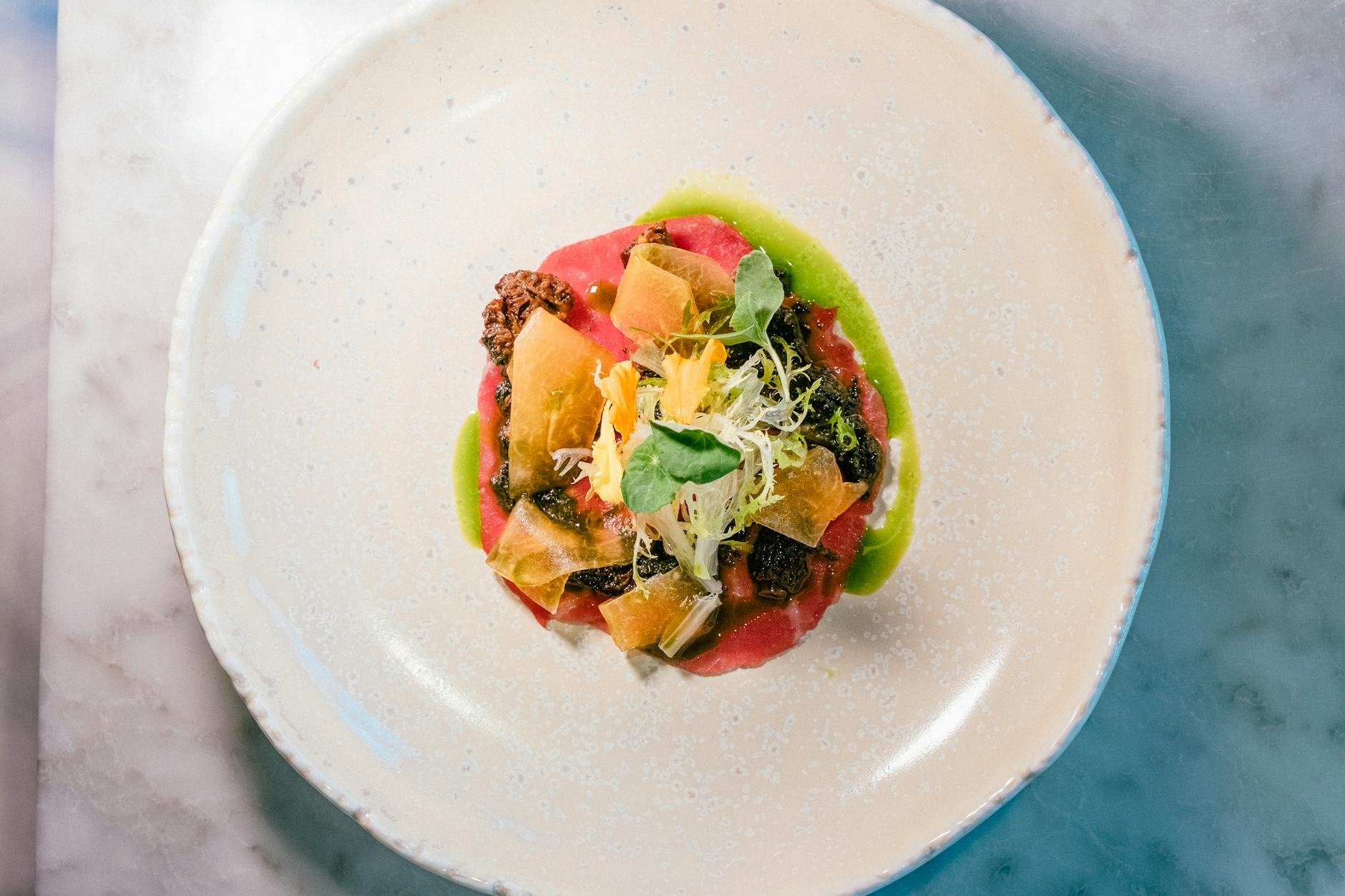
Manchester’s fine dining scene has reached a level that would have seemed unthinkable a generation ago. The city now holds two Michelin stars and a growing number of Michelin-recommended restaurants, placing it firmly on the culinary map of Europe.
Mana in Ancoats was the first Manchester restaurant in decades to receive a Michelin star, and it remains the standard-bearer for ambitious cooking in the city. Chef-owner Simon Martin trained at Noma in Copenhagen, and his approach — rooted in British ingredients, particularly seafood, with complex layered flavours and a clean, natural presentation — has won admirers from around the world. The restaurant occupies a converted Ancoats warehouse, and every seat offers a view of the open kitchen. A meal at Mana is a genuine event, with the multi-course tasting menu typically priced at £195 per person.
Skof, which earned its Michelin star in February 2025, is the city’s second starred restaurant. Chef Tom Barnes focuses on seasonal British produce, creating elegant tasting menus that balance technical precision with approachable flavours. The restaurant’s intimate setting and warm service have made it one of the most sought-after reservations in the north of England.
Beyond the starred restaurants, Manchester has a deep bench of Michelin-recommended and high-end venues. The Visit Manchester tourism board maintains a regularly updated list of the city’s Michelin Guide entries. Notable mentions include Erst in Ancoats, a natural wine bar serving outstanding modern Mediterranean small plates; Adam Reid at The French, located in the grand Midland Hotel; and Higher Ground on Oxford Street, which brings creative Australian-influenced cooking to a beautifully designed space.
Where to Eat Neighbourhood by Neighbourhood
Ancoats: Manchester’s Dining Epicentre
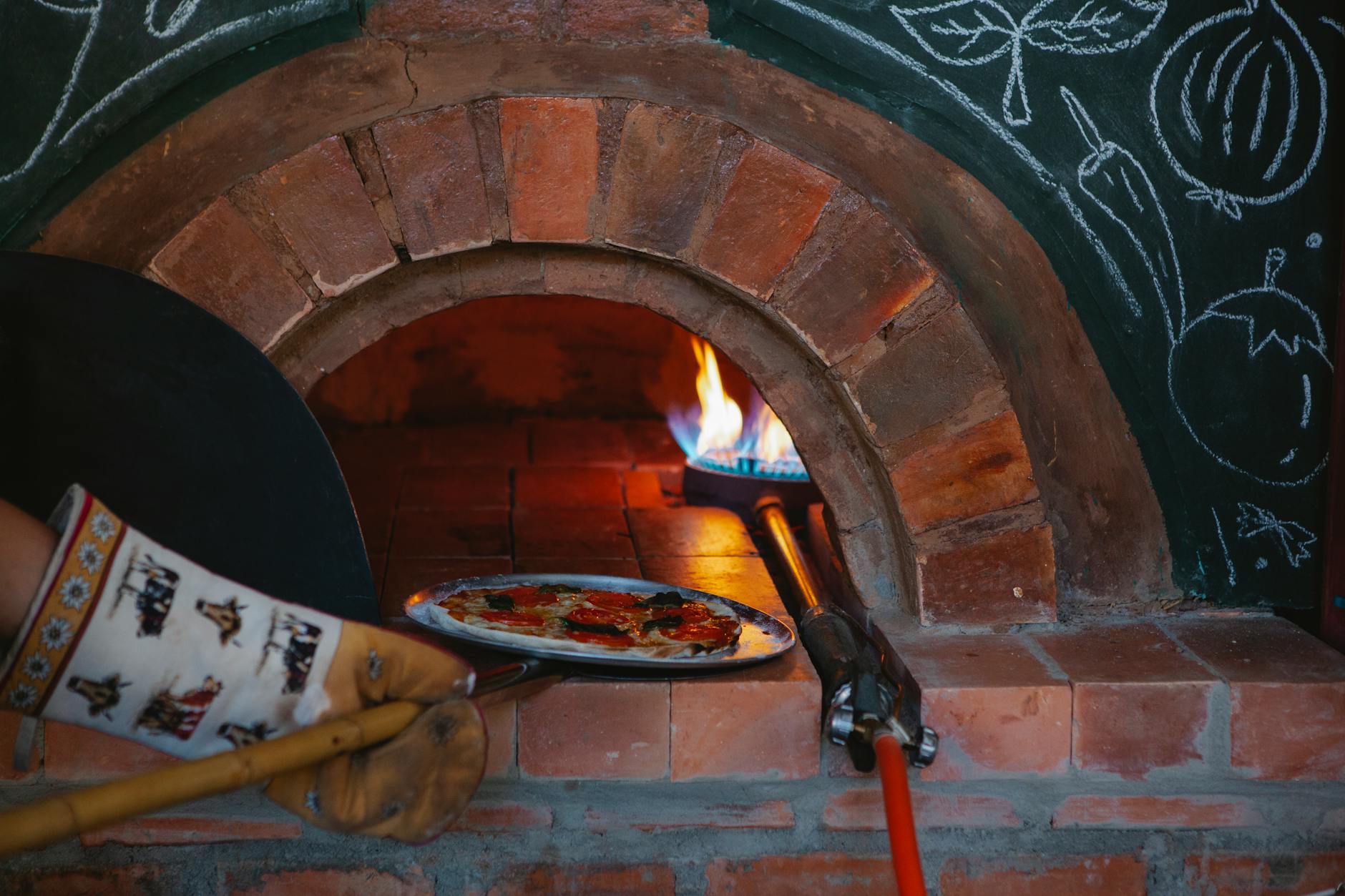
If any single neighbourhood captures the energy of Manchester’s restaurant scene, it is Ancoats. This former industrial quarter, built on cotton mills and warehouses, has become the city’s undisputed dining epicentre. Rudy’s Neapolitan Pizza on Cutting Room Square is arguably the most famous pizza restaurant in the north, with queues that regularly stretch around the block. The thin, charred-crust pizzas are made with imported Italian ingredients and cooked in wood-fired ovens at 500 degrees. Rudy’s does not take reservations — joining the queue is part of the ritual.
Beyond Rudy’s, Ancoats offers an extraordinary concentration of quality. Erst serves natural wines alongside inventive small plates. Canto serves modern Portuguese cuisine in a stunning industrial space. Viet Shack does fresh, vibrant Vietnamese street food. Pho Cue combines Vietnamese flavours with barbecue techniques. And Trove, a beloved bakery and cafe, is one of the best spots in the city for morning pastries and coffee. Ancoats proves that the best restaurants in Manchester are not limited to white-tablecloth establishments.
Northern Quarter: Independent and Eclectic
The Northern Quarter‘s dining scene mirrors the neighbourhood itself — fiercely independent, slightly eccentric, and endlessly varied. This is where you come for all-day brunch at places like Yard and Coop (famous for its buttermilk fried chicken) or Federal, a New Zealand-inspired cafe that helped kickstart Manchester’s brunch revolution. For dinner, Sampa offers an extraordinary hidden experience — this 12-seater chef’s counter serves Brazilian cuisine at a secret address revealed only 24 hours before your reservation.
The Northern Quarter is also one of the best areas for cheap eats in Manchester. Ply on Lever Street does excellent sourdough pizza at reasonable prices. Lucky Fox serves some of the best loaded fries and burgers in the city. And the cafes along Stevenson Square and Tib Street provide endless options for a quick, flavourful lunch without breaking the bank.
Deansgate, Spinningfields and King Street
The Deansgate corridor and surrounding streets are where Manchester’s more polished dining scene is concentrated. Spinningfields, the city’s financial quarter, has an exceptional collection of restaurants including 20 Stories — a rooftop restaurant and bar on the 19th floor of No. 1 Spinningfields, offering sweeping views of the city alongside a menu of modern British cooking. The nearby Ivy Spinningfields provides a glamorous brasserie setting. King Street, one of Manchester’s most elegant thoroughfares, is home to Tast, the Catalan restaurant from the team behind El Cellar de Can Roca, consistently rated among the world’s best restaurants.
El Gato Negro, an award-winning tapas restaurant set across three floors of a townhouse with a stunning roof terrace, is another Spinningfields highlight. The menu focuses on seasonal tapas with local ingredients and an excellent Spanish wine list. For those seeking the best restaurants in Manchester city centre, this area delivers some of the most memorable dining experiences.
Chorlton and West Didsbury: South Manchester’s Foodie Havens
South Manchester has quietly built one of the most impressive dining corridors in the city. West Didsbury’s Burton Road is lined with acclaimed restaurants — Hispi is a neighbourhood bistro from the team behind the legendary Stockport restaurant Where The Light Gets In, serving British seasonal cooking of the highest order. The Rose Garden has been a Didsbury institution for years, offering reliable, well-priced Mediterranean food in a warm atmosphere. Volta, which also excels at brunch, transforms in the evening into one of south Manchester’s most exciting dinner destinations.
Chorlton, a couple of miles west, matches Didsbury for quality if not quantity. The Beagle on Chorlton Green serves creative small plates and an excellent natural wine list. Bar San Juan is widely considered one of Greater Manchester’s finest tapas restaurants, serving authentic Spanish dishes alongside imported sherries and wines. And Elk on Manchester Road does outstanding all-day dining from a compact but endlessly creative menu. The combination of neighbourhood atmosphere and restaurant quality makes south Manchester an essential destination for food-focused visitors.
Salford and the Quays
Salford has emerged as an increasingly interesting dining destination in its own right. The area around Chapel Street — sometimes called the Chapel Street corridor — has seen a number of quality openings in recent years. The Lowry at Salford Quays houses a reliable brasserie, and the MediaCityUK development has attracted several chain and independent restaurants. For visitors staying at Salford Quays, the dining options have improved markedly, though the most exciting eating in Greater Manchester still lies across the river in the city centre and its immediate surrounds.
Street Food Markets and Food Halls
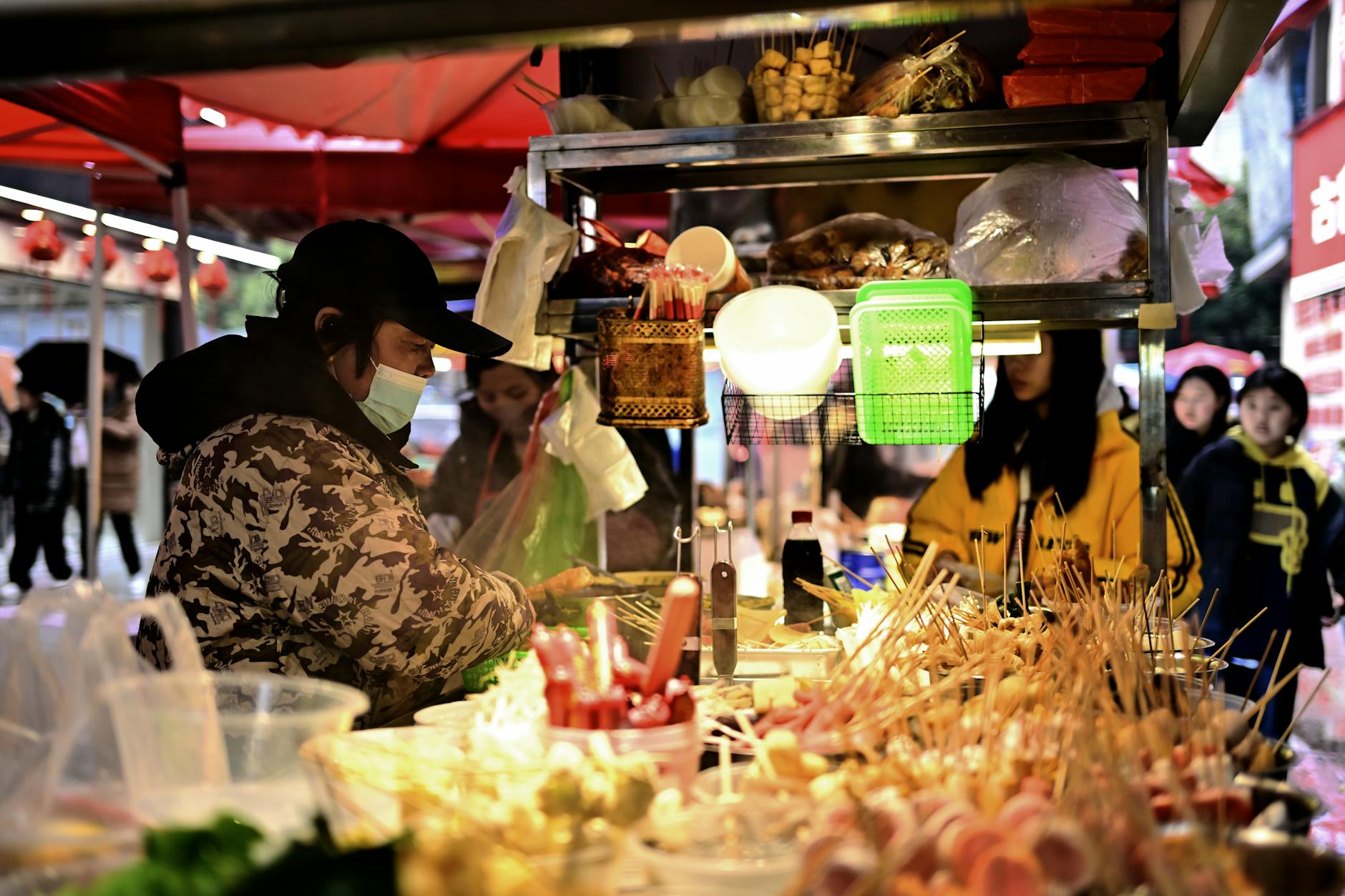
One of the defining features of Manchester’s food scene is the quality and variety of its street food markets and food halls. These spaces have democratised great food, making it possible to eat extraordinarily well for under ten pounds.
Mackie Mayor is the jewel in the crown. Housed in a beautifully restored Grade II-listed former meat market in the Northern Quarter, this food hall brings together some of Manchester’s finest independent traders under one spectacular Victorian roof. Honest Crust serves outstanding sourdough pizza. Tender Cow does exemplary burgers. And the communal seating and craft beer and wine bars create an atmosphere that is convivial and buzzing. Mackie Mayor is the single best place to experience the breadth of Manchester’s street food scene in one visit.
The Arndale Market, located in the basement of the Arndale Centre, has been a Manchester institution for years. It is less polished than Mackie Mayor but no less delicious, offering everything from banh mi and Portuguese custard tarts to Thai curries and spicy yakisoba noodles at prices that rarely top £8.
Altrincham Market, about twenty minutes south of the city centre by tram, has been instrumental in Manchester’s food revolution. Home to operators including Honest Crust, Great North Pie Co, and Tender Cow (before several of them expanded to Mackie Mayor), it was one of the first food markets in the area to prove that quality traders could thrive in a communal setting. The Saturday market, with its rotating cast of guest stalls, remains a pilgrimage-worthy destination.
Other notable markets include the Piccadilly Street Food Markets near Piccadilly Gardens, which operate weekdays with over 15 stalls serving global street food from around £7, and the Levenshulme Market, which runs every Saturday with around 50 traders featuring exceptional Sri Lankan kottu, vegan pastries, and artisan sourdough.
The Curry Mile and Asian Cuisine
No guide to the best restaurants in Manchester would be complete without the Curry Mile. Stretching along Wilmslow Road through Rusholme, about two miles south of the city centre, this legendary strip of South Asian restaurants, takeaways, and sweet shops has been part of Manchester’s identity for decades. While the area has evolved — some of the original curry houses have given way to Middle Eastern and East Asian restaurants — it remains the spiritual home of affordable, flavourful food in the city.
Among the standout venues, Mughli is widely considered the Curry Mile’s finest, offering contemporary takes on traditional South Asian dishes in a stylish setting that elevates the area’s dining credentials. Yadgar is a family-run institution serving generous portions of Pakistani cuisine at remarkably reasonable prices. And for those who prefer to explore beyond the Curry Mile itself, the wider Rusholme and Longsight areas offer a rich seam of Sri Lankan, Bangladeshi, and Afghan restaurants that reward adventurous eaters.
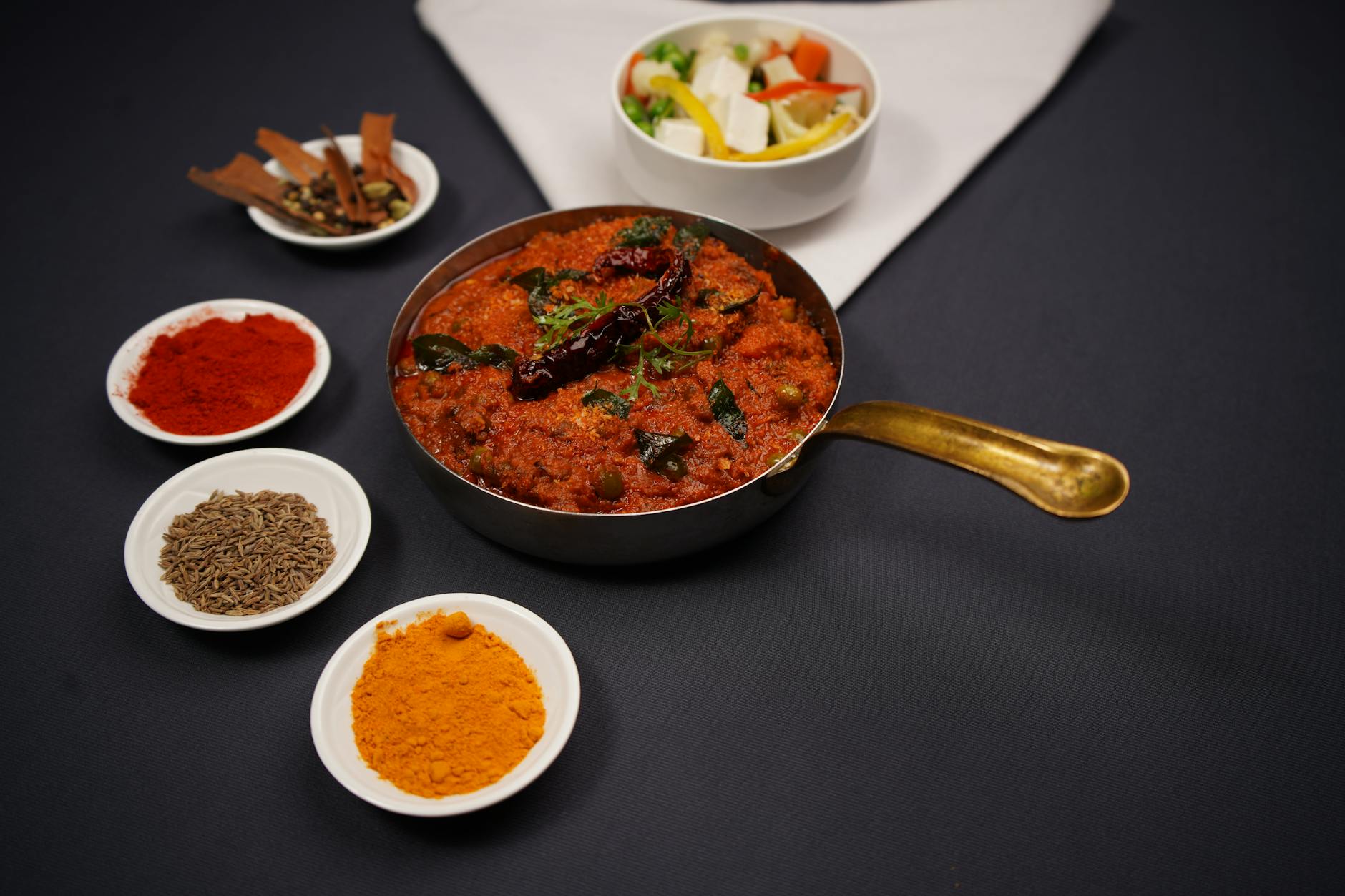
Manchester’s Asian food scene extends far beyond the Curry Mile. Chinatown, centred on Faulkner Street, has a concentration of Cantonese, Szechuan, and pan-Asian restaurants. The Northern Quarter has some excellent Japanese options. And Ancoats is home to several standout Vietnamese and Korean restaurants. The city’s multicultural population ensures that the Asian dining scene is broad, deep, and genuinely authentic.
Brunch and Breakfast
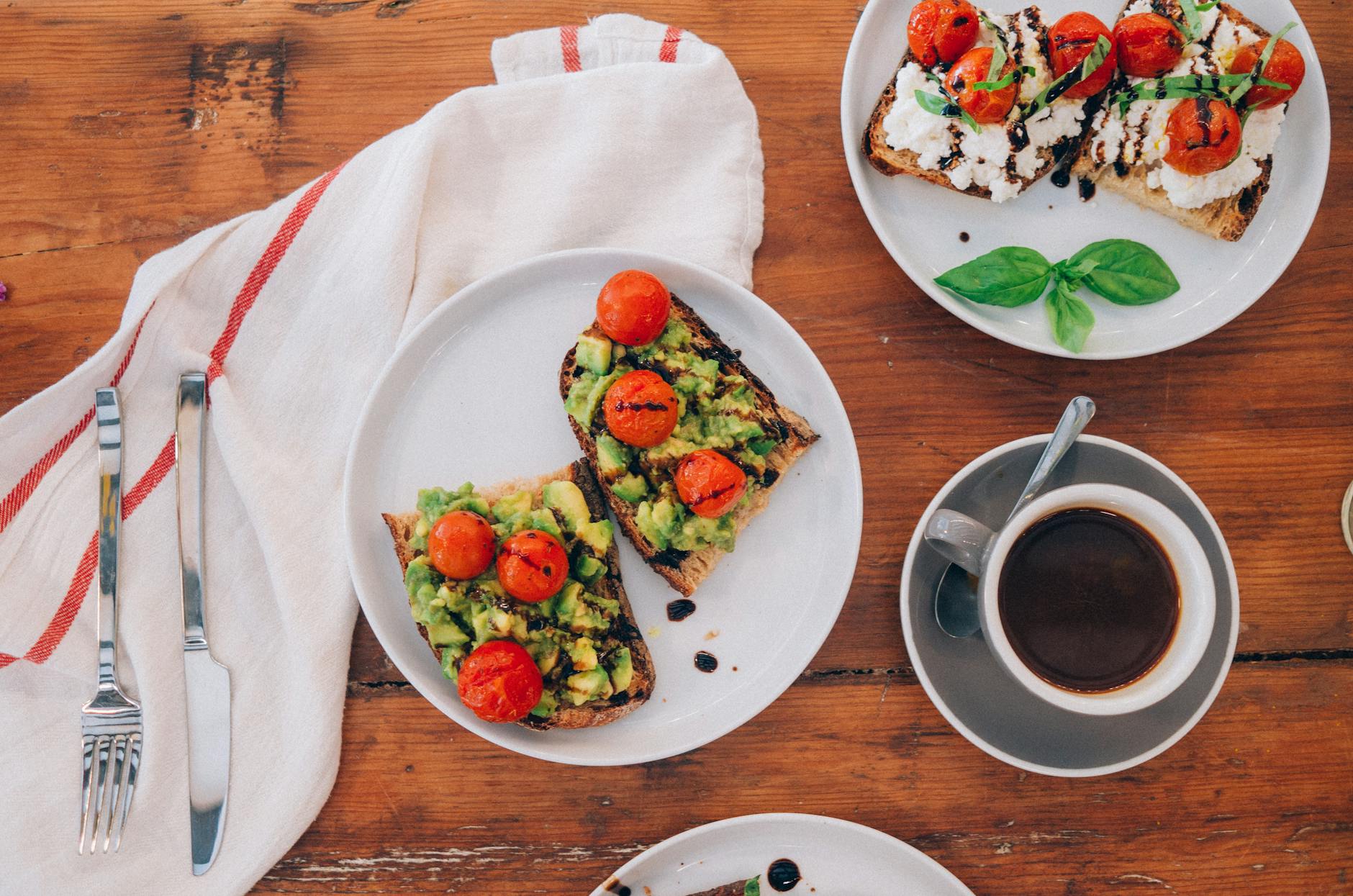
Brunch has become a major part of Manchester’s food culture, and the city now has a brunch scene that rivals London and Melbourne. The best brunch spots combine quality ingredients, creative menus, and the kind of relaxed, all-morning atmosphere that makes a lazy weekend feel like an event.
Federal, in the Northern Quarter, is often credited with starting the trend. This New Zealand-inspired cafe serves excellent flat whites alongside dishes such as corn fritters with smashed avocado, and sweetcorn and chilli jam. Trove in Ancoats is a bakery-cafe that produces some of the best pastries and bread in the city — the cinnamon bun alone justifies a visit. Higher Ground, on Oxford Street, has become one of the most popular brunch destinations in the city centre, offering an Australian-influenced menu in a gorgeous, plant-filled interior.
In south Manchester, Volta on Wilbraham Road in Chorlton is outstanding, with its shakshuka and its serious coffee programme. And The Parlour in Didsbury offers a traditional English breakfast alongside more creative options in a warm, neighbourhood setting. For a full guide to the best brunch and breakfast spots in Manchester, including options for every budget and dietary requirement, see our dedicated article.
Pubs and Gastropubs
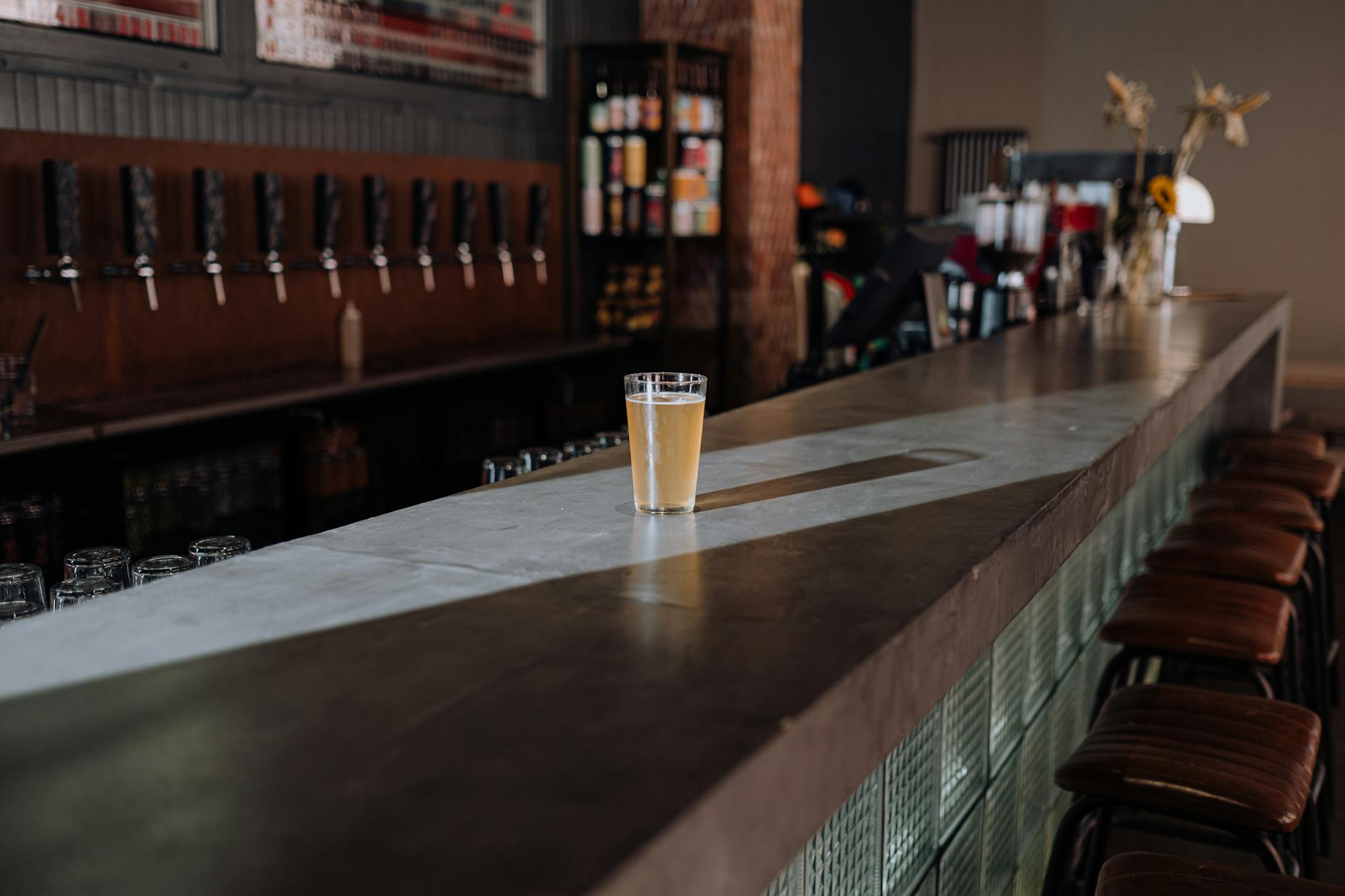
Manchester has one of the best pub cultures in England, and the line between pub and restaurant has become productively blurred in recent years. The city’s best pubs offer not just excellent beer but increasingly impressive food, from classic pie and chips to inventive gastropub menus that would not look out of place in a standalone restaurant.
The Marble Arch on Rochdale Road, just north of the Northern Quarter, is a Manchester institution. The stunning Victorian interior — all mosaic floors and glazed tiles — houses a microbrewery producing some of the best cask ales in the city, and the food menu is a cut above standard pub fare. The Angel in the Northern Quarter is a beautifully restored free house with an ever-rotating selection of cask and craft beers and a menu of elevated pub classics. The Knott Bar, tucked under the railway arches near Deansgate, combines DJs and live music with an excellent beer selection.
For the quintessential British Sunday lunch experience, Manchester delivers superbly. The best Sunday roasts in Manchester include outstanding options at The Metropolitan in West Didsbury, the Parlour in Chorlton, and several city-centre gastropubs. Booking ahead is essential for Sunday lunch at the more popular venues.
Vegan and Vegetarian Dining
Manchester has one of the strongest vegan and vegetarian dining scenes in the UK. The city was an early adopter of plant-based eating, and the range of options extends far beyond dedicated vegan restaurants into mainstream menus across the city.
Bundobust in the city centre combines Indian street food with craft beer to spectacular effect — the vegan okra fries and tarka dhal are legendary. Wholesome Junkies in Ancoats offers plant-based comfort food that converts even committed carnivores. And Allotment, with locations in the city centre, serves a creative vegan menu in stylish surroundings.
Beyond dedicated venues, most of Manchester’s top restaurants now offer comprehensive plant-based options. The city’s food markets are also excellent hunting grounds for vegan street food. Levenshulme Market and the Arndale Market both have multiple vegan traders, and the annual VegFest Manchester attracts thousands of visitors each year.
The Coffee Scene
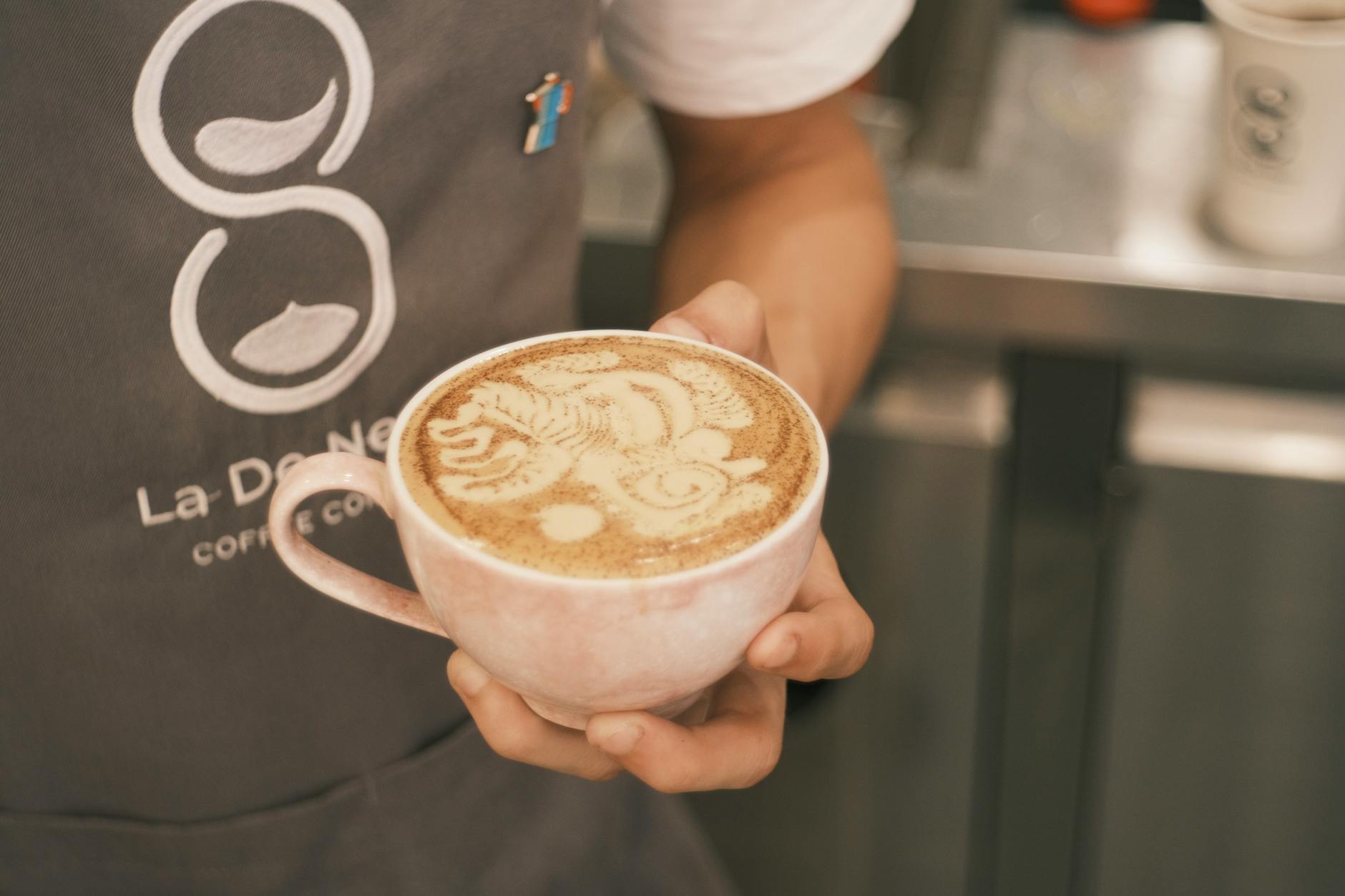
Manchester’s speciality coffee scene is among the strongest in the UK, with a concentration of roasters and cafes that rivals any city outside London. The Northern Quarter is the epicentre, but excellent coffee can now be found in virtually every neighbourhood.
Takk, on Tariff Street in the Northern Quarter, is widely regarded as one of the pioneers. Inspired by Icelandic coffee culture, it serves outstanding single-origin filter coffee in a stripped-back, welcoming space. Pot Kettle Black, with locations in Barton Arcade and the Precinct, offers some of the best espresso-based drinks in the city. And Ancoats Coffee Co, operating from a converted railway arch, roasts its own beans on site and has become one of the most respected micro-roasters in the north.
For those who take their coffee seriously, Manchester also hosts a growing number of speciality roasters including ManCoCo, Atkinsons (from Lancaster, with a Manchester outpost), and Heart and Graft. Many of the city’s best cafes double as brunch destinations, making a Saturday morning coffee and food crawl one of the most enjoyable ways to experience Manchester.
Food Tours and Culinary Experiences
For visitors who want a curated introduction to Manchester’s food scene, a food tour or cooking class is an excellent option. Several operators run walking food tours covering the Northern Quarter, Ancoats, and the Curry Mile, typically lasting three to four hours and including tastings at six to eight venues. These tours are a brilliant way to discover hidden gems and understand the stories behind Manchester’s most celebrated food destinations.
Cooking classes are also increasingly popular. Manchester hosts classes covering everything from bread-making and pasta to Thai curries and Indian street food. The city’s food markets sometimes host special events and supper clubs that offer a more interactive dining experience.
International Cuisine Beyond the Curry Mile
Manchester’s global dining credentials extend far beyond South Asian food. The city’s multicultural population supports authentic restaurants spanning virtually every cuisine you can name, and the best restaurants in Manchester increasingly draw on global influences to create something entirely new.
Italian food runs deep in Manchester. Beyond the Neapolitan pizza phenomenon led by Rudy’s, the city has excellent trattorias and modern Italian restaurants. Sugo on Ancoats’ Great Ancoats Street serves outstanding Sicilian-inspired pasta from a tiny, perpetually packed dining room. Salvi’s on John Dalton Street has been serving authentic Neapolitan food for years, and its deli counter sells imported Italian provisions.
Middle Eastern and North African flavours have become increasingly prominent. Bakchich on Cross Street serves excellent Lebanese food — the shawarma and falafel are outstanding — and the flatbreads are baked fresh throughout the day. The Ottomon on Oxford Road brings Turkish and Middle Eastern cooking to a neighbourhood that has historically been underserved for quality restaurants.
East Asian food in Manchester goes well beyond Chinatown. Yadgar, Wong Wong, and several excellent dim sum restaurants serve the Cantonese community, while Umezushi on Mirabel Street is one of the most acclaimed sushi restaurants in the north of England. Korean food has seen a particular surge, with new openings including Bullgogi, a 165-cover restaurant promising premium cuts cooked at tabletop grills alongside authentic dishes like bibimbap and crispy pancakes.
Craft Beer and the Manchester Drinks Scene
No guide to the best restaurants in Manchester is complete without acknowledging the city’s extraordinary drinks scene, which increasingly overlaps with its food culture. Manchester is one of the UK’s craft beer capitals, home to breweries including Cloudwater, Track, and Marble. Cloudwater’s taproom in Piccadilly operates from a vast industrial space and pairs its world-renowned beers with an excellent food menu. Track Brewing Co in Piccadilly also offers a taproom experience with rotating food vendors.
The city’s cocktail scene is equally impressive. The Speak Easy and Science and Industry on Thomas Street in the Northern Quarter are consistently rated among the best cocktail bars in the north. Atlas Bar on Deansgate offers one of the most extensive gin menus in the country. And for wine lovers, the natural wine bar trend has taken hold across Manchester, with Erst, Flawd, and Reserve all serving exceptional lists alongside food.
Many of Manchester’s best restaurants are also drinks destinations in their own right, blurring the line between restaurant, bar, and taproom in a way that feels distinctly Mancunian. A typical evening out might begin with craft beer at a taproom, move to tapas at a wine bar, and end with cocktails in a hidden speakeasy — all within walking distance.
Manchester’s Food Festivals and Events
Manchester hosts a packed calendar of food and drink events throughout the year, offering visitors additional reasons to plan a food-focused trip. The Manchester Food and Drink Festival, usually held in September and October, is one of the largest food festivals in the UK, with events, pop-ups, and special menus spread across the city over several weeks.
The Manchester Craft Beer Festival, typically held in the summer, brings together dozens of the finest breweries in the country. The Christmas Markets, which run from mid-November to late December, are as much about food as they are about gifts — the German bratwurst, Dutch pancakes, and mulled wine stalls draw enormous crowds. Smaller events including supper clubs, guest chef collaborations, and neighbourhood food festivals run throughout the year, ensuring there is always something new to try.
Practical Tips for Eating in Manchester
A few practical considerations will help you get the most from Manchester’s dining scene. Booking is essential for the city’s most popular restaurants, particularly on Friday and Saturday evenings. For high-demand venues like Mana, Rudy’s (which does not take bookings), and 20 Stories, planning ahead is crucial. Many restaurants now use online booking platforms such as OpenTable or Resy, making it easy to secure a table in advance.
If you are on a budget, the best value in Manchester is found at the food markets and food halls, where you can eat exceptionally well for under £10. Lunch menus at mid-range and high-end restaurants often offer significant savings over dinner. And the Northern Quarter and Ancoats remain excellent hunting grounds for flavourful meals at accessible prices.
Manchester’s restaurants tend to serve dinner from 5pm or 6pm through to 9.30pm or 10pm on weeknights, and until 10.30pm or later on Fridays and Saturdays. Brunch typically runs from 9am to 2pm at weekends. Tipping is customary at sit-down restaurants — around 10 to 12.5 per cent is standard, and many restaurants add an optional service charge. Most venues accept card payments, and contactless is universal.
Eating on a Budget in Manchester
You do not need to spend a fortune to eat brilliantly in Manchester. The city is one of the most affordable dining destinations in the UK for quality food, and with a little knowledge you can eat like a king on a backpacker’s budget. The food halls and markets are the obvious starting point — a main dish at the Arndale Market or Piccadilly Street Food Markets rarely costs more than £8, and the quality often rivals sit-down restaurants charging three times as much.
Lunch menus at mid-range and even high-end restaurants offer exceptional value. Several of Manchester’s Michelin-recommended restaurants serve set lunches for between £20 and £35 — a fraction of their dinner tasting menu prices. This is one of the smartest ways to experience the city’s top kitchens without the price tag. Dim sum at the Chinatown restaurants is another outstanding budget option, particularly during the traditional lunchtime window when trolley service means fast, cheap, and delicious eating.
For cheap eats in Manchester, the Northern Quarter and the Curry Mile are your best allies. A generous curry with rice and naan on the Curry Mile can cost as little as £7. Northern Quarter cafes offer hearty lunches for under £10. And for the ultimate budget meal, Manchester’s chip shops — particularly the traditional ones in the suburbs — serve fish and chips that are as good as you will find anywhere in England. The trick to eating well on a budget in Manchester is the same trick that applies everywhere: eat where the locals eat, not where the tourists queue.
Dietary Requirements and Allergies
Manchester is one of the most accommodating cities in the UK for dietary requirements. Veganism is so well catered for that it barely requires special planning — most restaurants offer extensive plant-based options, and dedicated vegan restaurants are scattered across the city. Gluten-free diners are similarly well served, with many restaurants offering gluten-free bread, pizza bases, and dedicated menus. Halal dining is widely available, particularly along the Curry Mile and in Chinatown, and many mainstream restaurants now carry halal certification or offer halal options on their menus.
If you have serious allergies, most reputable restaurants in Manchester are well trained in allergen management. UK law requires all food businesses to provide allergen information, and the general standard of awareness has improved dramatically in recent years. It is always worth mentioning allergies when booking or on arrival, and staff at Manchester’s better restaurants will handle requests with care and without making you feel like a nuisance.
Where to Eat Near Manchester’s Top Attractions
Visitors often want to combine eating with sightseeing, and Manchester makes this easy. Near the Manchester Art Gallery and the Royal Exchange Theatre, the King Street area has several excellent restaurants including Tast and The Ivy. Near the Science and Industry Museum in Castlefield, the canalside bars and restaurants provide a scenic lunch setting — The Wharf and Dukes 92 are both popular choices. For those visiting the football stadiums, the Ancoats restaurants are a short taxi or tram ride from the Etihad, while Old Trafford is close to the Chester Road dining options and the Stretford food scene.
The John Rylands Library on Deansgate is within walking distance of Spinningfields and its cluster of restaurants. The Northern Quarter’s museums and galleries are surrounded by the neighbourhood’s vibrant cafe and restaurant scene. And visitors heading to Salford Quays for the Lowry or IWM North can combine a museum visit with lunch at one of the waterfront restaurants. Planning meals around your itinerary is one of the smartest ways to experience the best restaurants in Manchester without wasting time or energy on unnecessary travel.
Manchester Food Tours Worth Booking
One of the best ways to discover the best restaurants in Manchester is through a guided food tour. Manchester Food Tours runs regular walking tours through the Northern Quarter and Ancoats, stopping at hidden gems that most visitors would never find on their own. Their signature tour covers six tastings across two hours, weaving through backstreet bakeries, independent delis, and family-run restaurants that have been serving the local community for decades. The guides are passionate locals who share stories about the city’s culinary evolution alongside each tasting.
For a more hands-on experience, several cooking schools across Manchester offer classes that let you recreate the city’s signature dishes at home. The Manchester Cookery School in the city centre runs everything from beginner pasta-making workshops to advanced multicultural cuisine masterclasses. Food Sorcery in Didsbury specialises in seasonal British cooking with ingredients sourced from local suppliers. These classes make excellent gifts and provide a deeper understanding of the flavours that define Manchester’s food scene. Whether you prefer to eat your way through the city or learn to cook its specialities, Manchester rewards the curious diner with unforgettable experiences at every turn.
Manchester: A City That Eats Brilliantly
The best restaurants in Manchester are not defined by any single cuisine, price point, or neighbourhood. What makes this city’s food scene exceptional is its range and its relentless energy — new openings, new concepts, and new flavours appear with a frequency that keeps even locals constantly discovering something fresh. From a two-Michelin-star city to a street food capital, from the Curry Mile to the coffee quarter, Manchester eats brilliantly.
This guide has covered the essential territory, but Manchester’s dining scene rewards spontaneity and curiosity. Follow the queue outside an unknown restaurant. Ask a local for their favourite chippy. Try the dish you cannot pronounce. Manchester’s food story is still being written, and every meal is a chance to be part of it.
For a slower, sweeter version of eating out here, our guide to afternoon tea in Manchester compares twenty venues from a £15 Northern Quarter tea room to the Midland’s grand dining room.
A large slice of the city’s best eating is certified, and our guide to halal restaurants in Manchester covers it properly — the fully halal kitchens, the steakhouses, and which famous names are only halal-friendly.