This article contains advertising. Our booking links are routed through a partner that adds commission tracking automatically, so if you book through one we earn a commission from the provider, at no extra cost to you. It never affects what we recommend. Affiliate disclosure
Manchester Airport lounges changed considerably in 2026, and a great deal of the advice still circulating is out of date — one of the most-recommended lounges closed in June, a new premium tier opened in July, and the private terminal has been rebranded entirely. This guide covers what is actually open, what each one costs, what you get for the money, and the question most guides dodge: whether paying for a lounge at Manchester is worth it at all.
The short answer, up front. For a three-hour wait before a long-haul departure, or an evening flight that has already slipped an hour, a lounge is a reasonable £24 to £45. For a 45-minute dash to the gate it is money burnt. And since Terminal 2’s food offering was rebuilt in early 2026, the old argument that the lounge is where the decent food is no longer holds.
What Is Actually Open in 2026
Two changes matter, and both catch people out.
- The 1903 Lounge closed on 30 June 2026. It was Manchester’s premium lounge for years and it is still recommended all over the internet, including by sites that update their pages. It is gone.
- The Executive by Escape Lounges opened in July 2026 in Terminal 2, taking the premium slot the 1903 vacated.
- PremiAir is now called aether. The private terminal has been rebranded, repriced and repositioned. Anything quoting PremiAir prices is describing a product that no longer exists under that name.
The current line-up, all in Terminal 2 except where noted:
| Lounge | Terminal | Price | Tier |
|---|---|---|---|
| Aspire | T2 | ~£24 | Value |
| Escape Lounge | T2 and T3 | ~£42 advance, ~£55 walk-in | Standard |
| The Executive by Escape Lounges | T2 | ~£58–£64 | Premium |
| aether (private terminal) | Separate | from ~£199 | A different product entirely |
Aspire — The Value Option
At around £24, Aspire is the cheapest way to sit somewhere that is not a gate seat. You get a seat, a bar, a buffet, Wi-Fi, newspapers and power sockets, which is the standard specification for this tier across every UK airport.
What you should expect: it is busy. Value lounges at a 32-million-passenger airport fill up, particularly in the 05:00 to 08:00 window and through school holidays, and there are mornings when Aspire operates a waiting list. Booking ahead is not optional if you actually need the seat.
The verdict: at £24 it is genuinely good value and it is the one to book if the point is simply somewhere quieter to sit with a drink. If the point is comfort and space, this is not the tier that delivers it at the busy times.
A useful way to think about the value tier: £24 is roughly the price of two drinks and a sandwich bought separately airside. If you were going to spend that anyway, the lounge is close to free and you get the seat thrown in. If you were not — if you would otherwise have had a coffee and read your book at the gate — then you are paying £24 for a chair, and that is a different proposition entirely.
Escape Lounge — The Standard Choice
Escape is the default at Manchester and the only brand with a presence in both terminals, which matters if you are flying Ryanair from T3 and would otherwise have nothing at all.
Around £42 booked in advance and roughly £55 walking up — a £13 gap that is entirely avoidable and one of the easiest savings at this airport. The offering is a step up from Aspire: a larger space, a better food selection, a proper bar with included drinks, and staff who manage the room rather than just the door.
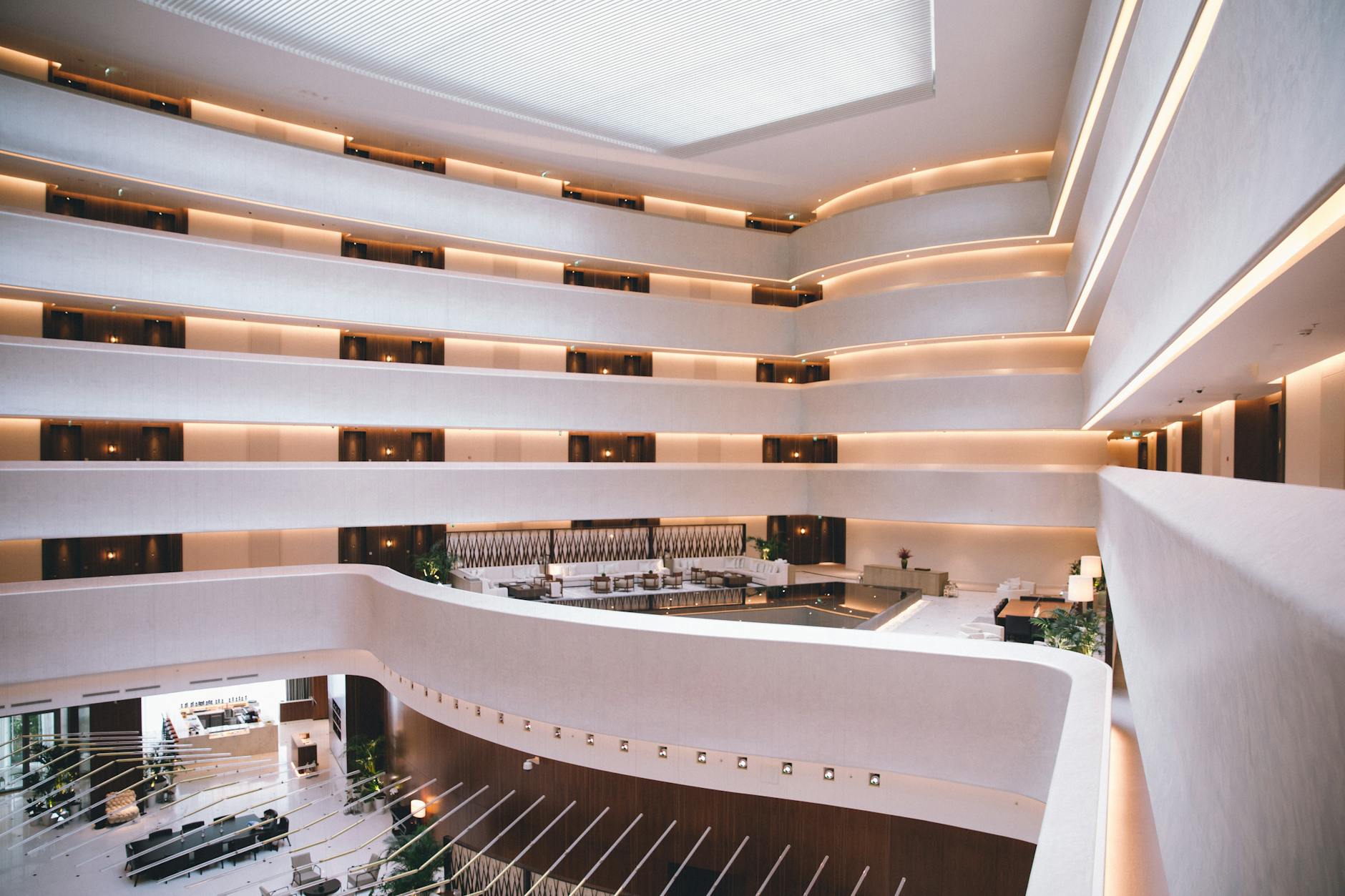
The verdict: the sensible middle. Book ahead, never walk up, and treat it as worth it when you have two hours or more to fill. The T3 branch is more valuable than the T2 one in relative terms, because Terminal 3’s landside and airside offering is thinner and there is genuinely less to do.
The Executive by Escape Lounges — The Premium Tier
Opened in July 2026 to replace the 1903, at roughly £58 to £64. The premium tier at any airport is selling space per person rather than more food: fewer seats, more room between them, table service in place of a buffet queue, a better drinks list, and a quieter room.
Because it is new, published reviews are thin and largely reflect the opening weeks. Treat any strong opinion about it — including a strong positive one — with some caution for now, and check recent feedback rather than a launch write-up.
The verdict: the price gap over Escape is about £18. For a couple that is £36, which is a decent meal in Terminal 2’s food hall. The case for it is a long-haul departure where you want three hours of genuine quiet, or a delayed flight where the difference between a crowded lounge and a calm one is worth real money. For a two-hour European hop, no.
aether — The Private Terminal
This is not a lounge and should not be compared to one. aether — formerly PremiAir — is a separate private terminal, independent of Terminals 2 and 3, where you check in privately, clear your own security, wait in a private suite and are driven across the apron to your aircraft. You do not enter the main terminal at any point.
Pre-booking starts at around £199 per person for the Inclusive experience, in two variants: Cabin, for passengers travelling with hand baggage only, and Checked, for those with hold luggage. Dining is included, with a choice of the aether menu or a signature menu by Adam Reid.
One important restriction: cabin-baggage-only passengers can use aether with any airline, but checked baggage requires a partner carrier — British Airways, Emirates and Virgin Atlantic among them. If you are flying with hold luggage on an airline outside that list, this is not available to you regardless of what you are willing to pay.
The experience is closer to private aviation than to a lounge: a separate entrance and car park, your own check-in desk with no queue, your own security screening, a private suite rather than a shared room, and a car across the apron to the aircraft steps or door. You never see a departure board, a duty-free hall or another passenger you did not arrive with. For anyone travelling with a nervous flyer, a public figure, or simply an aversion to crowds, that is the entire product and it is delivered properly.
The verdict: £199 a head is a great deal of money and it buys something genuinely different rather than a nicer waiting room — no queues, no crowds, no concourse, and roughly forty-five minutes from arriving to being on the aircraft. Whether that is worth eight times the price of an Escape Lounge is a question only you can answer. It is a legitimate product and it does what it says; it is simply not in the same conversation as a £24 buffet.
What Manchester’s Lounges Do Not Have

It is worth calibrating expectations, particularly if your reference point is Heathrow Terminal 5, Schiphol or a Gulf hub. Manchester is the UK’s third-busiest airport but it is not a major connecting hub, and the lounge product reflects that.
- No airline flagship lounges to speak of. The lounges here are independent, pay-to-enter operations rather than carrier-branded flagships with à la carte dining and a champagne bar.
- Limited shower facilities. Do not plan a long connection around a shower without confirming first.
- Buffet rather than table service, except at the premium tier.
- No dedicated quiet zones or sleep pods in the way larger hubs provide them.
- Capacity constraints at peak. This is the real difference. A hub lounge absorbs a busy morning; a regional one fills, and once it is full, it is full — including for members.
None of that makes them bad. It makes them what they are: a comfortable, well-run place to sit for a couple of hours, priced accordingly. The mistake is paying premium-tier money expecting a hub experience.
Arrivals, and the Other Way Round
Manchester does not have an arrivals lounge in the way some airports do, so if you land after an overnight flight and need somewhere to clean up before a meeting, the practical options are an airport hotel day room — there are six hotels on site, one connected by a Skylink bridge — or the facilities at Piccadilly once you reach the city.
On the way in, the thing worth buying is not a lounge at all: passport control Fast Track costs around £15 and is genuinely useful if you are not eGate-eligible and land alongside three wide-bodies. For most passengers with an eligible passport, passport control is under fifteen minutes anyway, and the real wait is the twenty to forty minutes for bags after the aircraft reaches the stand — which no product can shorten.
Our arrivals guide covers what happens stage by stage between the aircraft door and the exit.
How to Get Lounge Access Without Paying Cash

- Priority Pass and LoungeKey are accepted at the Manchester lounges, subject to capacity. The capacity caveat matters: on a busy morning, membership does not guarantee entry.
- Premium bank accounts and credit cards frequently include one of the above. A surprising number of people pay at the door for a lounge their card would have covered.
- Business and first class tickets on the long-haul carriers usually include lounge access — check your booking before buying anything.
- Airline status at Silver level or above on most alliance schemes includes lounge entry, sometimes with a guest.
- Book direct and early. The airport’s own site and the lounge operators both discount advance bookings; walking up is always the most expensive way in.
Is a Lounge Worth It at Manchester?
Here is the honest position, and it has genuinely shifted in the last year.
The traditional case for an airport lounge rests on three things: better food, a quieter place to sit, and free drinks. At Manchester Terminal 2, the first of those has largely collapsed. The Great Northern Market opened in early 2026 with six kitchens and 470 seats, alongside San Carlo, Wagamama, the Amber Alehouse and the rest. That is a better meal than any Manchester lounge buffet, for less than the lounge entry fee, cooked to order.
So what remains is the seat and the quiet — and those are worth paying for in specific circumstances:
| Your situation | Worth it? |
|---|---|
| 3+ hours before a long-haul flight | Yes — Escape or The Executive |
| Delayed evening flight, no end in sight | Yes — the best £42 of the trip |
| Early morning, need somewhere to sit quietly | Yes — Aspire, booked ahead |
| Travelling with young children | Often yes — contained space, food on tap |
| Working before a flight | Yes — power, Wi-Fi and a table |
| Two hours before a short-haul flight | Marginal — eat in the food hall instead |
| Under 90 minutes to the gate | No. Money burnt. |
| Flying from T3 with time to kill | Yes — there is genuinely less to do there |
The one rule that holds in every case: work out how long you will actually be inside. A lounge you use for fifty minutes is a £50-an-hour armchair, and nobody books it thinking of it that way.
Do the arithmetic properly
The calculation people run in their heads is “lounge entry versus what I would have spent on food and drink”. The calculation that matters is that, minus the time you will not be in the lounge.
Take a typical short-haul departure. You arrive two hours before, spend twenty-five minutes at bag drop and security, and need to leave for the gate thirty minutes before departure because some Terminal 2 piers are a fifteen-minute walk. That leaves roughly sixty-five minutes in the lounge. At £42, that is £39 an hour for a chair, a buffet plate and two drinks — against maybe £18 for the same food and drink bought in the food hall, at a table, cooked to order.
Now take a long-haul departure. You arrive three hours before, lose thirty-five minutes to check-in and security, and leave forty minutes before departure. That is an hour and three-quarters inside — and the same £42 becomes £24 an hour, in a quiet room, with power, before a nine-hour flight. Same lounge, same price, entirely different value.
This is why blanket advice about airport lounges is useless. The product does not change; the length of your wait does.
What to Expect Inside

- Time limits. Most lounges cap stays at three hours. Beyond that you may be asked to pay again or leave.
- Alcohol limits. Included drinks are not unlimited in practice; premium spirits and champagne are usually charged, and staff will stop serving.
- Children. Admitted, usually at a reduced rate, but some premium lounges set minimum ages. Check before booking a family in.
- Dress code. None to speak of, beyond not being visibly drunk.
- Boarding announcements. Not all lounges make them. Watch the screens and leave in good time — some Terminal 2 gates are a fifteen-minute walk away.
- Showers are limited at Manchester compared with major hub airports. Do not assume one is available.
- Wi-Fi and power are the reliable part, and the main reason a lounge beats a gate seat for anyone working.
The Alternatives
If you decide against a lounge, the money is often better spent elsewhere in the airport.
- Security Fast Track, from £5.49 in advance. Pound for pound the best purchase at this airport, and it saves time rather than filling it.
- A proper meal in the Great Northern Market. Six kitchens, 470 seats, downstairs in the T2 departure lounge opposite Joe & The Juice.
- San Carlo or Wagamama for a sit-down meal with table service — often cheaper than a lounge and considerably better.
- The Amber Alehouse or the Fever-Tree bar if the point is simply a drink somewhere pleasant.
- An airport hotel day room on a long connection — six hotels on site, one connected to the Skylink by bridge.
Everything open airside and landside, with prices, is in our airport food, bars and shopping guide.
And our security and Fast Track guide covers the purchase that usually beats a lounge on value.
Getting There in Time to Use One
A lounge only pays if you are through security with time in hand, so the arrival plan matters. Arrive three hours before a long-haul departure and two before short-haul, adding 20–30 minutes if you are parking in long stay and taking a shuttle, and more in the 04:30–06:30 peak.
Getting to the airport itself: the train from Piccadilly takes 17–25 minutes at £5.50–£6.50, the tram takes an hour at £4.60, and the 43 bus runs 24 hours for £2.00. From the station it is a ten to fifteen minute walk along the Skylink to either terminal. Our airport to city centre guide compares every route, and the parking guide covers driving.
Frequently Asked Questions
What lounges are at Manchester Airport?
Aspire (T2, ~£24), Escape Lounge (T2 and T3, ~£42 advance), and The Executive by Escape Lounges (T2, ~£58–£64). aether is a separate private terminal rather than a lounge, from around £199 per person.
Is the 1903 Lounge still open?
No. It closed on 30 June 2026 and was replaced by The Executive by Escape Lounges, which opened the following month. A lot of published advice has not caught up.
What happened to PremiAir?
It was rebranded aether. It is still a private terminal separate from T2 and T3, but the pricing and packages changed — pre-booking now starts at around £199 per person. Older quoted prices are not current.
Is a lounge at Manchester Airport worth it?
For three hours or more before a long-haul flight, a delay, an early start, or if you need to work — yes. For under 90 minutes before a short-haul flight — no. Since Terminal 2’s food hall opened in 2026, the food argument for a lounge is much weaker than it was.
Can I use Priority Pass at Manchester Airport?
Yes, at the Manchester lounges, subject to capacity. On busy mornings that caveat bites, so arrive early or book a paid slot as a fallback.
Is there a lounge in Terminal 3?
Yes — the Escape Lounge operates in both T2 and T3. Given that Terminal 3’s food and retail offering is thinner, it arguably delivers more value there.
Do I need to book in advance?
Yes. Advance booking is roughly £13 cheaper than walking up at Escape, and on busy mornings the lounges reach capacity and refuse entry, including to Priority Pass holders.
How long can I stay in a lounge?
Usually three hours. Beyond that you may be asked to pay again, which is worth knowing if you are sitting out a long delay.
Planning the Rest of Your Trip
- Manchester Airport Guide — terminals, transfers and everything else.
- Terminal 2 Guide — where all three lounges are, and what else is nearby.
- Airport Parking Guide — every car park compared.
- Airport to City Centre — trains, trams, buses and taxis.
- Hotels Near Manchester Airport — for an early departure.
- Transport Passes & Tickets — the contactless caps.
- Manchester Travel Tips — practical things worth knowing.
- What to Pack for Manchester — and what not to put in your hand luggage.
Getting airside sooner is the other half of the equation — our guide to airport security and Fast Track explains when paying to skip the queue is worth it and when it is not.