This article contains advertising. Our booking links are routed through a partner that adds commission tracking automatically, so if you book through one we earn a commission from the provider, at no extra cost to you. It never affects what we recommend. Affiliate disclosure
Manchester’s history stretches back nearly two thousand years, from a Roman frontier fort on the banks of the River Medlock to the powerhouse of the Industrial Revolution that changed the world. Today, Manchester history and heritage is woven into every street, building, and museum across the city — and exploring it is one of the most rewarding things you can do when visiting. Whether you’re fascinated by Roman archaeology, medieval architecture, Victorian grandeur, or the radical social movements that shaped modern democracy, Manchester delivers.
What makes Manchester history and heritage so compelling is its sheer range. This is a city where you can stand on the foundations of a Roman fort in the morning, explore a medieval cathedral at lunchtime, and walk through the world’s first passenger railway station by afternoon. The story of Manchester is the story of human progress — from conquest and trade to industry, innovation, and the fight for workers’ rights. And remarkably, much of that story is told through free museums and well-preserved heritage sites.
In this comprehensive guide to Manchester history and heritage, we’ll take you through the city’s story chronologically — from its Roman origins through the medieval period, the Industrial Revolution, the Victorian era, and into the modern age. Along the way, we’ll highlight the best heritage sites to visit, the museums that bring the past to life, and the walking tours that connect it all. This is Manchester’s story, told through the places you can still see today.
Roman Manchester: Where the City Began
Manchester history and heritage begins with the Romans. Around 79 AD, the Roman general Gnaeus Julius Agricola established a fort called Mamucium on a sandstone bluff overlooking the confluence of the Rivers Irwell and Medlock. The fort was part of a network of military installations designed to control northern Britannia, positioned on the road between the legionary fortresses at Chester (Deva) and York (Eboracum).
Mamucium — from which Manchester eventually derived its name — was a substantial timber and earth fort, later rebuilt in stone. A civilian settlement (vicus) grew up around it, with evidence of metalworking, pottery production, and trade. The fort was occupied for over three centuries, through the entire period of Roman rule in Britain. When the Romans withdrew in the early fifth century, the settlement declined but was never entirely abandoned.
Visiting Castlefield Roman Fort Today
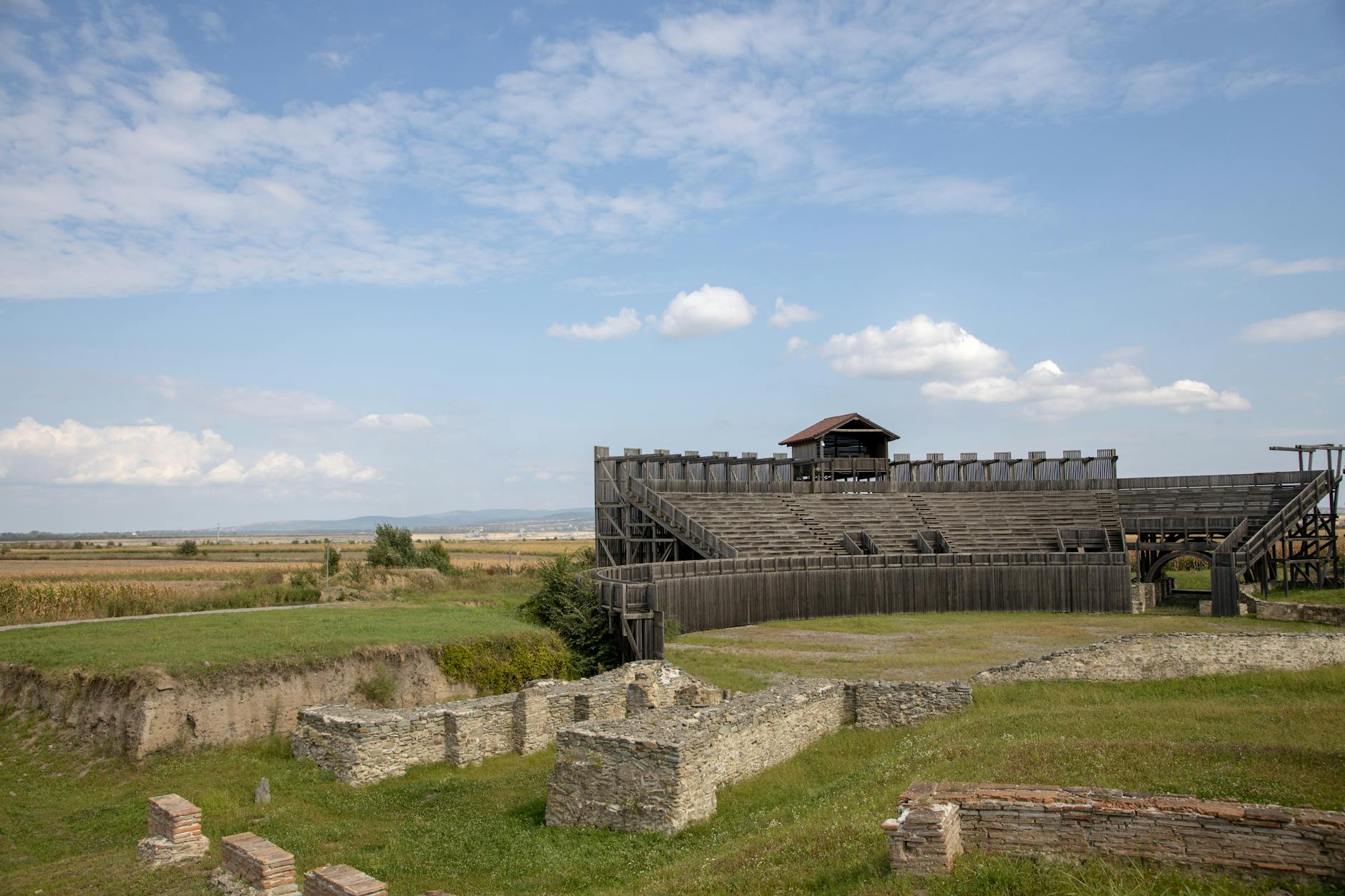
The reconstructed remains of Mamucium sit within Castlefield Urban Heritage Park, a short walk from Deansgate. Visitors can walk along the reconstructed ramparts and see the outline of the fort’s double-ditch defences. Interpretation panels explain the fort’s layout and daily life in Roman Manchester. The site is free to visit and open year-round — it’s a peaceful spot that feels remarkably removed from the modern city surrounding it.
Archaeological excavations at Mamucium have revealed fascinating details about daily life in Roman Manchester. Soldiers stationed here came from across the Roman Empire — inscriptions suggest troops from modern-day Spain and the Balkans served at the fort. The civilian settlement that grew around the walls included workshops, taverns, and a bathhouse. Pottery fragments and metalwork found at the site show that Manchester was connected to trade networks stretching across the Roman world, importing olive oil, wine, and fine tableware from the Mediterranean.
The fort was strategically important because it sat at the junction of two Roman roads — one running north to Ribchester and another east to York. This crossroads function foreshadowed Manchester’s later role as a transport hub during the canal and railway ages. The Roman legacy is subtle but fundamental to Manchester history and heritage — without Mamucium, there would be no Manchester.
The finds from Mamucium — pottery, coins, tools, and personal items — are displayed at the Manchester Museum on Oxford Road. Together, the fort site and museum collection paint a vivid picture of Manchester history and heritage at its earliest point. Castlefield itself is worth exploring beyond the fort — the area’s canal basins, railway viaducts, and converted warehouses layer centuries of Manchester history into a single neighbourhood.Medieval Manchester: Cathedral, Chetham’s, and the Old Town
After the Roman withdrawal, Manchester history enters a quieter period. The settlement survived through the Anglo-Saxon era — the name ‘Manchester’ appears in Anglo-Saxon chronicles — and by the medieval period it had grown into a market town centred on the River Irwell. The construction of a collegiate church in the early fifteenth century marked Manchester’s emergence as a significant regional centre.
Manchester Cathedral
Manchester Cathedral is the city’s most important medieval building. Founded as a collegiate church in 1421 by Thomas de la Warre, it was elevated to cathedral status in 1847. The building is a fine example of Perpendicular Gothic architecture, featuring some of the widest medieval naves in England. Inside, the carved wooden choir stalls are outstanding — dating from around 1506, they feature elaborate misericords depicting scenes from everyday life, mythology, and scripture.
The cathedral’s ‘Minstrel Angels’ — carved figures playing medieval instruments, commissioned by Margaret Beaufort (mother of Henry VII) — are among the finest medieval sculptures in northern England. The building suffered significant bomb damage during the Manchester Blitz of 1940, and again during the 1996 IRA bombing, but has been sensitively restored each time. Guided tours run Monday to Saturday, and evensong in the medieval quire is a moving experience. Entry is free, making it one of the most accessible examples of Manchester history and heritage.
Chetham’s Library and School
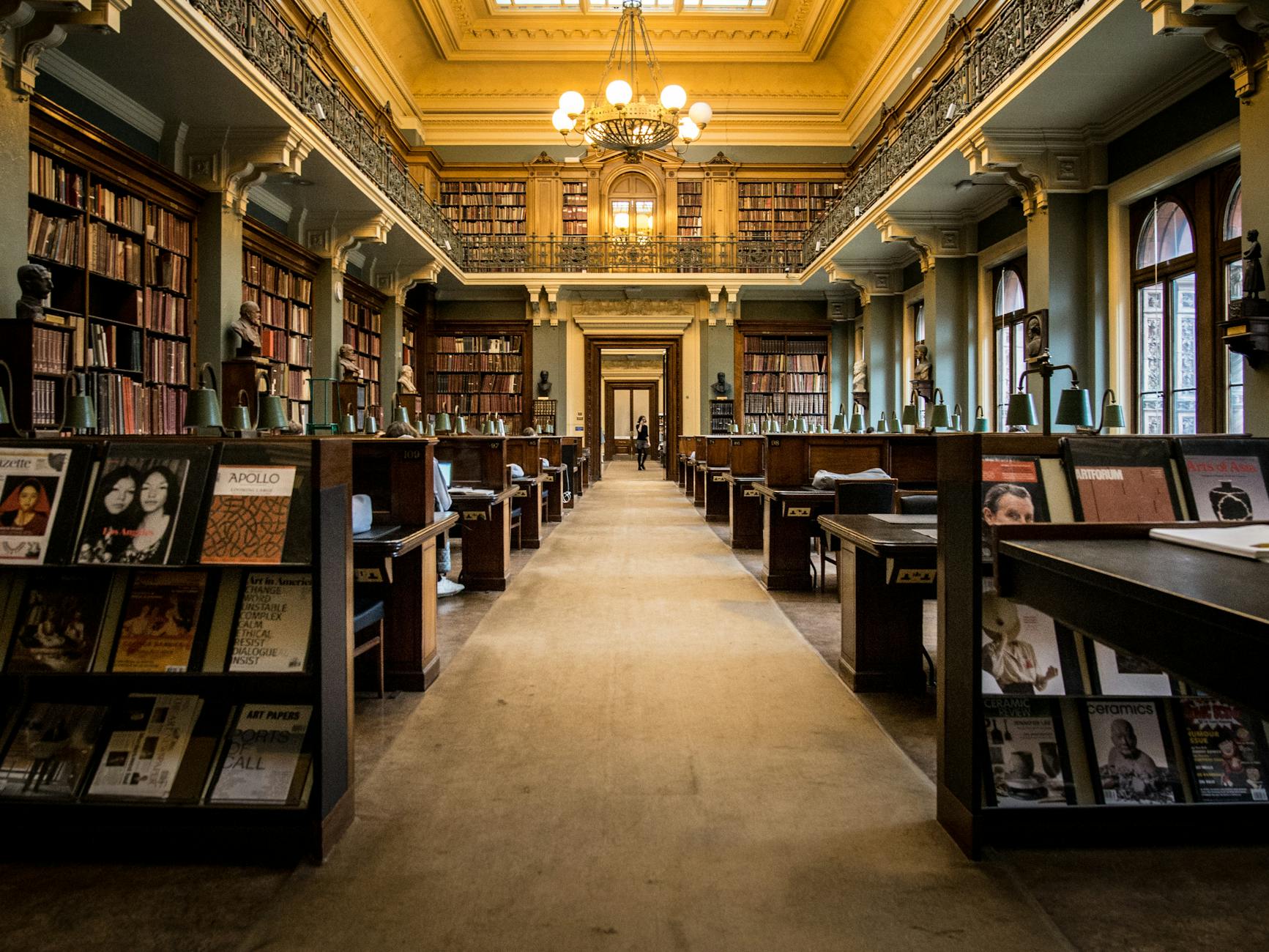
Immediately adjacent to the cathedral, Chetham’s Library is the oldest public library in the English-speaking world, founded in 1653. The building itself is far older — the sandstone complex dates from 1421 and originally served as the residence of the collegiate church’s priests. The library’s reading room has barely changed in centuries, with chained books, original oak furnishings, and an atmosphere of profound scholarship.
This is also where Karl Marx and Friedrich Engels met and worked during the 1840s, studying the conditions of the working class in Manchester. Their regular table in the library’s bay window is still there. For anyone interested in Manchester history and heritage — particularly the city’s radical political tradition — Chetham’s Library is an essential visit. Guided tours are available by arrangement, and entry is free.
The Medieval Quarter
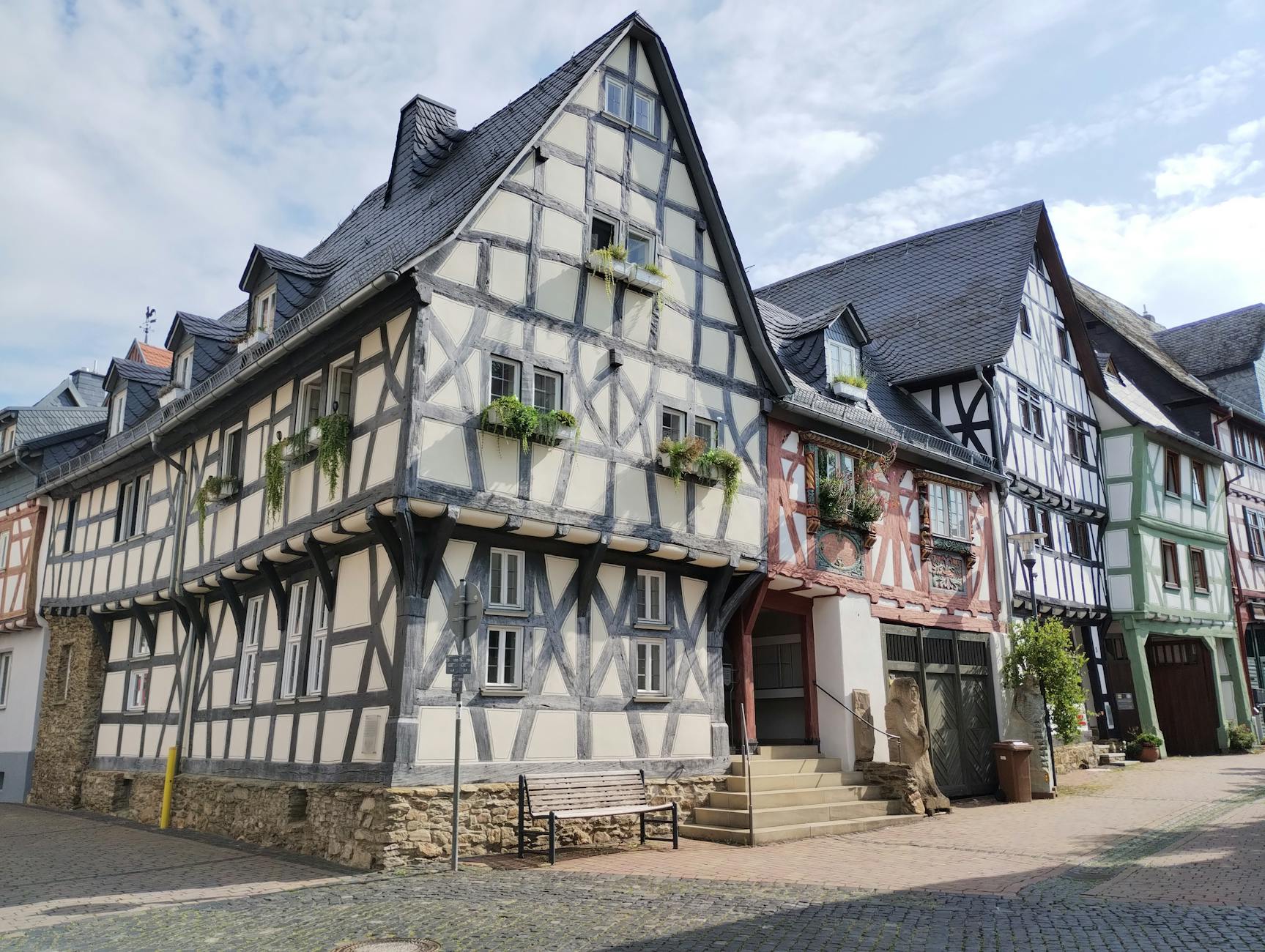
The area around the cathedral forms Manchester’s Medieval Quarter, preserving the city’s oldest surviving structures. The Shambles — a pair of timber-framed buildings originally from the fifteenth century — were moved to their current position near Exchange Square after the 1996 bombing and now house a pub called Sinclair’s Oyster Bar and The Old Wellington Inn. Nearby, the Hanging Bridge (visible within the Cathedral Visitor Centre) is one of the oldest surviving structures in Manchester, dating from around 1421.
Ordsall Hall
Just across the River Irwell in Salford, Ordsall Hall is a stunning Tudor manor house dating from the fifteenth century. The Great Hall, with its magnificent star-shaped timber ceiling, is one of the finest examples of medieval domestic architecture in the North West. The hall has connections to Guy Fawkes (who allegedly met his fellow conspirators here before the Gunpowder Plot) and has served variously as a manor house, clergy residence, and working men’s club before being restored as a heritage museum. Entry is free, and the hall hosts regular events including historical re-enactments and craft workshops.
The Industrial Revolution: Manchester’s World-Changing Era
No account of Manchester history and heritage can understate the Industrial Revolution. Between roughly 1760 and 1840, Manchester transformed from a modest market town into the world’s first industrial city — a transformation so dramatic that it reshaped human civilisation. Manchester became ‘Cottonopolis,’ the global centre of cotton textile manufacturing, and the innovations developed here spread across the world.
Why Manchester?
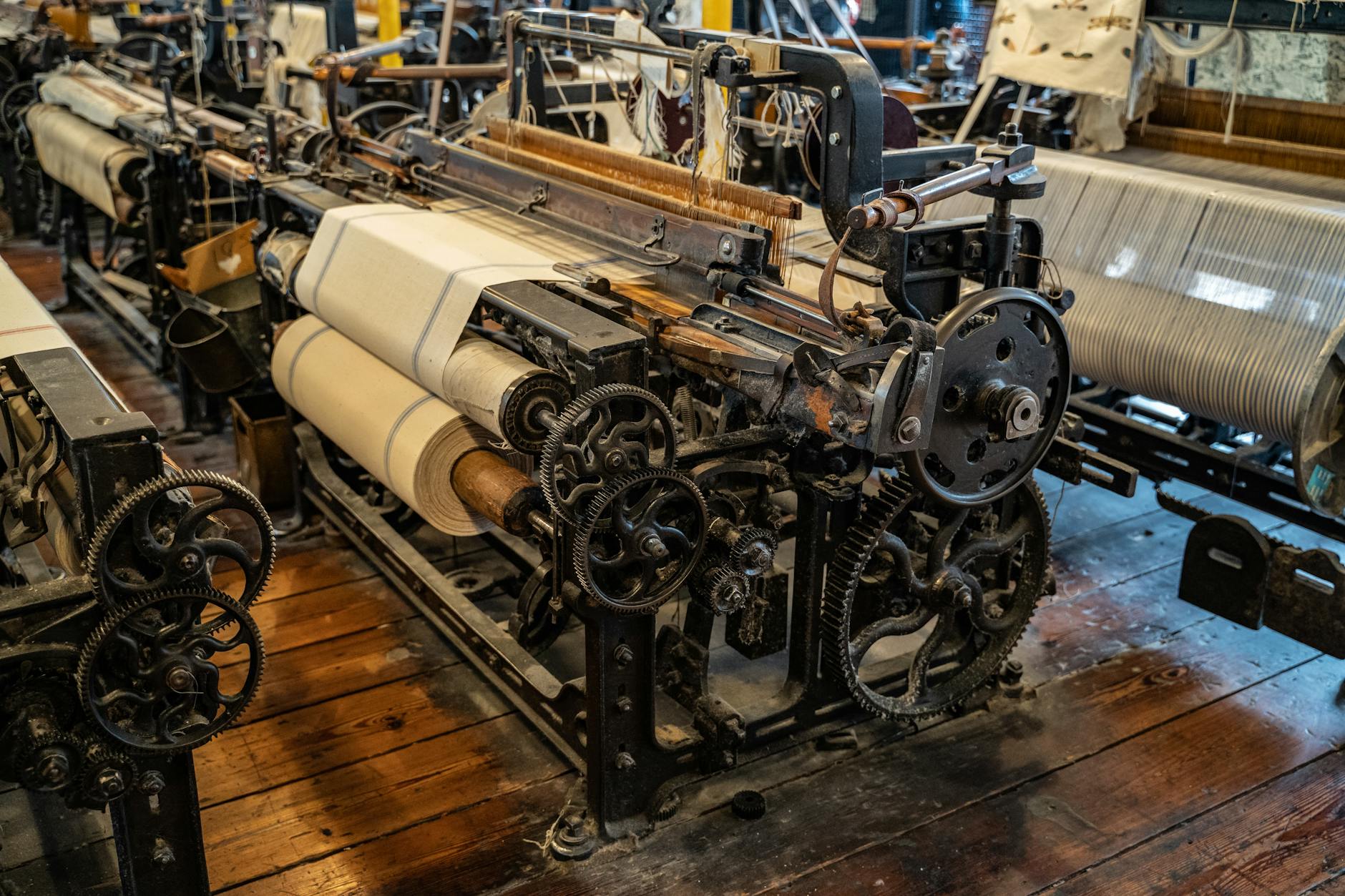
Manchester’s rise was driven by a combination of factors: the damp Lancashire climate was ideal for cotton spinning (preventing thread from snapping), the surrounding coalfields provided energy, the rivers offered water power, and the Liverpool port gave access to raw materials from America. When James Watt’s steam engine was applied to textile machinery, Manchester exploded. By 1830, there were over 100 cotton mills in the city, and Manchester was producing more cotton cloth than the rest of the world combined.
The Science and Industry Museum
The Science and Industry Museum is the essential destination for understanding Manchester’s industrial heritage. Located on the site of the world’s oldest surviving passenger railway station (Liverpool Road Station, opened in 1830), the museum tells the story of Manchester’s role in transforming industry, science, and society. The Power Hall houses working steam engines, textile machinery, and vintage vehicles. The Revolution Manchester gallery traces the city’s journey from agricultural settlement to industrial powerhouse.
The museum regularly runs live demonstrations of working textile machinery and steam engines, bringing Manchester history and heritage viscerally to life. Special exhibitions rotate throughout the year, and the museum hosts events during school holidays. Entry is free, and you could easily spend half a day here. For understanding how Manchester changed the world, there is no better place to start.
Ancoats: The World’s First Industrial Suburb
The Ancoats district, just east of the city centre, was once known as ‘the workshop of the world.’ In the early nineteenth century, it was the most industrialised square mile on earth, packed with cotton mills, engineering works, and the crowded tenements that housed the workers. Murrays’ Mills — the world’s oldest surviving steam-powered cotton mill complex — still stands on Redhill Street, now converted into apartments.
Today, Ancoats has been transformed into one of Manchester’s trendiest neighbourhoods, but the industrial architecture remains. Walking through Ancoats is a lesson in Manchester history and heritage — the massive brick mills, the grid-pattern streets designed for cart access, and the scale of the buildings all speak to the astonishing productivity (and human cost) of the Industrial Revolution. A self-guided walk through Ancoats is one of the best free heritage experiences in Manchester.
The Bridgewater Canal
The Bridgewater Canal, opened in 1761, is often called the first true canal of the Industrial Revolution. Commissioned by the Duke of Bridgewater to transport coal from his mines at Worsley to Manchester, it halved the price of coal in the city and proved that canal transport was commercially viable. The canal’s success triggered ‘canal mania’ across Britain, creating the transport network that enabled industrialisation.
You can walk along the Bridgewater Canal towpath from Castlefield westward, passing Victorian warehouses and under railway viaducts. The canal basin at Castlefield — where the Bridgewater meets the Rochdale Canal — is a particularly atmospheric spot, surrounded by converted warehouses now housing bars and restaurants. It’s Manchester history and heritage that you can literally walk alongside.
The Manchester Ship Canal
The Manchester Ship Canal, completed in 1894, was one of the greatest engineering achievements of the Victorian age. At 36 miles long, it turned landlocked Manchester into one of the busiest ports in Britain, allowing ocean-going ships to sail directly to the city centre. The canal was built to bypass Liverpool’s port charges, which Manchester’s industrialists resented. Over 16,000 navvies worked on its construction, and the project cost the equivalent of over one billion pounds in today’s money.
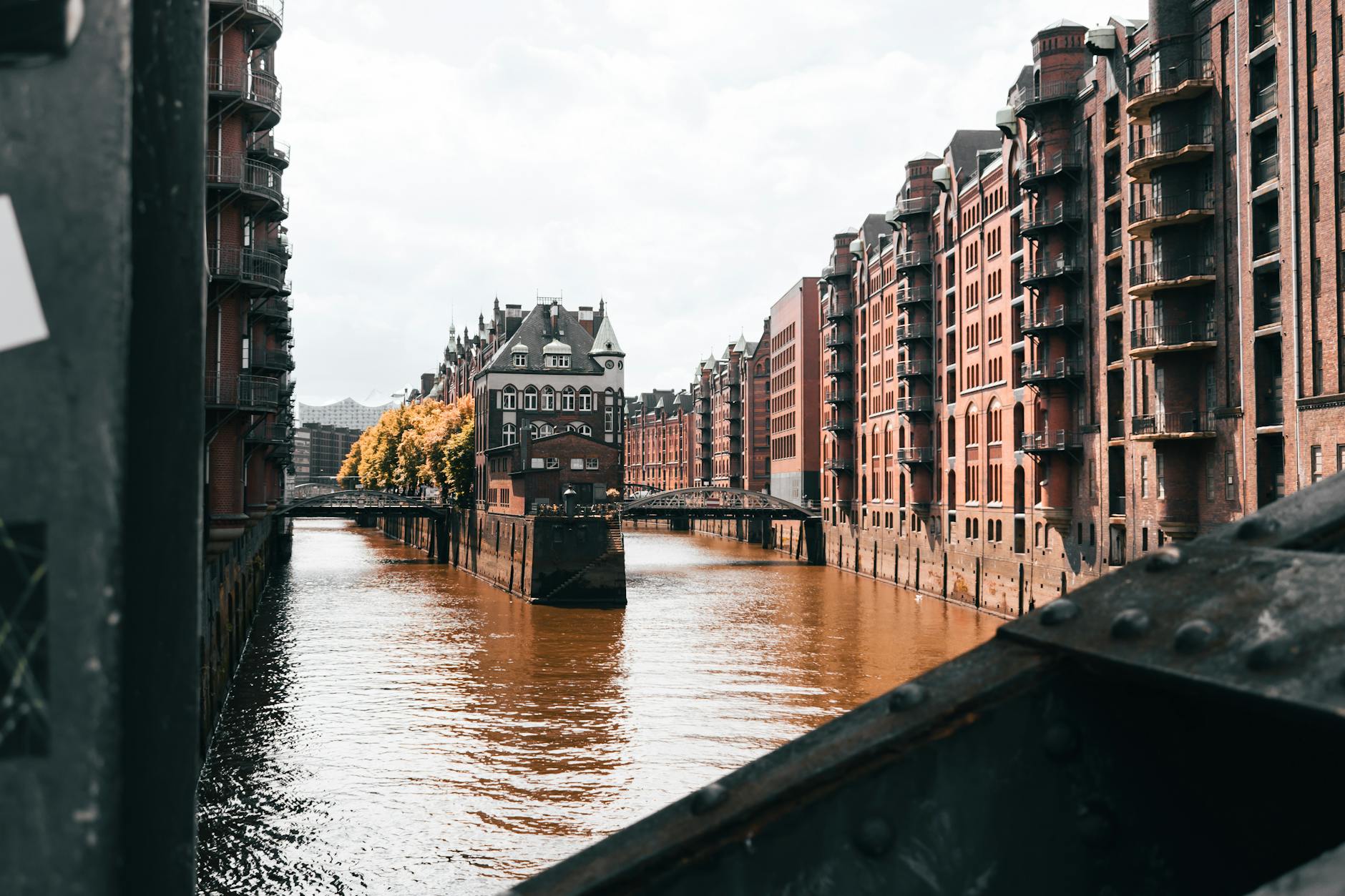
At its peak in the mid-twentieth century, the Ship Canal handled over 18 million tonnes of cargo annually. The Trafford Park industrial estate, which grew up alongside the canal, became the world’s first planned industrial estate and employed over 75,000 workers. Today, the canal’s docklands have been transformed into MediaCityUK and Salford Quays — a dramatic example of how Manchester history and heritage is constantly being reimagined. The Lowry Theatre and Gallery at Salford Quays is built on what was once one of Britain’s busiest docklands.
Victorian Manchester: Wealth, Architecture, and Reform
The Victorian era (1837-1901) saw Manchester at the peak of its industrial power — and the city’s wealth was expressed in some of the finest civic architecture in Britain. This was also the era of radical reform, as Manchester’s citizens fought for political representation, workers’ rights, and social justice. The physical and political legacies of Victorian Manchester remain central to the city’s identity.
Manchester Town Hall
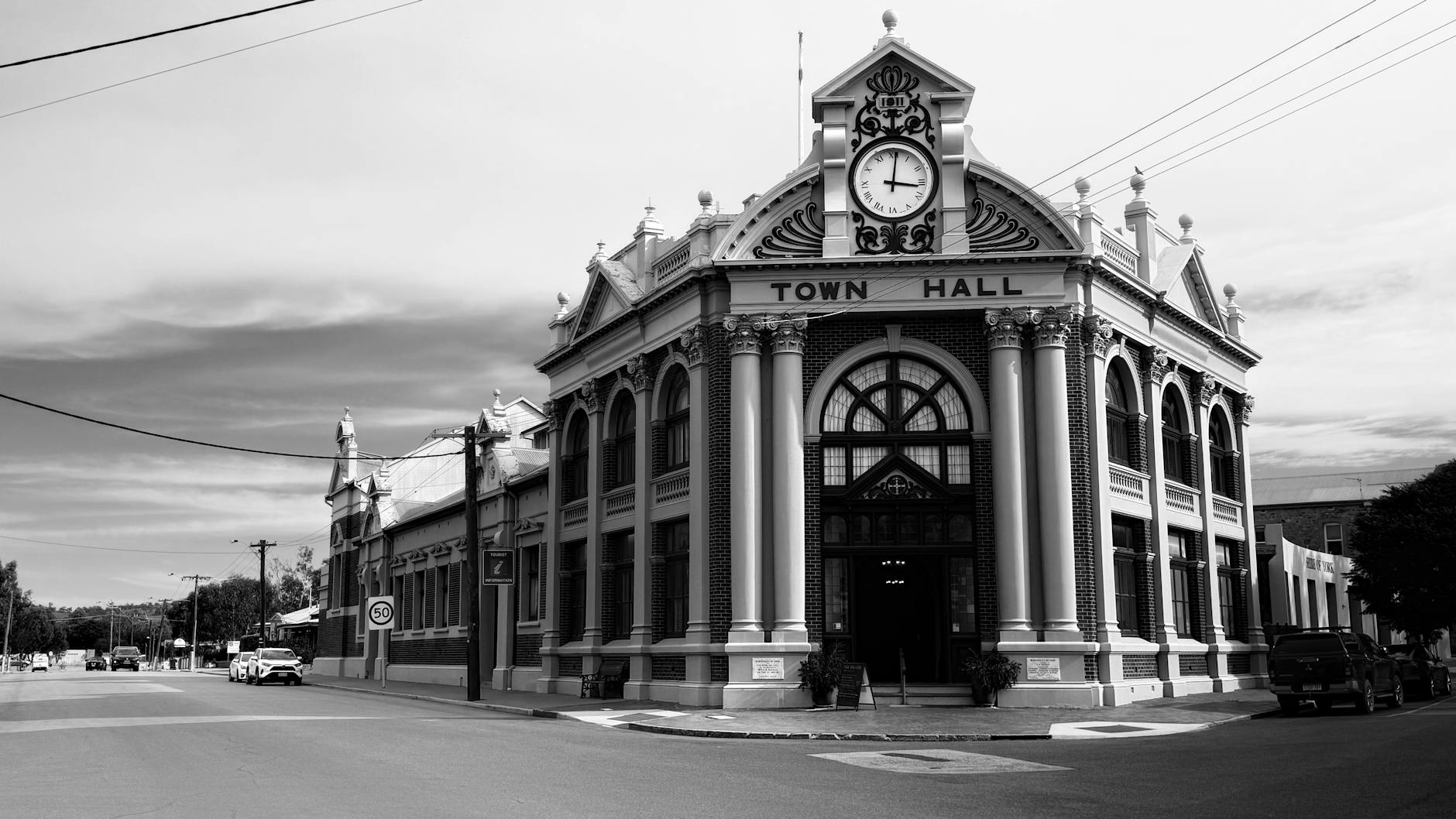
Manchester Town Hall, designed by Alfred Waterhouse and completed in 1877, is widely considered one of the finest examples of Victorian Neo-Gothic architecture in the world. The building’s exterior features a soaring clock tower, intricate stone carvings, and a triangular floor plan designed to fit its awkward site. Inside, the Great Hall contains the famous Ford Madox Brown murals depicting key moments in Manchester’s history, from the Romans to the Industrial Revolution.
The Town Hall is currently undergoing a major £330 million restoration (Our Town Hall project), expected to complete around 2026. While the main building is closed during restoration, the Town Hall Extension next door remains open and houses some civic functions. When the restoration is complete, the Town Hall will be one of the most spectacular heritage buildings in northern England. Check the Our Town Hall website for the latest opening information.
John Rylands Library
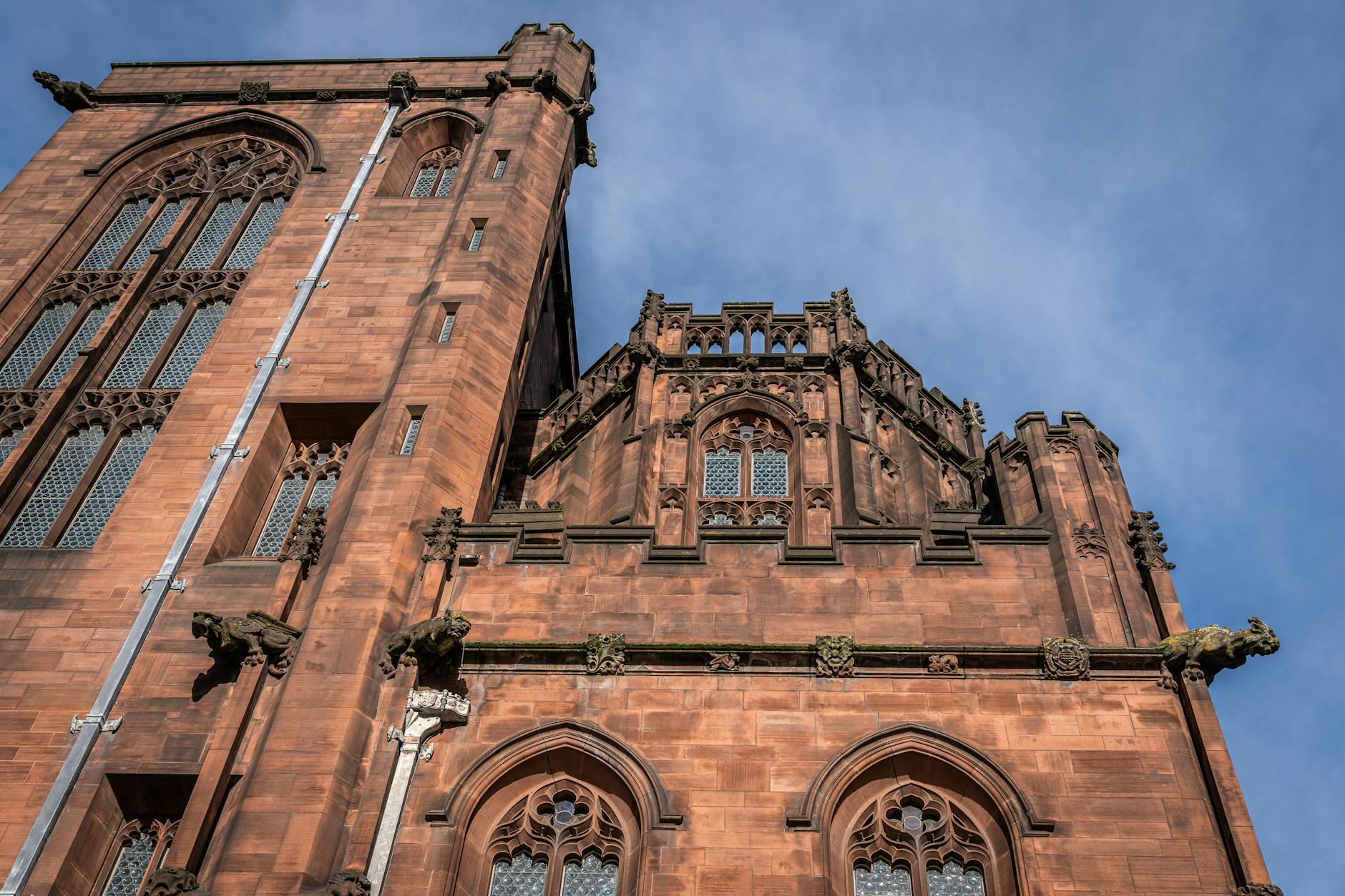
The John Rylands Research Institute and Library on Deansgate is one of Manchester’s most breathtaking buildings. Opened in 1900, it was commissioned by Enriqueta Rylands as a memorial to her husband John, Manchester’s first multi-millionaire. The building is a masterpiece of Victorian Neo-Gothic design, with soaring sandstone arches, stained glass windows, and reading rooms that feel more like a cathedral than a library.
The library holds over 250,000 printed volumes and more than one million manuscripts, including the St John Fragment — the earliest surviving manuscript of the New Testament, dating from around 125 AD. Entry is free, and the building alone is worth the visit. The Rylands sits alongside Manchester Cathedral and Chetham’s Library as one of the three essential stops for anyone exploring Manchester history and heritage in the city centre.
The Free Trade Hall and Peterloo
St Peter’s Square holds a dark but crucial chapter of Manchester history and heritage. On 16 August 1819, a crowd of around 60,000 people gathered peacefully to demand parliamentary reform. The cavalry charged into the crowd, killing at least 15 people and injuring over 600. The event became known as the Peterloo Massacre — a pivotal moment in the fight for democracy that echoed through British politics for decades and contributed directly to the Great Reform Act of 1832.
The Free Trade Hall, built on the site of the massacre, served as Manchester’s principal public hall for over a century before being converted into a hotel (now the Radisson Blu Edwardian). A memorial to Peterloo was unveiled in 2019 on the 200th anniversary. The People’s History Museum on Left Bank, Spinningfields, tells the full story of Peterloo and Manchester’s radical tradition — it’s one of the most important museums for understanding British democracy and working-class history.
20th Century Manchester: War, Music, and Reinvention
Manchester’s history didn’t stop with the Victorians. The twentieth century brought devastating wartime bombing, post-industrial decline, and ultimately one of the most remarkable urban reinventions in British history. Understanding this more recent Manchester history and heritage gives context to the vibrant, confident city you see today.
The Manchester Blitz
During the Manchester Blitz of December 1940, the Luftwaffe bombed the city centre over two consecutive nights, destroying or damaging much of the commercial district and killing over 650 people. Manchester Cathedral, the Royal Exchange, and the Free Trade Hall were all badly damaged. The scars of the Blitz are still visible in the city’s architecture — the mix of Victorian and post-war buildings in the city centre reflects where bombs fell and where rebuilding occurred.
The 1996 IRA Bombing and Regeneration
On 15 June 1996, the IRA detonated a 1,500kg bomb on Corporation Street, causing the largest peacetime bomb blast in mainland Britain. Remarkably, no one was killed (over 200 were injured), but the explosion devastated a large area of the city centre. The rebuilding programme that followed transformed Manchester — the Arndale Centre was refurbished, Exchange Square was created, the Urbis building (now the National Football Museum) was constructed, and the Cathedral Gardens were opened. What could have been a tragedy became a catalyst for Manchester’s modern renaissance.
Manchester’s Best Heritage Museums
Manchester’s museums are among the best in Britain, and many of them are completely free. For anyone interested in Manchester history and heritage, these institutions bring the past to life through world-class collections and engaging storytelling.
People’s History Museum
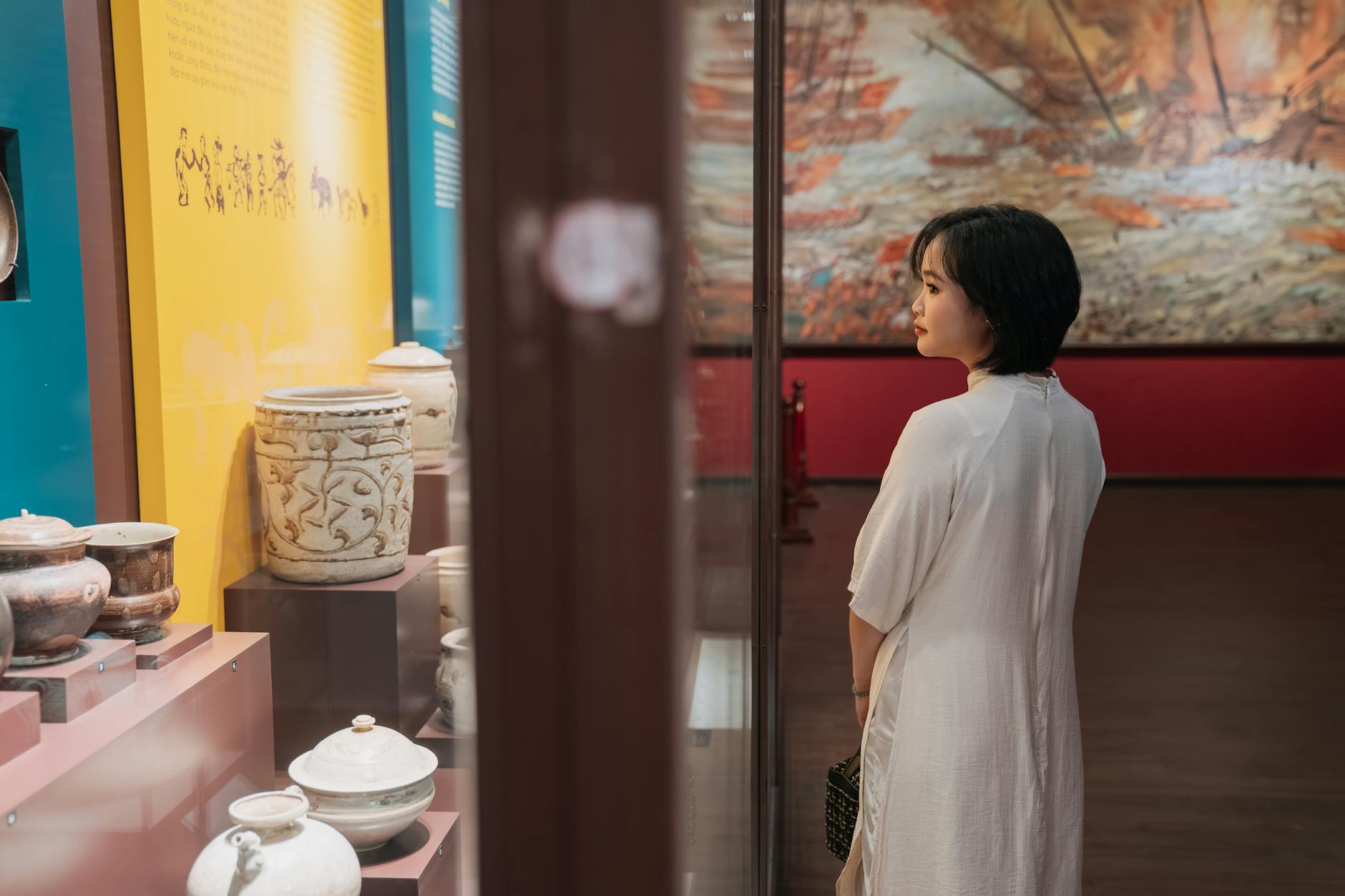
The People’s History Museum on Left Bank tells the story of working people in Britain from the Peterloo Massacre to the present day. Collections include trade union banners, suffragette memorabilia, and artefacts from the co-operative movement (which began in nearby Rochdale). It’s an emotionally powerful museum that connects Manchester history and heritage to the broader struggle for democracy, equality, and workers’ rights. Entry is free.
Manchester Museum
The university’s Manchester Museum on Oxford Road houses collections spanning archaeology, natural history, and world cultures. For history enthusiasts, the Ancient Worlds gallery is outstanding — featuring Egyptian mummies, Greek pottery, and Roman artefacts including finds from Mamucium. The recently opened South Asia Gallery and the Lee Kai Hung Chinese Culture Gallery add international depth to the museum’s Manchester history and heritage offerings. Entry is free.
The Pankhurst Centre
The Pankhurst Centre on Nelson Street, Chorlton-on-Medlock, is the former home of Emmeline Pankhurst and the birthplace of the suffragette movement. It was here, in 1903, that the Women’s Social and Political Union was founded. The centre hosts exhibitions and events related to women’s history and the ongoing struggle for gender equality. Opening hours are limited, so check before visiting.
Manchester’s connection to the suffragette movement goes beyond the Pankhurst Centre. The Free Trade Hall on Peter Street was the site of the famous 1905 incident where Christabel Pankhurst and Annie Kenney disrupted a political meeting by demanding votes for women — an act of protest that launched the militant suffragette campaign. The event is commemorated by a plaque on the building. Around the city, you will find statues of Emmeline Pankhurst in St Peter’s Square and a recent sculpture of her daughter Christabel near the Town Hall. Manchester history and heritage is inseparable from the story of women’s fight for equality.
The Co-operative Movement
While not in Manchester itself, the nearby town of Rochdale (20 minutes by train) is the birthplace of the modern co-operative movement. In 1844, the Rochdale Pioneers opened a shop on Toad Lane based on principles of democratic ownership and fair dealing. These principles spread worldwide and remain the foundation of the global co-operative movement. The Rochdale Pioneers Museum on the original Toad Lane site tells this story — it is a worthwhile day trip for anyone interested in Manchester history and heritage and the region’s radical social traditions.
Heritage Walking Tours in Manchester
Walking is one of the best ways to experience Manchester history and heritage — the city centre is compact, and centuries of history are layered into a small area. Several excellent guided and self-guided tours are available.
The Medieval Quarter Walk
Starting at Manchester Cathedral, this walk takes in Chetham’s Library, the Shambles, the Hanging Bridge (in the Cathedral Visitor Centre), and Exchange Square. Allow 1-2 hours for a leisurely exploration. Free guide leaflets are available from the cathedral.
The Industrial Heritage Walk
From the Science and Industry Museum, walk along the Bridgewater Canal towpath to Castlefield Roman fort, then continue through Castlefield to Deansgate. Cross to the Northern Quarter and walk east to Ancoats, passing Murrays’ Mills and the industrial architecture along Great Ancoats Street. This route covers Manchester history and heritage from the Romans through the canal age to the Industrial Revolution in a single walk. Allow 2-3 hours.
The Victorian Manchester Walk
Begin at Manchester Town Hall in Albert Square, then walk via St Peter’s Square (Peterloo memorial) to the Free Trade Hall. Continue along Deansgate to the John Rylands Library, then walk through Spinningfields to the People’s History Museum. This route traces Manchester’s Victorian wealth, political radicalism, and architectural ambition. Allow 2-3 hours with museum visits.
Guided Tour Operators
For those who prefer expert guidance, several companies offer Manchester history and heritage walking tours. Jonathan Schofield Tours is widely regarded as the best — Jonathan is a published author and Manchester historian whose tours are entertaining, deeply knowledgeable, and frequently sold out. New Manchester Walks and Here. Then. & Now also offer excellent themed heritage tours covering everything from suffragettes to the Manchester music scene’s historical roots.
Manchester’s Literary and Intellectual Heritage
Manchester’s heritage extends beyond bricks and mortar into the realm of ideas. The city has been a crucible for radical thought, scientific discovery, and literary achievement throughout its history. Understanding this intellectual tradition is essential to appreciating Manchester history and heritage in full.
In 1803, John Dalton — a Manchester-based scientist — published his atomic theory, which laid the foundations for modern chemistry and physics. Dalton spent most of his working life in Manchester, conducting experiments and teaching at the Manchester Literary and Philosophical Society, which still exists today as one of the oldest learned societies in the world. The Dalton Nuclear Institute at the University of Manchester carries his name, and a statue stands in the Town Hall.
The literary connections run deep too. Elizabeth Gaskell, the Victorian novelist, lived in Manchester for most of her adult life, and her novels Mary Barton and North and South drew directly on Manchester’s industrial conditions. Her home on Plymouth Grove has been restored and is open to visitors as the Elizabeth Gaskell’s House museum. Anthony Burgess, author of A Clockwork Orange, was born in Manchester, and the International Anthony Burgess Foundation on Cambridge Street houses his archives and hosts literary events.
Alan Turing, the father of computer science, spent his final years at the University of Manchester, where he worked on the world’s earliest stored-program computers. A memorial bench sits in Sackville Park, and Turing’s legacy pervades the city — from street names to the annual Alan Turing Memorial Lecture. Manchester history and heritage is as much about these intellectual giants as it is about the buildings they worked in.
Manchester History Timeline: Key Dates
79 AD — Roman general Agricola establishes fort Mamucium at Castlefield.
919 AD — Anglo-Saxon King Edward the Elder fortifies Manchester against the Danes.
1421 — Thomas de la Warre founds the collegiate church that becomes Manchester Cathedral.
1653 — Chetham’s Library founded, becoming the oldest public library in the English-speaking world.
1761 — Bridgewater Canal opens, launching the canal age and enabling industrialisation.
1781 — Richard Arkwright opens Manchester’s first steam-powered cotton mill.
1819 — Peterloo Massacre: cavalry charges into a crowd of 60,000 pro-democracy reformers.
1830 — Liverpool and Manchester Railway opens — the world’s first inter-city passenger railway.
1853 — Manchester receives its Royal Charter as a city.
1877 — Manchester Town Hall completed, designed by Alfred Waterhouse.
1894 — Manchester Ship Canal opens, turning the city into an inland port.
1903 — Emmeline Pankhurst founds the Women’s Social and Political Union (suffragettes) in Manchester.
1940 — Manchester Blitz devastates the city centre over two nights in December.
1996 — IRA bomb destroys part of the city centre; regeneration transforms Manchester.
2002 — Commonwealth Games held in Manchester, accelerating the city’s modern renaissance.
Practical Tips for Heritage Visitors
Most of Manchester’s heritage museums are free, including the Science and Industry Museum, Manchester Museum, People’s History Museum, and the Whitworth. Manchester Cathedral and Chetham’s Library are also free to enter. The John Rylands Library is free. This makes Manchester one of the most affordable heritage destinations in Britain.
The city centre is compact and walkable — you can cover the Roman fort, medieval quarter, Victorian landmarks, and industrial heritage in a single day, though two days allows a more relaxed pace. Download the Bee Network app for public transport if you want to reach sites slightly further out like the Pankhurst Centre or Ancoats.
For the most rewarding Manchester history and heritage experience, combine museum visits with walking between sites. The physical journey through Manchester’s streets — seeing how Roman, medieval, industrial, Victorian, and modern architecture sit alongside each other — is as powerful as any museum exhibit. Manchester doesn’t just preserve its history; it lives alongside it, building new stories on foundations laid nearly two thousand years ago.