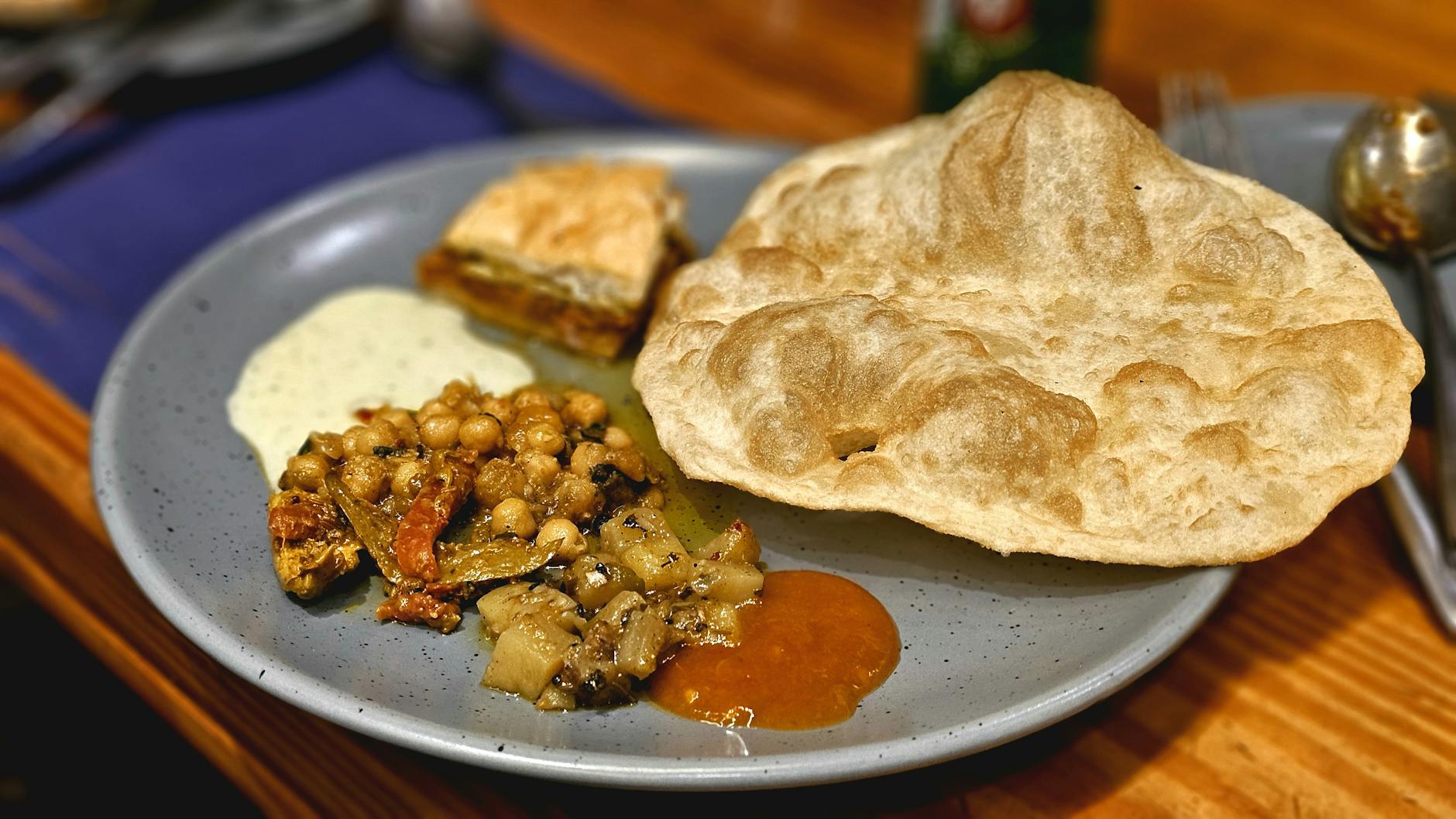
This article contains advertising. Our booking links are routed through a partner that adds commission tracking automatically, so if you book through one we earn a commission from the provider, at no extra cost to you. It never affects what we recommend. Affiliate disclosure
If you stand at the Whitworth Park end of Wilmslow Road on a Saturday night, what you see is not what your guidebook from 2005 told you to expect. The neon is still there. The smell of grilled meat and cardamom and cooked sugar still hangs in the air. But the names above the doors have shifted. The old curry houses that gave Rusholme its global nickname are mostly gone, replaced by Yemeni grills, Palestinian bakeries, Persian saffron-rice cellars, shisha lounges with leather banquettes, and dessert parlours where the queues run round the corner at 11pm. The Curry Mile is still there. It is just speaking more languages than it used to.
This guide is the honest version: what the Curry Mile actually is in 2026, where it came from, what to eat by cuisine, where to drink the tea and smoke the shisha and queue for the kunafa, how to get there and back, and whether it is still worth the journey. (Spoiler: yes — more than ever, for different reasons.) For wider Manchester context, see our city-centre restaurants guide and the Didsbury guide for the leafy suburb just down the road.

What and where is the Curry Mile?
The Curry Mile is a roughly half-mile stretch of Wilmslow Road in Rusholme, between Whitworth Park to the north and Platt Fields Park to the south, in the M14 postcode. It is about a 15-minute bus ride or 25-minute walk south of Manchester city centre, on the corridor that links the University of Manchester campus to the southern suburbs of Fallowfield, Withington and Didsbury.
Despite the name, it is not actually a mile long — the densest restaurant strip is about 600 metres, and it has never been all curry. The “mile” is just a convenient label that Manchester City Council made official in 2008 when it put up the street signs you can still see today. At its 1980s and 90s peak it had over 80 South Asian restaurants, the largest concentration anywhere outside South Asia itself. Today there are perhaps a dozen of the old Pakistani curry houses left — but well over 70 places to eat altogether, with the deepest cluster of Middle Eastern, Arab, Persian, and Yemeni food in the North of England.
A short history of the Curry Mile
From textile mills to The New Taj Mahal (1959)
South Asian migration to Manchester began in earnest after World War Two, when Pakistani and Bangladeshi men were recruited to work the night shifts in the city’s textile mills. The Rusholme they moved into was a poor, slightly run-down Victorian suburb on the southern edge of the city. The first proper South Asian restaurant on Wilmslow Road, The New Taj Mahal, opened in 1959. Sanam Sweet House and Restaurant followed in 1963, founded by Abdul Ghafoor — and it is still operating today on the same site at 145–151 Wilmslow Road, making it the oldest surviving restaurant on the Mile.
The 1980s and 90s heyday
By the late 1980s the strip had transformed into one of the great food destinations in the UK. Shere Khan opened in 1987 as the first fully licensed Indian restaurant on the Mile. Mughli opened in 1991 and is still going as one of the most respected names in British-Pakistani dining. The 1995 Channel 4 documentary Movin’ As A Massive immortalised the scene; by the early 2000s, the Mile was a fixture on every “best of Manchester” weekend itinerary, with coach parties arriving from across the North to eat and shop.
Quite a lot of British food history happened on this street. The dish that Robin Cook in 2001 called Britain’s “true national dish” — chicken tikka masala — was almost certainly created and refined here and on streets like it. South Asian food in Britain owes a particular debt to the chefs who worked the Mile in those decades.
The decline (2008 to 2015)
Then the Mile got hit by several things at once. The 1996 IRA bomb in central Manchester drove a city-centre regeneration that, by the mid-2000s, was pulling night-out crowds away from Rusholme. Manchester City FC moved from Maine Road in nearby Moss Side to the Etihad in 2003, taking match-day footfall with them. BBC and Granada gradually consolidated their operations away from South Manchester. The 2008 recession bit hard. And then in 2011, the Cameron government introduced Tier 2 visa rules that required restaurant workers from outside the EU to be paid above a £28,260 threshold — effectively cutting off the supply of South Asian chefs who had been the engine of the Mile. Restaurants closed; rent rose; the Mile lost about half its venues across a decade.
The reinvention (2015 to today)
What followed was less of a decline and more of a transformation. As the curry houses thinned out, a new wave moved in: Middle Eastern food driven by the Manchester universities’ growing intake of Gulf state students, and by Syrian, Iraqi and Yemeni refugees who arrived in the city after 2015 and brought their own cuisines. Shisha lounges multiplied. Dessert parlours — selling baklava, kunafa, Indian mithai, milk cakes, soft-serve gelato, doughnuts, and the spectacularly Instagrammable knafeh — opened on every corner and stayed open until 1 or 2 in the morning. Today the Curry Mile is one of the most pan-Muslim food streets in Europe, and the curry is just one of about ten cuisines you can eat on it.
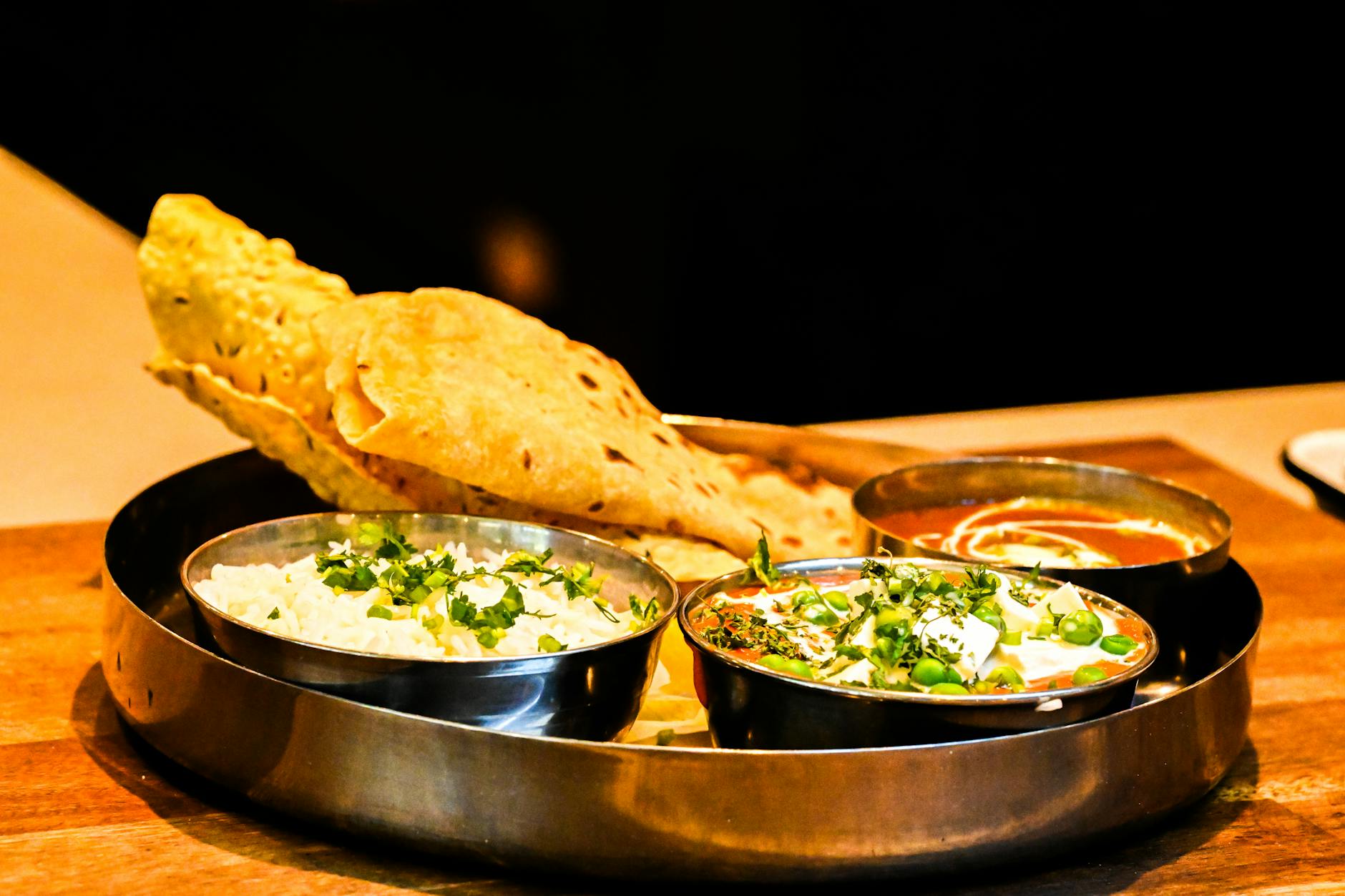
The three zones of today’s Curry Mile
If you ask Haz at Mughli how to navigate the Mile, he will tell you to think of it as three zones running south from Whitworth Park, and it is the single most useful map nobody else has written down:
Zone 1 — Traditional Curry Mile (top end, closer to town). The historic core, where the surviving Pakistani and Indian restaurants cluster. Mughli, Sanam, MyLahore, Lal Qila, Shere Khan, Chit n’ Chaat. This is where to come if you want classic chicken tikka masala, lamb karahi, or the full North Indian Mughlai treatment.
Zone 2 — Shisha and Middle Eastern Mile (middle). The Levantine, Lebanese, Palestinian, Persian, Yemeni and Afghan stretch. Jaffa, Jafra, Walnut, Ariana, Al Jazeera, Hadramout, Cedar Bakery, Pastry House. Shisha lounges, mezze plates, mandi platters under upturned domes, baklava counters.
Zone 3 — Dessert and Student End (bottom, closer to Fallowfield). Dessert parlours and bubble tea. Moonlight, Heavenly Desserts, Karak Chaai, Syria Sweets, Delhi Sweet Centre, Gong Cha. Open late, busy with students from Manchester Met and the University of Manchester.
Best restaurants on the Curry Mile, by cuisine
Pakistani and North Indian (the traditional core)
Mughli Charcoal Pit (30 Wilmslow Road, M14 5TQ) — opened 1991, the smartest sit-down option on the Mile and the one to book if you want a proper Pakistani Mughlai dinner. Charcoal-grilled lamb chops, tandoor breads, slow-cooked lamb nihari. £15–25 mains. Recommended by everyone from BBC Good Food to Ed Sheeran, who has dropped in unannounced more than once. Booking essential at weekends.
Sanam Sweet House and Restaurant (145–151 Wilmslow Road, M14 5AW) — the oldest surviving restaurant on the Mile (1963). Big white-lit room with a sweet counter at the front, dining hall behind, and a wedding-banquet hall upstairs. Order the seekh kebabs, the lamb chops, the karahi gosht — and don’t leave without a tray of mithai (jalebi, barfi, ras malai, ras gulla, firni). Budget to mid-price.
MyLahore (14–18 Wilmslow Road) — modern British-Asian dining: curries plus charcoal grills plus burgers plus desserts, in a bright, family-friendly room. The best halal “everything” menu on the Mile. Book at weekends.
Lal Qila — named after Delhi’s Red Fort, a two-floor Pakistani restaurant with a more upmarket feel than most. Strong on biryanis and slow-cooked lamb dishes.
Shere Khan — the 1987 pioneer of fully licensed Indian dining on the Mile. Still here, still respected.
Ziya Asian Grill — a more contemporary, design-led pan-Asian and Indian room. Good for a date night where you do not want to deal with the brighter rooms of the older venues.
Indian street food and vegetarian
Chit ‘n’ Chaat (founded 2020) — North Indian street food: dosa, chaat, pani puri, Bombay sandwiches, momos. Casual, lots of vegetarian and vegan options, queues at weekends. The thing to order is the dahi puri.
Jilani’s Café — modern grill and dessert house. Faluda, gulab jamun, lamb chops. Family-friendly.
Persian, Afghan and Yemeni
Walnut Persian Restaurant — the most established Persian spot on the Mile. Stews (ghormeh sabzi, fesenjan), kebabs with saffron rice, grilled fish, and homemade saffron ice cream. The smartest of this category — book ahead, dress up a bit.
Ariana — Afghan/Persian. Order ashak (Afghan dumplings filled with leek), qabuli pilau (Afghan rice with lamb, carrots and raisins), and the mango lassi.
Afghan Cuisine — small, cash only, dependable. Chicken al faham, lamb kobeda, clay-oven bread baked to order.
Al Jazeera — pan-Middle Eastern, founded by Jordanian Abdullah Albaydar. Kebabs, roast chicken with garlic sauce, qabuli pilau. Late hours.
Hadramout (Welmar Street East) — Yemeni. The thing to order is fahsa, a fiery lamb stew bubbling in a stone pot. Upstairs are Arab-style floor cushions for groups. There is also kabsa (spiced rice with chicken) and mandi (slow-roasted lamb on rice). One of the most distinctive eating experiences in Greater Manchester.
Fresh Almalaky — Yemeni mandi chicken and Arabic breakfast.
Levantine, Palestinian and Lebanese
Jaffa Restaurant (185 Wilmslow Road, M14 5AP) — Mediterranean and Middle Eastern, cash only, often a queue. Fattayer, shawarma, mezze. Budget prices, big portions, very popular.
Jafra Restaurant — Palestinian. Casual table service. Mezzes, grills, shawarma. Generous bread and pickles arrive without asking.
Pastry House (Walmer Street East) — Lebanese bakery. Konafa, labneh, baklava, lahm bi ajeen (Lebanese flatbreads with spiced lamb mince).
Cedar Bakery (Walmer Street East) — Lebanese, with a proper Arabic breakfast (foul, hummus, fresh bread, mint tea), plus baklava, ma’amoul and savoury pastries. Slightly off the main road and all the better for it.
Turkish, Malaysian, halal Mexican and beyond
Sultanahmet Grill — Turkish. Pide (Turkish flatbread pizza), kofta, shish, mezze, künefe.
Nur Malaysia — Malaysian (roti canai, beef rendang, wok noodles). Newer addition, the only proper Malaysian on the Mile.
Don Tacos — halal Mexican. Tacos, birria, burritos, quesadillas, the lot. Yes, it works.
Pitmaster — halal BBQ smokehouse. 16-hour smoked brisket burger. Cult favourite among students and football fans.
Afrikana — African-fusion chain. Late 2023 addition to the Mile.

Dessert parlours, sweet shops and shisha lounges
Honestly, dessert is what the Mile is becoming famous for in 2026. The list is long, but the essential ones:
Heavenly Desserts — the national chain’s flagship-feeling Manchester branch, pretty interior, cookie dough, waffles, gelato, signature chocolate fondants.
Moonlight — a Manchester original. Famous for the milk cakes, the ice cream stacks, the flower-decorated walls (very Instagrammable), and the queue.
Delhi Sweet Centre — traditional Indian mithai (jalebi, ladoo, barfi, jamun) made on site.
Syria Sweets — knafeh and baklava trays to take home. Pick a small assortment and try them all.
Karak Chaai — South Asian-style tea house. The cardamom karak tea is the order. Pair it with kunafa.
Sanam mithai counter (inside Sanam restaurant) — the most authentic place for jalebi and ras malai.
Gong Cha and Cupp — sit opposite each other, both serve bubble tea, both have a faithful student following.
On shisha: shisha lounges proliferate along the middle stretch of the Mile. Most are friendly, comfortable, and serve mocktails and Turkish coffee alongside the shisha. If you have not done it before, ask staff to set up; pipes typically cost £15–25 for a session, plus drinks. Be aware that Manchester’s smoke-free outdoor seating regulations apply, so most shisha is indoors or in covered outdoor structures that comply with the rules.
Shopping on Wilmslow Road
The Mile is also Manchester’s busiest shopping street for South Asian and Middle Eastern goods. Some highlights:
- Worldwide Manchester Superstore — large halal supermarket with spices, rice in 10kg sacks, fresh produce, halal meat counter, and a full Asian veg and Middle Eastern aisle.
- Bridal and Eid outfit boutiques — lehenga, sherwani, sari and abaya stores on both sides of Wilmslow Road. Most are open until 8 or 9pm, and longer in the lead-up to Eid.
- Gold and bridal jewellery — half a dozen specialist stores; visit in the day when the lighting shows the work properly.
- Mithai counters at Sanam, Sanam Jalebi and Delhi Sweet Centre — buy by weight; a small box of mixed sweets is around £8–12.
How to get to the Curry Mile
By bus from Manchester city centre
This is the way most people travel, and the most fun. The 41, 42, 142, 143 and 147 buses all run along Wilmslow Road from Piccadilly Gardens or Oxford Road in the city centre. They are part of the Bee Network and a single £2 fare gets you anywhere on the line; tap a contactless card and the daily cap kicks in at £5. The journey is 15–20 minutes from Piccadilly to the heart of the Mile (get off at the Walmer Street stop). Buses run every few minutes during the day and every 10–15 minutes into the night.
The corridor is officially the busiest bus route in Europe (Wilmslow Road carries around 70 buses per hour at peak). It is also why Manchester now has the most extensive bus-priority lanes outside London — getting to the Mile is faster than getting around the city centre by car.
By train, Metrolink, on foot, or by car
The closest railway station is Manchester Oxford Road, a five-minute bus ride or 20-minute walk away. The closest Metrolink stops are St Peter’s Square and Piccadilly Gardens, both with the same bus link. Walking from the city centre takes about 35 minutes down Oxford Road past the universities — pleasant in summer, less so in November rain.
If you are driving, on-street parking is available on side streets (Thurloe Street, Walmer Street, Lloyd Street) and there is an NCP at the southern end of the Mile. Parking is paid 8am to 10pm, free overnight. JustPark covers residential driveways.
Practical tips for visiting the Curry Mile
Opening hours and the late-night culture
The Mile is a night-out street. Most restaurants are open from noon to midnight or later; dessert parlours and shisha lounges run to 2am or later on weekends; the late-night chippy and shawarma stalls run until 3 or 4am. Saturday is the busiest evening. Sunday is family-time, with multi-generational groups eating early and lingering.
Is the Curry Mile safe at night?
Yes. The Mile is one of the busiest streets in Manchester until well after midnight, brightly lit, with constant pedestrian footfall and a visible police presence at peak hours. Standard city-centre common sense applies — keep valuables out of sight, do not leave anything in parked cars — but the perception of risk is usually higher than the reality. Solo travellers, particularly women, are very common here.
Halal, alcohol and what to expect
Almost every restaurant on the Mile is halal. Alcohol is available at a minority of restaurants (Shere Khan, MyLahore, Mughli among them), but most are dry — bring your own is not generally permitted, and many places will be happy to serve mocktails, fresh juices, mango lassi, or Arabic coffee. If you are coming for the experience, lean into the alcohol-free culture; it suits the late-night, family-friendly feel of the place.
Ramadan and Eid
The Mile transforms during Ramadan. Restaurants are typically closed during the day (or open with reduced menus) and then explode into life at iftar — the sunset breaking of the fast. If you are visiting during Ramadan, the iftar buffet experience at MyLahore or Mughli is one of the great Manchester food events. Eid weekend (the festival at the end of Ramadan) is the Mile’s biggest weekend of the year — expect grand decorations, packed streets, late-night shopping, and a celebratory atmosphere unlike anywhere else in the city.
Vegetarian, vegan and family-friendly
Excellent for vegetarians (most Indian and Middle Eastern menus have substantial vegetarian sections); good for vegans (Chit ‘n’ Chaat, Sultanahmet, and most Lebanese spots have plenty); excellent for families (the older Pakistani restaurants are explicitly family-orientated, with big tables, kids’ menus, and high chairs).
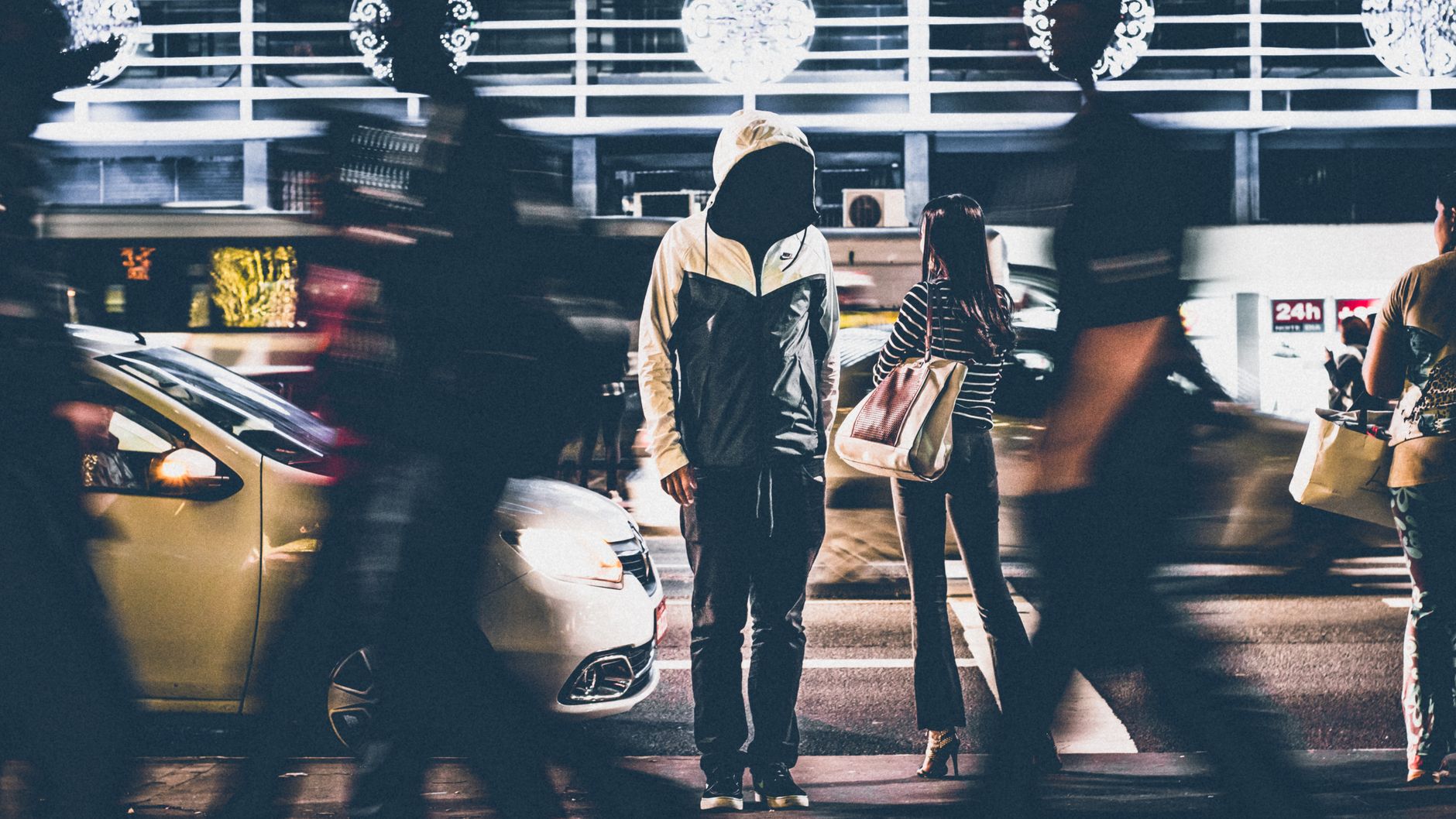
A first-timer’s perfect evening on the Curry Mile
7pm: dinner at Mughli (book ahead) or Sanam if walking in. Order the seekh kebabs to start, the lamb karahi or chicken tikka masala for the table, the saag paneer for sharing, naan and pulao to mop up.
9pm: walk south down the Mile, stop at Pastry House or Cedar Bakery for a quick knafeh and Arabic coffee — or skip the bakery and head straight to Moonlight or Heavenly Desserts for the full dessert-parlour experience.
10pm: pick a shisha lounge in the middle stretch. Ask for whatever flavour the staff recommend; double-apple and grape-mint are the classics. Sit, slow down, watch the Mile come and go.
11.30pm: Magic Bus or Uber back to town.
Beyond the Curry Mile — exploring Rusholme and Fallowfield
The Mile is the headline, but Rusholme has more if you have time. Platt Fields Park at the southern end is one of Manchester’s great big urban parks — 32 hectares, a lake, a play area, the Manchester Mela festival in summer. Whitworth Park at the northern end has the brilliant free Whitworth Art Gallery (a University of Manchester gallery in a Victorian building with a modern glass extension into the park — open 10am–5pm, closed Mondays). Half a mile north, on Oxford Road, is the Manchester Museum — also free, also part of the university, and properly excellent for natural history, ancient Egypt, and South Asia collections.
South of Platt Fields, you are into Fallowfield, the student heartland. Owens Park, Magic Bus stop, late-night kebab shops, and three of Manchester’s biggest universities all within walking distance.
FAQ — Rusholme and the Curry Mile
What is the Curry Mile?
A half-mile stretch of Wilmslow Road in Rusholme (M14), south of Manchester city centre. Historically the largest concentration of South Asian restaurants outside South Asia; today a pan-Muslim food street with Pakistani, Indian, Middle Eastern, Persian, Yemeni and other cuisines.
Why is it called the Curry Mile?
Because of the cluster of South Asian curry restaurants that opened here from the late 1950s onwards. Manchester City Council made the name official with street signs in 2008.
Is the Curry Mile actually a mile long?
Not quite — the densest restaurant strip is about 600 metres, and the wider Wilmslow Road corridor is just over half a mile.
Where exactly is the Curry Mile?
Wilmslow Road in Rusholme, M14, between Whitworth Park to the north and Platt Fields Park to the south. About 1.5 miles south of Manchester Piccadilly.
Is the Curry Mile still worth visiting in 2026?
Yes — emphatically. It has fewer traditional curry houses than 20 years ago, but more cuisines overall. The Mile is now one of the deepest Middle Eastern food strips in the UK, and the dessert parlour and shisha scene is unique.
Why has the Curry Mile declined?
The traditional curry-house industry shrank because of a combination of factors: city-centre regeneration pulled the night-out crowd away from Rusholme; the 2008 recession bit hard; 2011 visa rules cut off the supply of South Asian chefs from outside the EU; and a generational shift moved second-generation owners into other businesses. But “decline” is the wrong word for what has happened — the Mile has reinvented itself, not failed.
What is the best restaurant on the Curry Mile?
Mughli for a proper Pakistani Mughlai sit-down. Sanam for the most historic experience. Hadramout for Yemeni. Walnut for Persian. Jaffa for casual Middle Eastern. Moonlight for dessert. There is no single “best” — different restaurants serve different occasions.
Is the Curry Mile safe at night?
Yes. The Mile is busy, brightly lit, and pedestrian-friendly until well after midnight, with regular Bee Network buses until 2am at weekends.
How do I get to the Curry Mile from Manchester city centre?
Buses 41, 42, 142, 143, 147 from Piccadilly Gardens or Oxford Road — 15–20 minutes, £2 single, contactless caps at £5 a day.
What buses go to the Curry Mile?
The Bee Network 41, 42, 142, 143, 147 all run the Wilmslow Road corridor from the city centre. The 142 and 143 are the most frequent.
Where can I park near the Curry Mile?
Side streets (Thurloe, Walmer, Lloyd) are paid 8am–10pm and free overnight; the NCP at the southern end is the largest car park; JustPark covers residential driveways from about £1 per hour.
How late is the Curry Mile open?
Most restaurants run until midnight; dessert parlours, shisha lounges, and shawarma stalls run to 2am or later; the late-night Rusholme Chippy on Wilmslow Road is open until around 3am.
Is the Curry Mile halal?
Yes — almost entirely halal. Alcohol is available at a small number of restaurants but most are dry.
What is the best curry on the Curry Mile?
Mughli’s lamb chops and karahi gosht, Sanam’s mutton biryani, MyLahore’s chicken tikka, Lal Qila’s lamb nihari. For something different, try Hadramout’s fahsa stew or Ariana’s qabuli pilau.
Where can I get shisha on the Curry Mile?
Multiple shisha lounges run the length of the middle stretch. Most charge £15–25 for a pipe plus drinks; the friendly ones will guide you on flavour selection if it is your first time.
What desserts should I try on the Curry Mile?
Knafeh and baklava from Pastry House, Cedar Bakery, or Syria Sweets; milk cakes and gelato stacks at Moonlight; chocolate fondants at Heavenly Desserts; jalebi and ras malai at Sanam or Delhi Sweet Centre.
Is the Curry Mile good for vegetarians and vegans?
Yes. Chit ‘n’ Chaat is excellent for vegetarian and vegan Indian street food; most Lebanese and Middle Eastern menus have substantial vegan sections (mezze, falafel, hummus, ful medames); the Pakistani restaurants have full vegetarian curry sections.
Where can I shop for Asian clothes, jewellery and Eid outfits on Wilmslow Road?
The bridal and Eid outfit boutiques cluster on both sides of Wilmslow Road, particularly in the middle stretch. The gold and bridal jewellery stores are best visited during the day.
What is it like during Ramadan and Eid?
Quieter during the day, transformed at iftar (sunset). Eid weekend is the busiest weekend of the year, with decorations, late-night shopping, and a celebratory atmosphere.
Plan more of your Manchester visit
If you have enjoyed Rusholme and the Curry Mile, the rest of South Manchester is worth exploring. Our Didsbury and South Manchester guide covers the leafy suburb just past Withington; our Chorlton guide covers the bohemian neighbour; our Salford Quays guide covers the waterfront. For where this all sits in the wider city, see our main Manchester neighbourhoods guide and the best restaurants in Manchester guide for the city-centre picture.
The Curry Mile is the historic heart of it, but not the whole story. Our guide to the best halal restaurants in Manchester covers the city centre, Levenshulme and south Manchester too.