This article contains advertising. Our booking links are routed through a partner that adds commission tracking automatically, so if you book through one we earn a commission from the provider, at no extra cost to you. It never affects what we recommend. Affiliate disclosure
Where to stay in Manchester is one of the most important decisions you will make when planning a trip to this vibrant northern English city. The right neighbourhood and hotel can transform your visit, putting you within walking distance of world-class museums, legendary music venues, and some of the best food in the north of England. Manchester is a compact, well-connected city, and choosing the right base means you can explore everything from Victorian architecture to cutting-edge street art without spending half your holiday on public transport.
This guide breaks down every major neighbourhood where visitors choose to stay, covering the character of each area, what kind of traveller it suits, the types of accommodation available, and realistic price expectations. Whether you are after a luxury suite overlooking Spinningfields, a budget-friendly hostel in the Northern Quarter, or a peaceful aparthotel in Didsbury, you will find the right match here.
Manchester has seen a hotel boom in recent years, with new openings across the city centre and beyond. Average hotel prices range from around £60 per night for a no-frills budget room to over £300 for top-end luxury properties. The city is also exceptionally well served by the Metrolink tram network, which means staying slightly outside the centre can save you money without sacrificing convenience.
How to Choose Where to Stay in Manchester
Manchester is made up of distinct neighbourhoods, each with its own personality. The area you choose should reflect what matters most to you on your trip. If nightlife and dining are your priorities, the city centre and Deansgate corridor put you right in the thick of it. If you prefer a creative, independent atmosphere, the Northern Quarter and Ancoats are hard to beat. Families and those looking for a quieter pace tend to gravitate toward Didsbury, Chorlton, or Salford Quays, all of which are well connected by tram.
A few practical considerations will help narrow your choice. Proximity to a Metrolink tram stop is a major advantage, as the tram system connects all the key areas and runs frequently from early morning to late evening. A day pass for zones one and two costs just a few pounds and covers most places visitors want to reach. If you are arriving at Manchester Airport, certain areas such as Didsbury and Fallowfield are on the direct airport tram line, making the transfer simple.
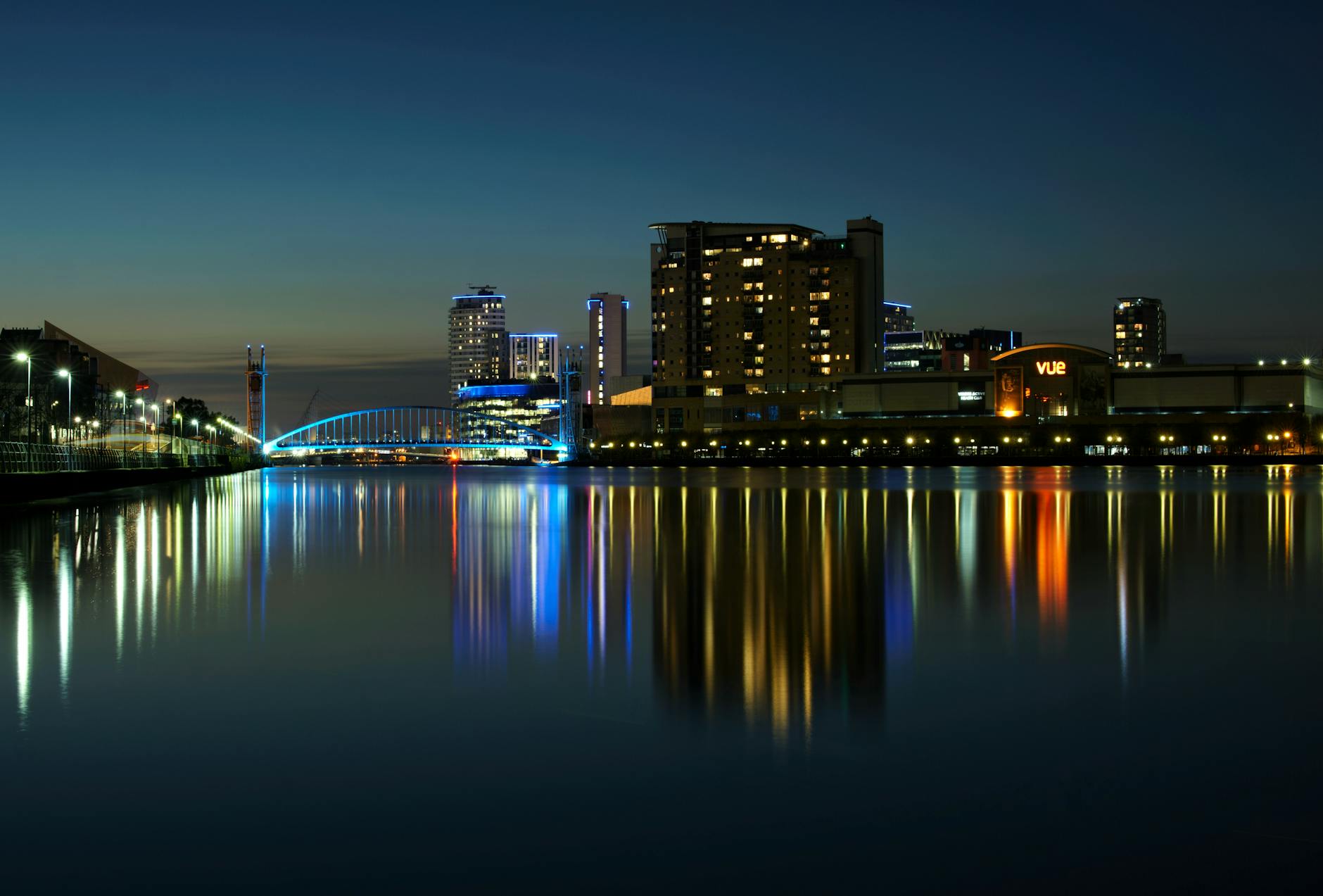
City Centre and Deansgate: The Heart of the Action
The city centre is the most popular area where to stay in Manchester for first-time visitors, and for good reason. Manchester is a genuinely walkable city, and staying centrally puts you within easy reach of virtually every major attraction. From the grand shopping arcades of King Street and St Ann’s Square to the cultural hubs of the Royal Exchange Theatre and Manchester Art Gallery, you can cover enormous ground on foot without ever needing a bus or tram.
Deansgate is the main artery running through the heart of the city. By day it offers easy access to the John Rylands Library, the Arndale Centre, and Spinningfields, Manchester’s gleaming financial and dining quarter. By night, Deansgate transforms into one of the busiest nightlife strips in the north of England, lined with bars, restaurants, and late-night venues. Hotels along Deansgate and the surrounding streets tend to fall in the mid-range to luxury bracket, with rates typically starting around £100 per night and climbing considerably for premium properties.
Spinningfields, immediately west of Deansgate, has emerged as Manchester’s most upscale dining and drinking neighbourhood. Gleaming glass towers house high-end restaurants, cocktail bars, and designer boutiques. The area is exceptionally safe and well lit, making it popular with business travellers and couples. The Visit Manchester tourism board regularly highlights Spinningfields as one of the city’s fastest-evolving quarters.
Piccadilly, at the eastern edge of the centre, is where you will find Manchester Piccadilly station — the main rail hub with direct trains to London, Birmingham, and Edinburgh. Staying near Piccadilly is ideal if you plan to take day trips by train. However, the area immediately around Piccadilly Gardens can feel less appealing after dark, so choose accommodation a short walk away rather than directly overlooking the gardens.
Best for: First-time visitors, shoppers, nightlife lovers, business travellers. Budget range: £80–£300+ per night. Getting around: Everything is walkable; Metrolink stops at St Peter’s Square, Market Street, Exchange Square, and Piccadilly.
Northern Quarter: Creative and Independent
The Northern Quarter is where to stay in Manchester if you want character, creativity, and a neighbourhood that feels nothing like a chain hotel district. Occupying the blocks north-east of the city centre between Piccadilly and Shudehill, the Northern Quarter is Manchester’s beating creative heart — a former warehouse district that has reinvented itself as the city’s hub for independent culture.
The streets here are an open-air gallery of murals and street art, with every corner revealing something new. Independent record shops such as Piccadilly Records and Vinyl Exchange sit alongside vintage clothing stores, craft beer taprooms, and some of the best coffee in the city. Afflecks, the four-storey indoor emporium of independent traders, is an institution. The live music scene is centred on venues like Band on the Wall, Night and Day Cafe, and the historic Smithfield Social.
Accommodation in the Northern Quarter tends to be more affordable than the Deansgate corridor. You will find a mix of boutique hotels, converted warehouse properties, and budget-friendly chains. The area is also home to some of Manchester’s best budget hotels and hostels, making it a natural choice for younger travellers, solo adventurers, and anyone who values atmosphere over polish.
Best for: Creatives, music lovers, solo travellers, nightlife seekers on a budget. Budget range: £50–£150 per night. Getting around: Walkable to city centre in five minutes; Shudehill Metrolink stop nearby.
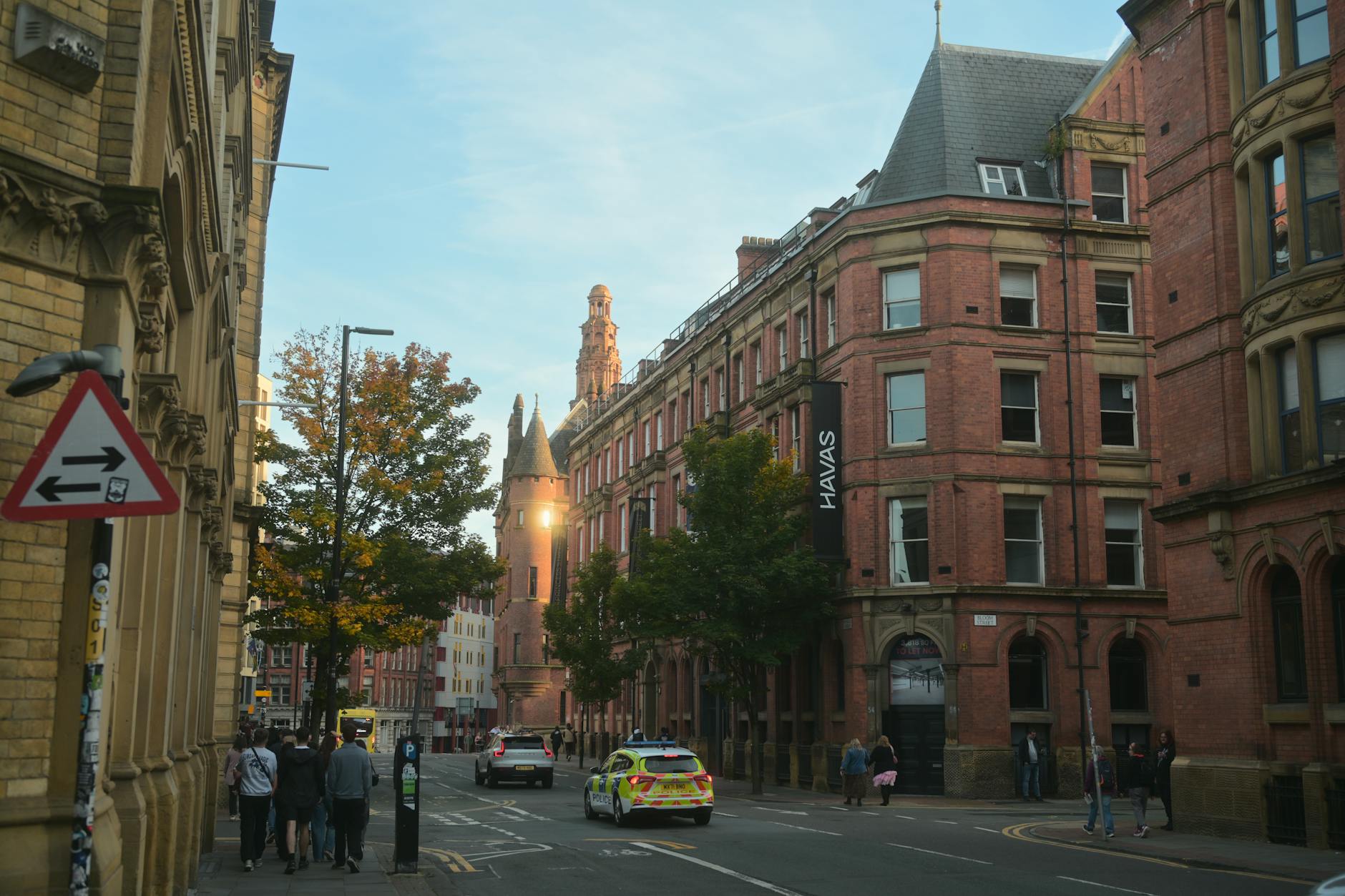
Ancoats: The Coolest Neighbourhood
Immediately east of the Northern Quarter, Ancoats has been transformed from a post-industrial wasteland into one of the most exciting neighbourhoods in the country. Time Out has ranked it among the coolest places to live in the UK, and the restaurant scene here now rivals anything in the city centre. Striking red-brick cotton mills and warehouses have been converted into restaurants, cafes, bars, and residential lofts, creating an atmosphere that feels simultaneously historic and contemporary.
Ancoats is where you will find some of Manchester’s most celebrated dining destinations, including the Michelin-starred Mana and the hugely popular Rudy’s Neapolitan Pizza. Cutting Room Square is the neighbourhood’s social hub, ringed by restaurants and usually buzzing on warm evenings. For accommodation, Ancoats offers a growing number of aparthotels and serviced apartments, which are ideal if you want more space or are planning a longer stay. The area is a short walk from both the Northern Quarter and the city centre.
Best for: Foodies, design-conscious travellers, couples. Budget range: £70–£180 per night. Getting around: Ten-minute walk to Piccadilly; New Islington Metrolink stop serves the area.
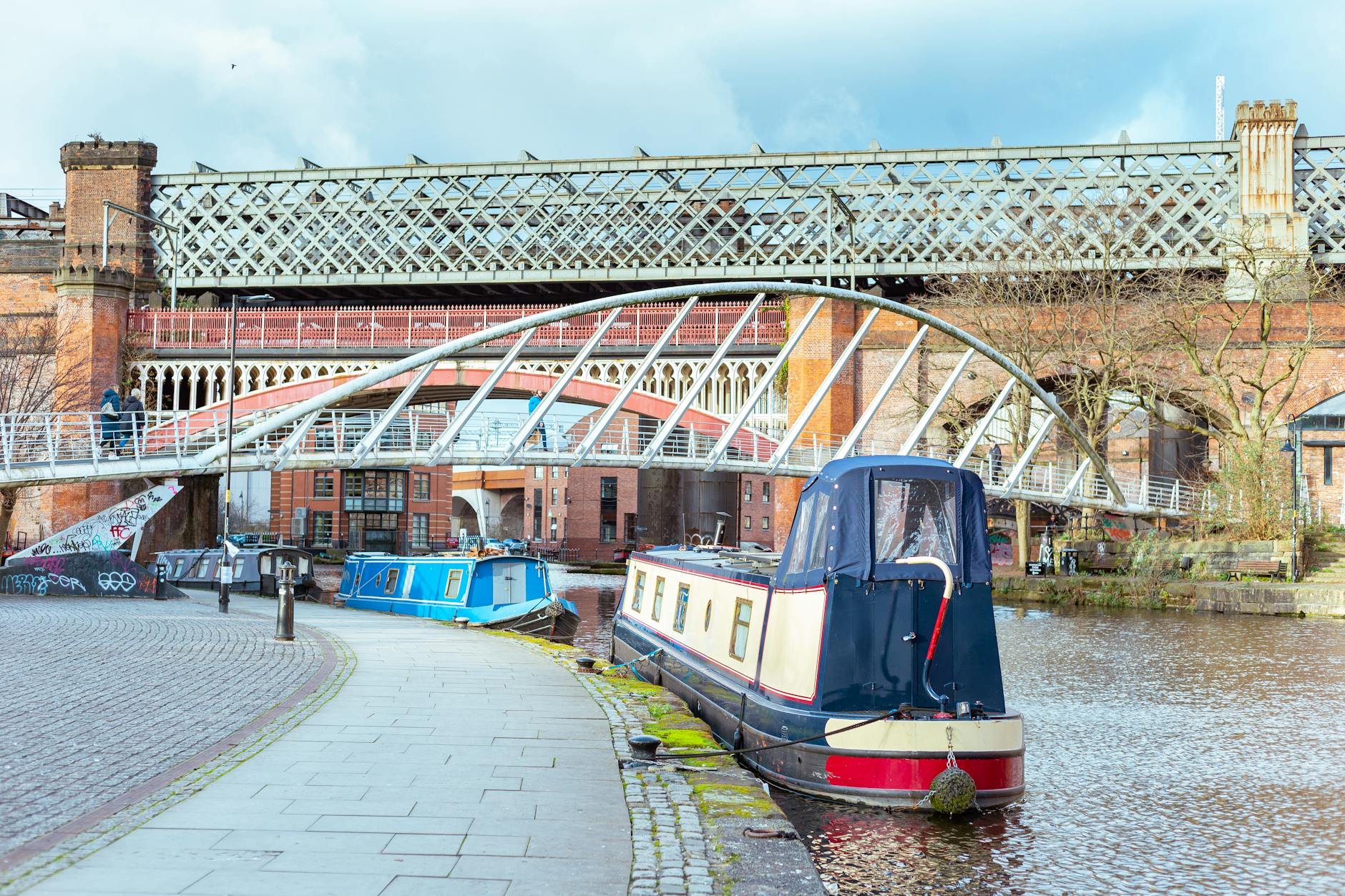
Castlefield: History and Tranquillity
Where to stay in Manchester if you want peace and history in equal measure? Castlefield is the answer. This is where Manchester’s story began — the Romans founded a fort called Mamucium here in AD 79, and you can still see the remains today. Britain’s first Urban Heritage Park, Castlefield is a beautifully atmospheric area of canal basins, Victorian railway viaducts, and converted warehouses.
On warm days, the canalside bars and restaurants come alive, and the Castlefield Bowl hosts open-air concerts against a dramatic backdrop of railway arches. The area has a distinctly calmer feel than the city centre, even though it is only a ten-minute walk from Deansgate. Accommodation here leans toward mid-range boutique hotels and serviced apartments with canal views. Castlefield is a particularly strong choice for couples and anyone who appreciates architectural character.
Best for: History buffs, couples, those wanting a quieter base near the centre. Budget range: £80–£200 per night. Getting around: Deansgate-Castlefield Metrolink stop; fifteen-minute walk to Deansgate.
Salford Quays and MediaCityUK: Waterfront Living
Salford Quays sits just west of the city centre along the Manchester Ship Canal and has been transformed from disused docks into a major cultural and media hub. This is where you will find the Lowry Theatre and art gallery, the Imperial War Museum North — Daniel Libeskind’s striking aluminium-clad building — and MediaCityUK, home to the BBC and ITV studios. The waterfront promenade is ideal for evening walks, and the area has a growing cluster of restaurants and bars.
Hotels at Salford Quays tend to be modern chains offering reliable quality at competitive prices, often significantly cheaper than equivalent properties in the city centre. The area is particularly popular with families — the museums are excellent for children, and the open waterfront spaces provide room to run around. The Metrolink tram runs directly from MediaCityUK to the city centre in about fifteen minutes.
Best for: Families, culture lovers, budget-conscious visitors. Budget range: £55–£130 per night. Getting around: MediaCityUK Metrolink stop; fifteen minutes to city centre by tram.

Didsbury and Chorlton: Village Life on the Tram Line
If you prefer a quieter, more local experience, the south Manchester suburbs of Didsbury and Chorlton offer a completely different side of the city. Didsbury feels like a charming English village — leafy streets, independent boutiques, cosy pubs, and excellent restaurants line its main road. West Didsbury in particular has become one of Manchester’s most desirable dining destinations, with a string of acclaimed restaurants along Burton Road.
Chorlton, a couple of miles west, has a similarly relaxed and bohemian atmosphere. It is popular with young professionals and families, and its high street is packed with independent cafes, bookshops, and delis. Both Didsbury and Chorlton are connected to the city centre by Metrolink, with the journey taking around twenty minutes. Didsbury sits on the Manchester Airport tram line, making it an excellent choice if you have an early flight.
Accommodation in these areas includes boutique B&Bs, serviced apartments, and a handful of stylish independent hotels. Prices are generally lower than the city centre, though availability can be more limited. For families visiting Manchester, the combination of village atmosphere, green spaces, and easy tram access makes Didsbury a particularly appealing option.
Best for: Families, couples seeking tranquillity, foodies, airport access. Budget range: £60–£150 per night. Getting around: Didsbury Village and East Didsbury Metrolink stops; twenty minutes to city centre. Chorlton is also on the tram network.

Types of Accommodation in Manchester
Luxury Hotels
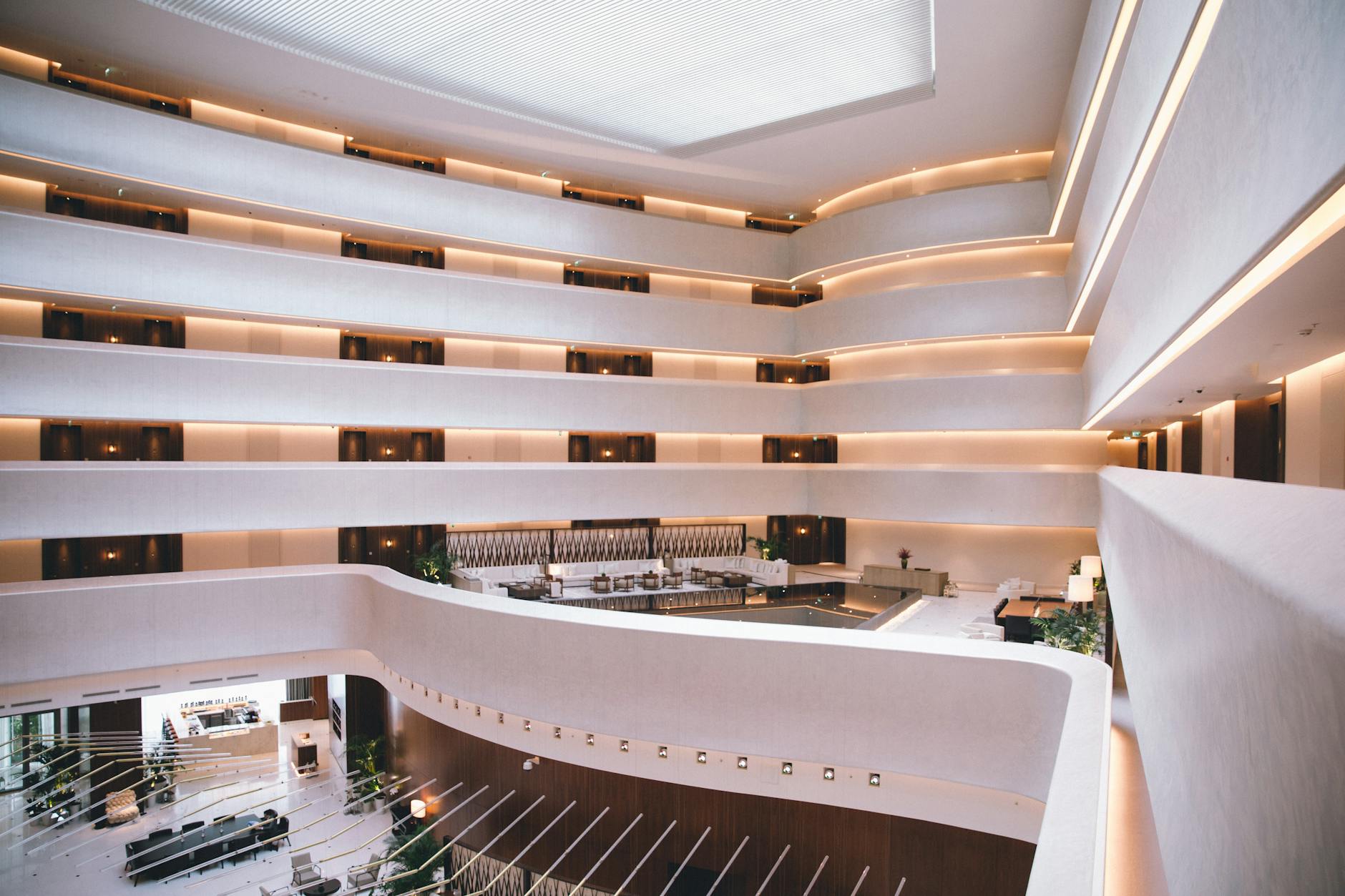
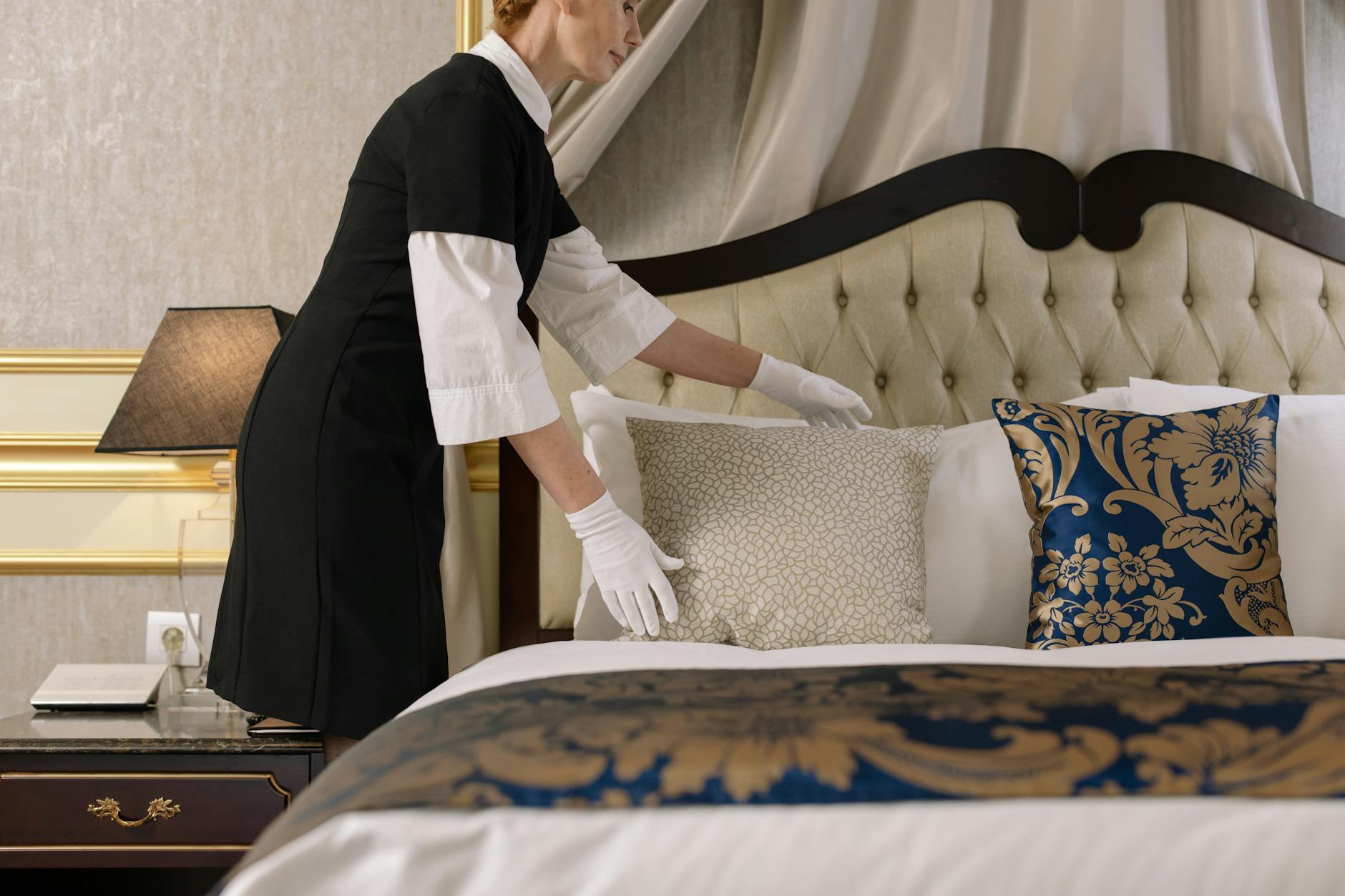
Manchester’s luxury hotel scene has grown dramatically. The city now boasts several genuinely world-class properties. The Stock Exchange Hotel on Norfolk Street, set inside the beautifully restored former Manchester Stock Exchange, is widely regarded as the city’s finest. The Midland Hotel on Peter Street is a grand Edwardian landmark that has hosted everyone from Churchill to the Rolling Stones. Kimpton Clocktower Hotel, housed in a stunning Refuge Assurance building, combines heritage architecture with contemporary style. Expect to pay £200 to £400 or more per night for these flagship properties.
Mid-Range Hotels
The mid-range bracket is where Manchester really excels in terms of value. Hotels such as the INNSiDE by Melia on First Street, Hotel Gotham overlooking King Street, and Dakota Manchester in the former Watts Warehouse offer stylish rooms, excellent service, and central locations for between £100 and £200 per night. Many of these properties occupy converted heritage buildings, giving them a distinctive character that sets Manchester apart from other cities.
Budget Hotels and Hostels
Budget travellers are well catered for in Manchester. Chains such as Premier Inn, Travelodge, and easyHotel have multiple locations across the city, with rooms sometimes available for under £50 per night if booked in advance. The YHA Manchester on Potato Wharf in Castlefield offers dorm beds from around £20. For more character on a budget, the Northern Quarter has several affordable independents. See our full guide to budget hotels and hostels in Manchester for detailed recommendations.
Aparthotels and Serviced Apartments
For longer stays or those wanting more space, Manchester’s aparthotel scene is thriving. Brands such as Wilde by Staycity, Roomzzz, Native Manchester, and SACO offer studio and one-bedroom apartments with kitchen facilities, often at rates competitive with traditional hotels. These are a particularly good option for families, groups, and business travellers on extended trips. Most are concentrated in the city centre and Ancoats.
When to Book and How to Find the Best Deals
Manchester hotel prices fluctuate significantly depending on the time of year and local events. The cheapest months are January and February, when you can find city-centre rooms for as little as £60 per night. Prices peak during major football weekends, the Christmas markets season (mid-November to late December), and big concert events at the AO Arena or Emirates Old Trafford.
Booking three to four weeks in advance typically secures the best rates for mid-range properties. For budget chains, rates are usually lowest when booked as far ahead as possible. If your dates are flexible, midweek stays (Sunday to Thursday) are almost always cheaper than weekends. Our detailed Manchester hotel deals and booking tips guide covers all the strategies for getting the best price.
It is also worth considering cancellation policies. Many hotels offer flexible rates that are slightly higher but allow free cancellation up to 24 hours before arrival — a wise choice if your plans might change.
Getting Around Manchester from Your Hotel
Manchester’s public transport network makes it easy to stay outside the city centre without feeling disconnected. The Metrolink tram system is the backbone, connecting areas including Didsbury, Chorlton, Salford Quays, MediaCityUK, and Manchester Airport to the city centre. Services run every six to twelve minutes during the day, and a day pass covering the central zones costs around £4.50.
The city centre itself is very walkable. From Piccadilly station to Deansgate is about a fifteen-minute stroll, and the Northern Quarter, Ancoats, and Castlefield are all within easy walking distance of each other. Manchester also has an expanding cycle hire scheme and comprehensive bus network. If you are arriving at Manchester Airport, the Metrolink tram to the city centre takes around forty minutes, or you can take a train to Piccadilly in about twenty minutes.
Areas to Approach with Caution
Manchester is a generally safe city for visitors, but like any major urban centre, some areas warrant a little extra awareness. Piccadilly Gardens, right in the city centre, is a busy transport hub by day but can attract antisocial behaviour in the late evening — choose accommodation a short walk away rather than directly overlooking it. Areas such as Moss Side and Cheetham Hill have historically had rougher reputations, though both have seen significant improvement in recent years. As a general rule, staying in any of the neighbourhoods covered in this guide will put you in a safe, well-served location.
Oxford Road Corridor and the University Quarter
The stretch of Oxford Road running south from the city centre through the university quarter is one of Manchester’s most dynamic corridors. Home to the University of Manchester, Manchester Metropolitan University, and the Royal Northern College of Music, this area buzzes with student energy and cultural activity. The Whitworth gallery, set in beautiful grounds, is a world-class free museum. The Contact Theatre and the Martin Harris Centre host a constant programme of performances. For visitors, the Oxford Road corridor offers convenient access to both the city centre and the leafy suburbs further south.
Accommodation along Oxford Road is more limited than in the Northern Quarter or Deansgate, but there are several solid mid-range options. The university area is well served by buses running into the city centre every few minutes, and Oxford Road railway station provides direct train connections. The area is particularly good for visitors attending events at the arena, visiting the universities, or wanting easy access to the curry restaurants of Rusholme’s famous Curry Mile, which lies a short walk further south along Wilmslow Road. Hotel prices here tend to be slightly lower than the city centre, typically ranging from £70 to £140 per night.
Best for: University visitors, culture seekers, budget-conscious travellers. Budget range: £70–£140 per night. Getting around: Oxford Road station; frequent bus services to city centre in five minutes.
Old Trafford and Trafford: For Football Fans
If you are visiting Manchester primarily for football, staying near Old Trafford puts you within walking distance of the Theatre of Dreams. The area around Manchester United’s iconic stadium has a growing selection of hotels, from the official Old Trafford Lodge right next to the ground to budget chains along the Chester Road corridor. On match days the atmosphere is electric, and being able to walk back to your hotel after the final whistle rather than battling through packed trams is a genuine luxury.
The nearby Trafford Centre, about fifteen minutes west by car or bus, is one of the largest shopping centres in the country and hosts the Legoland Discovery Centre and Sea Life Manchester — making this area a reasonable option for families as well. The Old Trafford Metrolink stop connects you to the city centre in about ten minutes. While the area lacks the dining and nightlife options of the city centre, the lower prices and matchday convenience make it a practical choice for sports-focused trips. Room rates around Old Trafford typically range from £55 to £120 per night.
Best for: Football fans, families visiting the Trafford Centre, budget travellers. Budget range: £55–£120 per night. Getting around: Old Trafford Metrolink stop; ten minutes to city centre by tram.
Staying Near Manchester Airport
If you have an early morning flight or a late arrival, staying near Manchester Airport can be the most practical choice. There is a cluster of hotels within walking distance or a short shuttle ride of the terminals, ranging from the Radisson Blu and Clayton Hotel to more affordable options like the Premier Inn and Travelodge along Ringway Road. Many airport hotels offer park-and-fly packages, combining one night’s accommodation with parking for the duration of your trip — a popular option for travellers heading abroad.
The airport area itself does not have much to offer in terms of sightseeing or dining, but the Metrolink tram runs directly from the airport to the city centre, with stops in Wythenshawe, Didsbury, and Chorlton along the way. If you want to combine airport convenience with a more interesting neighbourhood, consider staying in Didsbury and taking the tram to the airport on departure day — it takes around fifteen minutes. For a complete breakdown of your options, see our guide to the best hotels near Manchester Airport.
Best for: Early flights, late arrivals, park-and-fly travellers. Budget range: £50–£150 per night. Getting around: Airport Metrolink stop; forty minutes to city centre by tram, twenty minutes by train.
What to Expect at Different Price Points
Understanding what your money buys at different price levels helps set realistic expectations for where to stay in Manchester. At the budget end, between £40 and £70 per night, you can expect a clean, functional room in a well-known chain such as Premier Inn or Travelodge, or a bunk in a well-reviewed hostel. Rooms will be compact but comfortable, with an en-suite bathroom and basic amenities. The trade-off is usually a less central location or a more utilitarian feel.
In the mid-range bracket, from £80 to £160 per night, Manchester truly shines. This is where you find characterful independent hotels, well-located boutiques, and the better-placed chain properties. Rooms tend to be significantly larger, with higher-quality bedding, coffee machines, and often a distinctive design aesthetic — many of Manchester’s mid-range hotels occupy beautifully converted industrial or heritage buildings. Breakfast is sometimes included or available at a reasonable supplement.
At the luxury level, £180 per night and above, you are looking at Manchester’s finest properties. Expect spacious suites, premium toiletries, outstanding restaurants, spa facilities, and impeccable service. The Stock Exchange Hotel, The Midland, and Kimpton Clocktower represent the top tier, while properties like Hotel Gotham and King Street Townhouse offer a more intimate luxury experience. For a complete guide, see our luxury hotels in Manchester article. For visitors wanting something truly distinctive, our guide to unique and boutique places to stay covers the most characterful properties in the city.
Where to Stay in Manchester for Special Interests
For Nightlife
Manchester’s nightlife is legendary, and choosing the right area can make or break a night out. The Deansgate corridor and Peter Street are the epicentre of the mainstream club and bar scene. The Northern Quarter caters to those who prefer independent bars, live music, and craft beer. The Gay Village on Canal Street is one of the most vibrant LGBTQ+ nightlife scenes in Europe. For a full breakdown of which areas suit different nightlife preferences, read our dedicated guide to where to stay in Manchester for nightlife.
For Families
Families benefit from areas with space, safety, and easy access to child-friendly attractions. Salford Quays offers the best combination of museums, open space, and affordable hotels with family rooms. Didsbury provides a village atmosphere with parks and play areas. The city centre works well for older children who will enjoy the museums and shopping. Aparthotels are often the best accommodation type for families, offering separate sleeping areas and kitchen facilities that help keep costs down. Our family hotels in Manchester guide has full recommendations.
For Business
Business travellers typically prioritise fast Wi-Fi, a convenient location, and proximity to meeting venues. Spinningfields and the city centre deliver all three, with a concentration of hotels that cater specifically to the corporate market. The area around Manchester Central convention centre, at the southern end of the city centre near Castlefield, is ideal if you are attending events there. Many city-centre hotels offer day delegate packages and meeting room hire.
Practical Tips for Booking Manchester Accommodation
A few practical strategies will help you get the most value from your Manchester accommodation. First, always check the hotel’s location on a map relative to the nearest Metrolink tram stop. Being within a five-minute walk of a stop gives you access to the entire city without needing taxis. Second, read recent guest reviews carefully — Manchester’s hotel scene is evolving rapidly, and a property that was average two years ago may have been completely refurbished since then.
If you are visiting during the Christmas markets season, which runs from mid-November to late December, book as far ahead as possible. This is Manchester’s busiest tourist period and hotel prices can double or triple compared to the low season. Similarly, major football derbies between Manchester United and Manchester City, concerts at the AO Arena, and events at the Manchester Central convention centre all drive up demand. Checking event calendars before confirming your dates can save you a significant amount.
Consider the trade-off between price and breakfast. Many Manchester hotels offer room-only rates that look attractive, but adding breakfast at £15 to £20 per person quickly erodes the saving. If breakfast matters to you, look for properties where it is included in the rate, or plan to eat at one of the many excellent independent cafes near your hotel — this often works out cheaper and gives you a more authentic Manchester experience.
Finally, do not overlook aparthotels and serviced apartments, especially for stays of three nights or more. The ability to cook some of your own meals, do laundry, and spread out in a living area often makes these better value than equivalent hotel rooms, particularly for families and small groups. Many of Manchester’s aparthotels are in excellent city-centre locations and offer hotel-style amenities including reception desks, gyms, and daily housekeeping.
Choosing Your Perfect Manchester Base
Where to stay in Manchester ultimately comes down to what you want from your trip. The city centre and Deansgate deliver maximum convenience and nightlife. The Northern Quarter and Ancoats offer creative energy and the best independent food and drink scene. Castlefield provides history and calm. Salford Quays serves up culture and value. Didsbury and Chorlton offer village charm with easy city access.
Whatever your budget, travel style, or reason for visiting, Manchester has a neighbourhood and accommodation type to match. This city rewards exploration, and choosing the right base is the first step to making the most of everything it has to offer. Browse our detailed guides to luxury hotels, city centre hotels, budget stays, boutique properties, and airport hotels for specific recommendations tailored to your needs.
Booking for a big group is a different problem entirely — party apartments, aparthotels and hotel blocks each have their own catch. Our groups and celebrations guide compares them with real per-head costs.
Booking around a spa? Our guide to spa hotels and hotels with hot tubs in Manchester is honest about what the city centre can and cannot offer, and when Cheshire is the better call.
Coming for a match or a gig rather than the city itself? Our guide to stadium and arena hotels covers the few hotels genuinely close to Old Trafford, the Etihad and Co-op Live, and which city-centre bases put you ten minutes away by tram.