This article contains advertising. Our booking links are routed through a partner that adds commission tracking automatically, so if you book through one we earn a commission from the provider, at no extra cost to you. It never affects what we recommend. Affiliate disclosure
Manchester museums tell the story of a city that has shaped the modern world. From the birthplace of the Industrial Revolution to the splitting of the atom, from the suffragette movement to the evolution of football, Manchester’s cultural institutions preserve and celebrate an extraordinary heritage. The best part? Almost all of Manchester museums offer free admission, making this one of the most culturally accessible cities in Britain.
This guide to Manchester museums and cultural attractions covers the major institutions, hidden gems, world-class galleries, historic libraries, and performing arts venues that make Manchester a genuine rival to London for cultural depth. Whether you are visiting for a weekend or exploring as a local, these Manchester museums and cultural spaces deserve your time.
Manchester’s museum quarter stretches along the Oxford Road corridor from the city centre to Whitworth Park, but cultural attractions are scattered across the wider city — from Salford Quays to the Northern Quarter, from Castlefield to Spinningfields. A single day is enough to visit several Manchester museums, but culture lovers will find enough here to fill a week.
Science and Industry Museum: Where the Modern World Began
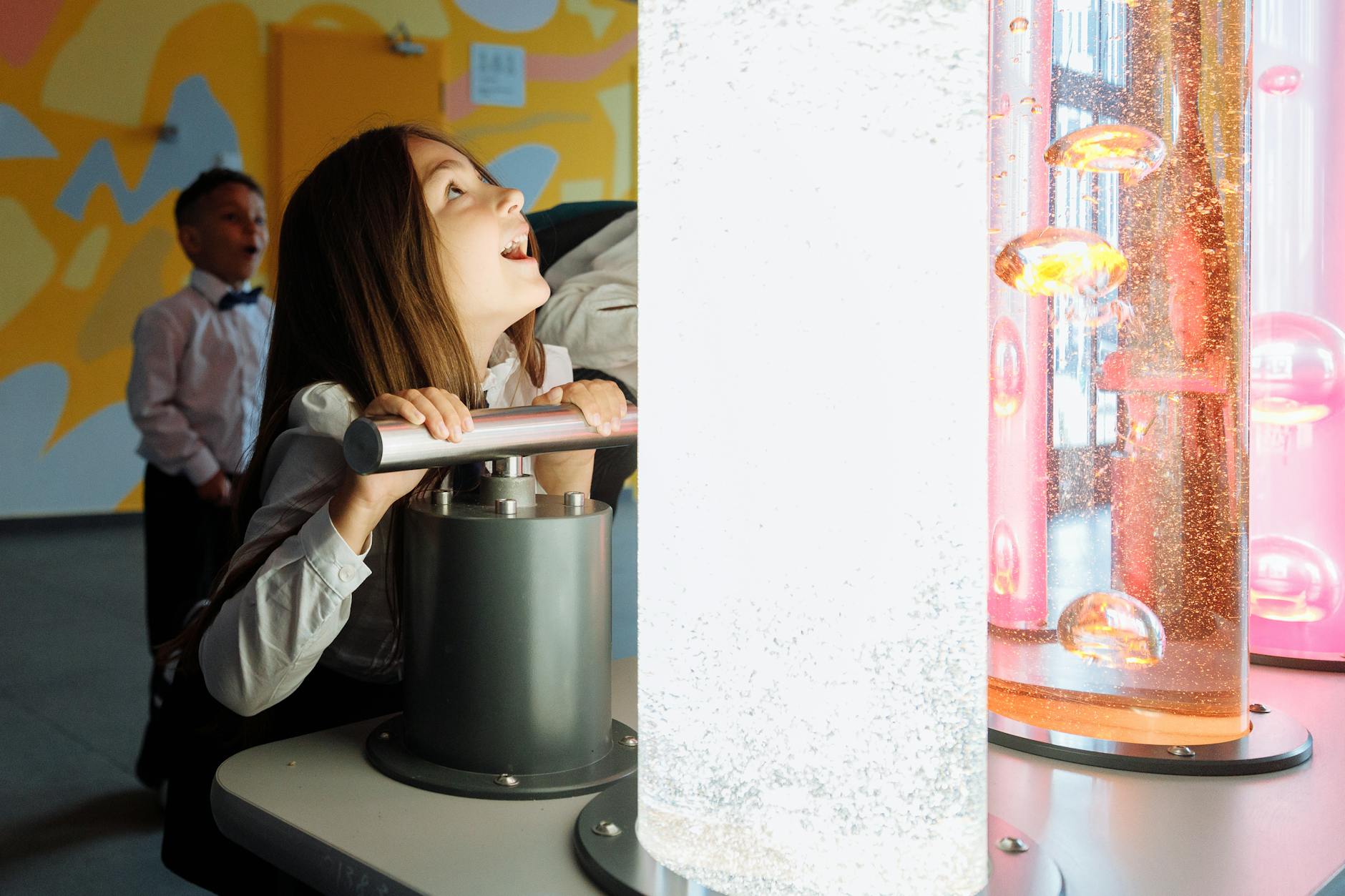
The Science and Industry Museum occupies the site of the world’s first inter-city passenger railway station — Liverpool Road Station, which opened in 1830. This location alone makes it one of the most historically significant Manchester museums, but the collections inside bring 250 years of scientific and industrial innovation vividly to life.
The museum’s permanent galleries explore Manchester’s role as the powerhouse of the Industrial Revolution. The Power Hall houses steam engines, gas engines, and electricity generators. The steam engines are temporarily out of service, but electrically driven demonstrations continue, so you still see the machines at work. The Textiles Gallery traces the story of cotton — from raw material to finished fabric — showing how Manchester became Cottonopolis, the centre of the global cotton trade.
The Revolution Manchester gallery tells the story of the city’s innovations, including the first stored-programme computer (built at the University of Manchester in 1948), the splitting of the atom by Ernest Rutherford at Manchester University in 1917, and the development of graphene — the world’s thinnest and strongest material, discovered at Manchester in 2004. These are not dusty exhibits but interactive displays that connect Manchester’s past achievements to current scientific research.
The Air and Space Hall houses aircraft ranging from a replica of Alcock and Brown’s Vimmy — the plane that made the first non-stop transatlantic flight in 1919 — to a Shackleton bomber and a Japanese Zero fighter. The museum also hosts a busy programme of temporary exhibitions and family-friendly events. Admission is free, though some special exhibitions and experiences carry a charge.
Families visiting the Science and Industry Museum should look out for the Experiment Gallery, a hands-on space where children can explore scientific concepts through play — building bridges, creating circuits, and testing aerodynamics. The museum’s location on Liverpool Road, at the junction of Castlefield and Spinningfields, makes it easy to combine with a walk along the Bridgewater Canal or a visit to the People’s History Museum nearby. Plan for at least two to three hours to do the museum justice, though enthusiasts could easily spend a full day among these Manchester museums galleries.
Manchester Museum: From Egyptian Mummies to Living Vivarium
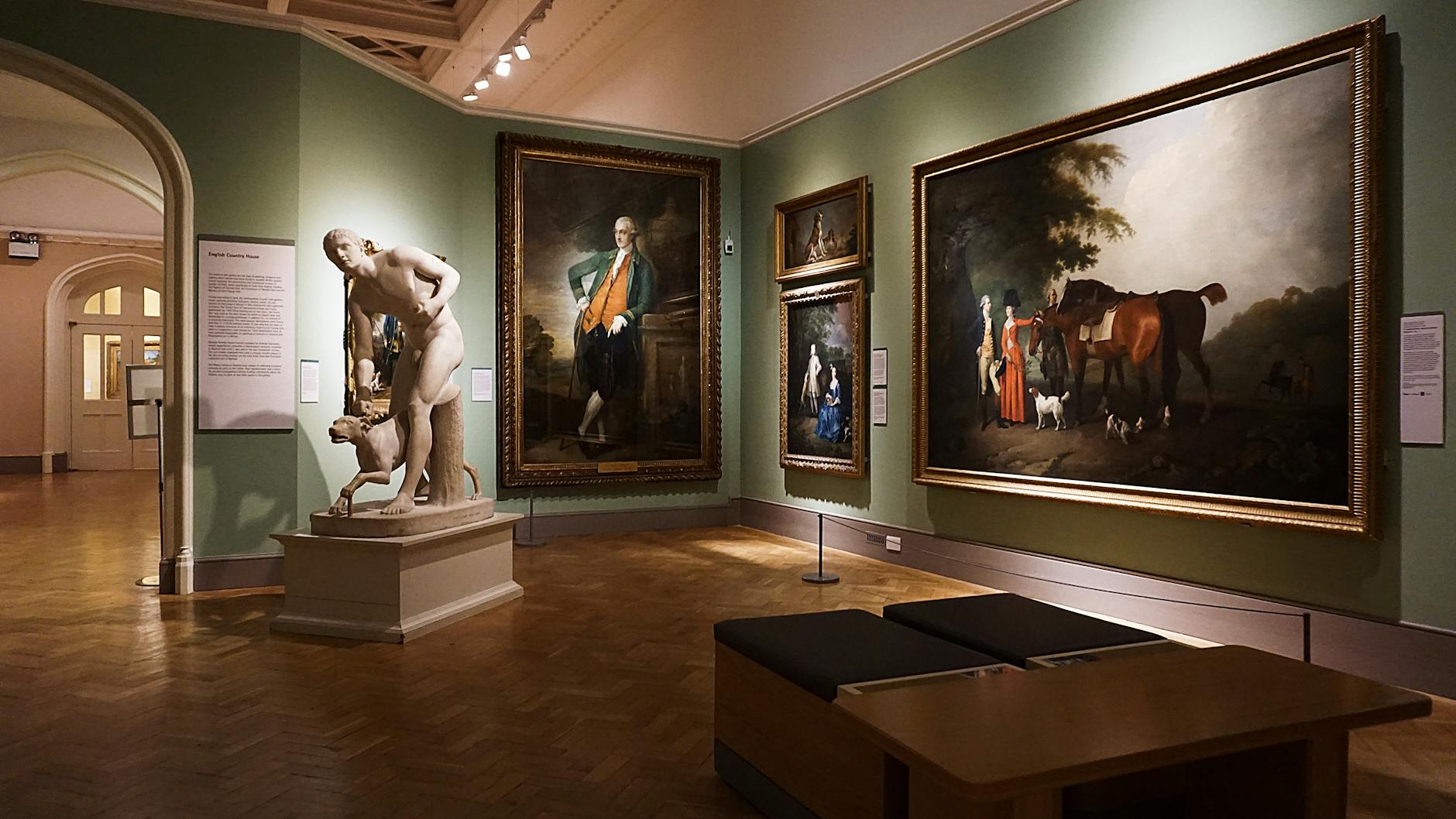
Manchester Museum, part of the University of Manchester, reopened in 2023 after a major £15 million transformation that has made it one of the most exciting Manchester museums for visitors of all ages. Located on Oxford Road, the museum holds over 4.5 million objects spanning archaeology, natural history, and living cultures.
The Golden Mummies of Egypt gallery is the museum’s headline attraction, displaying the university’s outstanding Egyptology collection including mummified remains, coffins, jewellery, and funerary objects that illuminate daily life and death in ancient Egypt. The display is both scholarly and accessible, with interactive elements that help younger visitors understand the civilisation behind the artefacts.
The South Asia Gallery, created in partnership with the British Museum, explores the rich cultural heritage of South Asia and its connections to Manchester — a relationship shaped by centuries of textile trade. The Lee Kai Hung Chinese Culture Gallery similarly examines the deep connections between Chinese culture and Manchester’s Chinese community, one of the oldest in Europe.
The museum’s natural history collections include a 130-year-old sperm whale skeleton, extensive geological specimens, and a vivarium housing live amphibians, reptiles, and invertebrates — making it a particular hit with families. The building itself, a neo-Gothic structure dating from 1888, is worth visiting for its architecture alone. Free admission, with donations encouraged.
The museum’s 2023 redevelopment also introduced the Belonging Gallery, which explores themes of migration, identity, and what it means to belong — a subject with particular resonance in Manchester, one of Britain’s most diverse cities. The new South Asia Gallery and Chinese Culture Gallery reflect the museum’s commitment to representing the communities that make up modern Manchester, moving beyond the colonial collecting practices that shaped many Victorian institutions. This thoughtful approach to curation makes Manchester Museum stand out among Manchester museums nationally and has been widely praised by critics and visitors alike.
Manchester Art Gallery: Pre-Raphaelites and Contemporary Masters
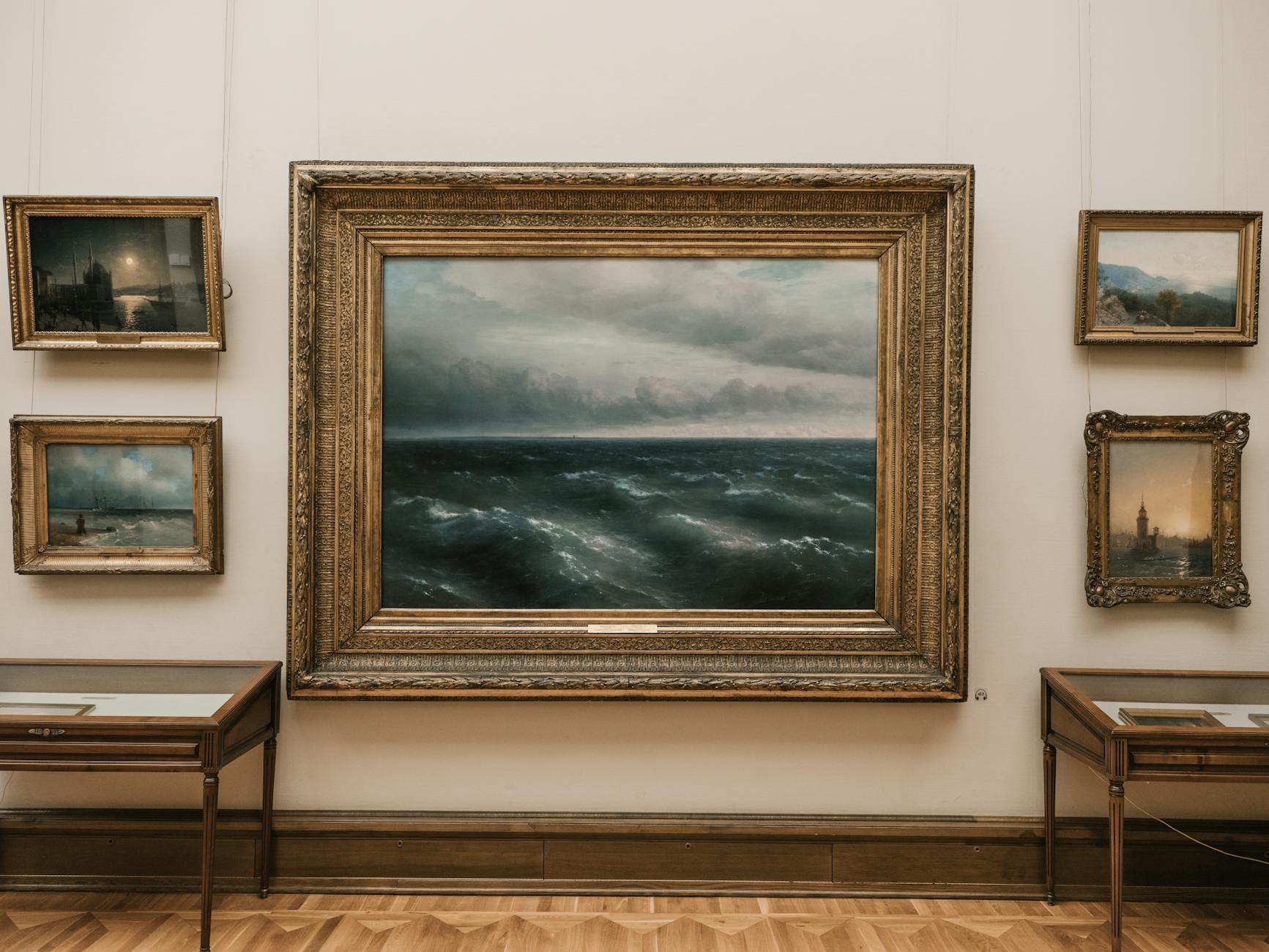
Manchester Art Gallery on Mosley Street is one of the city’s cultural jewels and among the finest Manchester museums for art lovers. Housed in a Grade I listed neoclassical building designed by Sir Charles Barry — the architect of the Houses of Parliament — the gallery holds a collection of over 25,000 objects spanning seven centuries.
The Pre-Raphaelite collection is the gallery’s crown glory. Manchester Art Gallery holds one of the most important collections of Pre-Raphaelite paintings in the world, including iconic works by Ford Madox Brown, Dante Gabriel Rossetti, John Everett Millais, and William Holman Hunt. Ford Madox Brown’s Work — a monumental painting depicting Victorian Manchester society — is perhaps the single most celebrated artwork in any of Manchester’s museums.
Beyond the Pre-Raphaelites, the gallery’s collection encompasses Dutch and Flemish Old Masters, eighteenth-century British portraiture, and an increasingly strong programme of contemporary art exhibitions that challenge and complement the historical collection. The decorative arts galleries showcase furniture, ceramics, glass, and silverware, while the craft and design collection includes important textile pieces reflecting Manchester’s manufacturing heritage.
The gallery’s interactive space for families, which encourages children to create their own art in response to the collection, has won numerous awards for its approach to arts education. The building’s grand entrance hall and sweeping staircases provide a dramatic setting that enhances the viewing experience. Manchester Art Gallery is free to enter and hosts regular late-night openings, talks, and events.
The gallery’s Lee Yong Moo Gallery of Costume houses one of the largest collections of clothing and fashion accessories in Britain, with over 20,000 items spanning four centuries. Highlights include garments from the eighteenth century through to contemporary designer pieces, providing a fascinating window into social history through fashion. Manchester Art Gallery’s central location on Mosley Street — between Piccadilly Gardens and St Peter’s Square — makes it one of the most accessible Manchester museums, and its ground-floor café is a popular meeting spot in the city centre.
Another hidden gem among Manchester museums and cultural spaces is the Pankhurst Centre on Nelson Street, the former home of Emmeline Pankhurst where the suffragette movement was born in 1903. This small but powerful museum, run by volunteers, preserves the parlour where the Women’s Social and Political Union was founded and tells the story of the women who fought for the right to vote. Nearby, the Emmeline Pankhurst statue in St Peter’s Square provides a focal point for remembering Manchester’s central role in the struggle for women’s suffrage.
The Manchester Craft and Design Centre in the Northern Quarter, housed in a former Victorian fish market, offers a different cultural experience — working studios where you can watch artists, jewellers, ceramicists, and textile designers creating their work, with finished pieces available to purchase directly. This living gallery blurs the line between Manchester museums and retail, providing a uniquely hands-on cultural encounter in one of the city’s most creative neighbourhoods.
The Whitworth: Art Meets Parkland
The Whitworth, also part of the University of Manchester, sits at the southern end of Oxford Road where the city meets Whitworth Park. After a £15 million redevelopment completed in 2015 — which earned it the Art Fund Museum of the Year prize and a Stirling Prize shortlisting — this gallery has become one of the most architecturally striking Manchester museums.
The extension, designed by MUMA architects, added dramatic glass-fronted galleries that blur the boundary between interior exhibition space and the surrounding parkland. The Landscape Gallery frames views of the park’s trees through floor-to-ceiling windows, while the Art Garden extends the gallery experience outdoors. The effect is transformative — artworks are experienced in dialogue with nature rather than in the white-box isolation typical of most galleries.
The Whitworth’s collection of over 55,000 works includes prints and drawings from the Renaissance to the present day, with significant holdings by Picasso, Lucian Freud, Francis Bacon, and Tracey Emin. The textile collection is one of the most important in Britain, encompassing historical fabrics from around the world and contemporary textile art. The wallpaper collection — one of the largest outside the Victoria and Albert Museum — documents decorative trends across four centuries.
A visit to the Whitworth pairs naturally with Manchester Museum, as both sit on Oxford Road and can be comfortably covered in a single morning or afternoon. The Whitworth is free to enter and its café, overlooking the park, is one of the most pleasant spots in south Manchester for coffee and cake.
The Whitworth’s education programme is one of the most ambitious of any Manchester museums, with regular artist-led workshops, family drop-in sessions, and community projects that connect the gallery’s collections with contemporary social issues. The gallery also maintains an active programme of artist residencies, resulting in new commissions that keep the collection feeling fresh and relevant. For visitors with limited time, the Whitworth’s combination of outstanding art, beautiful architecture, and parkland setting makes it one of the most rewarding single stops among all Manchester museums.
John Rylands Library: A Cathedral of Books
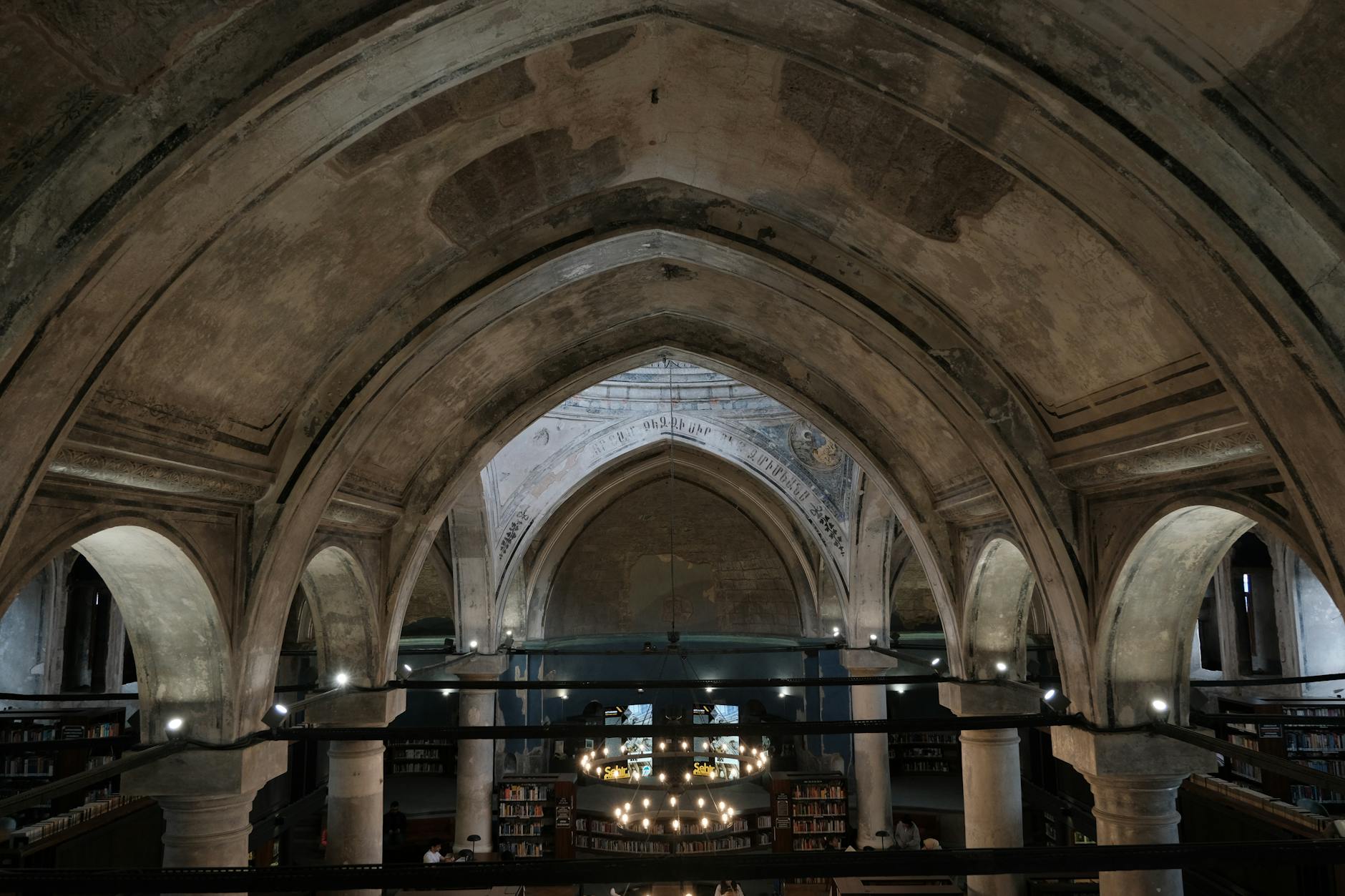
The John Rylands Research Institute and Library on Deansgate is not technically one of Manchester’s museums, but it is arguably the city’s most breathtaking cultural experience. Built between 1890 and 1899 by Enriqueta Rylands as a memorial to her husband, the textile magnate John Rylands, this neo-Gothic masterpiece is widely considered one of the finest Victorian buildings in Britain.
The reading room, with its vaulted ceiling, stained glass windows, and carved stone alcoves, has drawn comparisons to a medieval cathedral. The architectural details — from the carved faces on the column capitals to the ornate ironwork of the galleries — reward extended examination. Photographers, in particular, find the library’s interiors endlessly compelling, with dramatic lighting that changes throughout the day.
The library’s collections are equally remarkable. The St John Fragment, dating from around AD 125, is believed to be the oldest surviving piece of the New Testament. The library holds a Gutenberg Bible (one of only 49 known copies), William Caxton’s first printed editions, medieval illuminated manuscripts, and personal papers of notable figures including Elizabeth Gaskell and the Brontë family. Rotating exhibitions make each visit different, drawing on the library’s vast archive of over 250,000 printed volumes and more than a million manuscripts and archival items.
Free to visit, the John Rylands Library also hosts a programme of events including literary talks, exhibitions, and workshops. The building’s Deansgate location makes it easy to combine with a visit to Manchester Art Gallery, the People’s History Museum, or shopping in the city centre.
Imperial War Museum North: Conflict and Compassion

Imperial War Museum North (IWM North) in Salford Quays is one of the most architecturally dramatic Manchester museums. Designed by Daniel Libeskind and opened in 2002, the building itself makes a powerful statement — its fractured aluminium-clad form represents a globe shattered by conflict, with three interlocking shards symbolising land, air, and water.
Inside, the museum takes a deliberately people-centred approach to the subject of war. Rather than glorifying military hardware, the exhibitions explore how armed conflicts have shaped the lives of ordinary people — soldiers and civilians, families and communities. The main exhibition space features six themed areas covering topics from the Home Front to science and technology in warfare, each blending personal testimonies with historical objects.
The Big Picture Show, which takes place several times daily, transforms the entire main exhibition space into an immersive 360-degree audiovisual experience, projecting images and sound across the walls and floor. The effect is overwhelming and deeply moving, particularly the Remembrance show that honours those affected by conflict. IWM North hosts an active programme of temporary exhibitions and events, with recent shows exploring themes from refugees’ experiences to war photography.
Located alongside The Lowry and MediaCityUK, IWM North is easily reached via the Metrolink tram to MediaCityUK or Imperial War Museum stops. Admission is free, and a visit here combines naturally with The Lowry’s galleries and theatre or a walk along the Quays. Allow two to three hours for a thorough visit to this compelling museum.
The museum’s architecture deserves special attention. Daniel Libeskind designed the building as a statement about the devastating impact of war, and the interior spaces — with their angular walls, unexpected sightlines, and dramatic shifts in scale — create a disorienting atmosphere that reinforces the exhibition’s emotional impact. The observation platform at the top of the Air Shard offers panoramic views across the Manchester Ship Canal, MediaCityUK, and the city skyline, providing a contemplative space to reflect after the intensity of the galleries below.
National Football Museum: The Beautiful Game’s Greatest Collection
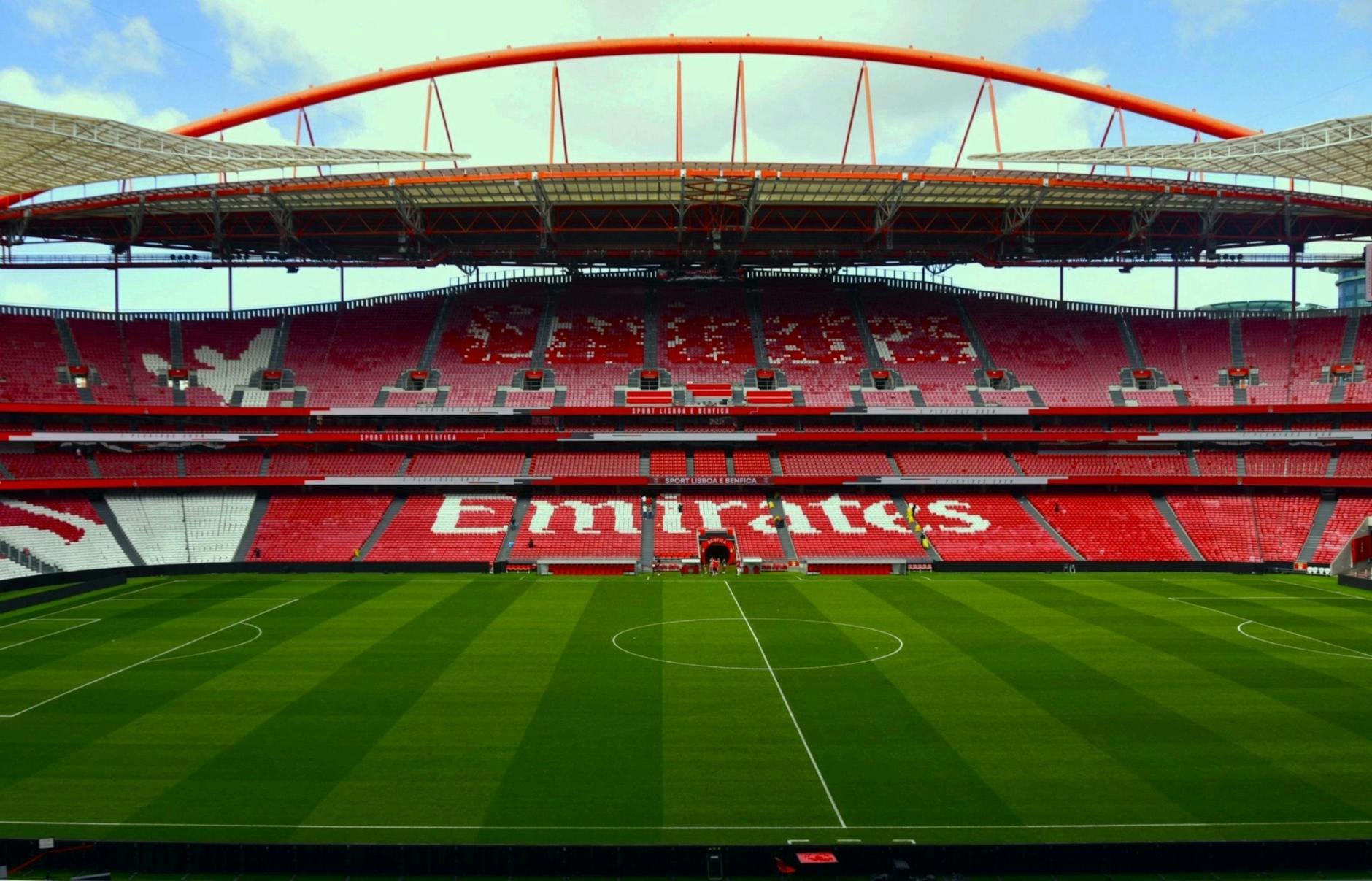
The National Football Museum in the Urbis building at Cathedral Gardens is one of Manchester’s most popular museums and the world’s largest museum dedicated to football. Manchester — home to two of the world’s most famous football clubs — is the natural home for this collection, which traces the sport’s evolution from its origins to the global phenomenon it is today.
The museum’s collection includes the FIFA World Cup that England won in 1966, the oldest surviving FA Cup, original match programmes and tickets dating back to the nineteenth century, and personal memorabilia from legends including Pelé, Diego Maradona, Sir Bobby Charlton, and George Best. Interactive exhibits allow visitors to test their skills in a penalty shootout, commentary booth, and tactics room, making it engaging for both dedicated fans and casual visitors.
The Football Plus+ experience on the top floor (which carries a small charge) offers immersive activities including a motion-capture penalty challenge and a virtual reality football experience. The museum’s temporary exhibitions regularly explore football’s intersection with culture, identity, and social change — past shows have examined topics from football and fashion to the sport’s role in fighting discrimination. Free admission to the main galleries, with the museum open daily in the city centre.
The National Football Museum‘s location in the Urbis building — a distinctive glass-fronted landmark at Cathedral Gardens — places it within walking distance of Manchester Cathedral, Chetham’s Library, and the Arndale Centre. The museum shop is one of the best specialist football bookshops in the country, stocking titles ranging from tactical analysis to football poetry. Combined with a visit to either Old Trafford (Manchester United Museum and Stadium Tour) or the Etihad Stadium (Manchester City’s stadium tour), football fans can immerse themselves in Manchester’s unparalleled footballing heritage across several of the city’s Manchester museums and visitor attractions.
People’s History Museum: Democracy and Working Lives
The People’s History Museum on Left Bank in Spinningfields is the national museum of democracy — the only Manchester museum dedicated to telling the story of working people’s fight for rights, representation, and social justice. Housed in a converted Edwardian hydraulic pumping station on the banks of the River Irwell, the museum holds the largest collection of trade union banners in the world and extensive archives documenting social movements from the Peterloo Massacre to present-day campaigns.
The permanent gallery, Main Gallery One, takes visitors chronologically from the Peterloo Massacre of 1819 — when cavalry charged into a crowd of 60,000 peaceful pro-democracy protesters in St Peter’s Field, killing 18 — through the Chartist movement, the rise of trade unions, women’s suffrage, and the creation of the welfare state. Manchester’s central role in each of these movements makes the museum particularly resonant when visited in the city where these events unfolded.
The museum’s collection of suffragette material is nationally important, including banners, badges, photographs, and personal items belonging to Emmeline Pankhurst and her daughters Christabel and Sylvia — all Mancunians who founded the Women’s Social and Political Union in Manchester in 1903. The museum is free to enter, with a recommended donation, and sits within easy walking distance of Spinningfields, Castlefield, and Deansgate.
The museum’s upper gallery, Main Gallery Two, brings the story into the twentieth and twenty-first centuries, exploring the NHS, the miners’ strikes, race relations, LGBTQ+ rights, and contemporary activism. Interactive exhibits allow visitors to vote on historical dilemmas and debate current issues, making this one of the most thought-provoking Manchester museums. The Engine Hall — the original pumping station machinery room — provides a dramatic backdrop for temporary exhibitions and is available for private events. The museum’s gift shop, unusually for Manchester museums, stocks an excellent range of politically themed books, prints, and merchandise.
Performing Arts and Live Culture in Manchester
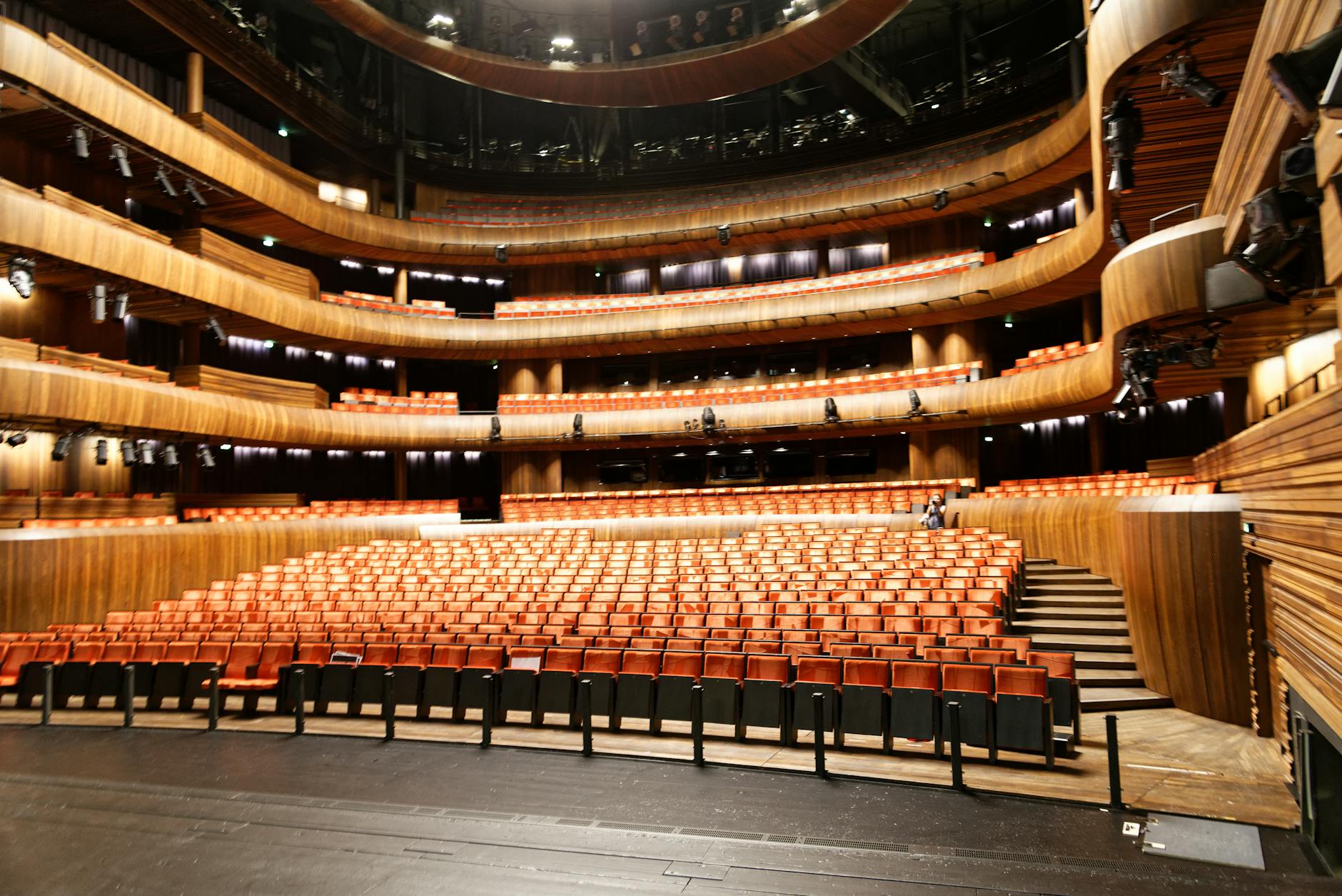
Manchester’s cultural scene extends far beyond its museums and galleries into a thriving performing arts landscape. The Royal Exchange Theatre, housed inside a remarkable steel and glass module suspended within the Grade II listed former Cotton Exchange, offers a unique theatre-in-the-round experience where no audience member sits more than ten metres from the stage. The programme ranges from classic dramas to bold new writing, with the intimate space creating an intensity that larger venues cannot match.
HOME, Manchester’s centre for contemporary art, theatre, and film on First Street, brings together two auditoriums, five cinema screens, and a gallery under one roof. Since opening in 2015, HOME has established itself as one of the most important cultural venues in Northern England, programming international theatre, independent cinema, and boundary-pushing visual art. The building itself — designed by Mecanoo — is a striking addition to Manchester’s architectural landscape.
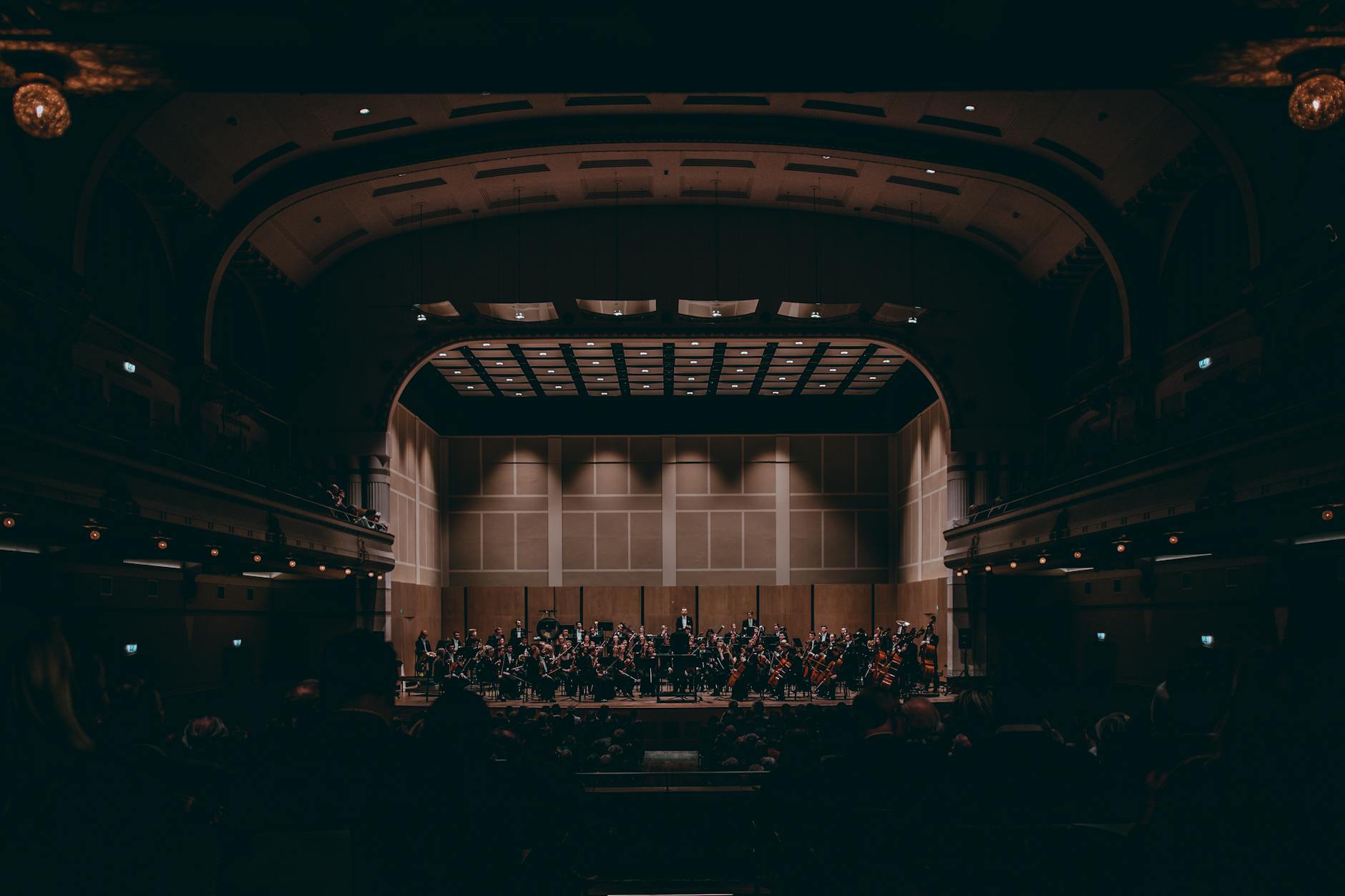
The Bridgewater Hall, home of the Hallé Orchestra since 1996, is Manchester’s premier classical music venue. The Hallé, founded by Sir Charles Hallé in 1858, is one of the oldest professional symphony orchestras in the world. The main auditorium seats 2,341 and houses a £1.2 million pipe organ with 5,500 pipes. Beyond the Hallé’s own season, the Bridgewater Hall hosts visiting orchestras, solo recitalists, jazz, folk, and spoken word events throughout the year.
Other important cultural venues include the Palace Theatre and Opera House (collectively known as ATG Manchester), which host major touring West End musicals, ballet, and opera; the Contact Theatre on Oxford Road, which specialises in work by and for young people; and Band on the Wall in the Northern Quarter, one of the UK’s most important live music venues, which has hosted performances by artists from Buzzcocks to Björk since 1803.
Manchester’s cultural calendar is packed year-round with festivals that bring additional dimensions to the city’s museum and arts scene. The Manchester International Festival, held biennially (next in 2027), commissions entirely new works across visual art, theatre, music, and dance — many premiered in Manchester museums and galleries before touring internationally. Factory International, the purpose-built cultural venue that opened in 2023, hosts large-scale immersive experiences and art installations that push the boundaries of what museum and gallery spaces can offer.
The annual Manchester Literature Festival, Manchester Jazz Festival, and Manchester Science Festival each draw thousands of visitors and frequently use Manchester museums as venues, transforming gallery spaces into performance venues, debate halls, and workshop studios. This integration of festivals and permanent cultural institutions creates a dynamic and ever-changing arts ecology that few British cities outside London can match.
Chetham’s Library: The Oldest Public Library in English
Chetham’s Library, tucked beside Manchester Cathedral and Victoria Station, holds the distinction of being the oldest public library in the English-speaking world, founded in 1653 in a medieval building dating from 1421. The library was established by Humphrey Chetham, a wealthy Manchester banker and textile merchant, who left instructions in his will for a free library accessible to all scholars.
The library’s interior has changed remarkably little since the seventeenth century. Original dark oak bookcases, chained reading desks, and leaded windows create an atmosphere of scholarly calm that transports visitors centuries back in time. Karl Marx and Friedrich Engels famously studied here during their visits to Manchester in the 1840s and 1850s — the window alcove where they worked is still preserved, and their reading desk bears a commemorative plaque.
Visits to Chetham’s Library are by guided tour only and must be booked in advance, but the experience is well worth the planning. The guides bring the library’s history to life, explaining its collection of over 100,000 printed volumes and connecting the building’s story to Manchester’s broader historical narrative. Combined with the adjacent Chetham’s School of Music — the largest specialist music school in the UK — the complex represents one of the most historically important sites among all Manchester museums and cultural attractions.
Planning Your Manchester Museums Visit
Almost all major Manchester museums offer free admission, making it possible to explore world-class collections without spending a penny on entry fees. The Oxford Road corridor — home to Manchester Museum, the Whitworth, and the Contact Theatre — can be covered in a half-day walk, while the city centre cluster of Manchester Art Gallery, the John Rylands Library, the National Football Museum, and the People’s History Museum occupies a compact area easily navigated on foot.
The Lowry in Salford Quays deserves special mention as one of Manchester’s most visited cultural venues. This striking waterfront building, named after the artist L.S. Lowry, combines two theatre spaces — the 1,730-seat Lyric and the more intimate 466-seat Quays — with free gallery spaces displaying Lowry’s distinctive paintings of industrial Lancashire alongside touring contemporary art exhibitions. The Lowry’s programme ranges from West End musicals to experimental dance, stand-up comedy to children’s shows, making it one of the most versatile cultural destinations among Manchester museums and performing arts venues.
For Salford Quays attractions — IWM North, The Lowry, and MediaCityUK — take the Metrolink tram from the city centre (around 20 minutes). Most Manchester museums open from 10am to 5pm, with some offering extended hours on certain evenings. Weekday mornings are generally the quietest times to visit, while school holidays bring larger crowds to family-friendly venues like the Science and Industry Museum and Manchester Museum.For more help planning your time in Manchester, explore our guides to things to do in Manchester, where to stay, the best restaurants, Manchester nightlife, and Manchester neighbourhoods. With so many Manchester museums and cultural attractions to choose from, this is a city that rewards curiosity — and
For visitors keen to explore as many Manchester museums as possible, consider downloading the Visit Manchester app or picking up a free cultural map from the Manchester Visitor Information Centre at Piccadilly Gardens. Many Manchester museums also offer joint programming and themed trails that connect related exhibitions across different venues — look out for these on individual museum websites or the Visit Manchester cultural listings page.
With such depth and variety, returning visitors always find something new to discover.