This article contains advertising. Our booking links are routed through a partner that adds commission tracking automatically, so if you book through one we earn a commission from the provider, at no extra cost to you. It never affects what we recommend. Affiliate disclosure
Getting around Manchester is straightforward, affordable, and increasingly seamless thanks to the Bee Network — Greater Manchester’s integrated public transport system. Whether you’re arriving by plane, train, or car, getting around Manchester once you’re here requires minimal effort. The city centre is compact and walkable, while the Metrolink tram, bus network, trains, and cycle hire extend your reach to every corner of Greater Manchester and beyond.
This guide covers every transport option for getting around Manchester as a visitor, from airport transfers to neighbourhood hopping, including fares, apps, and practical tips that will save you time and money.
Getting to Manchester: Airport, Rail, and Road
Manchester Airport is the UK’s third-busiest airport and the largest outside London, serving over 200 destinations worldwide. Two terminals now handle flights from major international airlines, low-cost carriers and charter operators — our full Manchester Airport guide explains which one you need, and covers parking, security and lounges. Getting around Manchester starts with your airport transfer, and several options connect the airport to the city centre.
The train from Manchester Airport to Manchester Piccadilly is the fastest option, taking just 15-20 minutes with services running every 10 minutes throughout the day. A one-way ticket costs from £2.80. Piccadilly station sits at the eastern edge of the city centre, within walking distance of most hotels and attractions. The Metrolink tram also serves the airport, taking 30-40 minutes to reach the city centre but connecting to more stops along the way — useful if your accommodation is near a tram stop rather than Piccadilly.
Buses run 24 hours a day between the airport and the city centre, costing £3-5 with a journey time of 30-40 minutes depending on traffic. This is the only option for late-night arrivals when trains and trams aren’t running. The 43 bus service operates 24 hours and connects all three terminals to Piccadilly Gardens via Wythenshawe and Northenden.
Manchester Airport has three terminals, each handling different airlines. Terminal 1 serves most long-haul carriers and some short-haul operators. Terminal 2 handles many European and budget carriers. Terminal 3 is used by a mix of airlines. A free inter-terminal shuttle bus connects all three. The airport has undergone major redevelopment in recent years, with Terminal 2 receiving a £1 billion transformation that includes a new departure lounge, additional gates, and improved retail and dining facilities.
For visitors arriving from Europe, Eurostar services from Paris and Brussels connect to Manchester via London St Pancras and a simple cross-London transfer to Euston. The total journey takes approximately 5-6 hours, making rail a viable and environmentally friendly alternative to flying for European visitors. National Express and Megabus coaches also serve Manchester from cities across the UK, arriving at Chorlton Street coach station, a short walk from Piccadilly Gardens. Taxis from the airport to the city centre cost approximately £25-35 and take 15-25 minutes outside peak hours. For families or groups of three or more, a taxi can work out similar in price to individual train tickets while offering door-to-door convenience.
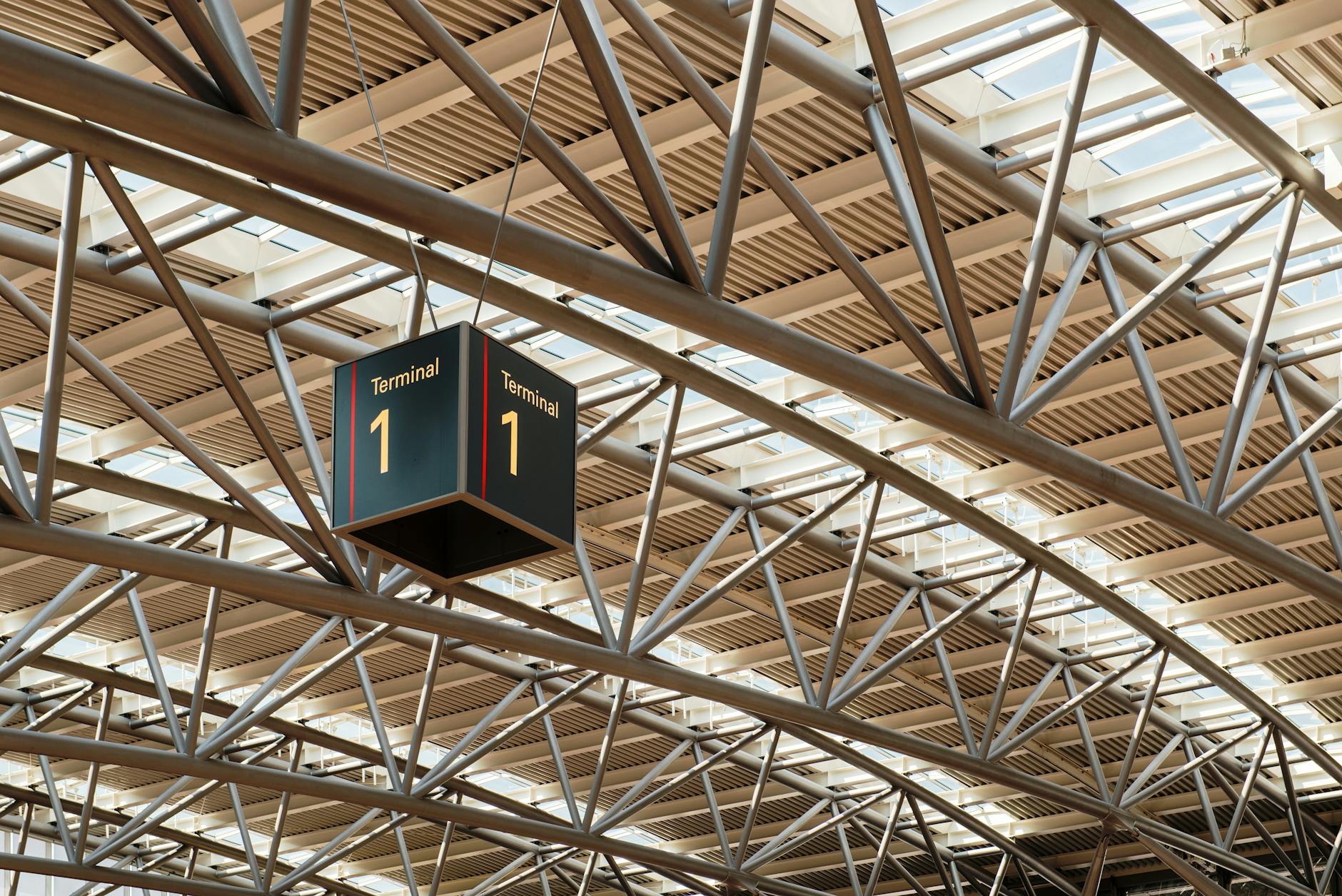
Manchester Piccadilly is the city’s main railway station, with direct services from London Euston (2 hours 10 minutes by Avanti West Coast), Birmingham, Edinburgh, Glasgow, Liverpool, Leeds, and most major UK cities. Manchester Victoria, the city’s other main station, handles services from Liverpool, Leeds, and Yorkshire. Both stations connect to the Metrolink tram network, making onward getting around Manchester simple from either arrival point.
Drivers approaching Manchester will find the city encircled by the M60 motorway, with the M62, M61, M56, and M6 providing connections from all directions. City-centre parking is expensive — expect £15-25 per day in NCP car parks — and navigating the one-way systems can be challenging for first-time visitors. Park-and-ride facilities at several Metrolink stations on the outskirts offer a more relaxed alternative, with free parking and a tram ride into the centre.
Metrolink Tram: The Backbone of Getting Around Manchester
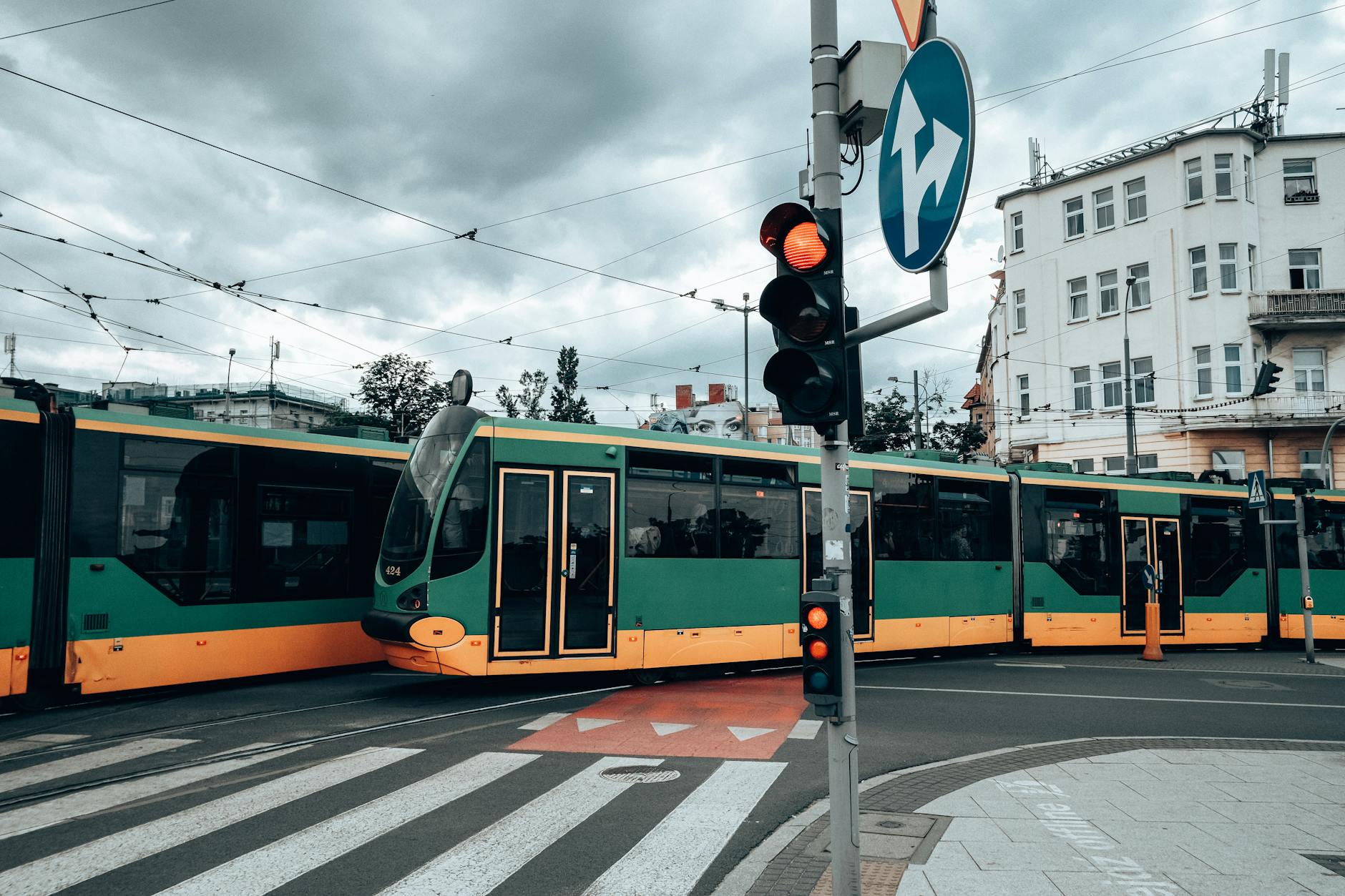
The Metrolink tram network is the most useful transport system for visitors getting around Manchester. With 57 miles of track and 99 stations across nine lines, Metrolink connects the city centre to the airport, Old Trafford (football and cricket), the Trafford Centre, MediaCityUK in Salford Quays, Bury, Rochdale, Oldham, Ashton-under-Lyne, Altrincham, East Didsbury, and Eccles.
Trams run from approximately 6:00 to midnight on weekdays (later on Friday and Saturday nights), with services every 6-12 minutes on most lines during the day. The city centre has several interchange stops — St Peter’s Square, Market Street, Piccadilly Gardens, Victoria, Exchange Square, and Deansgate-Castlefield — making it easy to switch between lines.
Fares are calculated by zone, but the simplest approach for visitors is to use contactless payment. Tap your bank card or phone at the yellow reader when you board and again when you alight. The system calculates the cheapest fare automatically, and daily spending is capped at £5 for bus-only travel or £9.50 for combined bus and tram. This fare cap means you never need to worry about buying the wrong ticket — just tap and go.
Metrolink stops have platform displays showing the next tram and its destination, making getting around Manchester intuitive even without the app. All trams are modern, air-conditioned, and have level boarding for wheelchair users and pushchairs. Luggage space is available but limited during rush hour — if arriving with suitcases, try to travel outside peak times. Most tram stops are unstaffed, so any issues can be reported via the Metrolink helpline or app.
The Metrolink network continues to expand. Recent additions include the Trafford Park line (serving the Trafford Centre) and improvements to the airport line. Plans for further extensions and increased frequency are part of Greater Manchester’s long-term transport strategy, meaning getting around Manchester by tram will only become easier in the coming years.
Key Metrolink routes for tourists include: Piccadilly to Old Trafford (Manchester United and cricket ground, 10 minutes), Piccadilly to MediaCityUK (The Lowry and Imperial War Museum North, 20 minutes), Piccadilly to the Trafford Centre (30 minutes), and Piccadilly to Manchester Airport (40 minutes). For a complete guide to areas served by tram, see our Manchester neighbourhoods guide.
Metrolink Fare Zones and Ticketing Explained
Understanding Metrolink fare zones helps visitors plan their budget when getting around Manchester. The tram network is divided into four fare zones, with Zone 1 covering the city centre core — the area most tourists spend their time in. Zone 2 extends to stops like Old Trafford, Salford Quays, and MediaCityUK. Zone 3 reaches further to destinations such as Stretford and Sale, while Zone 4 covers the outer limits including Altrincham, Bury, Rochdale, Ashton-under-Lyne, and Manchester Airport.
Single fares start at £1.70 within Zone 1 and increase with each additional zone crossed. A Zone 1-2 single costs £2.80, which covers most tourist journeys within the central area and to popular attractions like Old Trafford and the Lowry. If you’re travelling to the airport in Zone 4, a single fare is approximately £4.60. Return tickets offer a small saving over two singles, but the contactless daily cap often works out cheaper if you plan to make multiple journeys throughout the day.
The contactless fare cap is the simplest option for visitors getting around Manchester. Using contactless payment, daily bus-only travel is capped at £5, tram-only at £5.40 within Zones 1-2, and combined bus-and-tram travel at £9.50 across all zones. Weekly caps also apply — £18 for bus-only and £29 for combined bus-and-tram — making contactless ideal for week-long visits. Children aged 5-15 receive approximately half-price fares, and those under 5 travel free on all public transport throughout Greater Manchester.
For visitors who prefer traditional tickets, day passes can be purchased from ticket machines at any Metrolink stop or through the Bee Network app. An Anytime Day Travelcard covering all zones costs £7.20, while a bus-and-tram combined day pass is £9.50. Group day tickets are available for up to five people travelling together and offer significant savings for families or small groups getting around Manchester. It’s worth noting that paper tickets must be purchased before boarding — inspectors regularly check tickets on the tram, and a penalty fare of £100 applies for passengers without a valid ticket.
Buses: Filling the Gaps
Manchester’s bus network, now integrated into the Bee Network, covers areas that the tram doesn’t reach — which includes most of the city’s most interesting neighbourhoods. Chorlton, Fallowfield, Withington, Levenshulme, Rusholme (the Curry Mile), Didsbury, Moss Side, Longsight, and large parts of Salford are primarily served by bus.
A single bus fare is a flat £2 anywhere within Greater Manchester, with a daily cap of £5 for bus-only travel. The same contactless tap-on system used on trams works on buses, and the combined daily cap of £9.50 covers both modes. Night buses run on key routes, particularly on Friday and Saturday nights, connecting the city centre to major suburbs.
The most useful bus routes for visitors include services along Oxford Road (connecting the city centre to the university quarter, Rusholme’s Curry Mile, Fallowfield, and Didsbury), Wilmslow Road (similar route via a parallel corridor), and Deansgate to Chorlton. The Bee Network app provides real-time bus tracking and journey planning, making getting around Manchester by bus genuinely easy.
The Metroshuttle free bus service has been replaced by Bee Network services, but several city-centre bus routes connect key attractions at very low cost. Bus shelters at major stops display real-time arrival information, and most buses have USB charging points, Wi-Fi, and audiovisual next-stop announcements. For visitors from countries where buses don’t give change, note that Manchester buses now accept contactless payment — no cash needed.
School holidays and university term times significantly affect bus frequency and crowding on certain routes, particularly along Oxford Road and Wilmslow Road through the student areas. Summer visitors will find these routes quieter and more pleasant. Getting around Manchester by bus in the evenings is straightforward on main routes, though services to outer suburbs thin out after 23:00 on weekdays.
Walking and Cycling in Manchester
Manchester’s city centre is compact enough that walking is often the quickest way of getting around Manchester between attractions. Piccadilly Gardens to the Northern Quarter is a 5-minute walk. The Arndale to Deansgate is 10 minutes. Old Trafford cricket ground to Manchester United’s stadium is 5 minutes. Most visitors find they can cover the main shopping, dining, and cultural areas on foot without needing public transport at all.
Cycling infrastructure has improved dramatically in recent years, with segregated cycle lanes on several key routes and the Bee Network cycle hire scheme providing bikes at docking stations across the city. Hire costs start from £1 for a 30-minute ride. Electric bikes are available at a slight premium and make light work of Manchester’s gentle inclines. The canal towpaths offer traffic-free cycling routes connecting the city centre to suburbs like Castlefield, Salford Quays, and beyond.
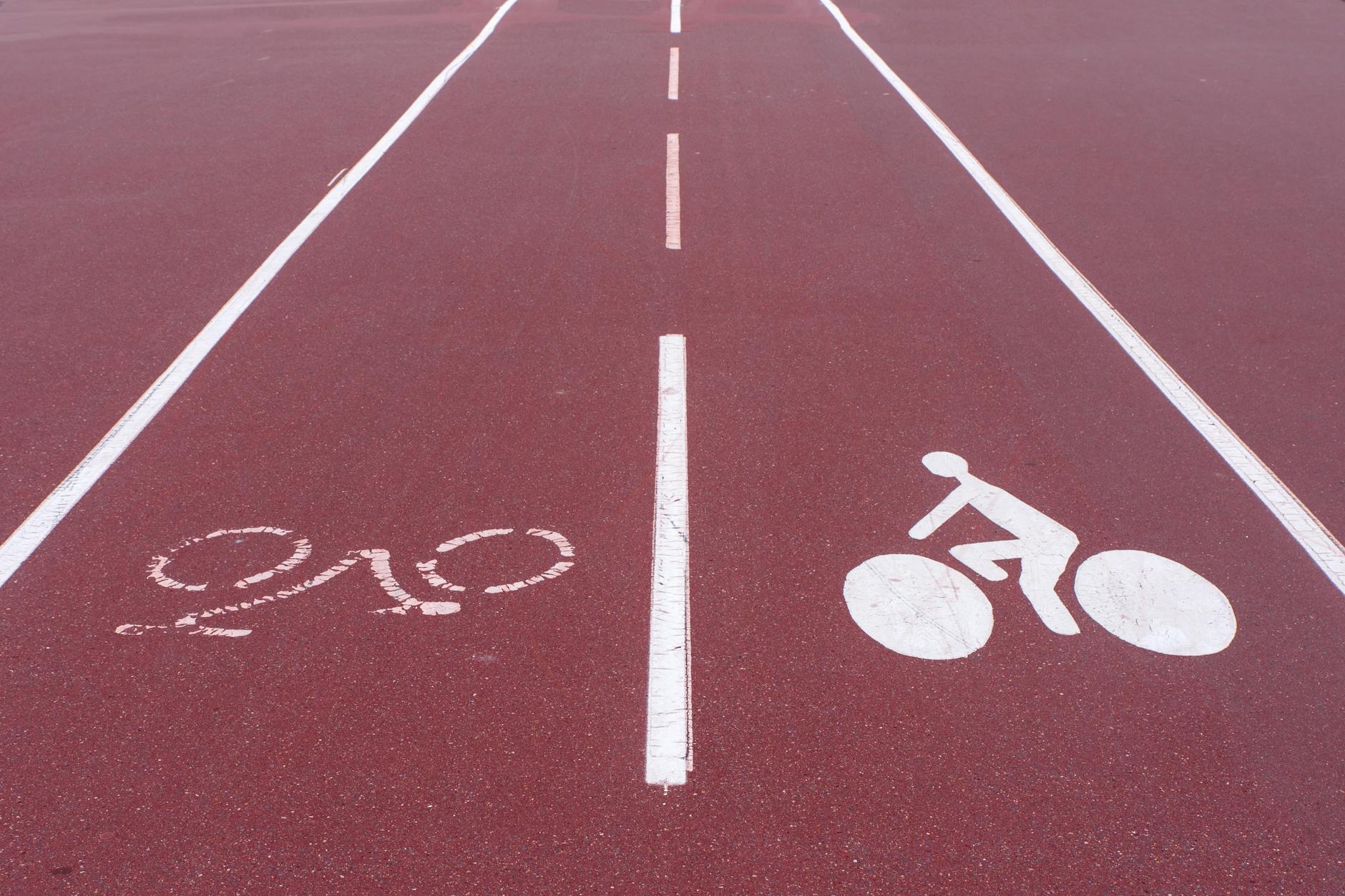
For visitors who enjoy walking, the city’s canal network provides scenic routes through industrial heritage areas. The Bridgewater Canal towpath connects Castlefield to the Trafford Centre and beyond. The Rochdale Canal runs through the Northern Quarter and out towards the Pennines. These routes combine practical getting around Manchester with sightseeing, passing converted warehouses, lock gates, and urban wildlife along the way.
Manchester’s pedestrianisation programme has made getting around Manchester on foot increasingly pleasant. Market Street, New Cathedral Street, St Ann’s Square, and Exchange Square are all traffic-free, creating a continuous walking route through the main shopping and dining areas. The Oxford Road corridor is undergoing transformation with improved pavements, cycle lanes, and bus priority measures that make the university quarter more accessible for pedestrians.
For visitors who enjoy longer walks, the Trans Pennine Trail passes through Manchester, connecting the city to the countryside beyond. The Mersey Valley path runs south through Didsbury to the Cheshire countryside. Urban walking tours — both self-guided and organised — are an excellent way of getting around Manchester while learning about the city’s industrial heritage, musical history, and architectural highlights. Several free walking tour companies operate daily from St Peter’s Square.
Taxis and Private Hire
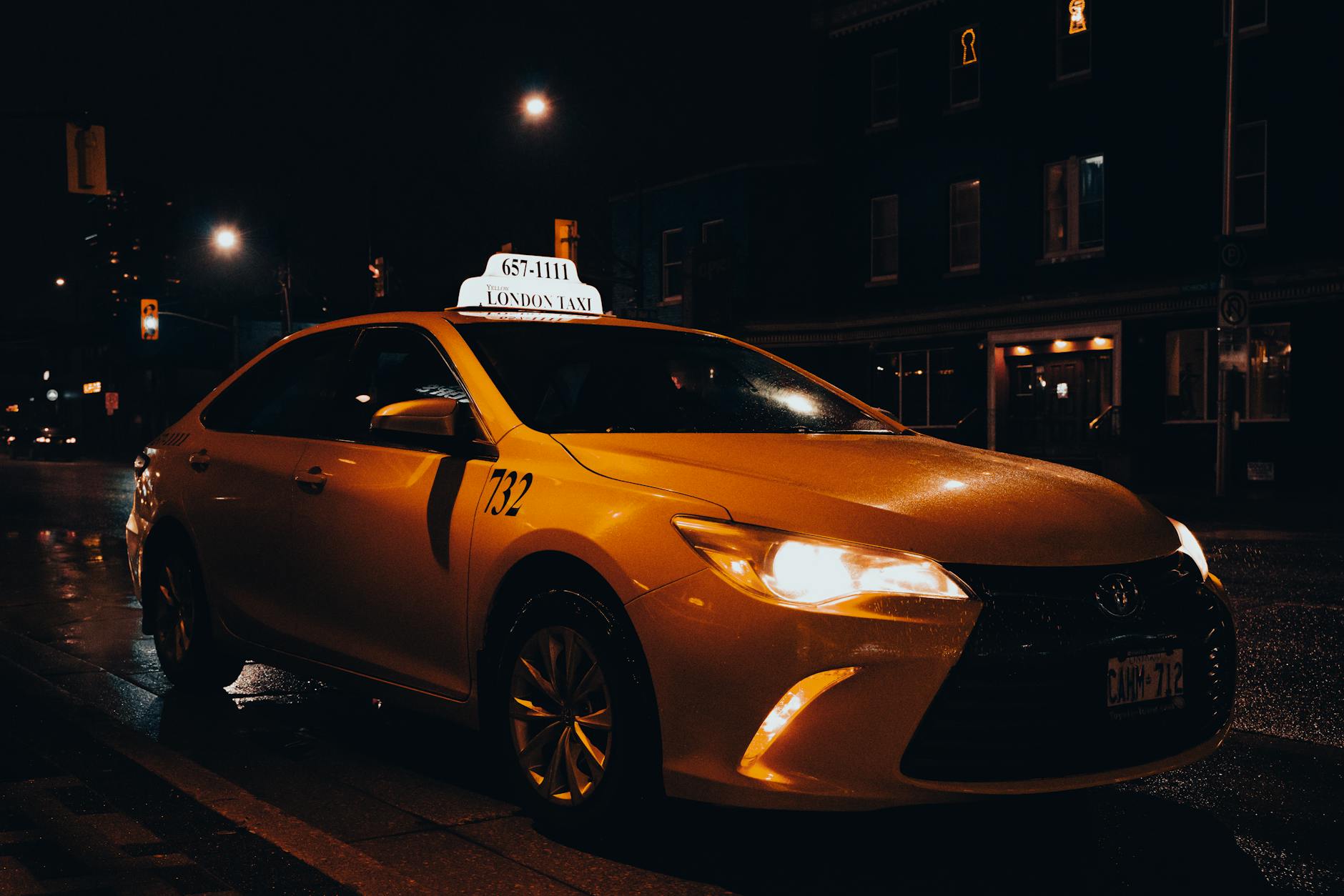
Black cabs can be hailed on the street or found at taxi ranks throughout the city centre — the main ranks are at Piccadilly station, Victoria station, and Piccadilly Gardens. Licensed black cabs use meters, and typical fares within the city centre range from £5-10. Late-night surcharges apply after midnight and on public holidays. Plan around major events using our Manchester events 2026 calendar.
Uber and Bolt operate extensively across Manchester and are often cheaper than black cabs, especially for longer journeys. Both apps work normally, and wait times in the city centre are typically 3-5 minutes during the day. Private hire vehicles cannot legally be hailed on the street — they must be pre-booked through an app or by phone. Our Manchester dining guide can help you plan evening outings where a taxi home might be needed.
For airport transfers at unusual hours, pre-booking a taxi is recommended. Several companies specialise in Manchester Airport transfers and offer fixed-price fares that can be more competitive than metered taxis, especially for early morning or late-night flights. Some hotels also offer shuttle services to and from the airport — check with your accommodation when booking. Getting around Manchester late at night is easiest by taxi or ride-hailing app, as public transport services are limited between midnight and 6:00 on most routes.
The Bee Network App and Contactless Payment
The Bee Network app is the single most useful tool for getting around Manchester as a visitor. It combines journey planning, real-time vehicle tracking, ticket purchasing, and cycle hire booking in one interface. Download it before you arrive and you’ll have everything you need to navigate the city’s transport network from day one.
Contactless payment has simplified getting around Manchester enormously. The same bank card or phone can be used on trams, buses, and (increasingly) local trains without buying separate tickets. The system automatically calculates the cheapest fare and applies daily caps, so you never overpay. If you prefer physical tickets, day passes and weekly passes are available from machines at Metrolink stops and from the app.
Accessible Transport for Visitors with Disabilities
Manchester has invested significantly in making its transport network accessible, and getting around Manchester with a disability is increasingly straightforward. All 99 Metrolink tram stops feature step-free access with ramps or lifts, tactile paving for visually impaired passengers, and CCTV for security. Trams themselves are low-floor with level boarding, meaning wheelchair users and those with pushchairs can board without assistance. Dedicated wheelchair spaces are available on every tram, and audiovisual announcements indicate the next stop.
Buses across the Bee Network use low-floor vehicles with ramps that drivers deploy for wheelchair users. Priority seating near the front is reserved for disabled passengers and those with reduced mobility. Wheelchair users and mobility scooter users should be aware that only one wheelchair or scooter can be accommodated per bus, so during peak hours there may occasionally be a wait for the next service. Powered mobility scooters require a permit from TfGM before they can be used on trams — this is free and can be applied for online through the TfGM website.
Manchester Piccadilly and Victoria stations both have step-free routes to all platforms, with lifts and tactile guidance throughout. Staff are available at both stations to provide assistance, though booking ahead via the Passenger Assist service is recommended for rail journeys. All licensed black cabs in Manchester are wheelchair accessible, with ramps and securing points for wheelchairs. Ride-hailing apps like Uber also offer wheelchair-accessible vehicle options, though availability varies and booking in advance is advisable for guaranteed service. The AccessAble website and app provide detailed access guides for Manchester’s transport hubs, attractions, restaurants, and hotels — an invaluable resource for visitors planning their trip.
Day Trips by Train from Manchester
Manchester’s central location and excellent rail connections make it a superb base for day trips across northern England. Getting around Manchester is only half the story — the city’s two main railway stations provide fast, frequent services to some of England’s most spectacular destinations, many reachable in under an hour.
The Peak District National Park is the closest countryside escape, with trains from Manchester Piccadilly reaching Edale in just 41 minutes. Edale sits at the foot of Kinder Scout and the start of the Pennine Way, offering world-class hiking through dramatic moorland and valleys. The Hope Valley line continues through picturesque villages like Hope, Bamford, and Hathersage — each offering walks, pubs, and stunning Peak District scenery. A day return to Edale costs approximately £8-12, making this one of the most affordable and rewarding day trips from any major English city.
Liverpool is just 35 minutes from Manchester Victoria by train, with services running every 15 minutes throughout the day. The city’s Albert Dock — a UNESCO World Heritage Site — houses Tate Liverpool, the Merseyside Maritime Museum, and The Beatles Story. The waterfront, the Two Cathedrals, and the vibrant food scene make Liverpool a compelling day out. A return ticket costs from £7-15 depending on time of travel.
York is approximately 90 minutes from Manchester Piccadilly by direct train. The medieval walled city offers York Minster, the Shambles, the National Railway Museum, and atmospheric streets steeped in Viking and Roman history. Chester, another beautifully preserved Roman city, is reachable in roughly one hour from Manchester Piccadilly, while the Lake District can be reached in under 90 minutes by train to Windermere or Oxenholme. For a full list of recommended excursions, see our day trips from Manchester guide.
Getting Around Manchester: Practical Tips
Rush hour in Manchester runs from approximately 7:30-9:30 in the morning and 16:30-18:30 in the evening, when trams and buses are busiest. Visiting attractions mid-morning or early afternoon avoids the worst of the commuter crush. Weekend services run less frequently but are rarely overcrowded.
Visitors planning to explore beyond the city centre should consider the areas most easily reached by each transport mode. Tram-accessible destinations include Old Trafford, MediaCityUK, the Trafford Centre, and the airport. Bus-accessible destinations include Chorlton, Didsbury, the Curry Mile, and Levenshulme. Train-accessible day trips include the Peak District, Liverpool, York, and the Lake District — see our day trips from Manchester guide for inspiration.
Accessibility across Manchester’s transport network is generally good. All Metrolink trams are step-free, most bus routes use low-floor vehicles, and both Piccadilly and Victoria stations have step-free access to platforms. The Bee Network app includes accessibility information for each journey option. For visitors with mobility needs, getting around Manchester is well catered for compared to many UK cities.
Safety on Manchester’s public transport is generally good, with CCTV on all trams and buses and regular staff patrols. Travel at night follows the same common-sense precautions as any large city — stay in well-lit areas, keep valuables secure, and use licensed taxis. The city centre is busy and well-lit until late, especially around Deansgate, the Northern Quarter, and Piccadilly.
Weather can affect getting around Manchester, particularly in winter when rain and occasionally snow may slow services. Manchester’s reputation for rain is somewhat exaggerated — it receives less annual rainfall than several other UK cities — but carrying a compact umbrella or waterproof jacket is always wise. Winter days are short, with darkness falling by 16:00 in December, so plan outdoor walking routes for daylight hours.
Families getting around Manchester will find the transport network generally child-friendly. Children under 5 travel free on all public transport. Children aged 5-15 pay reduced fares. Pushchairs and buggies are accommodated on all trams and most buses, though folding may be necessary during busy periods. The Bee Network app includes family-friendly journey planning that accounts for these considerations.
Visitors with cars who want to explore beyond the city should know that Manchester sits at the junction of several motorways, making it an excellent base for day trips. The M62 connects to Liverpool (45 minutes) and Leeds (1 hour). The M56 reaches Chester and North Wales. The M6 connects to the Lake District (90 minutes). Free parking is available at several park-and-ride Metrolink stops if you want to leave the car and explore the city centre car-free. For destination ideas, our Manchester football tourism guide covers venues reachable by public transport, and our museums and culture guide maps out cultural attractions across the city.
Whether you’re getting around Manchester by tram, bus, bike, or on foot, the city’s integrated transport network makes exploring simple and affordable. The Bee Network has transformed what was once a fragmented system into something approaching the seamless experience visitors expect from a major European city. Check our things to do in Manchester guide for destination ideas, and our where to stay in Manchester guide for accommodation near key transport hubs.