This article contains advertising. Our booking links are routed through a partner that adds commission tracking automatically, so if you book through one we earn a commission from the provider, at no extra cost to you. It never affects what we recommend. Affiliate disclosure
Planning a trip to Manchester? This Manchester travel guide covers everything you need to know — from the best time to visit and how to get around, to daily budgets, suggested itineraries, and insider tips that will make your trip smoother and more enjoyable. Whether you’re visiting for the football, the music scene, the food, or the culture, this guide will help you plan a Manchester trip that makes the most of your time and money.
Manchester is England’s unofficial capital of the north — a city with a population of 2.8 million across Greater Manchester and a cultural output that punches well above its weight. From world-class museums and two of football’s biggest clubs to a food scene that rivals London and a nightlife that keeps going until dawn, Manchester rewards visitors who take the time to explore beyond the obvious. This Manchester travel guide is your starting point for planning a trip that covers the essentials and uncovers the details that guidebooks often miss.
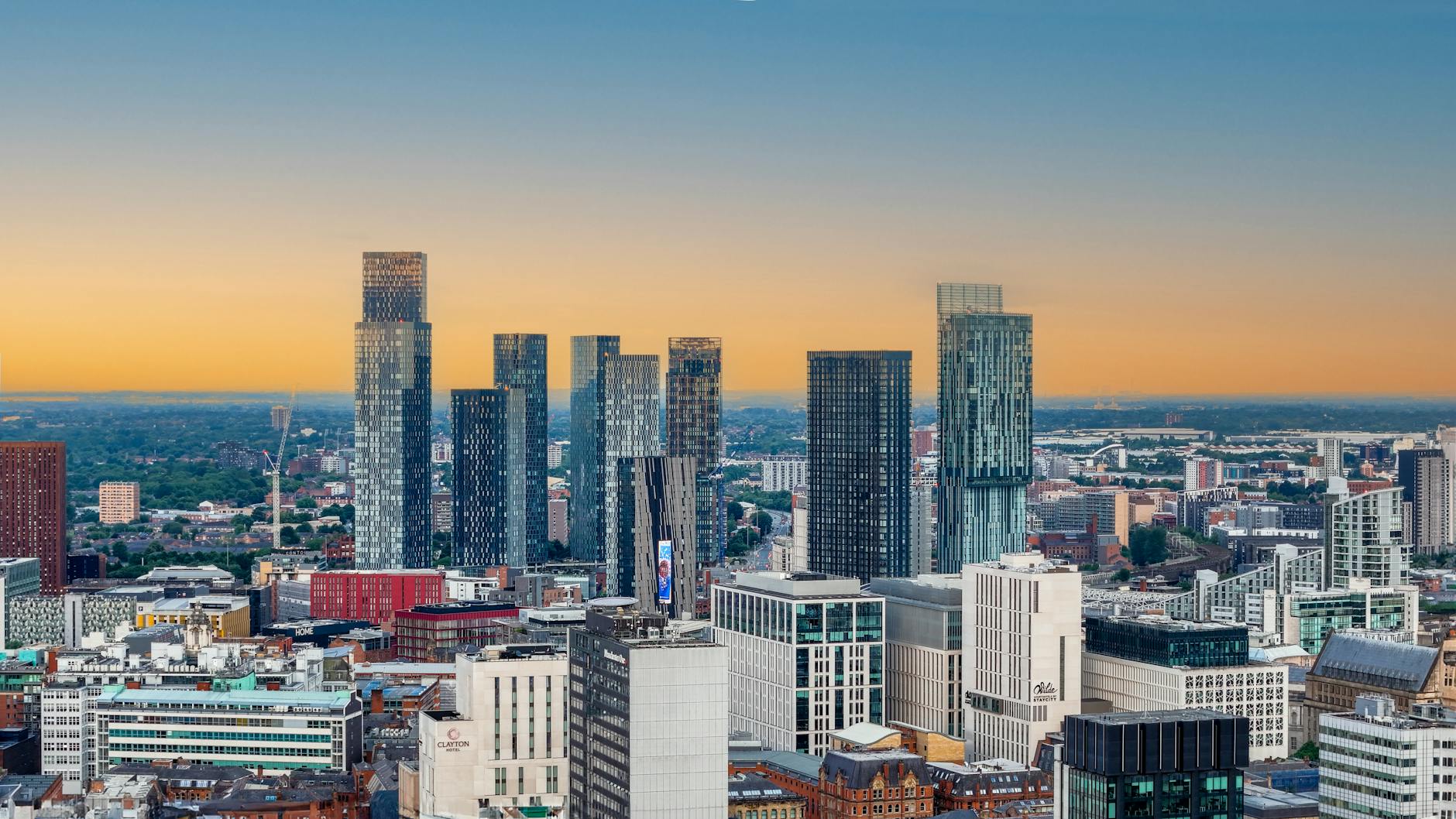
Best Time to Visit Manchester
Manchester’s weather is famously unpredictable, but the city is genuinely enjoyable year-round. Summers (June to August) are the warmest months, with average temperatures between 15°C and 21°C, long daylight hours, and a packed calendar of outdoor events and festivals. This is peak tourist season, so accommodation prices are higher and popular attractions are busier. If you want the best weather for your Manchester travel guide itinerary, aim for June or early July — this Manchester travel guide recommends booking accommodation at least six weeks ahead for summer visits.
Spring (April to May) and autumn (September to October) offer the best balance of pleasant weather, lower prices, and fewer crowds. April brings Manchester’s famous cherry blossoms in Parsonage Gardens and the start of outdoor events season. September is particularly appealing — the summer crowds have thinned, the weather remains mild, and the cultural season kicks into gear with new exhibitions, theatre productions, and the football season in full swing.
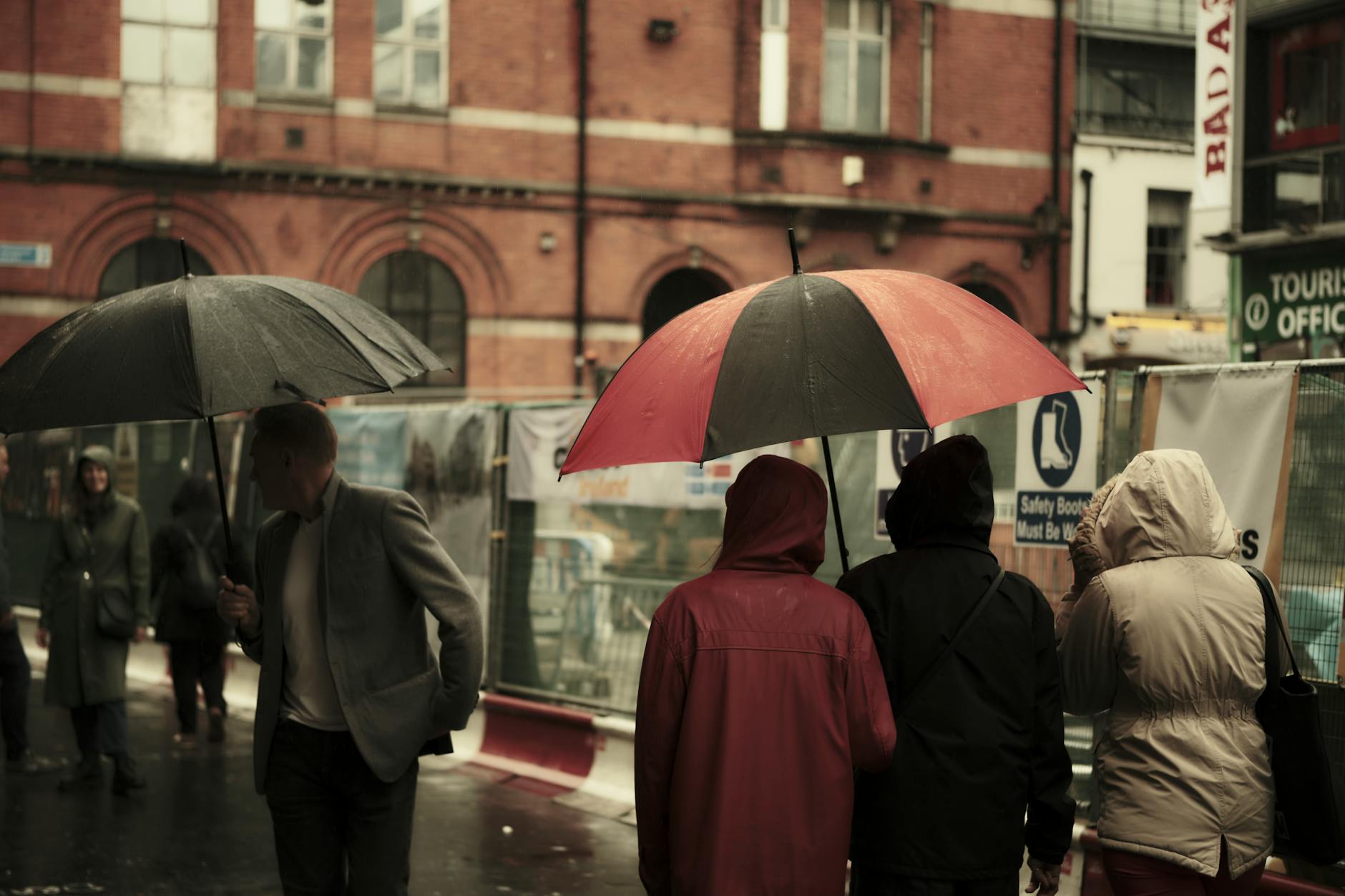
Winter (November to February) is cold but far from dull. Manchester’s Christmas Markets, held across the city centre from mid-November to late December, are among the best in the UK and draw thousands of visitors. January and February are the quietest and cheapest months for visiting, with hotel rates dropping significantly. Indoor attractions — museums, galleries, the Northern Quarter’s bars and record shops — are just as rewarding in winter as in summer. Pack layers, a waterproof jacket, and an umbrella regardless of when you visit — as this Manchester travel guide stresses throughout, flexible clothing is essential — Manchester’s reputation for rain is slightly exaggerated, but drizzle is a year-round possibility.
How to Get to Manchester
Manchester Airport (MAN) is the UK’s third-busiest airport and serves over 200 destinations worldwide, making it the most convenient entry point for international visitors. Any Manchester travel guide worth its salt starts with airport logistics. Direct flights connect Manchester to most European capitals, major US cities (New York, Atlanta, Orlando, Los Angeles), Dubai, Singapore, Hong Kong, and dozens of other destinations. From the airport, trains reach Manchester Piccadilly in 15-20 minutes (from £2.80), the Metrolink tram takes 35-40 minutes to the city centre, and taxis cost approximately £25-35.
From elsewhere in the UK, trains are the most efficient option. Avanti West Coast runs from London Euston to Manchester Piccadilly in approximately 2 hours 10 minutes, with services every 20 minutes during the day. Advance tickets start from £15 if booked early, while walk-up anytime fares cost considerably more. TransPennine Express connects Manchester to Leeds (55 minutes), York (90 minutes), Edinburgh (3.5 hours), and Newcastle (2.5 hours). Northern Trains serves local destinations across the north of England. For the cheapest fares, book through Trainline or directly with the train operator at least two weeks in advance.
Coach services from National Express and Megabus connect Manchester to cities across the UK at significantly lower prices than rail — London to Manchester by coach takes 4-5 hours and costs from £5-15 if booked early. Coaches arrive at Chorlton Street coach station, a 5-minute walk from Piccadilly Gardens. Drivers approaching Manchester will find the city encircled by the M60 motorway, with connections from the M62 (Liverpool, Leeds), M6 (Birmingham, Scotland), and M56 (Chester, North Wales). City-centre parking is expensive at £15-25 per day, so consider park-and-ride facilities at Metrolink tram stops on the outskirts.
European visitors can also reach Manchester by Eurostar via London. Take the Eurostar to London St Pancras, transfer to London Euston (a 10-minute taxi or tube ride), and catch a train to Manchester Piccadilly — total journey time from Paris is approximately 5-6 hours. While this takes longer than flying, the journey is comfortable, city-centre to city-centre, and avoids the hassle of airport security. It’s also a significantly lower-carbon option. Flixbus and National Express also run services from European cities to Manchester via the Channel Tunnel, though journey times are long.
If you’re planning to explore beyond Manchester during your trip, consider purchasing a BritRail pass before arriving in the UK. These passes offer unlimited train travel across Britain for a set number of days and can represent excellent value for visitors planning to combine Manchester with London, Edinburgh, York, or the Lake District. BritRail passes must be purchased outside the UK and activated at a staffed railway station.
Getting Around Manchester
As this Manchester travel guide emphasises, Manchester’s compact city centre is easily walkable — most major attractions, restaurants, and shops sit within a 20-minute walk of Piccadilly Gardens. For journeys beyond the centre, the Bee Network integrates trams, buses, and (from late 2026) trains under a single contactless payment system. Simply tap your bank card or phone when you board and alight, and the system calculates the cheapest fare automatically. Daily spending is capped at £5 for bus-only travel, £5.40 for tram-only (Zones 1-2), and £9.50 for combined bus and tram across all zones.
The Metrolink tram is the most useful transport mode for tourists, connecting the city centre to Old Trafford, MediaCityUK, the Trafford Centre, and Manchester Airport. Buses reach neighbourhoods the tram doesn’t cover, including Chorlton, Didsbury, and the Curry Mile on Wilmslow Road. Uber and Bolt operate city-wide with typical wait times of 3-5 minutes. For a comprehensive breakdown of every transport option, fares, and routes, see our getting around Manchester guide.

Where to Stay in Manchester
Manchester offers accommodation for every budget, from backpacker hostels to luxury five-star hotels. Your choice of area matters — and this Manchester travel guide breaks down each option — the city centre, Northern Quarter, Deansgate, and Spinningfields offer the most convenient base for sightseeing and nightlife, while areas like Didsbury and Chorlton provide a more local, residential feel with excellent food and drink scenes of their own.
Budget Accommodation (£25-80 per night)
Hostels like YHA Manchester and Selina NQ offer dorm beds from £20-35 per night in central locations. Budget hotels including Premier Inn, Travelodge, and ibis Budget have multiple properties across the city centre, with rooms from £50-80 per night. These chains offer clean, reliable accommodation and are often the best value for solo travellers or couples watching their budget. Book at least 2-3 weeks ahead for the best rates, especially during football weekends and major events. For more options, check our where to stay in Manchester guide.
Mid-Range Accommodation (£80-180 per night)
Manchester’s mid-range hotel market is competitive, with excellent options like Hotel Gotham (Art Deco glamour in a converted bank), The Cow Hollow Hotel (Northern Quarter boutique), and Kimpton Clocktower Hotel (grand Victorian railway hotel). Aparthotels such as Roomzzz and Staybridge Suites offer self-catering facilities at hotel prices — ideal for families or longer stays. Expect to pay £90-150 per night for a well-located mid-range room with breakfast. Weekend rates are typically higher than midweek.
Luxury Accommodation (£180-500+ per night)
The Edwardian Manchester (Radisson Collection), The Midland, Stock Exchange Hotel, and King Street Townhouse are among the city’s premier addresses. Luxury rooms start from £180 and can exceed £500 for suites during peak periods. The Midland, where Rolls met Royce, offers historic grandeur in the heart of the city. For a unique experience, Dakota Manchester and The Lowry Hotel in Salford (where visiting football teams stay) combine luxury with personality.
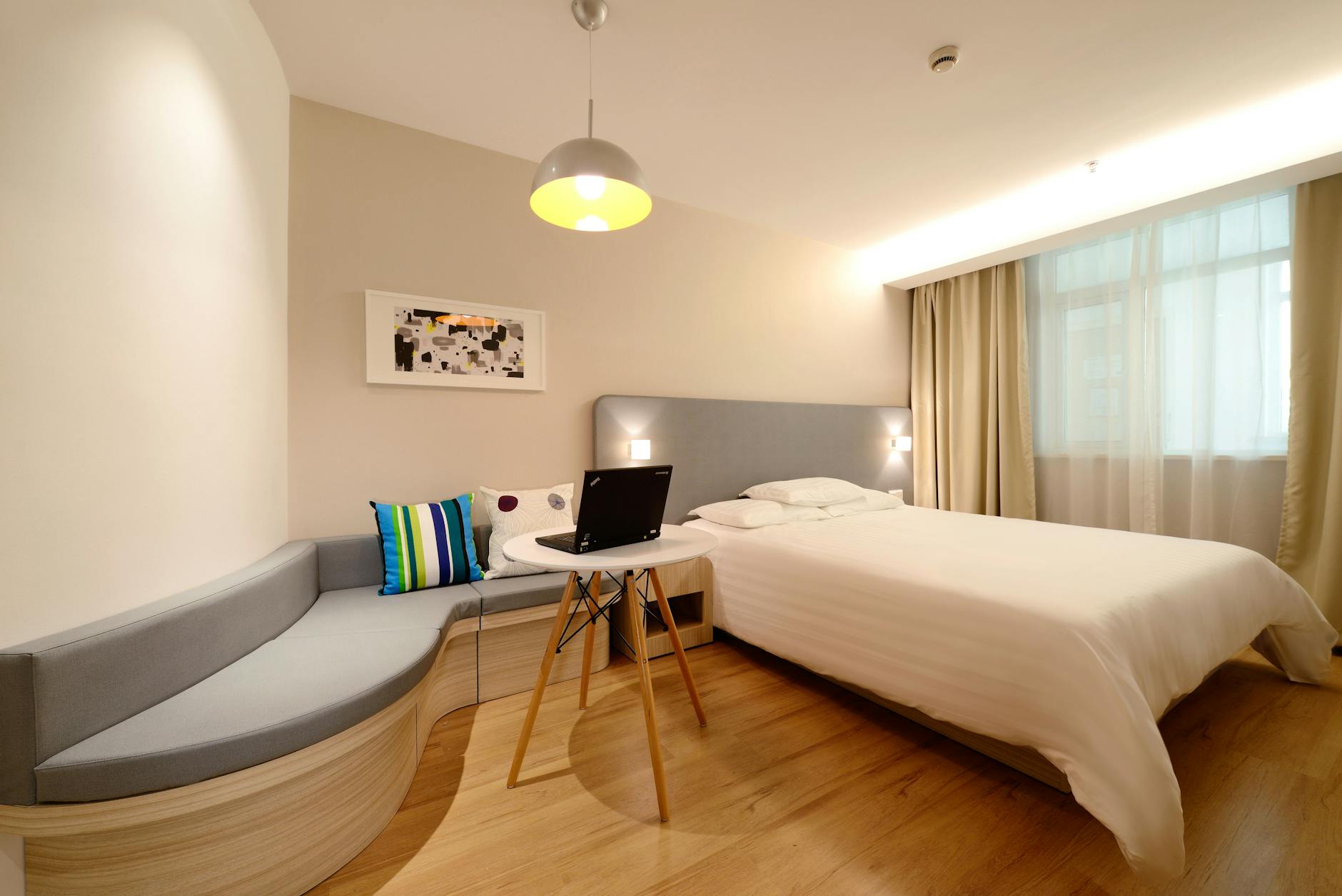
Manchester Travel Guide: Daily Budget Breakdown
How much does a trip to Manchester cost? This Manchester travel guide budget breakdown gives realistic figures per person per day. Your daily budget depends on your travel style, but Manchester is significantly cheaper than London for accommodation, food, and entertainment. Here’s what to expect per person per day in your Manchester travel guide budget planning:
Budget Traveller: £60-90 per day
A budget Manchester travel guide tip: a budget trip is very achievable. Expect to spend £20-35 on a hostel dorm or budget hotel share, £15-25 on food (supermarket breakfast, a café lunch, and a budget dinner), £5-10 on transport (the daily fare cap keeps costs predictable), and £0-20 on activities — many of Manchester’s best attractions, including the Science and Industry Museum, Manchester Art Gallery, the John Rylands Library, and the National Football Museum, are free or have modest entry fees. Budget for £10-15 if you want a few drinks in the evening.
Mid-Range Traveller: £120-200 per day
A comfortable Manchester trip with good meals and no real sacrifices costs £120-200 per person per day. Accommodation in a mid-range hotel or aparthotel runs £45-90 per person (based on sharing), food costs £30-50 per day (café breakfast, restaurant lunch, and a good dinner out), transport is £5-10, and activities and entrance fees add £10-30. A typical evening at a decent restaurant with drinks costs around £35-50 per person. This level lets you enjoy Manchester’s food scene — from Northern Quarter brunch spots to the best restaurants in Manchester — without worrying about every penny.
Luxury Traveller: £300-500+ per day
At the luxury end, Manchester delivers exceptional value compared to London. Top-tier hotel suites, fine dining at Manchester House or Mana, VIP matchday experiences, and private tours quickly add up — but you’ll still spend 30-50% less than equivalent experiences in the capital. Taxis and private cars replace public transport, and shopping in Manchester’s premium retail destinations adds to the daily spend.
What to Eat and Drink in Manchester
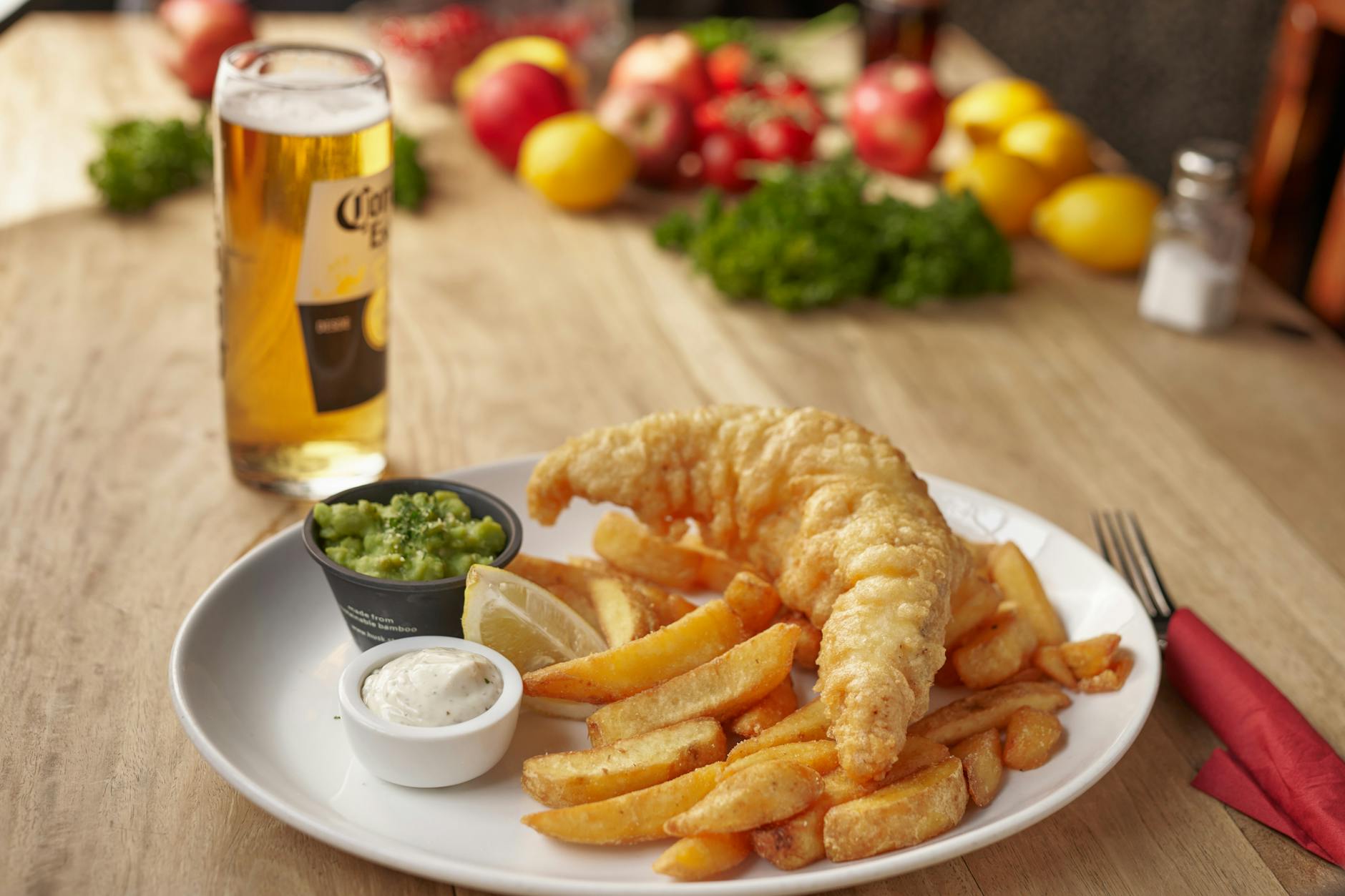
No Manchester travel guide would be complete without the food scene. Manchester’s food scene has exploded in the past decade, and eating well is one of the best parts of any Manchester trip. The city offers everything from Michelin-recommended fine dining to some of the UK’s best street food, and the value for money is outstanding compared to London.
For a quick orientation: the Northern Quarter is the epicentre of independent cafés, brunch spots, and casual dining. Deansgate and Spinningfields house more upscale restaurants and cocktail bars. Ancoats — Manchester’s former Italian quarter — has become the city’s hottest food destination, with restaurants like Sugo Pasta Kitchen, Rudy’s Neapolitan Pizza, and Erst drawing queues every weekend. The Curry Mile on Wilmslow Road in Rusholme serves authentic South Asian cuisine at unbeatable prices — a three-course meal with drinks for under £15 per person is standard.
Manchester’s pub culture is essential to any visit. Traditional pubs like The Peveril of the Peak (Victorian tiled exterior), Marble Arch Inn (in-house brewery), and The Briton’s Protection (whisky collection) offer real ales and atmosphere. The craft beer scene centres on the Northern Quarter and Ancoats, with Cloudwater Brewery, Track Brewing Co, and Shindigger all running taprooms. For a complete food and drink strategy, see our Manchester restaurant guide and nightlife guide.
Top Things to Do in Manchester
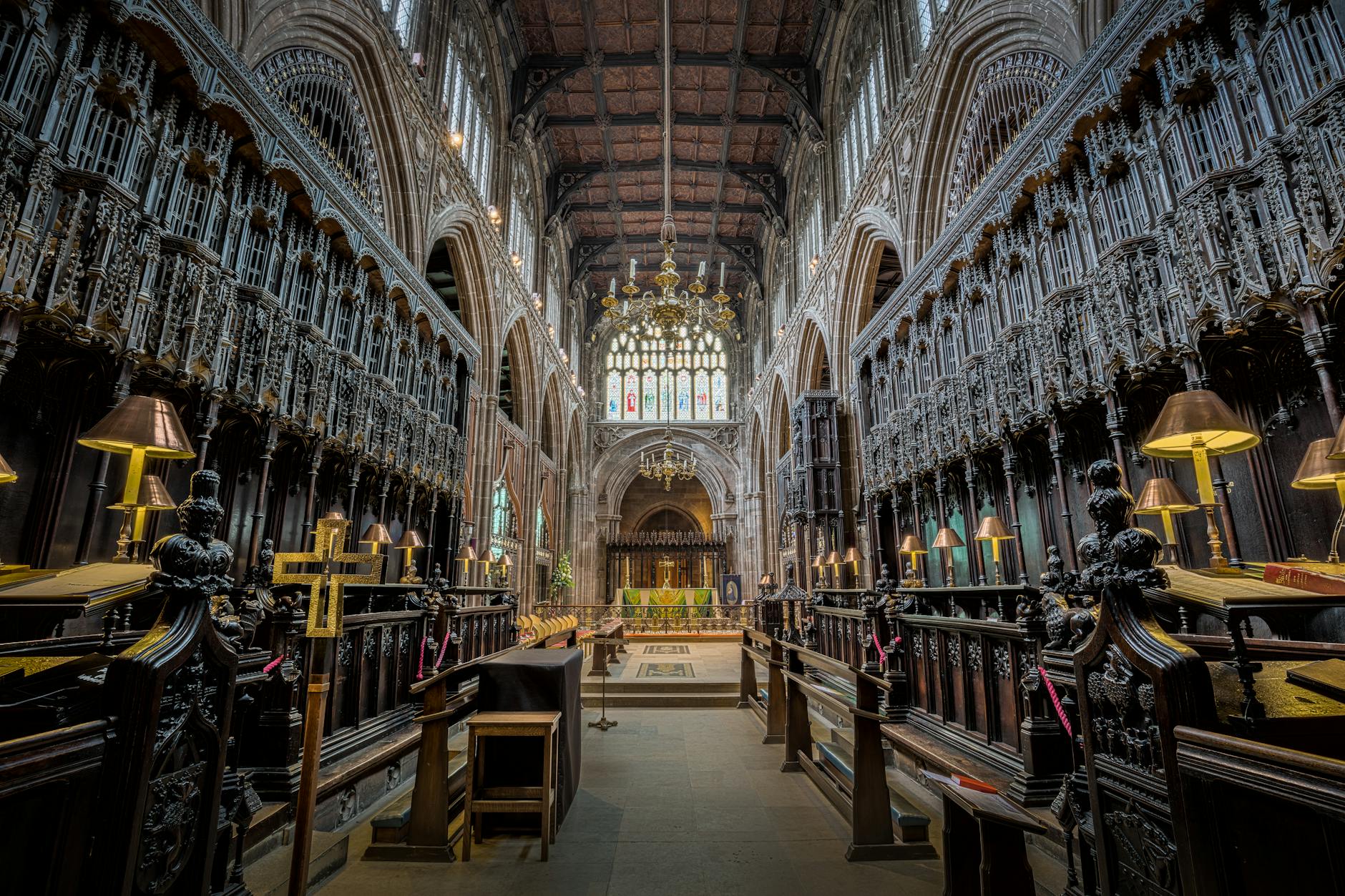
Manchester packs an extraordinary amount into a relatively compact city. This Manchester travel guide highlights the essentials. Your Manchester travel guide itinerary should include a mix of the iconic and the unexpected. The museums and galleries are world-class and mostly free — the Science and Industry Museum tells the story of the city that started the Industrial Revolution, while the Imperial War Museum North in Salford Quays occupies a stunning Daniel Libeskind building. The John Rylands Library on Deansgate is a neo-Gothic masterpiece that feels like stepping into a Harry Potter film.
Football is woven into Manchester’s identity. Old Trafford (Manchester United) and the Etihad Stadium (Manchester City) offer stadium tours on non-matchday dates, and attending a live Premier League match is an unforgettable experience — book tickets well in advance through our football tourism guide. The National Football Museum at Cathedral Gardens is free and engaging even for non-fans.
The Northern Quarter is Manchester’s creative heart — a grid of streets filled with independent record shops (Vinyl Exchange, Piccadilly Records), vintage clothing stores, street art, and some of the city’s best cafés and bars. For shopping, the Arndale Centre, Exchange Square, and King Street cover the high street and designer ends, while Afflecks is a multi-storey indoor market of alternative fashion, crafts, and curiosities. See our things to do in Manchester guide for the complete list.
Manchester Neighbourhoods Worth Exploring
One of the most rewarding aspects of following this Manchester travel guide is discovering the city’s distinct neighbourhoods, each with its own character. The Northern Quarter is the creative, bohemian district — all street art, vintage shops, craft coffee, and independent music venues. Ancoats, directly adjacent, has transformed from an industrial wasteland into Manchester’s hottest food and drink destination, with converted cotton mills housing restaurants, breweries, and co-working spaces.
Deansgate and Spinningfields form Manchester’s commercial and nightlife corridor — sleek bars, restaurants, and the city’s most upscale hotels line these streets. Castlefield, just west of Deansgate, is a peaceful canal basin surrounded by Victorian railway viaducts, with excellent bars and the Science and Industry Museum. The Gay Village, centred on Canal Street, is one of the UK’s most vibrant LGBTQ+ neighbourhoods and comes alive during Manchester Pride in August.
South Manchester’s suburbs reward visitors who venture beyond the centre. Didsbury is leafy and affluent with excellent independent restaurants and the beautiful Fletcher Moss Park. Chorlton has a village-like atmosphere with independent shops, bookstores, and a thriving bar scene. Levenshulme — increasingly known as ‘Levy’ — hosts a popular food market and has a growing reputation for South Asian and international cuisine. The Curry Mile in Rusholme, connecting the city centre to these southern suburbs, is one of the most concentrated stretches of South Asian restaurants in Europe. For neighbourhood-by-neighbourhood detail, see our Manchester neighbourhoods guide.
Suggested Manchester Itineraries
One Day in Manchester
If you have just one day, focus on the city centre. Start with breakfast in the Northern Quarter (Pot Kettle Black or Federal Café), then walk through the Cathedral Gardens to the National Football Museum. Cross to the John Rylands Library on Deansgate, explore St Ann’s Square and the Royal Exchange, and grab lunch in the Arndale Food Market or Mackie Mayor. Spend the afternoon at the Science and Industry Museum or Manchester Art Gallery. End with dinner in Ancoats or the Northern Quarter, followed by drinks along Thomas Street or in the bars beneath the railway arches.
Two Days in Manchester (Weekend Break)
Add a second day to visit Old Trafford or the Etihad (stadium tour or matchday), then take the tram to MediaCityUK for the Imperial War Museum North and The Lowry arts centre. Lunch at the Trafford Centre or Salford Quays, then head back to explore Chinatown and the Gay Village. Evening: dinner on the Curry Mile in Rusholme (tram or bus from the centre) or a meal at one of Manchester’s top restaurants, followed by live music or a comedy show.
Three to Five Days in Manchester
A longer stay lets you explore Manchester’s excellent neighbourhoods — spend a morning in Chorlton’s independent shops and cafés, an afternoon cycling along the Bridgewater Canal to the Trafford Centre, and a day trip to the Peak District by train (41 minutes to Edale for world-class hiking). Visit Chetham’s Library (the oldest free public library in the English-speaking world), catch a gig at the Manchester Arena or Albert Hall, and explore the street art trail through the Northern Quarter and Ancoats. Our day trips from Manchester guide covers options including Liverpool (35 minutes), York (90 minutes), and the Lake District.
Manchester for Different Types of Travellers
Manchester for Families
Manchester is excellent for families with children. The Science and Industry Museum, Manchester Museum (recently renovated with a new dinosaur gallery and vivarium), and Legoland Discovery Centre at the Trafford Centre are all popular with younger visitors. The Chill Factore, also at the Trafford Centre, offers indoor skiing and snow play. Heaton Park, one of the largest municipal parks in Europe, has a boating lake, animal centre, and playground. Most museums offer free entry for children, and family rail and tram tickets are available at reduced rates.
Manchester for Solo Travellers
This Manchester travel guide can confirm: Manchester is one of the UK’s most welcoming cities for solo travellers. The compact city centre makes it easy to explore on foot, hostels in the Northern Quarter provide social atmospheres, and the bar and café culture encourages conversation. Free walking tours departing from St Peter’s Square are an excellent way to meet other travellers. Manchester’s live music scene — from tiny Northern Quarter venues to the Manchester Arena — is perfectly suited to solo attendance. The city’s excellent public transport and ride-hailing services mean getting back to your accommodation at night is straightforward.
Manchester for Couples
For couples, Manchester offers romantic canal-side walks through Castlefield, cocktail bars in the former cotton exchange buildings, intimate restaurants in Ancoats, and cultural experiences from theatre at the Royal Exchange to art at the Whitworth Gallery (set in beautiful Whitworth Park). The Midland Hotel’s afternoon tea, a sunset drink at Cloud 23 in the Beetham Tower, or a day trip to the Peak District make for memorable shared experiences.
Money-Saving Tips for Your Manchester Travel Guide
Manchester is already good value compared to London, but these Manchester travel guide tips will stretch your budget further. Use contactless payment on all public transport — the fare cap means you never overpay, and buying paper tickets is almost always more expensive. Most of Manchester’s top museums and galleries are free, including the Science and Industry Museum, Manchester Art Gallery, the Whitworth, Manchester Museum, and the People’s History Museum. The John Rylands Library is free to enter and is one of the most beautiful buildings in the city.
Eat lunch as your main meal — many restaurants offer lunch specials at half the price of their dinner menus. The Arndale Food Market, Mackie Mayor, and GRUB food events serve excellent meals for £6-10. Supermarkets like Tesco, Sainsbury’s, and M&S Simply Food have meal deal combos for £3-5 that are genuinely decent. Book accommodation midweek when rates drop by 20-40% compared to weekends, and check comparison sites like Booking.com for last-minute deals.
For entertainment, check Manchester’s free events listings — there are free gigs, exhibitions, and cultural events virtually every night. The Manchester Literature Festival, Manchester Jazz Festival, and many one-off events are free to attend. Student areas like Fallowfield and Withington have the cheapest drinks, and happy hours are widely available across the city centre between 16:00-19:00. Travel outside school holidays for lower accommodation prices and quieter attractions.
Practical Information for Your Manchester Trip
Currency and Payment
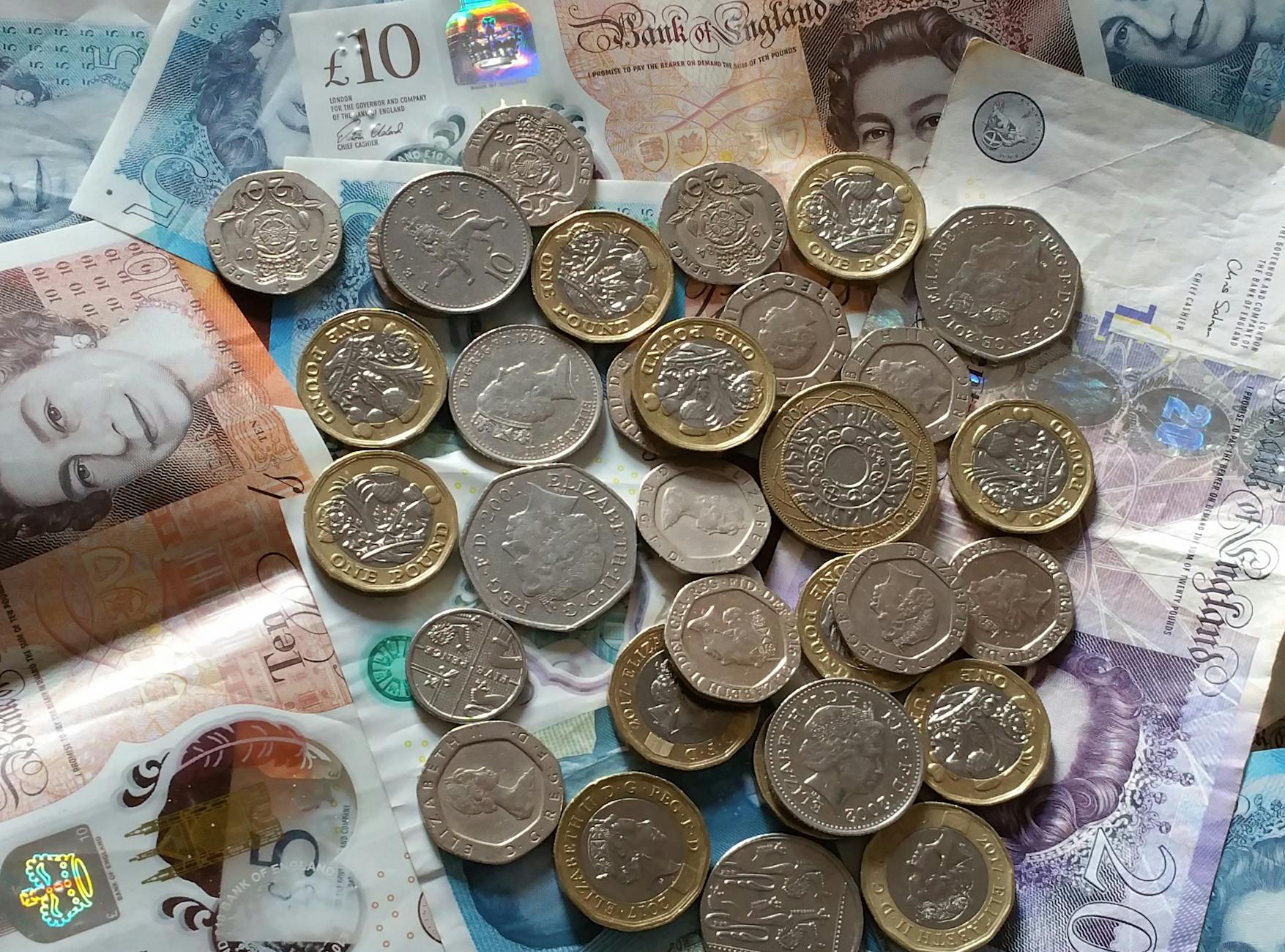
Every Manchester travel guide covers money basics: the UK uses the pound sterling (£ / GBP). Contactless payment is accepted almost everywhere — many Manchester businesses are effectively cashless, particularly in the city centre. ATMs are widely available. Tipping is appreciated but not mandatory: 10-12.5% at restaurants is standard if service wasn’t already included, and rounding up for taxi fares is common. For the latest exchange rates, check with your bank before travelling.
Language and Communication
English is spoken throughout Manchester, though the local accent and dialect can take some getting used to. Mancunians are famously friendly and approachable — don’t hesitate to ask for directions or recommendations. Mobile phone coverage is excellent across the city. UK SIM cards from providers like Three, EE, and Vodafone are available from shops on Market Street and in the Arndale Centre if you need local data. Free Wi-Fi is available at most cafés, restaurants, hotels, and in the city centre.
Safety
This Manchester travel guide can reassure: Manchester is generally a safe city for visitors. The city centre is well-policed and busy until late, especially around Deansgate, the Northern Quarter, and Piccadilly. Standard urban precautions apply — keep valuables secure in crowded areas, be aware of your surroundings at night, and use licensed taxis or ride-hailing apps for late-night journeys. Avoid walking through poorly lit areas alone late at night, particularly around some areas south of the city centre. Emergency services can be reached on 999 (police, fire, ambulance) or 111 for non-urgent medical advice.
Health and Emergencies
The UK’s National Health Service (NHS) provides emergency treatment to all visitors regardless of nationality. A&E (accident and emergency) departments at Manchester Royal Infirmary and Salford Royal Hospital are open 24/7. Minor ailments can be treated at pharmacies — Boots and Superdrug are found on every high street. Visitors from countries without reciprocal healthcare agreements should ensure they have adequate travel insurance, as non-emergency NHS treatment may be charged.

What to Pack for Manchester
As repeated throughout this Manchester travel guide, Manchester’s weather demands layers. Even in summer, temperatures can shift from warm sunshine to cool drizzle within hours. Essential items for any Manchester travel guide packing list include: a waterproof jacket or coat (non-negotiable regardless of season), comfortable walking shoes (you’ll cover more ground on foot than you expect), layers that can be added or removed, an umbrella, and a portable phone charger for navigation and ride-hailing apps.
Dress codes in Manchester are generally relaxed during the day — jeans, trainers, and casual clothing are the norm across most attractions, restaurants, and pubs. Evening dress codes vary: some upmarket restaurants and bars enforce smart-casual or smart dress (no trainers, shorts, or sportswear), while Northern Quarter bars and most pubs have no dress code at all. If you’re planning a night out on Deansgate or in Spinningfields, pack at least one smart-casual outfit. For Manchester events like concerts and festivals, comfortable clothes and layers are key.
Planning Your Manchester Travel Guide: Final Checklist
Before you go, here’s this Manchester travel guide’s final checklist to finalise your Manchester trip planning. Book accommodation 2-4 weeks ahead (earlier for football weekends and Christmas Markets). Download the Bee Network app for transport planning and contactless payment. Check what’s on during your visit and book any ticketed events in advance — football matches, popular restaurants, and headline gigs sell out. Confirm your airport transfer method and check train times if arriving by rail.
Manchester is a city that rewards curiosity. Wander beyond the city centre into the neighbourhoods, try the food markets, catch a gig in a venue the size of your living room, and talk to the locals — Mancunians are proud of their city and happy to share it. This Manchester travel guide gives you the framework; the experiences you’ll discover on your own are what make the trip memorable. For more detailed coverage of every topic touched on here, explore our full range of Manchester guides: things to do, where to stay, best restaurants, getting around, and nightlife.
Most visitors arrive from the capital, so we have compared every option in detail — see getting here from London for train times, coach fares, driving costs and why flying is rarely worth it.