This article contains advertising. Our booking links are routed through a partner that adds commission tracking automatically, so if you book through one we earn a commission from the provider, at no extra cost to you. It never affects what we recommend. Affiliate disclosure
Manchester is one of the UK’s most exciting street art destinations. The Northern Quarter and Ancoats are home to dense, ever-changing collections of murals — large-scale commissioned works, smaller stencil pieces, paste-ups, and graffiti — produced by some of the world’s most respected urban artists alongside Manchester locals. The result is a city you can wander for hours with a camera, finding something new on every visit.
This guide covers the best places to see Manchester street art, the most famous and important murals, the festivals and projects behind them, self-guided walking routes, and where to find guided street art tours. We’ve grouped the murals by neighbourhood so you can plan an efficient visit, and included tips on photography, ethics, and how to support the city’s living artists.
For broader context, see our Manchester neighbourhoods guide, our things to do guide, and our walking tours guide. Ready to explore? Here’s everything you need to know about Manchester street art in 2026.
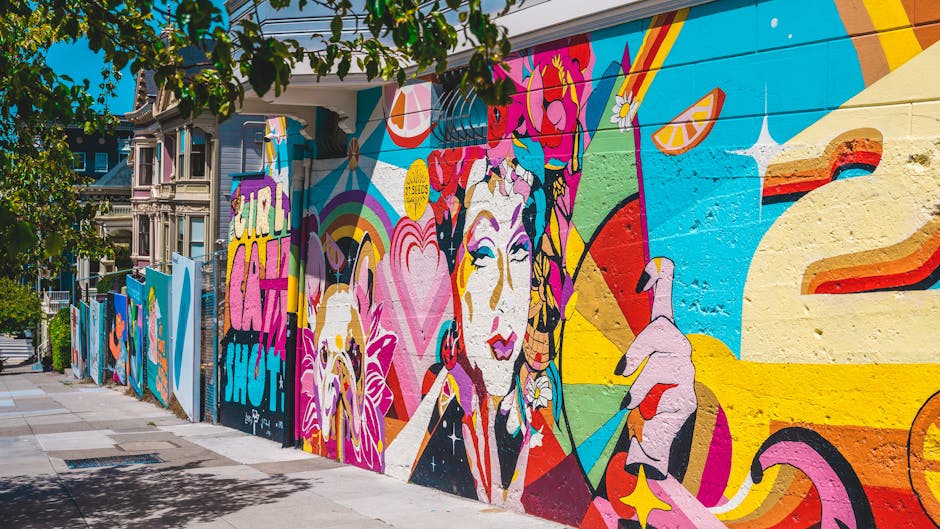
The Northern Quarter — Manchester’s Street Art Capital
The Northern Quarter is the heart of Manchester’s street art scene. Centred around Stevenson Square, Tib Street, and Edge Street, it’s a small grid: allow 1.5–2 hours for the self-guided loop below. The walls keep changing, too, thanks to the Outhouse Project and the various commissions and festivals that pass through.
Stevenson Square — The Curated Heart
Stevenson Square is the centrepiece of the Northern Quarter’s street art. The walls — particularly the public toilets and the surrounding shop facades — are curated by the Outhouse Project, which regularly commissions new murals. Past artists include Phlegm, Cityzen Kane, Faunagraphic, Akse, and international names. Always start a Northern Quarter visit here.
Tib Street, Edge Street, and Lever Street
The streets radiating out from Stevenson Square host more permanent murals. Look out for Faunagraphic’s bird mural on Tib Street. Edge Street, Spear Street, and Faraday Street are all worth a slow wander.
Outhouse Project Murals
The Outhouse Project refreshes Manchester’s walls, commissioning leading street artists to paint large-scale works. Look for distinctive Outhouse-curated walls along Faraday Street, Hilton Street, and around Stevenson Square. The project’s Instagram is the best way to track new commissions.
Affleck’s Surroundings
The walls around Affleck’s (Manchester’s iconic alternative shopping arcade) are themselves a street-art canvas — including the famous mosaic mural on the side of the building that has become a local landmark.
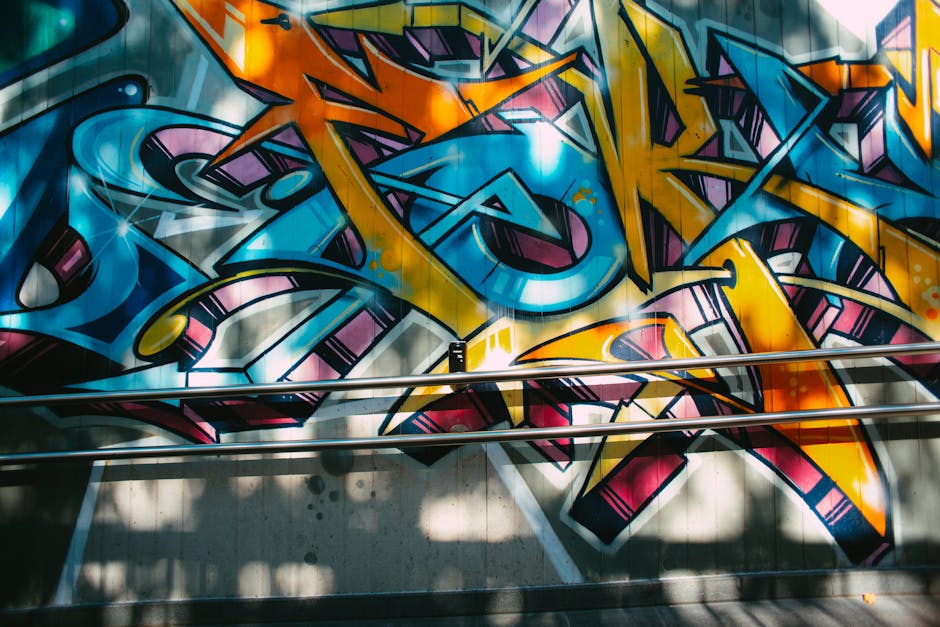
Ancoats — Manchester’s Industrial Mural District
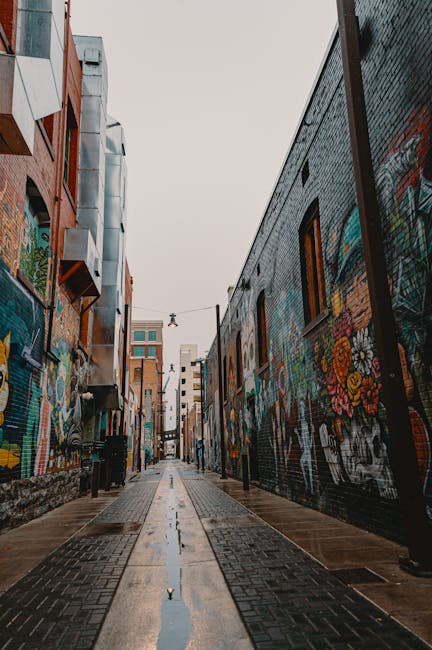
Just east of the Northern Quarter, Ancoats has emerged as Manchester’s second great street-art neighbourhood. The area’s industrial brick walls and warehouses make perfect canvases, and the area’s regeneration has invited large-scale commissioned works.
Gun Street, Sherratt Street, and Blossom Street
The best Ancoats murals cluster around Gun Street, Sherratt Street and Blossom Street. Allow 30–45 minutes to walk this section. Mateus Bailon’s “The Guardian of Ancoats” — a colourful jungle-themed mural marking the entrance to the neighbourhood — is one of Manchester’s most photographed pieces.
Cutting Room Square
Ancoats’ main public square is home to public artworks of its own. The square is also a perfect coffee-and-mural-spotting break — Pollen Bakery and Mana are nearby.
The Halle St Peter’s & Around
The area between Ancoats and the Halle’s St Peter’s Church (now a concert space) has several pieces, including political and community-focused works.
Other Manchester Street Art Spots
Bee in the City
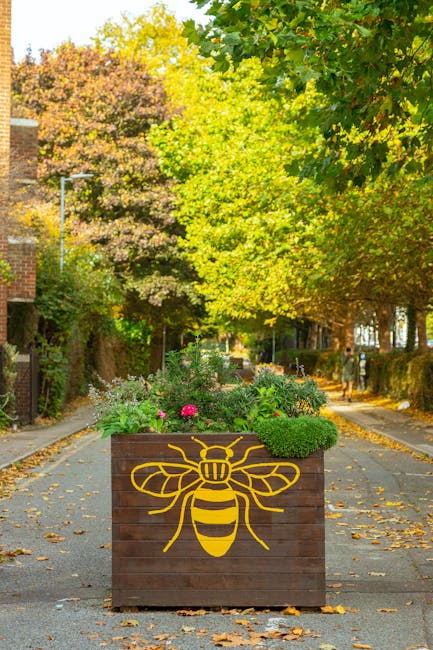
From 23 July to 23 September 2018, the Bee in the City trail brought over 100 giant decorated bee sculptures to Manchester to celebrate the city’s worker-bee symbol. The large bees were auctioned afterwards, and several can still be seen in public. The worker bee also continues to appear in murals across the city, particularly in tributes to the victims of the 2017 Arena bombing. Qubek’s bee-themed mural is one of the most moving pieces in the Northern Quarter.
Salford Street Art
Just over the Irwell, Salford has its own growing street-art scene — particularly around Chapel Street and the area around the University of Salford. Worth combining with a Salford Quays day.
Castlefield Underpasses
Keep an eye on the brickwork around Castlefield’s old railway viaducts and underpasses as you walk through; street art turns up in unexpected corners of the city.
The Mancunian Way Piers
The concrete piers of the Mancunian Way (the elevated motorway through the city centre) host a rotating collection of pieces — gritty, grassroots, and often political.
Famous Manchester Street Artists
Akse P19
Akse is one of Manchester’s most prolific contemporary muralists, known for photorealistic portrait work. His walls include the Marcus Rashford mural in Withington and a David Bowie portrait that has since been painted over. Many of his pieces are on Northern Quarter walls.
Faunagraphic (Sarah Yates)
Sarah Yates’ bird and nature murals have become Northern Quarter landmarks, including her bird piece on Tib Street.
Phlegm
The Sheffield-based street artist Phlegm has produced multiple large-scale works in Manchester, characterised by black-and-white storytelling murals.
Mateus Bailon
Brazilian artist Bailon’s tropical jungle-style mural “The Guardian of Ancoats” is one of the city’s standout pieces.
Cityzen Kane
Local Manchester artist whose work appears across the Northern Quarter — vibrant colour palettes and bold characters.
Qubek
Behind the moving Manchester worker-bee tribute murals to the 2017 Arena bombing victims.
Stanley Chow
Manchester illustrator famous for his distinctive portrait style. Curated the BRITs 2026 art trail across the Northern Quarter and Ancoats, produced by Wild in Art.
The Cities of Hope Festival
One of the most important moments in Manchester street art history was the 2016 Cities of Hope festival, which brought leading global street artists to the Northern Quarter to paint large-scale murals highlighting social injustices, with the murals linked to local social-justice organisations.
Self-Guided Manchester Street Art Walking Routes
Route 1: The Northern Quarter Loop (1.5 hours)
Start: Piccadilly Gardens.
Walk to: Stevenson Square (allow 20 minutes here for the curated walls).
Continue along: Lever Street and Faraday Street.
Walk down: Tib Street for the Faunagraphic bird and other pieces.
Visit: Affleck’s exterior for the famous mosaic mural.
Continue to: Edge Street and Hilton Street.
Finish: back at Piccadilly Gardens.
A perfect 90-minute photography walk.
Route 2: Ancoats Street Art Loop (45 minutes)
Start: Cutting Room Square.
Walk to: Gun Street and Sherratt Street.
Continue to: Blossom Street.
Visit: “The Guardian of Ancoats” by Bailon.
Pause for coffee at Pollen Bakery.
Finish: back at Cutting Room Square.
Route 3: The Combined Northern Quarter + Ancoats Walk (3 hours)
Combine Routes 1 and 2 with a lunch stop at Mackie Mayor in between. Allow extra time for photography. This is the definitive Manchester street-art day.

Guided Manchester Street Art Tours
Skyliner Street Art Tour
The Skyliner street art tour is run by Hayley Flynn — a Manchester writer and journalist with deep knowledge of the artists and stories behind the murals. Check Visit Manchester or the tour’s own site for dates and booking.
Free Walking Tour Manchester — Street Art Edition
Free Walking Tour Manchester occasionally runs themed street-art editions of their tip-based tours. Check their website for current dates.
The Outhouse Project Walls
The Outhouse Project’s Stevenson Square walls are a natural first stop on any Northern Quarter street art tour, guided or self-guided.
The Manchester Mural Trail (Self-Guided with App)
Visit Manchester’s official tourism organisation maintains a self-guided mural trail map, downloadable from their website. Updated regularly to track new commissions.
Manchester Street Art Photography Tips
Best Time to Photograph
Late morning to mid-afternoon — when the light is bright but not harsh.
Overcast days are surprisingly excellent for mural photography — colours stay vivid without contrast issues.
Avoid early morning in winter when many walls are still in shadow.
Sunny days can blow out highlights on bright murals — check shaded sides of buildings.
Equipment
Most Manchester street art is photographable on a phone — these murals are designed for visual impact. A wide-angle lens helps for the largest pieces. Bring a phone tripod if you want to set up family photos with the murals as backdrops.
Etiquette
Don’t tag artists’ work without their permission on social media. Don’t touch the murals — even dry paint can flake.
Be aware that many walls are on private property; respect signage and don’t trespass.
Be considerate of residents in the Northern Quarter and Ancoats — these are working neighbourhoods.
Hashtags & Sharing
Tag artists with @-mentions on Instagram when you can identify them. Use #manchesterstreetart, #northernquartermanchester, and #ancoatsmanchester to share your photos and find others.
The Story Behind Manchester Street Art
From Graffiti to Curation
Manchester’s street art scene began in the 1990s as graffiti and tag culture, particularly around the Northern Quarter’s then-derelict industrial buildings. The shift to a curated, large-scale mural scene followed as the Northern Quarter regenerated, building owners commissioned art, and projects like the Outhouse Project, the Cities of Hope festival (2016), and the Bee in the City sculpture trail (2018) elevated the art form.
The Worker Bee
The worker bee is Manchester’s symbol — a 19th-century reference to the industrious workers of the cotton mills. After the 2017 Arena bombing, the worker bee took on new meaning as a symbol of Manchester’s resilience and unity. Bee murals across the city are tributes both to the city’s industrial heritage and to the 22 lives lost in 2017.
Music & Manchester
Manchester’s street art scene is deeply intertwined with its music heritage. Tributes to Joy Division, the Smiths, the Stone Roses, Oasis and the Hacienda recur across the Northern Quarter. See our music scene guide for context.
Manchester Street Art Festivals & Annual Events
Cities of Hope (2016)
The original game-changing festival that brought leading global street artists to Manchester to paint murals tied to social justice causes, centred on the Northern Quarter.
Bee in the City (2018)
A summer-long art trail with 100+ giant decorated bees installed across Manchester to celebrate the city’s symbol. The bees were later auctioned for charity, but the worker-bee theme continues to recur in Manchester murals.
Manchester International Festival
The biennial MIF often commissions large-scale public art installations, some of which become permanent street art pieces. The next MIF runs in 2027.
Outhouse Project Refreshes
The Outhouse Project’s curated walls feature changing street art, so there’s often something new to see in the Northern Quarter. Follow @theouthouseproject on Instagram for announcements.
Stanley Chow & Wild In Art Trail (2026)
The BRITs 2026 art trail ran from 12 February to 16 March 2026, curated by Manchester illustrator Stanley Chow and produced by Wild In Art, with large-scale public artworks across the Northern Quarter and Ancoats by 21 artists from across the North West.
Top 9 Must-See Manchester Murals
If you’re short on time, prioritise these:
1. Faunagraphic Bird, Tib Street — An iconic Northern Quarter landmark.
2. Stevenson Square Public Toilets — Always-changing curated walls, the heart of the Northern Quarter scene.
3. The Guardian of Ancoats by Bailon — The vivid jungle-themed welcome to Ancoats.
4. Qubek Worker Bee Memorial — Moving tribute to the 2017 Arena bombing victims.
5. Affleck’s Mosaic Mural — Iconic mosaic on the side of Manchester’s alternative shopping arcade.
6. Akse P19 Portrait Series — Photorealistic portraits scattered across the Northern Quarter.
7. Phlegm’s Storytelling Murals — Black-and-white narrative pieces from the Sheffield-based artist.
8. Stanley Chow Trail Pieces — The BRITs 2026 art trail curated by Manchester’s own illustrator, which ran 12 February to 16 March 2026.
9. Cities of Hope Murals — Social-justice murals from the 2016 festival; walls change, so ask on a guided tour which pieces are still up.
Combining Street Art with Other Manchester Experiences
With Food
The Northern Quarter and Ancoats have some of the best food halls and indie restaurants in the UK. Combine your street art walk with brunch at Federal or Pollen Bakery, lunch at Mackie Mayor, dinner at Mana or Hispi. Read our food guide.
With Shopping
The Northern Quarter is known for its independent shops — vintage, records, books, art, design. Pair the mural walk with browsing at Affleck’s, the Northern Quarter record shops, and the Manchester Craft and Design Centre. See our shopping guide.
With Music
Many Manchester murals reference the city’s music heritage. Combine a street art walk with stops at the Hacienda site, Affleck’s, and the Music Walk landmarks. Then see a gig at Band on the Wall or the Castle Hotel. See our music scene guide.
With Coffee
Manchester’s coffee scene is exceptional in the Northern Quarter and Ancoats. Pause your street art walk at Pot Kettle Black, Ezra & Gil, Pollen Bakery, or Idle Hands.
Frequently Asked Questions
Where is the best street art in Manchester?
The Northern Quarter (centred on Stevenson Square) and Ancoats (around Cutting Room Square, Gun Street and Blossom Street) are the city’s main street art districts. Both are walkable from the city centre.
Are Manchester street art tours free?
Yes — several operators run free tip-based walking tours that include street art. The premier paid tour is Skyliner Street Art Tour, which adds historical context about the artists and the area.
How long does it take to see Manchester street art?
The Northern Quarter alone takes about 1.5–2 hours; combined with Ancoats, allow 3 hours. Add a lunch break and you have a full day.
Can I take photos of Manchester street art?
Yes — street art is meant to be photographed. Tag the artists where you can identify them. Be respectful of residents in the neighbourhoods.
How often do Manchester murals change?
The Outhouse Project’s curated walls in Stevenson Square change regularly. Some murals stay up for years, while others are temporary. Check the Outhouse Project’s Instagram for the latest commissions.
Is Manchester street art family-friendly?
The vast majority of Manchester street art is family-friendly — large-scale, vivid, often featuring birds, animals, and abstract designs. Some pieces deal with darker political themes; check tour itineraries if you have young children.
Can I commission street art in Manchester?
Yes — many of the artists who paint Manchester’s walls accept commercial commissions. The Outhouse Project, Skyliner, and individual artists’ websites are good starting points.
Final Thoughts
Manchester’s street art scene is one of the city’s most distinctive cultural assets — democratic, free, ever-changing, and deeply tied to the city’s industrial past and creative present. Spend an afternoon walking the Northern Quarter and Ancoats with a camera, and you’ll come away with not just photographs but with a much deeper sense of what makes Manchester different.
For more inspiration, see our neighbourhoods guide, our things to do guide, and our museums & culture guide.