This article contains advertising. Our booking links are routed through a partner that adds commission tracking automatically, so if you book through one we earn a commission from the provider, at no extra cost to you. It never affects what we recommend. Affiliate disclosure
The Manchester music scene is one of the most influential and vibrant in the world. From Joy Division’s brooding post-punk to the euphoric Madchester era, from Oasis conquering Britpop to today’s thriving underground of electronic producers, indie bands, and hip-hop artists, Manchester has shaped the sound of popular music for half a century. This guide takes you through the Manchester music scene past and present — the legendary history, the venues you need to visit, the record shops worth browsing, and practical tips for experiencing live music in a city that treats its musical heritage as a living, breathing culture.
Whether you’re a devoted music pilgrim tracing the footsteps of Ian Curtis and Morrissey, or a casual visitor who simply wants to catch a great gig on a Friday night, the Manchester music scene delivers. The city has more live music venues per capita than almost any other UK city, from 23,500-capacity arenas to 50-person basement bars where the next breakthrough band might be playing tonight. This guide covers every angle of the Manchester music scene for visitors in 2026.
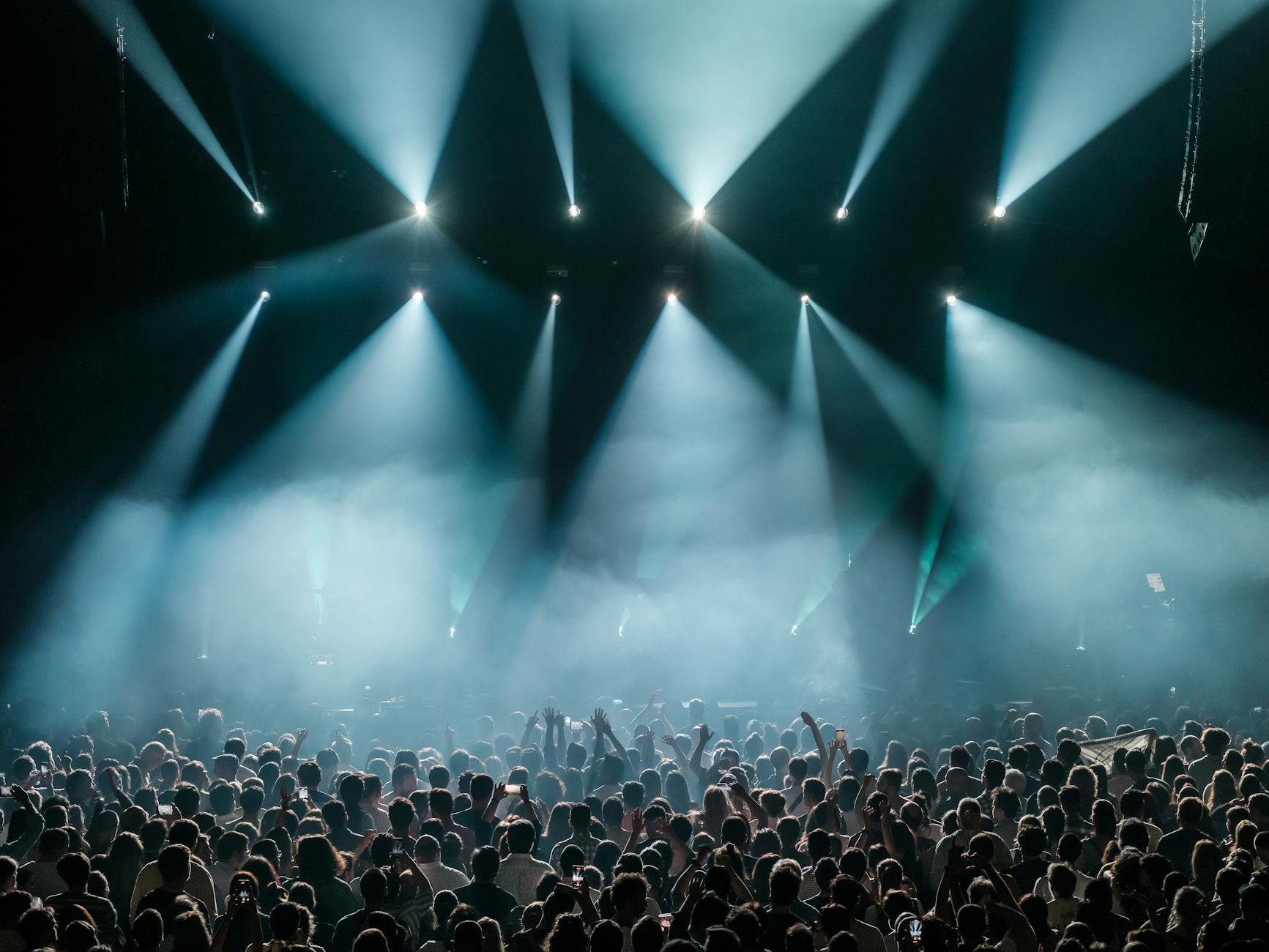
Manchester Music Scene: A Brief History
The Manchester music scene’s story begins in the late 1970s, when a now-legendary Sex Pistols concert at the Lesser Free Trade Hall in June 1976 inspired a generation of Mancunians to form bands. Among the audience were future members of Joy Division, The Smiths, The Fall, and Buzzcocks — four bands who would go on to reshape British music. The Manchester music scene has been producing world-changing artists ever since.
Joy Division and New Order (late 1970s–1980s): Joy Division, fronted by Ian Curtis, created a haunting post-punk sound that influenced countless bands. After Curtis’s death in 1980, the remaining members formed New Order, blending electronic music with guitar rock and pioneering the synth-pop and dance crossover that would define the next decade. Tony Wilson’s Factory Records label, based in Manchester, released their music and became one of the most iconic independent labels in history.
The Smiths (1982–1987): Morrissey and Johnny Marr’s The Smiths emerged from the Manchester music scene to become one of the most important British bands of the 1980s. Their literate, emotionally raw songs and Marr’s jangly guitar sound defined indie music for a generation. Salford Lads Club, where the band was famously photographed for The Queen is Dead, remains a pilgrimage site for fans.
Madchester (late 1980s–early 1990s): The convergence of indie rock and acid house at The Haçienda nightclub created the Madchester movement — a euphoric, dance-driven scene that put Manchester at the centre of British popular culture. The Stone Roses and Happy Mondays were the scene’s twin pillars, with The Haçienda (owned by Factory Records and New Order) serving as its spiritual home. The Manchester music scene during this period attracted worldwide attention and established the city as a cultural force to rival London.
Oasis and Britpop (1990s): Brothers Noel and Liam Gallagher formed Oasis in Burnage, south Manchester, and became the biggest British band of the 1990s. Their debut album Definitely Maybe became the fastest-selling British debut at the time, and their rivalry with Blur defined the Britpop era. Oasis’s 2025 reunion tour at Heaton Park drew over 400,000 fans across multiple nights, demonstrating the enduring power of Manchester’s musical legacy.
2000s to present: The Manchester music scene continued evolving through the 2000s with acts like Elbow, Doves, and The Courteeners building loyal followings, while the electronic scene thrived through labels like Warehouse Project and clubs across the city. Today’s Manchester music scene is more diverse than ever — hip-hop artists like Aitch and Bugzy Malone, indie bands like Blossoms and The Lathums, and a thriving underground of electronic producers and DJs keep the city at the forefront of British music.
Manchester Music Scene: Global Influence and Musical Legacy
The Manchester music scene’s influence on global music culture is difficult to overstate. Factory Records, founded by Tony Wilson in 1978, pioneered the independent label model that countless labels worldwide have since followed. The label’s distinctive visual identity, designed by Peter Saville, influenced graphic design far beyond the music industry. Factory’s catalogue numbers — applied not just to records but to the Haçienda itself (FAC 51) and even a lawsuit (FAC 61) — became a template for how independent culture could brand itself.
The Madchester movement directly influenced the crossover between guitar music and electronic dance music that continues to define British pop culture. Without Manchester’s late-1980s fusion of indie and acid house, the trajectory of UK music from Britpop through to today’s electronic-inflected indie would have been fundamentally different. The Manchester music scene’s DNA runs through everything from The Chemical Brothers (who met at the University of Manchester) to LCD Soundsystem’s dance-rock hybrid.
Today, Manchester’s influence continues through a new generation. The city produces more chart-topping artists per capita than anywhere in the UK outside London. Aitch, Bugzy Malone, and Blossoms represent the diversity of the current Manchester music scene, while producers and DJs from the city continue to shape UK dance music. Manchester’s music education infrastructure — including the Royal Northern College of Music, the University of Manchester’s music department, and numerous independent studios — ensures a constant pipeline of new talent feeding the Manchester music scene.
Major Live Music Venues in the Manchester Music Scene
Arena-Scale Venues
Co-op Live: Opened in 2024, Co-op Live is the UK’s largest indoor music venue with a capacity of 23,500. Designed with cutting-edge acoustics and eco-friendly technology, it hosts the biggest international touring acts. Located next to the Etihad Stadium, it’s accessible by tram to the Etihad Campus stop. The Manchester music scene gained a world-class facility with this venue.
AO Arena: Manchester’s established arena venue seats 21,000 and has hosted everything from Beyoncé to the MTV Europe Music Awards. Located next to Victoria station, it’s one of the busiest arenas in Europe. The arena is also a frequent stop for major comedy tours and sporting events, but its core identity is as a Manchester music scene landmark.
Mid-Size Venues (500–3,500 capacity)
O2 Apollo: This Art Deco theatre in Ardwick has been hosting legendary performances since the 1930s. With a capacity of 3,500, it occupies the sweet spot between arena spectacle and intimate atmosphere. The standing stalls and raked balcony seating provide excellent sightlines, and its history includes performances by The Beatles, The Rolling Stones, and virtually every major act to pass through the Manchester music scene.
Albert Hall: A converted Wesleyan chapel on Peter Street, the Albert Hall combines stunning Gothic architecture with a modern sound system. The venue hosts indie, electronic, and classical performances for up to 2,000 people, and the ornate interior makes every gig feel special. The Refuge bar and restaurant next door makes it easy to combine dinner with a show.
Victoria Warehouse: This industrial venue near Old Trafford hosts 3,000-capacity events and is a favourite for electronic music nights, live performances, and club events. The raw warehouse aesthetic suits the Manchester music scene’s gritty energy perfectly.
O2 Ritz: A legendary dancehall on Whitworth Street West with a sprung dancefloor that literally bounces during gigs. The 1,500-capacity Ritz has hosted countless iconic Manchester music scene moments and remains one of the best mid-size venues in the city for rock, indie, and electronic shows.
Small and Grassroots Venues (under 500 capacity)
Band on the Wall: Band on the Wall on Swan Street has been a cornerstone of the Manchester music scene since the 1930s. Recently renovated and expanded, it specialises in jazz, world music, folk, and emerging artists across two performance spaces. The venue’s programming is consistently excellent and often features artists you won’t find at larger venues.
Night & Day Café: This Oldham Street institution in the Northern Quarter is where many Manchester music scene careers have begun. Oasis, Elbow, and The Arctic Monkeys all played early gigs here. The 250-capacity café-bar hosts live music most nights and charges modest door fees, making it one of the best places to discover new talent in Manchester.
YES: A multi-level venue on Charles Street with a basement gig space (capacity 350), a rooftop terrace with DJs, and multiple floors of bars and food. YES has quickly become one of the most important venues in the Manchester music scene since opening in 2018, with excellent programming across indie, electronic, and experimental genres.
Gullivers, The Castle, and Soup Kitchen: These Northern Quarter venues form the grassroots backbone of the Manchester music scene. Gullivers (capacity 120) and The Castle (capacity 100) on Oldham Street host emerging bands most nights for free or £5-8. Soup Kitchen combines a club in the basement with a café at street level, hosting DJs, live acts, and art events. The Manchester music scene’s future stars are playing these rooms right now.
Electronic Music and Club Culture in the Manchester Music Scene
Manchester’s electronic music heritage runs deep — from The Haçienda’s acid house revolution to today’s thriving club scene. The Warehouse Project, held annually from September to January in various Manchester venues, is the UK’s most celebrated club series, bringing international DJs and electronic artists to multi-thousand-capacity warehouse spaces. Past lineups have included everyone from Four Tet to Carl Cox, and tickets for top events sell out within minutes.
Beyond the Warehouse Project, the Manchester music scene’s electronic side thrives year-round. Hidden, a multi-room venue near Piccadilly station, hosts regular club nights, live electronic performances, and immersive events. White Hotel in Salford pushes the boundaries with experimental electronic programming. Refuge by Volta in the Principal Hotel offers cocktails with DJ sets in a stunning tiled basement. Hatch on Oxford Road combines street food with regular DJ events in repurposed shipping containers.
The Manchester music scene also has a strong connection to the UK’s broader dance music culture through labels and collectives. Manchester-based labels and promoters continue to push boundaries in house, techno, drum and bass, and garage, with regular events across the city’s clubs. For visitors, checking listings on Resident Advisor is the best way to find electronic events during your visit.
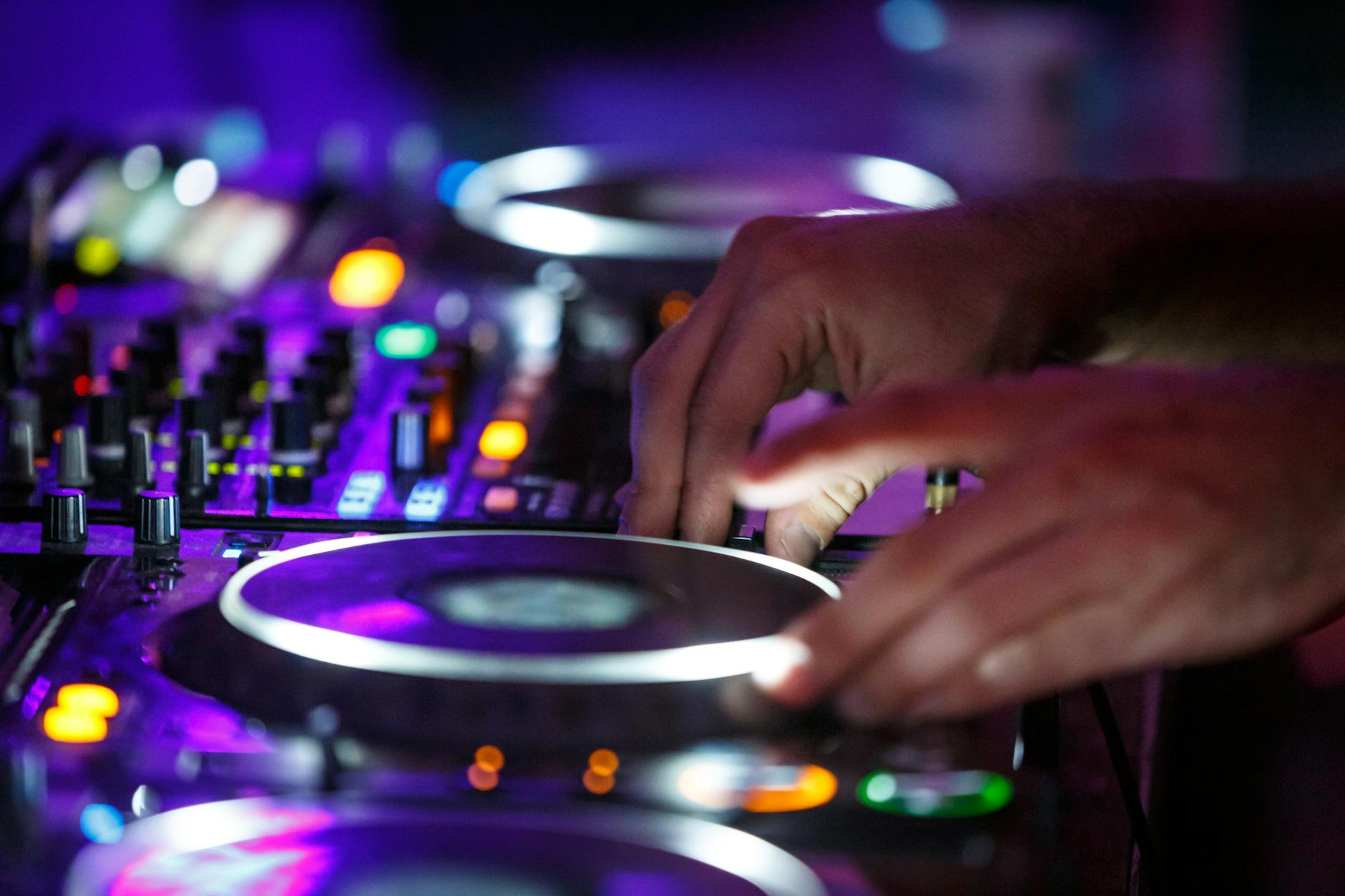
For those seeking the Manchester music scene’s electronic edge beyond club nights, several regular events and series cater to different tastes. Hoya:Hoya at various venues champions bass music, grime, and experimental electronics. Homoelectric, one of the UK’s longest-running queer club nights, mixes disco, house, and left-field dance music in a welcoming, inclusive atmosphere that captures the Manchester music scene’s community spirit at its best. Zutekh, Now Wave, and Hit & Run are among the promoters whose nights are consistently worth attending.
The Warehouse Project deserves special mention as the Manchester music scene’s most high-profile electronic event. Running from September to New Year, it takes over large-scale venues (previously Store Street, Mayfield Depot, and currently various locations) for weekend club events featuring the world’s biggest DJs and electronic artists. Events sell out rapidly — sign up for the mailing list as early as July for the best chance of securing tickets. The atmosphere at WHP events is electric, and many visitors time their Manchester trips specifically around this season.
Manchester Music Scene: Record Shops and Music Culture
The Manchester music scene extends beyond venues into a thriving culture of record shops, music memorabilia, and fan pilgrimage sites. The Northern Quarter is the epicentre, with several essential stops for music lovers.
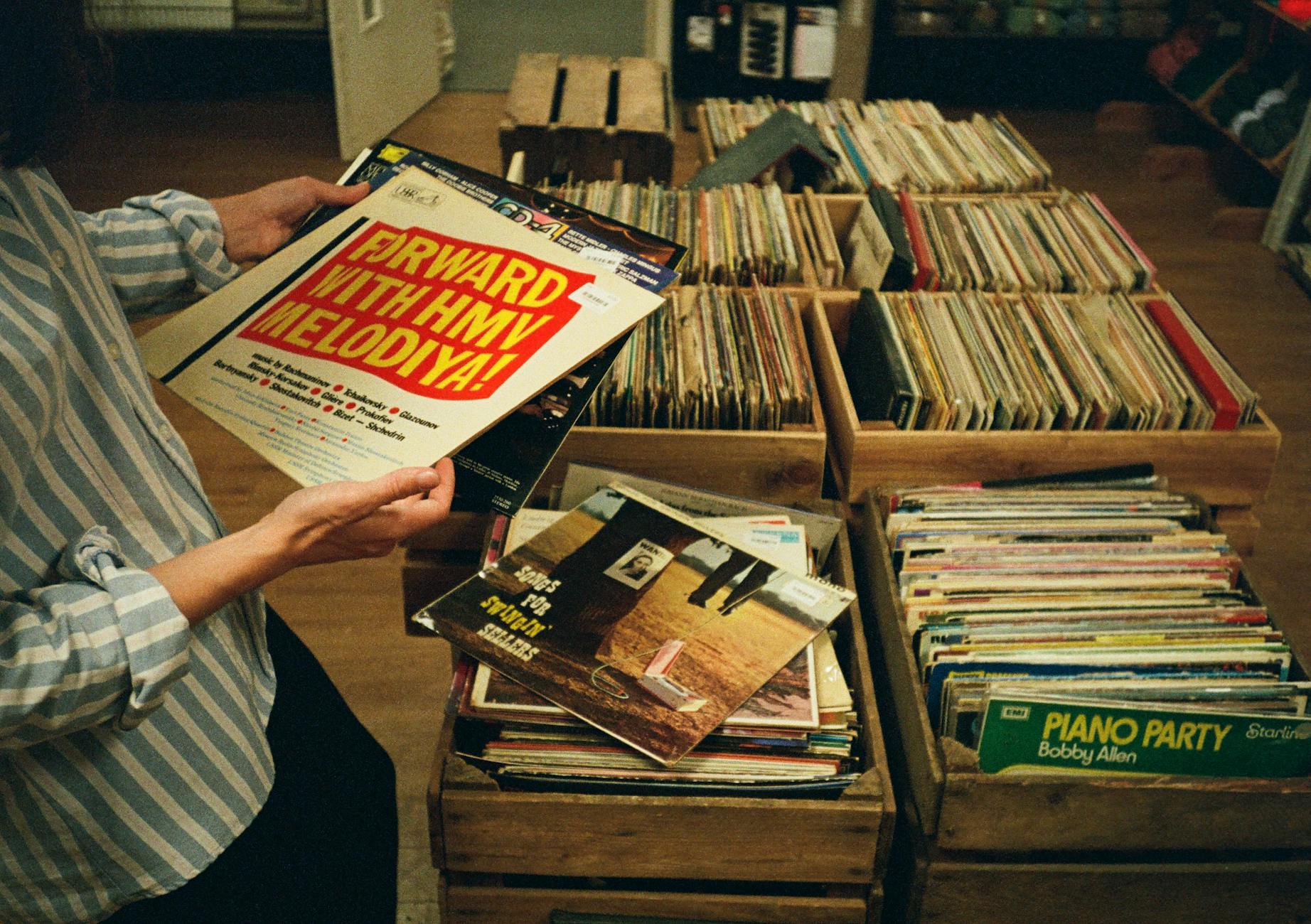
Vinyl Exchange: Spread across two floors on Oldham Street, Vinyl Exchange is one of the UK’s largest second-hand record shops. The stock spans every genre from Northern Soul to acid house, with a particularly strong selection of Manchester music scene releases. Expect to spend hours browsing.
Piccadilly Records: Located just off Piccadilly Gardens, this independent shop has been championing new music since 1978. The staff are deeply knowledgeable and the in-store recommendations are a reliable guide to what’s exciting in the current Manchester music scene. They host regular in-store performances and signings.
Eastern Bloc Records: Specialising in electronic, dance, and experimental music, Eastern Bloc on Stevenson Square has been at the heart of the Manchester music scene’s electronic side since 1985. The shop hosts DJ sets and has its own record label.
Other essential stops: Ear Wax Records in Afflecks, Chapter One Books on Lever Street (excellent music book section), and the Manchester Music Walking Tour — a guided walk covering key sites from the Haçienda to Salford Lads Club, Factory Records HQ to the Free Trade Hall. For a complete guide to shopping in the city, see our Manchester shopping guide.
Manchester Music Scene Walking Tours and Experiences
Several companies offer guided walks through the Manchester music scene’s key locations. The most popular is the Manchester Music Walking Tour by Brit Music Tours, which covers the Haçienda site, Free Trade Hall, Salford Lads Club, and other landmarks over 2.5 hours. Guides are typically music journalists or musicians with deep knowledge of the Manchester music scene’s history and anecdotes you won’t find in any guidebook.
For a more immersive experience, the Manchester Music Heritage Trail is a self-guided route that can be followed using a free map available from the Tourist Information Centre at Piccadilly Gardens. The trail connects over 30 locations significant to the Manchester music scene, from the birthplace of The Smiths’ Morrissey in Davyhulme to the Dry Bar on Oldham Street (Manchester’s first designer bar, created by Factory Records). Allow 3-4 hours to complete the full trail, or pick the sections most relevant to your musical interests.
Music fans should also visit Manchester Central Library, which houses an extensive music archive including recordings, photographs, and memorabilia from the Manchester music scene’s key moments. The archive is free to access and includes materials relating to Factory Records, The Haçienda, and major Manchester bands. For broader cultural context, our museums and culture guide covers Manchester’s gallery and museum scene.
Manchester Music Scene Pilgrimage Sites
Music fans visiting Manchester will want to see the locations that shaped the city’s legendary sound. The Haçienda site on Whitworth Street West is now a block of apartments, but a commemorative plaque and the venue’s original yellow-and-black bollards mark the spot. The Free Trade Hall, where the Sex Pistols played their era-defining 1976 gig, is now the Radisson Blu Edwardian hotel — the event is commemorated with a plaque on the building’s exterior.
Salford Lads Club on Coronation Street in Salford is famous from The Smiths’ The Queen is Dead album artwork. The club still operates as a youth centre and welcomes visitors to photograph the exterior. Strawberry Studios in Stockport, where Joy Division, The Smiths, and The Stone Roses all recorded, no longer operates as a studio but is marked with a blue plaque. For music and cultural context, see our Manchester history and heritage guide.
The Boardwalk on Little Peter Street is where Oasis were discovered by Alan McGee of Creation Records in 1993 — the venue is now closed but the site is worth visiting for Oasis fans. Several companies run dedicated Manchester music scene walking tours covering these and other locations, typically lasting 2-3 hours and costing £10-15. The Manchester Music Walking Tour covers key sites with expert guides.
The Manchester music scene has inspired numerous films, documentaries, and TV shows. Control (2007) tells the story of Joy Division’s Ian Curtis. 24 Hour Party People (2002) follows Tony Wilson and Factory Records from the Sex Pistols gig to the Haçienda’s closure — it’s essential viewing before visiting the Manchester music scene’s landmarks. The Stone Roses: Made of Stone (2013) documented the band’s reunion. Spike Island (2012) dramatised the era around The Stone Roses’ legendary 1990 concert. More recently, Oasis Knebworth 1996 (2021) and the ongoing coverage of the band’s reunion have kept the Manchester music scene in global headlines.
How to Experience the Manchester Music Scene as a Visitor
Finding live music in Manchester is easy — on any given night, there are dozens of gigs, DJ sets, and open mic nights across the city. For gig listings, check Songkick, Skiddle, and the individual venue websites. The Manchester Evening News and Manchester’s Finest also maintain comprehensive event listings. During weekdays, expect to pay £5-15 for smaller venue gigs and £15-40 for mid-size shows. Arena tickets range from £30-100+ depending on the artist.
The Manchester music scene is concentrated in a few walkable areas. The Northern Quarter (Night & Day, Band on the Wall, YES, Gullivers, The Castle) has the densest concentration of live music venues, all within a 10-minute walk of each other. Deansgate and Oxford Road (Albert Hall, the Ritz, Hatch) form another cluster. The AO Arena sits at Victoria, while Co-op Live is near the Etihad Campus tram stop. All are easily reachable on foot or by tram — see our getting around Manchester guide for transport details.
For the best experience, combine daytime visits to record shops and pilgrimage sites with an evening gig. Start in the Northern Quarter browsing Vinyl Exchange and Piccadilly Records, grab lunch at one of the area’s excellent cafés (see our restaurant guide), then check what’s on at Night & Day, Band on the Wall, or YES that evening. Book ahead for popular shows — Manchester gigs sell out faster than in most UK cities outside London.
Manchester Music Festivals and Annual Events
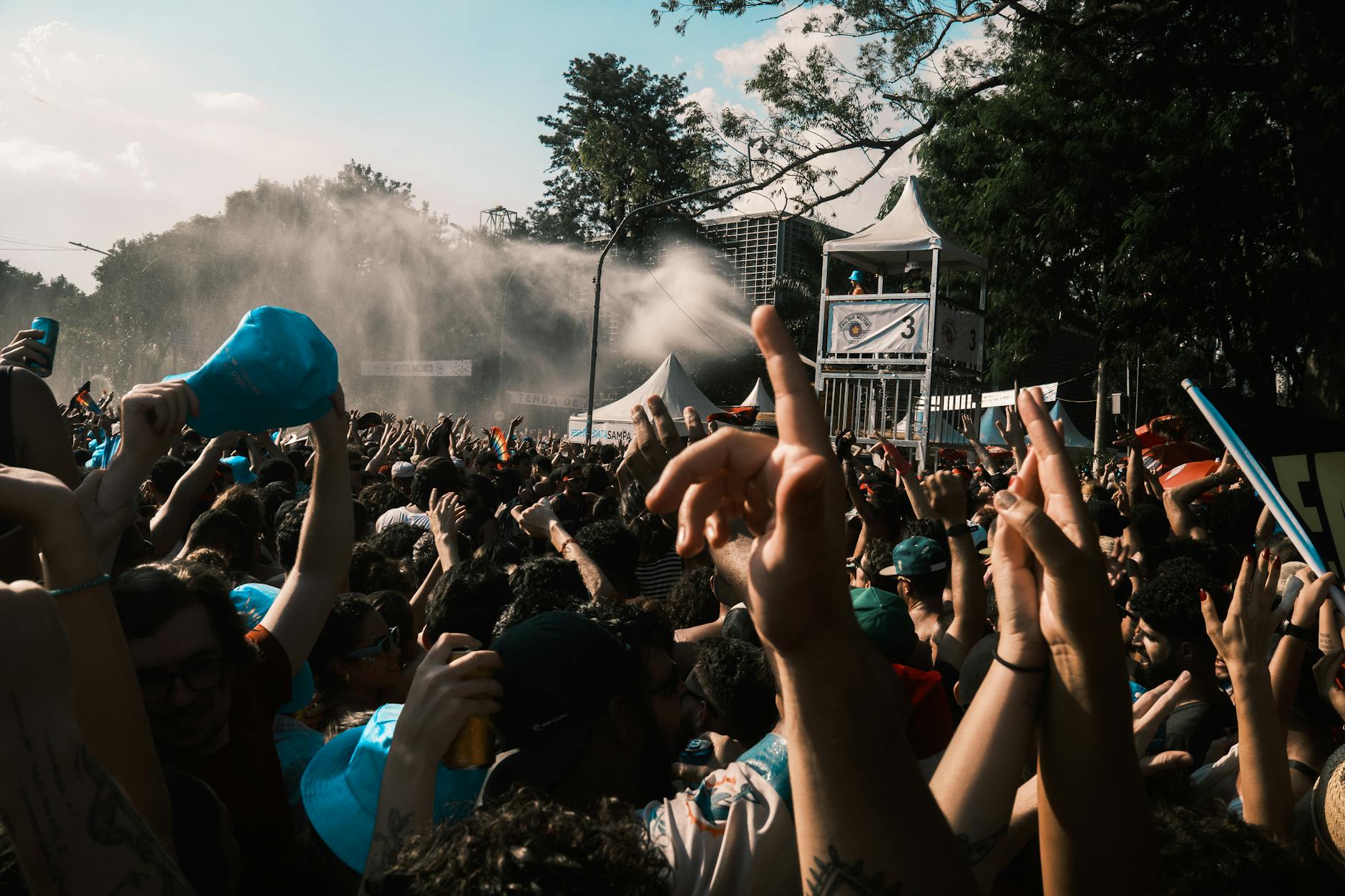
The Manchester music scene peaks during festival season. Parklife (June) is the city’s biggest music festival, held at Heaton Park with over 80,000 attendees across two days. The lineup spans hip-hop, dance, indie, and pop, with past headliners including Tyler, The Creator, Disclosure, and Tame Impala. Tickets sell out quickly — check early in the year for announcements.
Manchester International Festival (biennial, odd years) is a two-week celebration of new and original work across music, theatre, and art, often commissioning exclusive performances from major artists. Sounds From The Other City (May) is a one-day multi-venue festival in Salford that showcases the more adventurous side of the Manchester music scene — experimental, electronic, and underground artists across a dozen small venues. Manchester Pride (August) includes major live music performances alongside its parade and celebration. For a complete events calendar, see our Manchester events 2026 guide.
Other notable Manchester music scene events include Bluedot Festival at Jodrell Bank Observatory (combining music with science and cosmic themes), Live from Wythenshawe Park and Castlefield Bowl concerts throughout summer, and the Neighbourhood Festival in October — a multi-venue event across the Northern Quarter and surrounding areas that’s one of the best ways to discover new Manchester bands. For accommodation near the main music districts, check our where to stay in Manchester guide.
Practical Tips for the Manchester Music Scene
The Manchester music scene rewards visitors who plan slightly ahead. Sign up for venue mailing lists (particularly Band on the Wall, YES, and the Warehouse Project) for advance ticket access. Many smaller gigs are cash-on-the-door, but popular shows sell out — check Skiddle, Dice, and Ticketmaster for advance tickets. Most Manchester music scene venues are 14+ or 18+ for evening events, so check age restrictions if travelling with older teenagers.
Dress codes are relaxed at most Manchester music scene venues — jeans and trainers are standard. The Northern Quarter venues have no dress code at all. Larger venues like Albert Hall and the arenas are similarly casual. For club nights (particularly Warehouse Project events), comfortable shoes are essential — you’ll be on your feet for hours. Earplugs are strongly recommended for smaller venues where sound levels can be intense. Manchester’s nightlife extends well beyond music — see our dedicated guide for the complete picture.
The Manchester music scene is best experienced as part of a broader visit to the city. Combine music landmarks with cultural attractions through our things to do in Manchester guide, and plan your trip using our Manchester travel guide. Whether you’re here for a stadium show or a basement gig, the Manchester music scene will deliver an experience that stays with you long after the last note fades.
The biggest room in the city — and the biggest indoor arena in the country — is out on the Etihad Campus. Our Co-op Live guide covers the seating plan, the trams and how long it really takes to get home.