This article contains advertising. Our booking links are routed through a partner that adds commission tracking automatically, so if you book through one we earn a commission from the provider, at no extra cost to you. It never affects what we recommend. Affiliate disclosure
Every great city is defined by its neighbourhoods, and Manchester is no exception. This Manchester neighbourhoods guide will help you navigate a city where each district has its own distinct personality, history, and attractions. From the street art-covered walls of the Northern Quarter to the canal-side calm of Castlefield, from the gleaming towers of Spinningfields to the multicultural buzz of Rusholme’s Curry Mile, Manchester’s areas reward exploration in a way that few British cities can match.
Understanding Manchester’s areas is the key to getting the most from your visit. The city centre alone contains half a dozen distinct neighbourhoods within walking distance of each other, while the inner suburbs offer experiences that many visitors miss entirely. This Manchester neighbourhoods guide covers the essential areas you need to know, what makes each one special, and practical tips for exploring them all. Whether you have a weekend or a week, knowing where to go and what to expect when you get there will transform your Manchester experience.
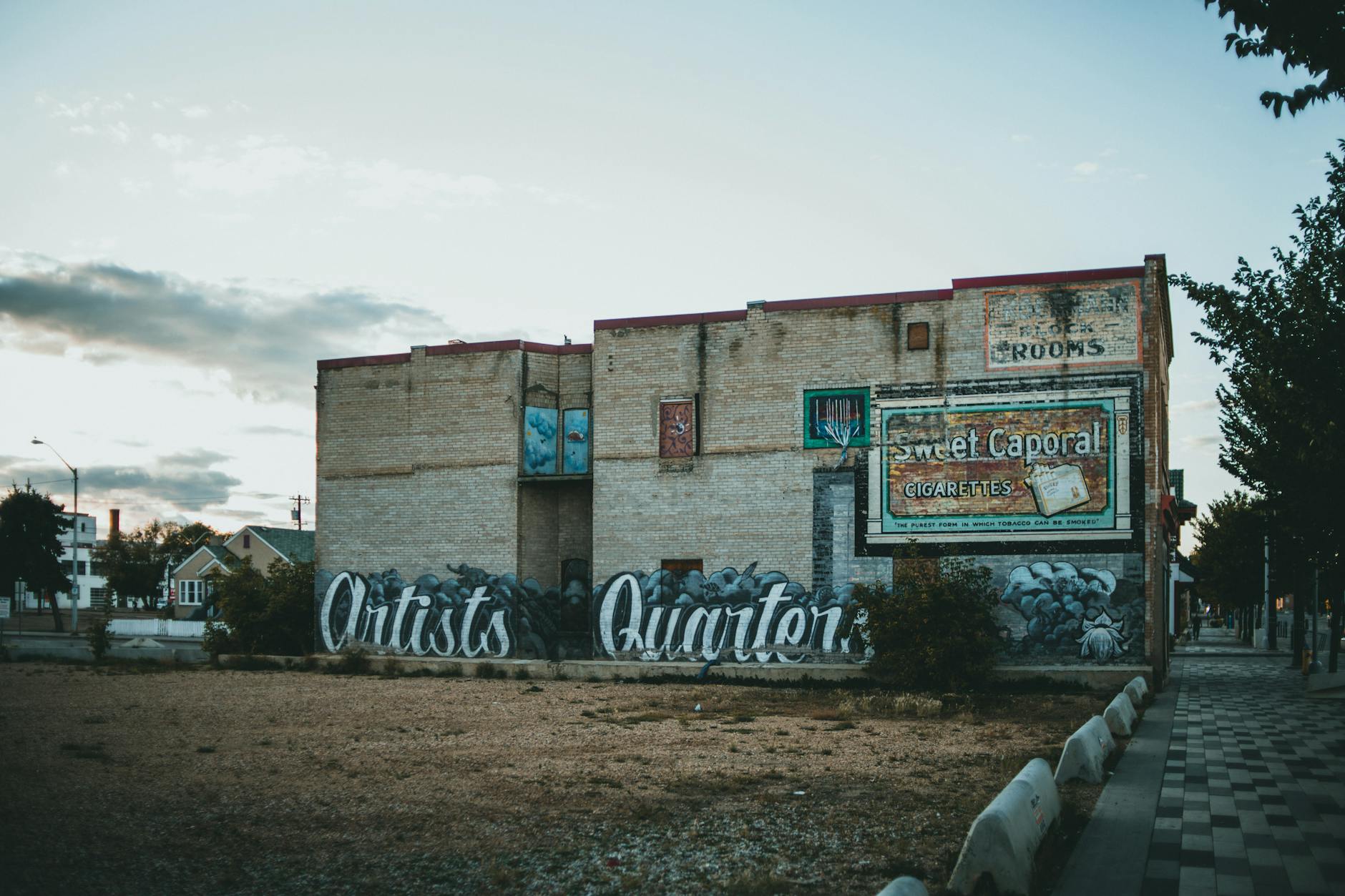
Manchester’s neighbourhoods are shaped by centuries of history, waves of immigration, and a restless creative energy that continues to drive the city forward. The Industrial Revolution was born here, and that spirit of innovation and reinvention is visible in every neighbourhood from the sensitively regenerated cotton mills of Ancoats to the cutting-edge architecture of Spinningfields. Unlike many British cities where gentrification has smoothed out local character, Manchester’s areas have largely managed to modernise while retaining the distinctive personalities that make them worth visiting. This is a city where a Roman fort sits beside Victorian canal infrastructure and 21st-century glass towers — and somehow it all works.
The Northern Quarter: Manchester’s Creative Soul
No Manchester neighbourhoods guide would be complete without starting in the Northern Quarter. This compact grid of streets between Piccadilly Gardens and Victoria Station is the creative beating heart of the city and typically the first neighbourhood visitors fall in love with. Chain stores are actively discouraged here, giving the area an authenticity that is increasingly rare in modern British cities. This is the neighbourhood where Manchester’s music heritage lives most visibly, with venues, record shops, and rehearsal studios maintaining a direct connection to the city’s legendary musical past.
Afflecks is the neighbourhood’s most iconic landmark — a four-storey indoor market spread across a former department store, selling everything from vintage clothing and handmade jewellery to retro games and alternative fashion. It has been a Northern Quarter institution since 1982 and remains a must-visit for anyone exploring Manchester’s neighbourhoods. Nearby, the Manchester Craft and Design Centre on Oak Street houses over 30 studios where you can watch artists and makers at work and buy directly from them.
The Northern Quarter’s shopping experience is unlike anything else in Manchester. Oldham Street alone offers a treasure trove of independent retailers, from Oklahoma vintage clothing and Oi Polloi streetwear to specialist bookshops and comic stores. Tib Street has become a destination for design-conscious shoppers, with interiors shops, gallery spaces, and the kind of independent boutiques that give a neighbourhood its character. For record collectors, Piccadilly Records on Oldham Street and Vinyl Exchange on Oldham Street are essential stops, stocking everything from rare Northern Soul 45s to the latest indie releases.
The Northern Quarter’s food and drink scene is remarkable for an area of its size. Mackie Mayor, housed in a beautifully restored Grade II listed market hall, is a communal dining space featuring some of Manchester’s best independent food traders. For coffee, Takk and Ancoats Coffee Co set the standard, while evening drinking options range from the cocktail sophistication of The Fitzgerald to the cheerful chaos of Crazy Pedro’s late-night pizza bar. Night & Day Cafe on Oldham Street has been one of Manchester’s most important small music venues since 1991, while the streets themselves are an open-air gallery of street art with murals from internationally renowned artists appearing on walls across the neighbourhood. The key streets to explore are Oldham Street, Tib Street, Thomas Street, and Stevenson Square, and the area is at its liveliest on weekend afternoons and evenings.
The Northern Quarter is also the epicentre of Manchester’s independent music scene. Matt & Phreds Jazz Club draws music lovers with world-class performers in an intimate setting, while Band on the Wall — one of the oldest live music venues in the UK — hosts an eclectic programme spanning jazz, world music, folk, and electronic. Vinyl culture thrives here too, with shops like Piccadilly Records and Vinyl Exchange attracting collectors from across the country. For visitors looking to experience Manchester’s famous musical heritage first-hand, there is no better neighbourhood to start than the Northern Quarter.
Ancoats: The World’s Coolest Neighbourhood
Immediately east of the Northern Quarter lies Ancoats, a neighbourhood that has undergone one of the most remarkable transformations in British urban history. Once the world’s first industrial suburb — its cotton mills powered the Industrial Revolution — Ancoats fell into severe decline in the late 20th century. Today, it stands as a shining example of thoughtful regeneration, with those same red-brick mills and warehouses now housing apartments, restaurants, creative studios, and some of the best food in Manchester. Time Out named Ancoats among the coolest neighbourhoods in the world, and the praise is well deserved.
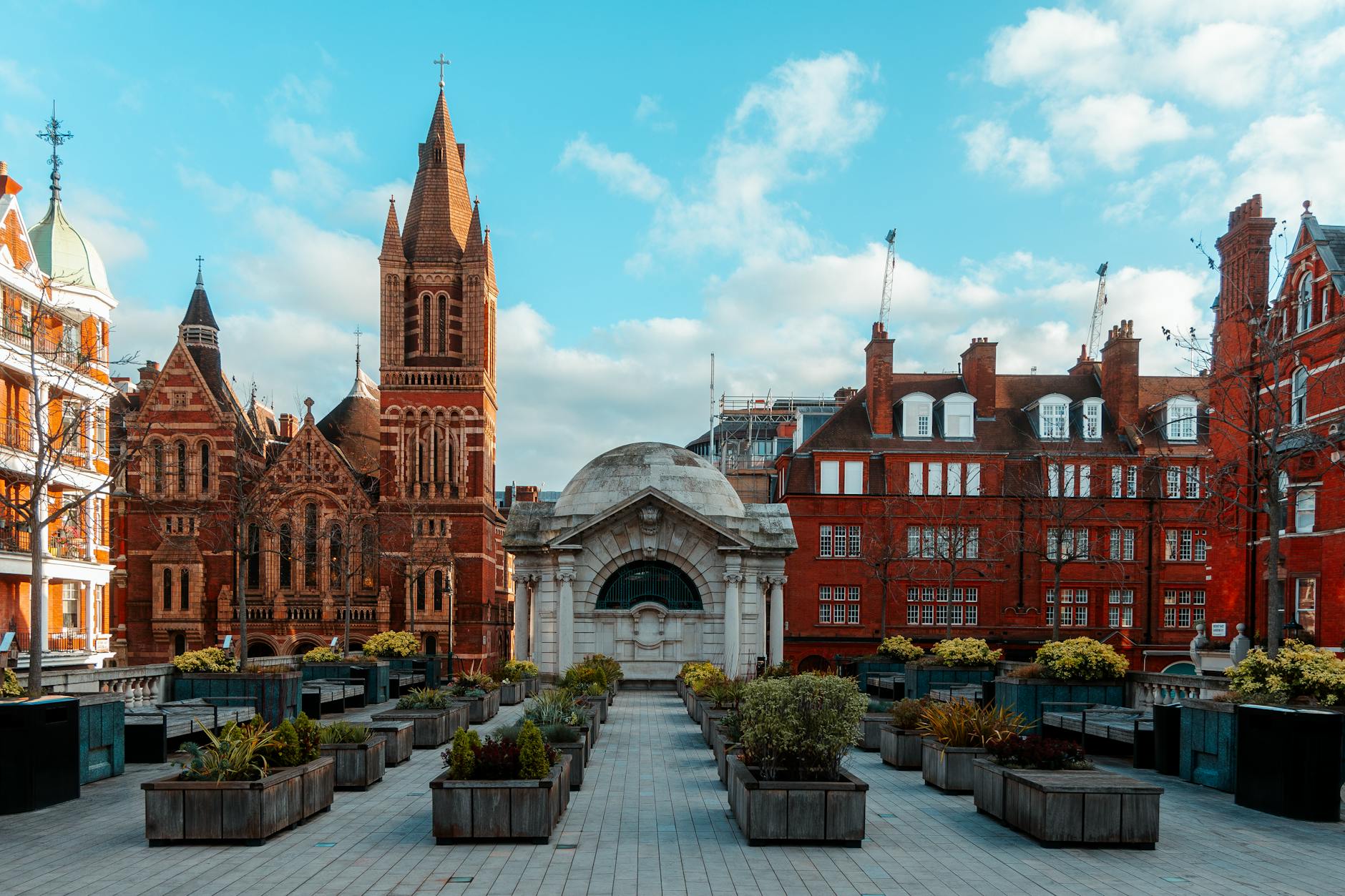
Cutting Room Square is the neighbourhood’s social hub, surrounded by restaurants including Rudy’s Neapolitan Pizza, Erst, and Elnecot. Pollen Bakery, tucked beneath a railway arch, draws queues every weekend for its legendary sourdough and pastries. The area’s Italian heritage — Ancoats was once known as Little Italy — lives on in establishments like Sugo Pasta Kitchen. The architectural quality of the regeneration is exceptional: rather than demolishing the Victorian cotton mills, developers sensitively converted Murray’s Mills, Waulk Mill, and Royal Mills into residential and commercial spaces that celebrate the neighbourhood’s industrial heritage.
What makes Ancoats special within this Manchester neighbourhoods guide is its walkability and the density of quality experiences packed into a small area. You can spend an entire afternoon wandering between the Ancoats General Store, browsing independent galleries, and stopping for coffee at Idle Hands or Foundation Coffee House. The Rochdale Canal runs along the neighbourhood’s southern edge, providing a peaceful waterside walk that connects Ancoats to the city centre and beyond.
Ancoats continues to evolve rapidly, with new openings appearing regularly alongside established favourites. The neighbourhood’s success has inspired similar regeneration projects across Manchester, but Ancoats remains the gold standard — a place where industrial heritage, contemporary design, and genuine community coexist in a way that feels natural rather than forced. For visitors using this Manchester neighbourhoods guide to plan their trip, allocating at least a morning or afternoon to Ancoats is essential, ideally combining a Pollen Bakery visit with lunch at one of the restaurants on Cutting Room Square and a canal-side stroll.
The neighbourhood also has a growing cultural scene, with galleries like Jacuzzi and the Hallam Mill studios contributing to an arts infrastructure that complements the food and drink offering. Street art is appearing on walls throughout Ancoats, adding colour and creativity to the red-brick industrial landscape. On summer weekends, the area around Cutting Room Square takes on a festival-like atmosphere as locals and visitors gather to enjoy the sunshine, the food, and the unique energy of a neighbourhood that is very much still writing its story. This Manchester neighbourhoods guide will be updated as Ancoats continues to evolve, but even now it stands as one of the most exciting urban neighbourhoods in the country.
Spinningfields and Deansgate: Where Business Meets Pleasure
Spinningfields is Manchester’s premier business and lifestyle district, a purpose-built area of gleaming glass towers, high-end restaurants, and designer boutiques that represents the city’s ambitious modern face. During the working week, it buzzes with professionals from the law firms, financial institutions, and media companies based here. At weekends and evenings, it transforms into one of Manchester’s most glamorous dining and drinking destinations with venues like The Oast House, Australasia, The Ivy, and 20 Stories delivering jaw-dropping rooftop views.
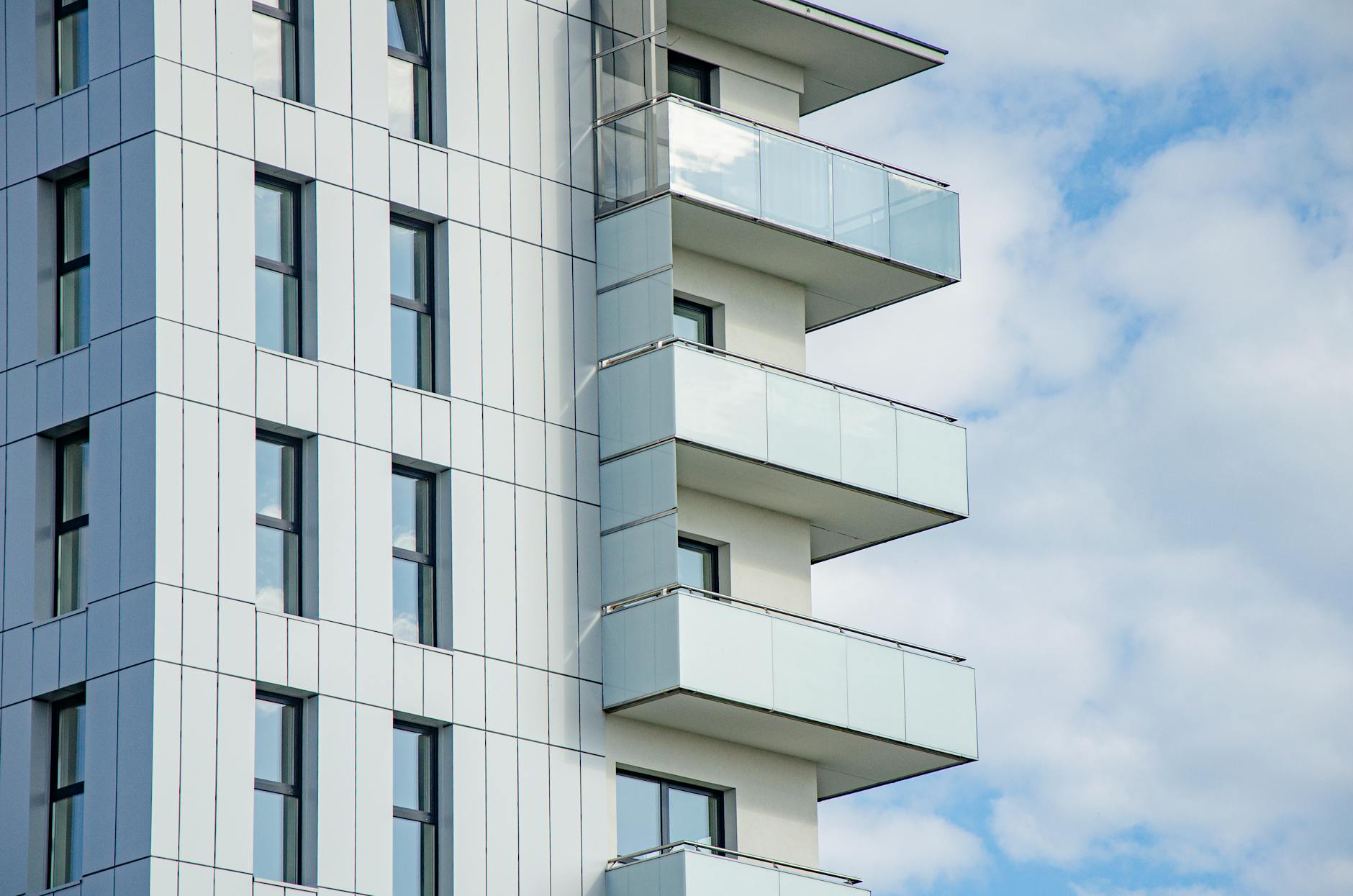
Deansgate is Manchester’s main artery, running from the cathedral in the north to Knott Mill in the south. Along its length you will find the magnificent John Rylands Library — a neo-Gothic masterpiece built in the 1890s that houses a collection including a fragment of St John’s Gospel from around AD 125, the oldest surviving New Testament text. The reading rooms with their soaring arches and stained glass make this one of the most beautiful public buildings in England. Entry is free. The Beetham Tower, home to the Hilton Hotel and Cloud 23 cocktail bar, dominates the Deansgate skyline. Major shopping includes Harvey Nichols, the Great Northern Warehouse complex, and boutiques scattered along King Street.
The streets between Deansgate and Peter Street form Manchester’s cultural quarter, anchored by the spectacular Albert Hall — a former Wesleyan chapel converted into a live music and events venue. The People’s History Museum in Spinningfields is the only museum in the UK dedicated to the history of British democracy, housing approximately 1,500 objects including the largest collection of trade union banners in the world. In winter, Spinningfields hosts a Christmas ice rink and markets, while summer brings pop-up film screenings and outdoor events to Hardman Square. This area demonstrates how Manchester’s neighbourhoods blend commerce, culture, and entertainment in a way that feels seamless and inviting.
Castlefield: Where Manchester Began
Castlefield is where Manchester’s story started. The Romans built a fort here — Mamucium — in AD 79, and the remains are still visible in the Castlefield Urban Heritage Park. Two thousand years later, this tranquil canal-side neighbourhood offers a complete contrast to the bustle of the city centre, despite being only a ten-minute walk from Deansgate. Castlefield is one of the most underrated entries in any Manchester neighbourhoods guide, and visitors who venture here are rewarded with a unique blend of ancient history and industrial heritage.
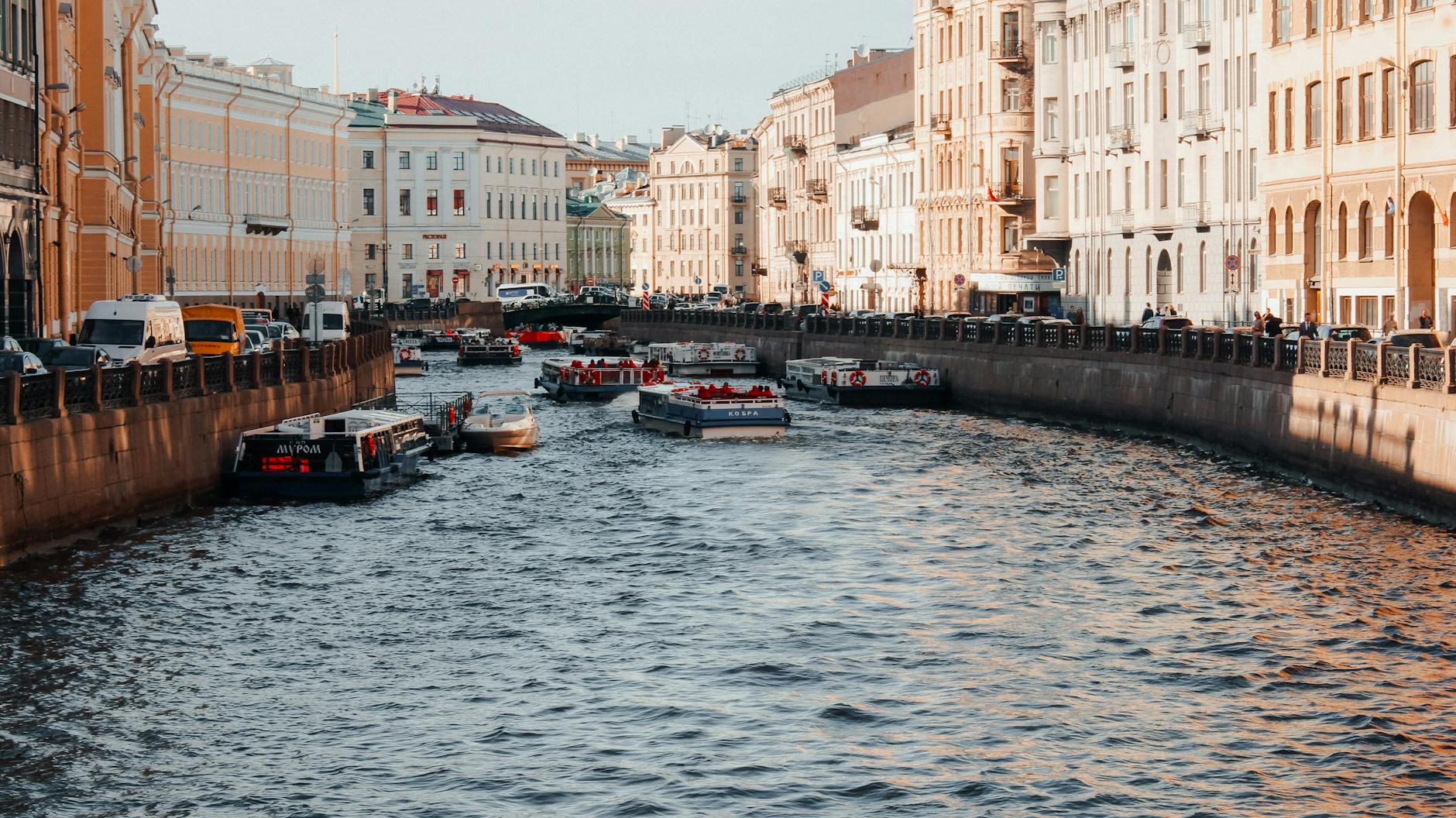
The Bridgewater Canal and Rochdale Canal converge here, creating a network of waterways lined by converted warehouses, canal boats, and some of Manchester’s best-loved pubs. Dukes 92, named after the Duke of Bridgewater, has an enormous waterside terrace famous for its cheese and meat boards. The Castlefield Viaduct, a dramatic Victorian railway structure, has been transformed by the National Trust into an elevated sky garden with wildflowers, trees, and seating high above the canal.
The Museum of Science and Industry (MOSI) sits at the heart of Castlefield, housed in the world’s first passenger railway station. Its exhibitions span Manchester’s contributions to science and technology, from the spinning jenny to the splitting of the atom, and include an impressive Air and Space Hall. Admission is free, and you could easily spend half a day here. Castlefield Bowl, an outdoor amphitheatre, hosts concerts and events throughout the summer, while canal towpaths provide peaceful walks connecting to Salford Quays.
The Roman fort remains in Castlefield are modest but historically significant — information boards help you understand the layout of what was once a garrison protecting the road between the Roman settlements at Chester and York. The neighbourhood’s layered history is visible everywhere: Roman foundations sit beneath Victorian railway viaducts, which in turn tower over 18th-century canal infrastructure. This palimpsest of two thousand years of urban development makes Castlefield one of the most fascinating entries in any Manchester neighbourhoods guide, and the area’s peaceful atmosphere means you can take your time absorbing it all without the crowds that characterise the city centre.
Castlefield is also home to some of Manchester’s most atmospheric residential areas. The converted warehouses and canal-side apartments attract a mix of young professionals and creative types who prize the neighbourhood’s unique combination of central location and peaceful character. Grocery and Castle streets offer a village-like feel that is hard to find elsewhere in the city centre, with independent cafes and small galleries adding to the charm. For visitors with limited time, Castlefield is an ideal choice for a focused half-day exploration that combines history, architecture, culture, and excellent food and drink.
The Gay Village and Chinatown: Diversity and Culture
Manchester’s Gay Village, centred on Canal Street, is one of Europe’s most vibrant LGBTQ+ neighbourhoods. It first developed in the 1980s and gained international recognition through the television series Queer as Folk. The village has bars ranging from the legendary Via to newer venues like Bloom, performance spaces hosting drag shows and cabaret, and cafes that draw a mixed crowd throughout the day. Sackville Gardens features the Alan Turing Memorial — a bronze statue of the computing pioneer prosecuted for his homosexuality — which has become a place of pilgrimage and reflection. The annual Manchester Pride festival every August is one of the UK’s biggest LGBTQ+ celebrations with a spectacular parade, live music, and community events.
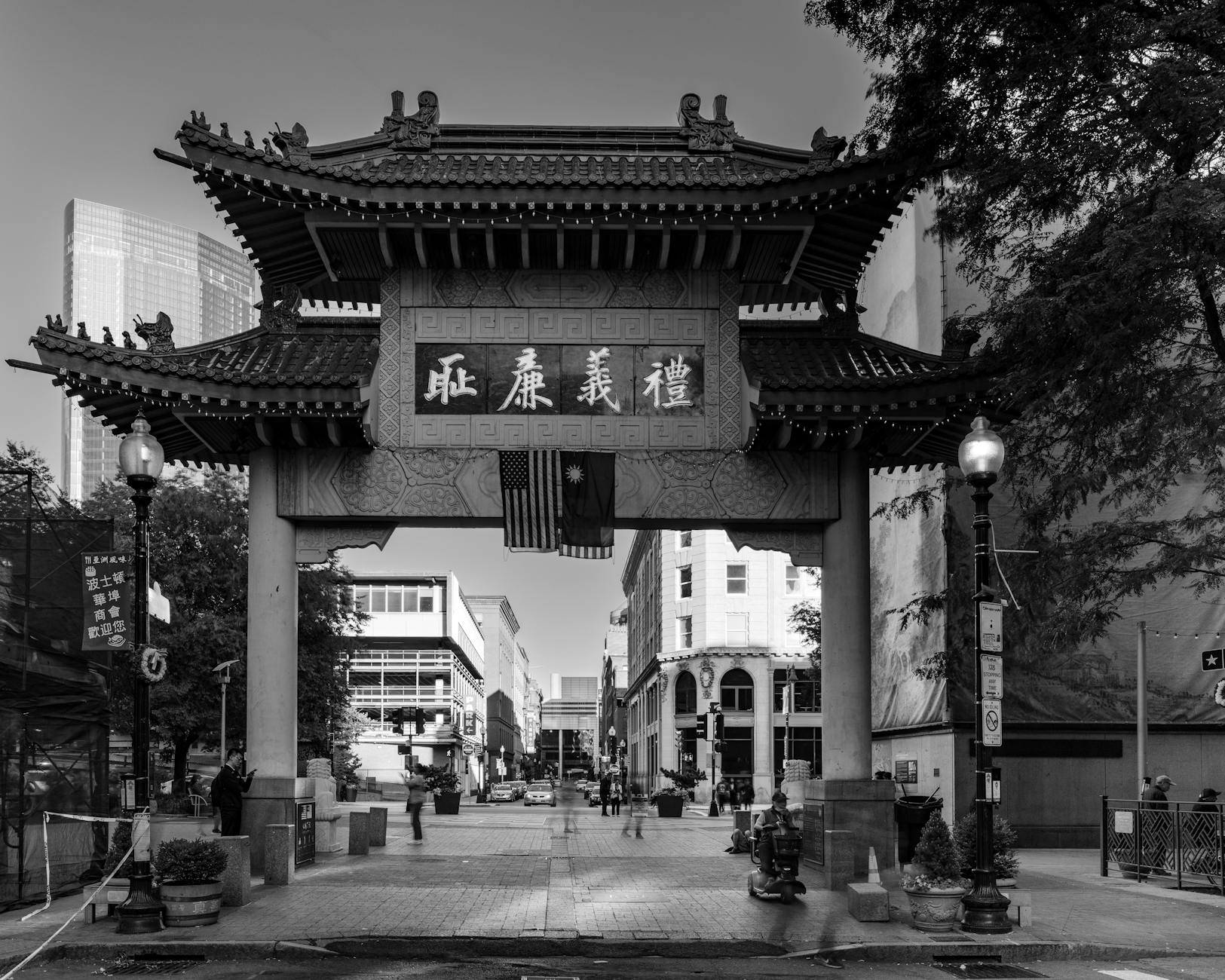
A few streets away, Manchester’s Chinatown is the largest Chinese community in the UK outside London. The ornamental arch on Faulkner Street marks the entrance to an area packed with Chinese, Vietnamese, Thai, Malaysian, and Japanese restaurants. Yang Sing has served exceptional Cantonese cuisine for over 40 years, while the Chinese New Year celebrations every January or February feature dragon dances, fireworks, and free cultural performances.
Together, the Gay Village and Chinatown embody the diversity that makes Manchester such a rich city to explore. Within a five-minute walk, you move from LGBTQ+ history and culture to one of the UK’s most established Chinese communities, with Indian, Pakistani, and Middle Eastern influences adding further layers of cultural complexity. This concentration of different communities and traditions in such a small area is characteristic of Manchester’s neighbourhoods — the city has always been defined by the people who have made it their home, from the Irish and Italian immigrants of the 19th century to the South Asian and Chinese communities that followed. Understanding this history enriches any visit and helps explain why Manchester feels so different from other English cities.
Salford Quays and MediaCityUK: Manchester’s Waterfront
Technically in the City of Salford, Salford Quays and MediaCityUK are so closely connected to Manchester that no Manchester neighbourhoods guide can ignore them. This transformed dockland area is home to the BBC’s northern headquarters, ITV’s Coronation Street studios, and some of the North’s most impressive cultural venues. The BBC offers free tours of its studios, while official Coronation Street set tours are available for fans.
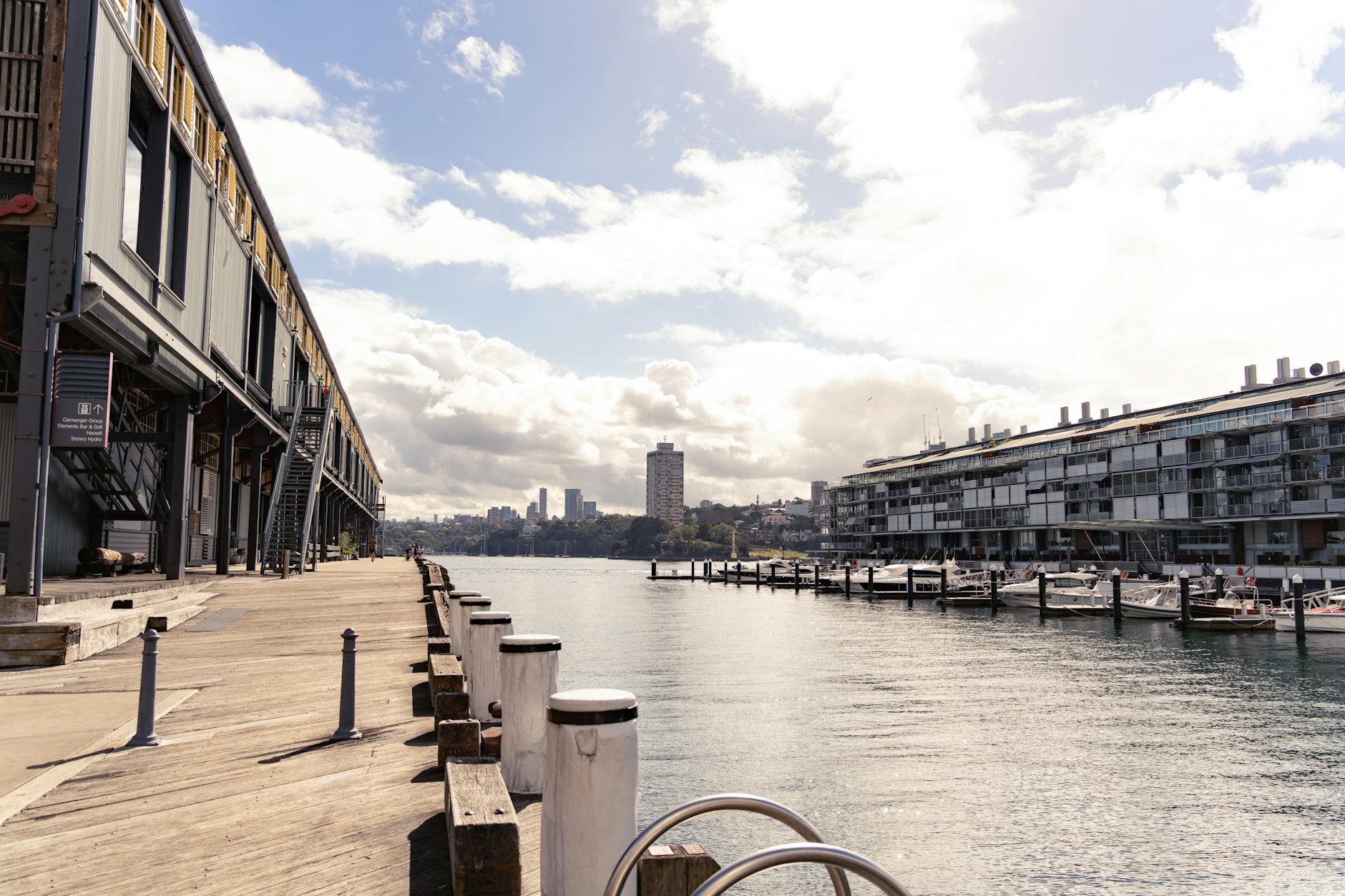
The Lowry is the centrepiece — a stunning silver-clad building with theatres and gallery spaces dedicated to L.S. Lowry. The Imperial War Museum North, designed by Daniel Libeskind, is architecturally striking and deeply moving. The Metrolink connects Salford Quays to the city centre in about 15 minutes. The waterside paths are popular for running and cycling with excellent views of Manchester’s skyline.
The transformation of Salford Quays from derelict docklands to a thriving cultural destination is one of the most successful urban regeneration stories in the UK. Where ships once loaded cotton for export to the world, families now picnic by the water while children play on the landscaped quaysides. The area’s food and drink scene has improved enormously in recent years, with restaurants and cafes now lining the waterfront alongside the cultural institutions. For visitors following this Manchester neighbourhoods guide, Salford Quays makes an excellent half-day excursion that combines world-class culture with a completely different perspective on Greater Manchester.
The area surrounding MediaCityUK continues to develop rapidly, with new residential buildings, restaurants, and creative businesses arriving regularly. The Quays Theatre at The Lowry hosts an excellent programme of drama, dance, and comedy, while the gallery spaces feature regularly changing exhibitions alongside the permanent Lowry collection. For families, the combination of interactive museum experiences at IWM North, waterside walks, and the Discovery Centre at MediaCityUK makes Salford Quays one of the most rewarding family-friendly destinations in this Manchester neighbourhoods guide.
Rusholme and the Curry Mile: A World of Flavours
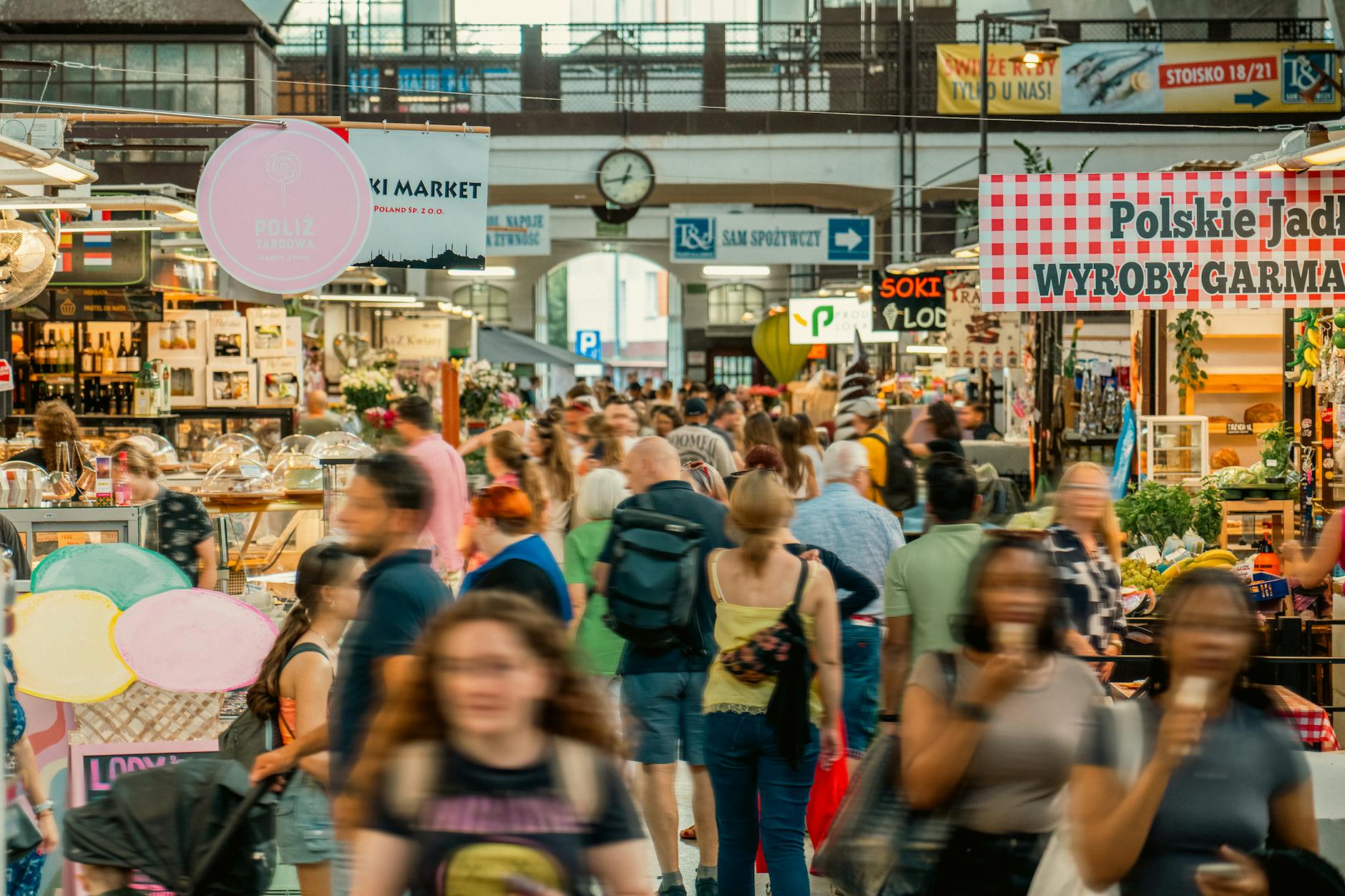
South of the city centre along Wilmslow Road lies Rusholme, home to the legendary Curry Mile — the densest concentration of South Asian restaurants in Europe. The stretch is a riot of neon signs, aromatic spices, and incredible value. Middle Eastern, Turkish, and East African restaurants now join the traditional South Asian establishments. Yadgar is a Rusholme institution for exceptional Pakistani home cooking at astonishingly low prices, while Mughli offers contemporary South Asian cuisine. Beyond food, the neighbourhood reflects successive waves of immigration, creating one of the most diverse communities in the UK with shops selling everything from Bollywood films to African textiles. The Curry Mile hits its stride after 8pm and is easily reached on foot or by bus from the city centre.
For the best Curry Mile experience, visit on a weekday evening when the restaurants are buzzing but not overwhelmingly busy. Do not be afraid to explore beyond the most prominent frontages — some of the best food is found in smaller, less showy establishments where families queue for their favourite dishes. The dessert parlours that have sprung up along the mile in recent years are worth a visit in their own right, serving elaborate creations that combine South Asian, Middle Eastern, and Western influences in increasingly creative ways. Rusholme is also the gateway to Fallowfield and Withington, student-friendly suburbs with their own developing food and bar scenes.
Chorlton, Didsbury and the Southern Suburbs
Manchester’s southern suburbs deserve a place in any Manchester neighbourhoods guide. Chorlton is the city’s bohemian suburb, popular with young professionals and families who appreciate its independent shops, organic food stores, and thriving bar scene. Beech Road is the main strip, with The Beagle and Font alongside independent retailers. The monthly Sunday food market showcases local producers, and Chorlton Water Park and Chorlton Meadows offer surprisingly wild green spaces with wetlands and woodland walks.
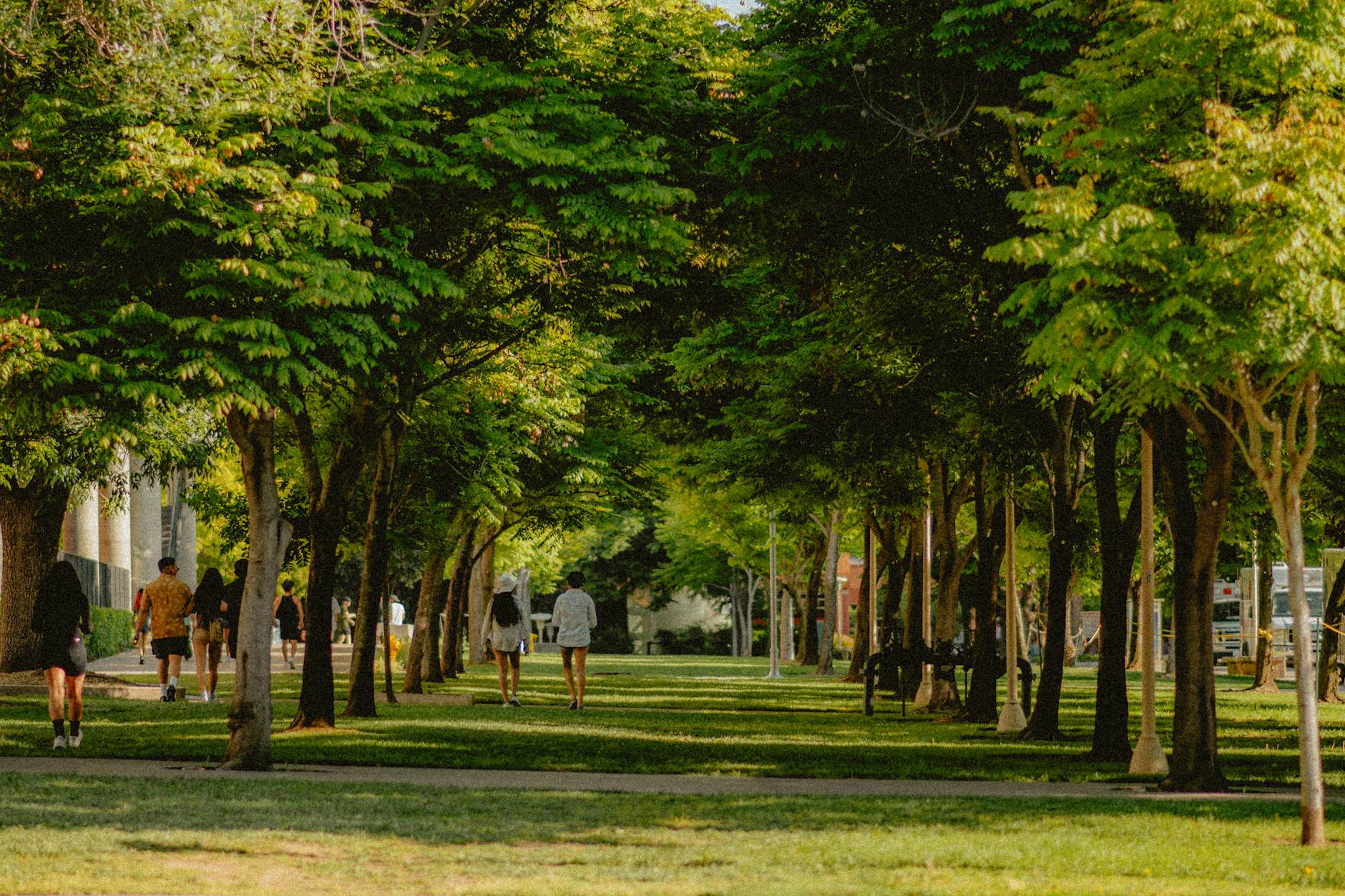
Didsbury has a more affluent feel with tree-lined streets and handsome Victorian houses. Didsbury Village is the social hub with gastropubs like The Metropolitan and independent restaurants. Fletcher Moss Park and the Botanical Gardens are among the most beautiful green spaces in Greater Manchester. West Didsbury along Burton Road has its own distinct identity with cafes, bars, and restaurants including the beloved Volta. Both suburbs connect to the city centre via Metrolink tram.
For visitors who want to see how Mancunians actually live rather than just visiting tourist highlights, an afternoon in Chorlton or Didsbury is invaluable. The pace is slower, the atmosphere more relaxed, and the quality of the independent food and drink scene rivals anything in the city centre. These southern suburbs also offer excellent value for money compared to central Manchester, with restaurant prices typically lower and portion sizes generous. The Mersey Valley, which runs through both neighbourhoods, provides miles of green walking routes that connect these suburbs to each other and to the countryside beyond.
Levenshulme, New Islington and Emerging Areas
This Manchester neighbourhoods guide would be incomplete without mentioning the emerging areas reshaping the city. Levenshulme, one train stop from Piccadilly, has developed a thriving independent scene anchored by the popular Levy Market — a weekly food and crafts market that has become a Saturday institution. The antiques village on Stockport Road draws collectors from across the region.
New Islington, adjacent to Ancoats, centres on a marina at Cotton Field Park surrounded by striking contemporary architecture. Kampus, on the edge of the Gay Village, is another area to watch with its repurposed brutalist tower blocks, independent businesses, and lively courtyard events. These emerging neighbourhoods demonstrate that Manchester’s evolution is constant and exciting.
Altrincham, though technically its own town, is well worth the 20-minute Metrolink ride from the city centre. Its award-winning market hall has been transformed into a foodie destination featuring independent traders and regularly rotating pop-ups. The surrounding streets have filled with independent shops, craft breweries, and excellent restaurants, making Altrincham a compelling day trip that any Manchester neighbourhoods guide should mention. Similarly, Stockport — another Metrolink-connected town — has undergone a remarkable revival in recent years, with its historic market hall, independent food scene, and the magnificent Stockport Viaduct attracting visitors who might once have overlooked it entirely.
One of the great pleasures of using this Manchester neighbourhoods guide is discovering how the city’s areas flow into each other. Manchester is not a city of rigid boundaries — the Northern Quarter bleeds into Ancoats, Chinatown overlaps with the Gay Village, and Castlefield gradually gives way to Deansgate. These transitional zones often harbour some of the city’s most interesting discoveries: a brilliant cafe on the border between two neighbourhoods, a piece of street art on an unexpected corner, or a hidden courtyard that opens up behind an otherwise ordinary street. The best Manchester experiences often happen in these in-between spaces, which is why walking between neighbourhoods rather than taking transport is always the recommended approach when time allows.
Getting Around Manchester’s Neighbourhoods
The city centre areas — Northern Quarter, Spinningfields, Deansgate, Castlefield, the Gay Village, and Chinatown — are all within comfortable walking distance. You can cross from the Northern Quarter to Castlefield in about 15 minutes. For areas beyond, the Metrolink tram connects to Salford Quays, Chorlton, Didsbury, and Altrincham. Free Metroshuttle buses cover the city centre, while regular bus services reach Rusholme and the inner suburbs. Manchester is also increasingly cycle-friendly with the Bee Network providing dedicated infrastructure.
A popular walking route starts in the Northern Quarter, passes through Ancoats along the canal to New Islington, follows the Rochdale Canal south through the Gay Village to Castlefield. This takes about 90 minutes without stops and passes through five distinct neighbourhoods. Each area has its optimal visiting time: the Northern Quarter and Ancoats are best on weekend mornings, Spinningfields at lunchtime, Castlefield on warm summer evenings, the Curry Mile after 8pm, and the Gay Village on Friday and Saturday nights.
Manchester rewards visitors who take time to explore beyond the obvious tourist trail. The connections between neighbourhoods — the canal paths, the quiet side streets, the unexpected public art installations — are often as interesting as the destinations themselves. Keep your eyes open for blue heritage plaques marking significant historical sites across the city, from the birthplace of the suffragette movement to the building where the atom was first split. These markers help you understand how Manchester’s neighbourhoods have shaped not just the city, but the wider world.
Explore Manchester One Neighbourhood at a Time
Manchester’s neighbourhoods give this city its extraordinary character and depth. Each area tells a different chapter of Manchester’s story — from Roman origins in Castlefield to Industrial Revolution heritage in Ancoats, from the creative independence of the Northern Quarter to the gleaming ambition of Spinningfields. This Manchester neighbourhoods guide has covered the essential areas, but the real joy is in exploring for yourself and discovering the hidden corners that make each neighbourhood unique. With excellent public transport connections via the Metrolink tram network and extensive bus routes, hopping between Manchester neighbourhoods is effortless — making it easy to experience several distinct areas in a single day.
For more help planning your visit, explore our guides to things to do in Manchester, where to stay, the best restaurants, and Manchester nightlife. Pick a neighbourhood, start walking, and see where the city takes you. With new openings, regeneration projects, and cultural developments constantly reshaping the city, Manchester’s neighbourhoods are never standing still — and that restless energy to reinvent and improve is perhaps the most Mancunian quality of all.
Beyond the city’s own neighbourhoods lie nine more boroughs, each with its own town centre and character. Our guide to Greater Manchester towns explains which are worth a day and how to reach them by tram and train.