This article contains advertising. Our booking links are routed through a partner that adds commission tracking automatically, so if you book through one we earn a commission from the provider, at no extra cost to you. It never affects what we recommend. Affiliate disclosure
Ancoats Manchester is the city’s most-talked-about neighbourhood. The former heart of the Industrial Revolution and Manchester’s textile industry has been transformed in the last decade into one of the UK’s most exciting food-and-drink destinations. Mana (Manchester’s first Michelin star in over 40 years), Pollen Bakery (the city’s best bakery), Erst (Bib Gourmand winner), Edinburgh Castle Pub (one of the UK’s best Sunday roasts), Cloudwater taproom (one of the UK’s most respected craft breweries) — Ancoats now packs more critically-acclaimed venues per square mile than almost anywhere outside London.
This guide covers Ancoats Manchester for 2026 — what to eat, drink, see, and do. For broader Manchester coverage, see our main neighbourhoods guide, our food guide, and our Northern Quarter guide.
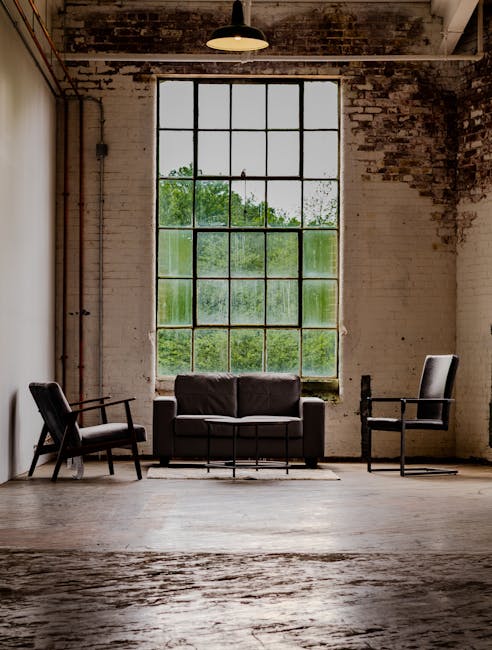
Ancoats Manchester: An Overview
Ancoats sits just east of the Northern Quarter, bounded by Great Ancoats Street, Old Mill Street, and the Rochdale Canal. The area was once the heart of Manchester’s cotton industry — the Murray Mills (the world’s first steam-powered cotton mills, opened 1798) anchor the area’s industrial heritage. By the late 20th century, Ancoats had become run-down; a decade-long regeneration has transformed it into Manchester’s coolest neighbourhood.
Today Ancoats combines preserved Victorian mill buildings with new contemporary architecture. The defining experience is walking from Cutting Room Square (the area’s pedestrianised heart) past the canal-side mill buildings, stopping at world-class restaurants and bakeries along the way.
Ancoats: Where to Eat
1. Mana
Manchester’s only Michelin-star restaurant. Chef Simon Martin’s Nordic-inspired tasting menu uses British ingredients and fermentation techniques. 12 or 16-course experience. Book 4–6 weeks ahead.
Cost: ~£170 per person tasting menu.
Address: Blossom Street, Ancoats.
2. Pollen Bakery
Manchester’s best bakery. Sourdough, croissants, stuffed cruffins, brunch plates. Founded by Hannah Calvert and Chris Kelly in 2016. Long queues at weekends.
Cost: Pastries £4–6; brunch plates £10–18.
Address: Cotton Field Wharf, New Islington Marina.
3. Erst
Bib Gourmand-listed in the 2026 Michelin Guide. Small-plate restaurant focused on natural wines, sourdough, and pared-back seasonal cooking.
4. Edinburgh Castle Pub
One of Manchester’s most respected modern gastropubs. Sunday roasts that rival London’s best. Weekly menu changes; book ahead.
5. Trove Ancoats
Family-run café-bakery (Levenshulme original) with strong Ancoats branch. Brunch, sourdough, excellent coffee.
6. Hispi (closer to Northern Quarter, but worth mentioning)
Modern British neo-bistro from chef Gary Usher. Sister restaurant Hispi Sister nearby.
7. Higher Ground (Spinningfields)
Worth a mention for foodie weekends — Ancoats often combines with Spinningfields fine dining.
8. Rudy’s Neapolitan Pizza
The original Rudy’s site in Ancoats. Authentic Neapolitan pizzas from £8.

Ancoats: Where to Drink
9. Cloudwater Brew Co Tap Room
One of the UK’s most respected craft breweries with their own taproom. 16 keg lines pouring Cloudwater’s IPAs, sours, stouts.
10. Track Brewing Co Tap Room
Modern Manchester brewery. Different programming approach to Cloudwater.
11. Beatnikz Republic Brewery
Lager and craft hop-forward beer specialist.
12. Edinburgh Castle Pub (mentioned earlier)
Excellent gastropub with serious food and a strong wine and beer programme.
13. Ancoats General Store
Speciality coffee plus high-quality grocery. Coffee until late afternoon.
14. Foundation Coffee House (multiple, including Ancoats)
Manchester’s pioneer speciality coffee chain.
15. The Smithfield Tavern
On the Northern Quarter/Ancoats boundary. Beautiful Victorian building, strong cask programme.

Ancoats: What to See
16. Cutting Room Square
Ancoats’ pedestrianised heart. Mediterranean-courtyard feel with trees, planters, surrounding bars and restaurants. Often hosts pop-up markets and events.
17. The Murray Mills
The world’s first steam-powered cotton mills, opened 1798. Now restored as residential and commercial space, with ongoing heritage interpretation.
18. The Ancoats Murals
The Bailon “Guardian of Ancoats” mural (a vivid jungle-themed welcome to the neighbourhood) is the most photographed. Multiple smaller pieces along Gun Street, Sherratt Street, and Blossom Street.
19. The New Islington Marina
Pedestrianised marina area where the Rochdale Canal meets new Ancoats. Pollen Bakery is here. Floating houseboats add character.
20. The Halle St Peter’s
The Halle Orchestra’s rehearsal and recording space, in a converted Catholic church. Open to ticket-holders for occasional events.
21. The Ancoats Maker’s Market (monthly)
Independent makers selling food, crafts, art at a regular pop-up market. Great for unique gifts and supporting local artisans.

Ancoats: Hidden Gems
22. The Halle Library
The Halle Orchestra runs a small library in their Ancoats building. Sometimes open to the public for special events.
23. Smaller Ancoats Cafes
Beyond Pollen and Trove, Ancoats has plenty of smaller indie cafes worth discovering: Companio Bakery, Common, the Refuge by Volta nearby.
24. Industrial Heritage Walks
The Ancoats canal walk takes you along the Rochdale Canal past restored mill buildings. Self-guided heritage information posts explain the area’s industrial history.
25. Hidden Speakeasies
Some of Ancoats’ bars run speakeasy-style hidden rooms. Check social media for current secret bars.

Ancoats Manchester: Where to Stay
For Boutique Stays
Native Manchester (Ducie Street Warehouse, on the Ancoats edge) — converted Victorian warehouse aparthotel.
For Aparthotels
Wilde Aparthotels (multiple), Native Manchester, and other Northern Quarter-Ancoats border options.
For Budget Stays
Hatters Hostel (5-minute walk in Northern Quarter) — Manchester’s iconic hostel.
For Premium Hotels
The Edwardian Manchester (Spinningfields) is 15 minutes’ walk; the Stock Exchange Hotel similar distance. See our luxury hotels guide.
Ancoats Itineraries
The Foodie Half-Day
10am: Brunch at Pollen Bakery (queue early).
12pm: Walk the marina + canal.
1.30pm: Coffee + cake at Trove Ancoats.
3pm: Mural-spotting on Blossom and Sherratt Streets.
4.30pm: Beer flight at Cloudwater taproom.
The Foodie Full Day
9am: Coffee + croissant at Pollen Bakery.
11am: Walk the Ancoats heritage trail.
12.30pm: Lunch at Erst.
2pm: Walk to Cutting Room Square.
3pm: Coffee at Foundation.
5pm: Cocktails at the Edinburgh Castle Pub.
7.30pm: Dinner at Mana (book 6 weeks ahead).
10.30pm: Late drinks at Cloudwater taproom.
The Sunday Roast Day
11am: Brunch at Pollen Bakery.
2pm: Sunday roast at the Edinburgh Castle Pub (book ahead).
4pm: Walk along the canal.
6pm: Final drinks at the Smithfield Tavern.

Ancoats Manchester: Practical Information
Getting There
From Manchester Piccadilly Station: 5–10 minute walk.
From Manchester Victoria Station: 10–15 minute walk.
From the Northern Quarter: 5-minute walk.
By Metrolink: New Islington stop is closest.
By bus: numerous routes through Piccadilly Gardens area.
Best Times to Visit
Day: Coffee shops and bakeries open from 8am; restaurants from noon.
Evening: Bars and restaurants until 11pm or midnight.
Weekend brunch: queues at Pollen and Trove from 10am.
Sunday roast: book Edinburgh Castle Pub by Wednesday.
Walking Tips
Ancoats is small and walkable. The canal-side path from the Marina is particularly pretty. Mostly flat terrain.
Bookings
Mana: 4–6 weeks ahead.
Edinburgh Castle Sunday roast: 1–2 weeks ahead.
Pollen Bakery: arrive early (no bookings).
Erst: 1–2 weeks ahead.
Cloudwater: walk-in.
Ancoats: A Brief History
Ancoats was once “Cottonopolis” — the heart of Manchester’s cotton industry and arguably the first true industrial neighbourhood in the world. The Murray Mills (1798) were the first steam-powered cotton mills anywhere on earth, transforming the textile industry and creating the model for industrial cities globally. Friedrich Engels lived nearby and wrote “The Condition of the Working Class in England” partly inspired by Ancoats workers’ conditions.
By the late 20th century, Ancoats had fallen into deep dereliction — empty mills, social housing, urban decay. The 1990s and 2000s regeneration started slowly with creative residents converting mill space; the 2010s saw rapid acceleration. Today’s Ancoats balances preserved industrial heritage with new contemporary architecture and one of the UK’s most exciting food-and-drink scenes.
Ancoats Heritage Walk
Stop 1: Cutting Room Square
Start at Ancoats’ pedestrianised heart. Mediterranean-courtyard feel with trees, planters, surrounding bars and restaurants.
Stop 2: The Murray Mills
Walk to the world’s first steam-powered cotton mills, opened 1798. Now restored as residential and commercial space. Information boards explain the area’s industrial revolution role.
Stop 3: The New Islington Marina
Pedestrianised marina area where the Rochdale Canal meets new Ancoats. Pollen Bakery is here. Floating houseboats add character.
Stop 4: The Bailon “Guardian of Ancoats” Mural
One of Manchester’s most photographed street art pieces — a vivid jungle-themed mural by Brazilian artist Mateus Bailon at Ancoats’ entrance.
Stop 5: The Halle St Peter’s
The Halle Orchestra’s rehearsal and recording space, in a converted Catholic church. Architectural highlight of the area.
Stop 6: Sherratt and Gun Streets
The street art heartland of Ancoats. Smaller pieces, constantly refreshed.
Stop 7: Back to Cutting Room Square via Blossom Street
Stop for coffee or a meal at one of the area’s many restaurants and cafes.
Ancoats Profiles in Detail
Mana — A Closer Look
Mana opened in 2019 in a previously unremarkable Ancoats unit. Chef Simon Martin had returned from working at Noma in Copenhagen and brought Nordic-influenced techniques to British produce. The Michelin star awarded that same year confirmed Mana’s serious approach. The 12 or 16-course tasting menu changes constantly — what’s described in one review may not be on the menu when you visit. Wine pairings are exceptional and worth the supplementary cost. The dining room has views into the open kitchen at every table.
Pollen Bakery — A Closer Look
Pollen Bakery was founded in 2016 by Hannah Calvert and Chris Kelly — bankers turned bakers. The original commitment to sourdough fermentation and serious bread-making attracted a queue from day one; today the queues at weekends are legendary (arrive 10 minutes before opening for the best chance of a table). The all-day menu spans excellent coffee, breakfast plates, brunch, lunch sandwiches, and afternoon pastries. The Cotton Field Wharf location at the Marina is one of Manchester’s most photogenic settings.
Edinburgh Castle Pub — A Closer Look
The Edinburgh Castle Pub on Blossom Street has been reinvented from a traditional Manchester pub into one of the UK’s most celebrated modern gastropubs. The kitchen has earned national recognition for its Sunday roasts; mid-week dinners feature creative seasonal British cooking. The wine list is excellent. Books up weeks ahead for weekend lunches and dinners.
Ancoats vs Northern Quarter: Which to Visit?
Visit Northern Quarter If:
You’re a first-time Manchester visitor, you want eclectic shopping (vintage, records, Affleck’s), you’re looking for cocktail bars (Washhouse, Behind Closed Doors), or you want a denser cluster of small venues.
Visit Ancoats If:
You’re a foodie (Mana, Pollen, Erst, Edinburgh Castle), you want craft beer (Cloudwater, Track), you’re a returning Manchester visitor seeking somewhere quieter, or you want canal-side walks.
Visit Both
The Northern Quarter and Ancoats are 5 minutes’ walk from each other. Combine them in a single day or weekend.
Frequently Asked Questions
Why is Ancoats Manchester famous?
Ancoats was the heart of Manchester’s textile industry and home to the Murray Mills (world’s first steam-powered cotton mills, 1798). Today it’s known as Manchester’s coolest neighbourhood — home to Mana (Michelin star), Pollen Bakery, Erst, the Edinburgh Castle Pub, and Cloudwater Brewery.
Is Ancoats safe?
Yes — Ancoats is broadly very safe, particularly during the day. The area is well-lit, well-policed, and home to many residents.
Is Ancoats walkable from Manchester Piccadilly?
Yes — 5–10 minute walk from Piccadilly Station to most of Ancoats. Northern Quarter is between them.
What’s the best Ancoats restaurant?
Mana for fine dining (Michelin star), Pollen Bakery for brunch, Edinburgh Castle Pub for Sunday roasts, Erst for natural wines and small plates, Trove for coffee + bakery.
How long should I spend in Ancoats?
2–3 hours for a casual wander; a half-day for one meal and exploration; a full day for multiple meals and the canal walk.
Is Ancoats family-friendly?
Day-time yes — Pollen Bakery, Trove, and most cafes welcome families. Evening becomes more adult-oriented (cocktails, fine-dining).
Is Ancoats vegan-friendly?
Yes — Pollen Bakery has strong vegan options; Trove vegan-friendly; Edinburgh Castle Pub has vegan roasts; Mana accommodates dietary requirements with notice.
Final Thoughts
Ancoats has emerged as one of the UK’s most exciting neighbourhoods. The combination of Manchester’s first Michelin-star restaurant (Mana), the country’s best brunch bakery (Pollen), one of the UK’s most respected craft breweries (Cloudwater), and a thoughtfully restored industrial heritage backdrop makes Ancoats unmissable for any Manchester foodie weekend. Spend half a day, a full day, or use Ancoats as your base for a serious Manchester food trip.
For more, see our main neighbourhoods guide, our food guide, our Northern Quarter guide, and our pubs guide.