This article contains advertising. Our booking links are routed through a partner that adds commission tracking automatically, so if you book through one we earn a commission from the provider, at no extra cost to you. It never affects what we recommend. Affiliate disclosure
Manchester punches well above its weight when it comes to attractions. This compact, walkable city packs in world-class museums, iconic football stadiums, beautiful Victorian architecture, cutting-edge contemporary art, lush green spaces, and one of the most vibrant cultural scenes in Europe — all wrapped up in a friendly, accessible northern English city that travellers consistently rate as one of the UK’s most rewarding short-break destinations.
Whether you’re planning a weekend break, a longer city break, a stopover en route to the Lake District, or you’re a local looking to rediscover your hometown, this guide covers the 25 best attractions in Manchester you absolutely cannot miss. We’ve grouped them by type so you can plan an itinerary that matches your interests, and included practical visitor information — addresses, opening hours, costs, and tips — for every entry. Many sit close together in the compact city centre, and many are free to enter.
For broader trip planning context, see our complete guide to things to do in Manchester and our Manchester travel guide. If you want to balance the obvious bucket-list stops with quieter, off-beat experiences, also browse our piece on Manchester’s neighbourhoods. Ready? Here are the 25 must-see attractions in Manchester, ranked roughly by how much we’d hate to see you skip them.
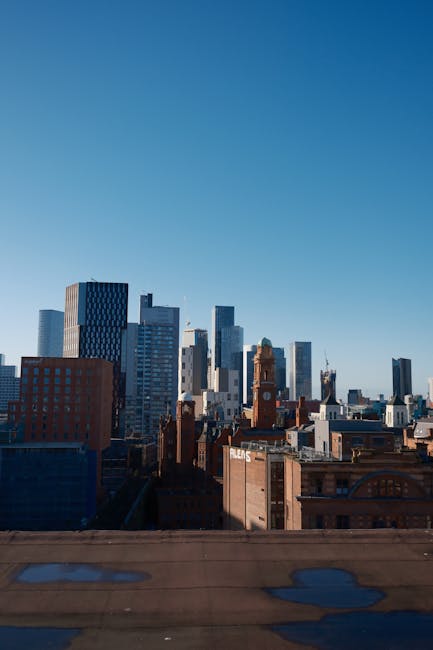
Iconic Manchester Landmarks (Numbers 1–8)
1. John Rylands Research Institute and Library
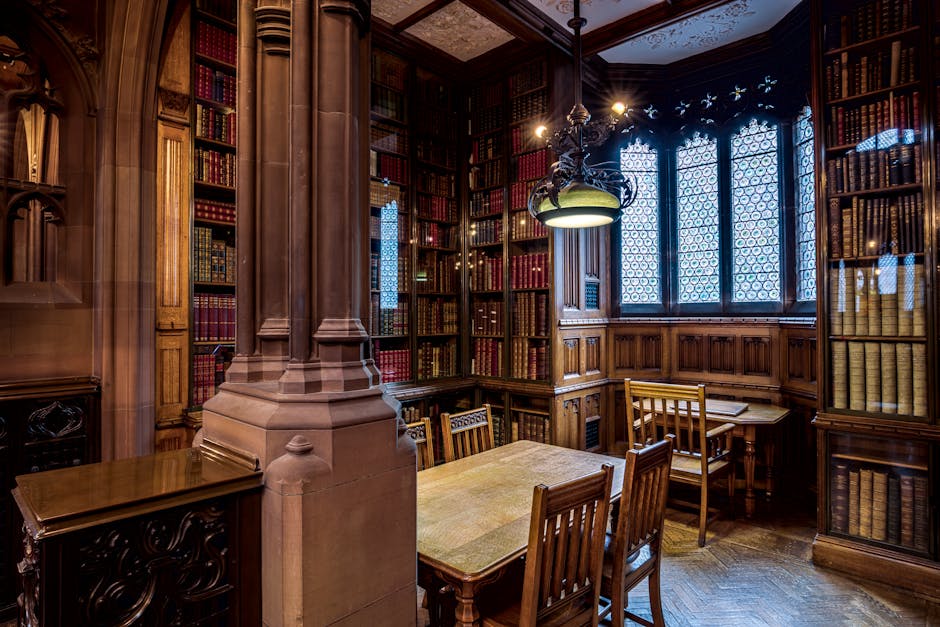
Often described as one of the most beautiful libraries in the world, the John Rylands Library on Deansgate is a neo-Gothic masterpiece that opened in 1900. Commissioned by Enriqueta Rylands as a memorial to her husband John Rylands — Manchester’s first multi-millionaire — the building is a deliberate statement: a cathedral to learning at a time when public libraries were a radical idea. The Reading Room feels ecclesiastical, with soaring vaulted ceilings, intricate stone carvings, and stained glass windows depicting figures from literature, science and theology.
The collection is just as remarkable as the architecture. Highlights include the St John Fragment (a scrap of John’s Gospel generally regarded as the earliest surviving New Testament text, its second-century date still debated by scholars), a Gutenberg Bible, original printings of Shakespeare and Milton, and rare medieval illuminated manuscripts. Special exhibitions draw on the archive, and there’s a small but excellent shop.
Address: 150 Deansgate, M3 3EH
Hours: Wed–Sat 10am–5pm, Sun–Tue closed (check current hours)
Cost: Free
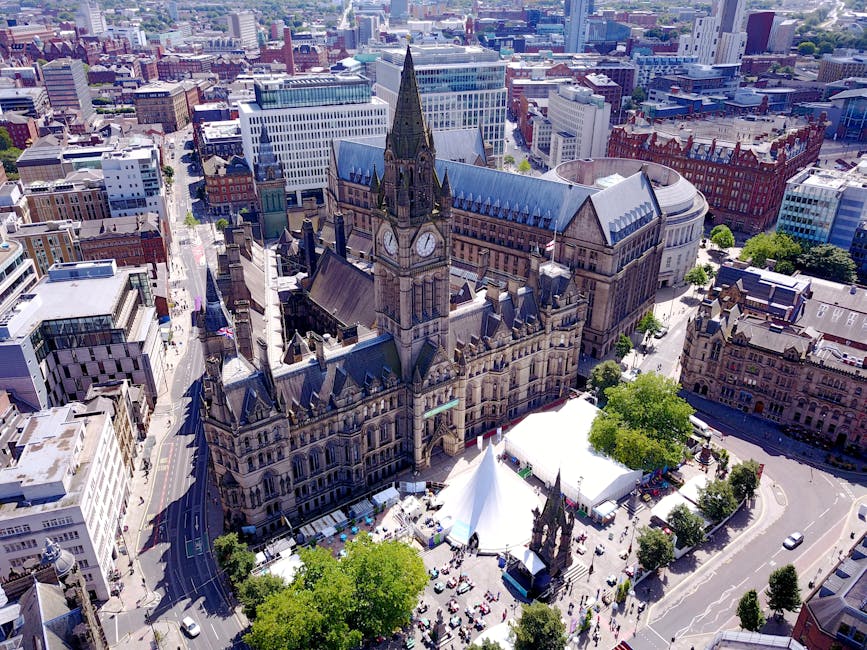
2. Manchester Town Hall
Designed by Alfred Waterhouse and completed in 1877, Manchester Town Hall is a Grade I listed Victorian Gothic Revival masterpiece — and probably the building that best symbolises the swagger of Manchester at the height of the Industrial Revolution. Its 85-metre clock tower dominates Albert Square, and the interior — with murals by Pre-Raphaelite painter Ford Madox Brown depicting Manchester’s history from Roman Mamucium to the Victorian era — is breathtaking.
The building is undergoing a major restoration as part of the Our Town Hall project, which the council expects to complete in spring 2027. Once it’s fully accessible again, free public tours, the Sculpture Hall café, and access to the Great Hall will resume. Until then, the exterior alone is worth the visit; pair it with the John Rylands and Albert Square below for a full architecture-focused morning.
Address: Albert Square, M60 2LA
Cost: Free (where accessible)
3. Manchester Cathedral
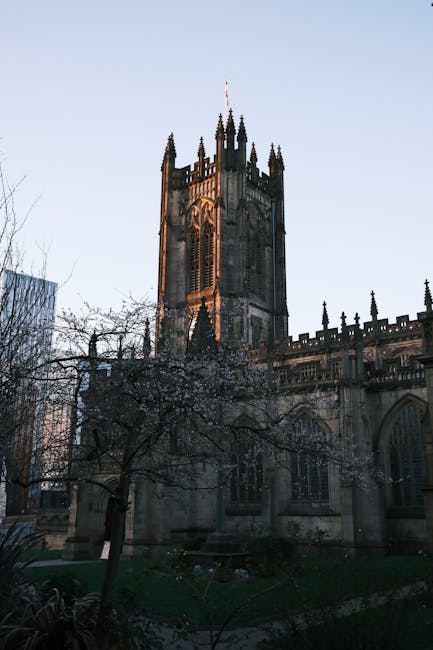
This Grade I listed parish church-turned-cathedral has roots going back to the 15th century, with a foundation charter dated 1421. The nave is the widest medieval nave in the United Kingdom, and the medieval misericords — the carved wooden choir stalls — are some of the finest surviving examples in Europe, full of cheeky scenes from medieval life including a fox preaching to geese.
The cathedral hosts an excellent programme of free concerts and exhibitions. It has also staged LUMINISCENCE, an immersive light experience that transforms the entire interior into a multi-sensory installation. For future dates and booking, check the cathedral’s events listings and the LUMINISCENCE organisers’ own site before you plan a visit.
Address: Victoria Street, M3 1SX
Cost: Free entry; donations welcomed
Time needed: 30–45 minutes
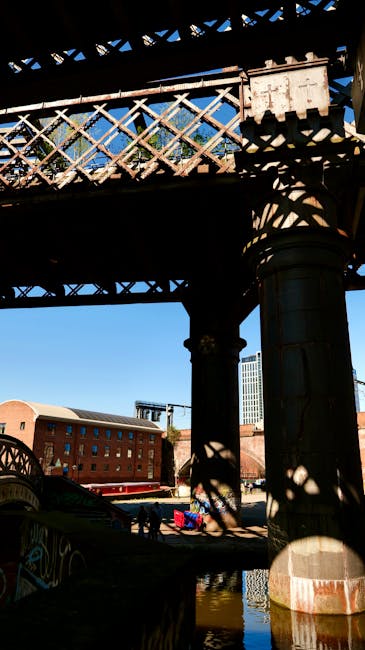
4. Castlefield Urban Heritage Park
Home to the Roman fort Mamucium and the Bridgewater Canal, Castlefield is the patch of Manchester where its story actually began. The Romans set up camp here in around 79 AD, and roughly 1,700 years later the same area welcomed the Bridgewater Canal, opened in 1761, which helped launch Britain’s canal age. Today it’s a tranquil network of waterways, restored Victorian warehouses, dramatic iron railway viaducts, and converted bridges, with the impressive ironwork of the Castlefield Viaduct sky park (a National Trust elevated park opened on a disused Victorian viaduct) curving overhead.
Walk the canalside paths, stop for a pint at one of the canalside pubs (Dukes 92 is a classic), and look out for the partial reconstruction of the Roman fort gate. In summer, the open-air arena hosts gigs and outdoor cinema.
Where: Castlefield, an open public district to wander around
Cost: Free
Time needed: 1–2 hours
5. Albert Square
The civic heart of Manchester. Beyond the Town Hall, you’ll find the Albert Memorial — a Gothic canopy housing a statue of Prince Albert that actually predates the more famous Albert Memorial in London — plus the Manchester Christmas Markets each November and December, when the entire square fills with wooden chalets, mulled wine and the giant Santa figure mounted to the Town Hall facade. Read our events guide for what’s on. The square is also Manchester’s traditional gathering point for civic celebrations and protests, from FA Cup wins to political rallies.
6. Piccadilly Gardens
This big city-centre square is a key meeting point and transport interchange. Trams, buses and pedestrians converge here, and it’s where many visitors get their bearings. The fountains, the Queen Victoria statue, and the surrounding department stores make it a useful orientation point. From Piccadilly Gardens you can walk to the Northern Quarter, the Gay Village, Chinatown, or down Market Street to the Arndale shopping centre — all within ten minutes.
7. The Beetham Tower (Hilton Tower)
At 169 metres, the Beetham Tower was Manchester’s tallest building for over a decade and remains a striking part of the skyline thanks to its distinctive cantilevered “blade” overhang. The tower famously hums in high winds — a quirk Mancunians have grown to love. The best way to experience it is to head up to Cloud 23, the cocktail bar on the 23rd floor, for panoramic views over the city. There’s no entrance fee for the bar itself, just the cost of your drink, making it one of the cheapest viewing platforms in any major UK city.
8. Deansgate Square
Manchester’s new generation of skyscrapers — four glass towers including the South Tower at 201 metres, the tallest in the city — has transformed the southern skyline. Whether or not you love the new look, it’s a fascinating contrast to the Victorian core. The area also offers some of Manchester’s most stylish bars and restaurants, and views from the city’s top dining destinations. Walk down here at sunset for an Instagram-friendly skyline shot from the canal towpath.
World-Class Museums & Galleries (Numbers 9–15)
Manchester arguably has the densest cluster of free, world-class museums of any UK city outside London. Here are the seven you should not skip.
9. The Science and Industry Museum
Located on the site of Liverpool Road station, opened in 1830 and now the world’s oldest surviving passenger railway station (it was the terminus of the first inter-urban steam railway), this free museum tells the story of Manchester’s role as the birthplace of the Industrial Revolution. Highlights include the Power Hall (electrically driven demonstrations and explainer talks run daily, while the steam engines are temporarily unavailable) and the Textiles Gallery, where you can see — and hear — original cotton mill machinery thunder back to life.
Restoration work continues, with some buildings and galleries closed — check the museum’s visit page before you go. Even with some areas closed, the site is one of Manchester’s most atmospheric, especially for families and anyone interested in how a damp Lancashire town became, briefly, the most important industrial city on earth. For more, see our complete Manchester museums guide.
Address: Liverpool Road, M3 4FP
Cost: Free (some special events ticketed)
Time needed: 2–3 hours
10. Manchester Museum
The University of Manchester’s anthropology and natural history museum reopened in 2023 after a £15 million transformation that added new gallery space. New galleries include the South Asia Gallery (the UK’s first permanent space dedicated to South Asian heritage, co-curated with the British Museum), Belonging (exploring identity and migration), and the Lee Kai Hung Chinese Culture Gallery.
The Egyptian and Sudanese collection is one of the largest in the UK. Don’t miss the dinosaur skeleton in the atrium, the live vivarium with venomous snakes and amphibians, and the new museum café with views over Oxford Road.
Address: Oxford Road, M13 9PL
Cost: Free
Time needed: 2 hours
11. Manchester Art Gallery
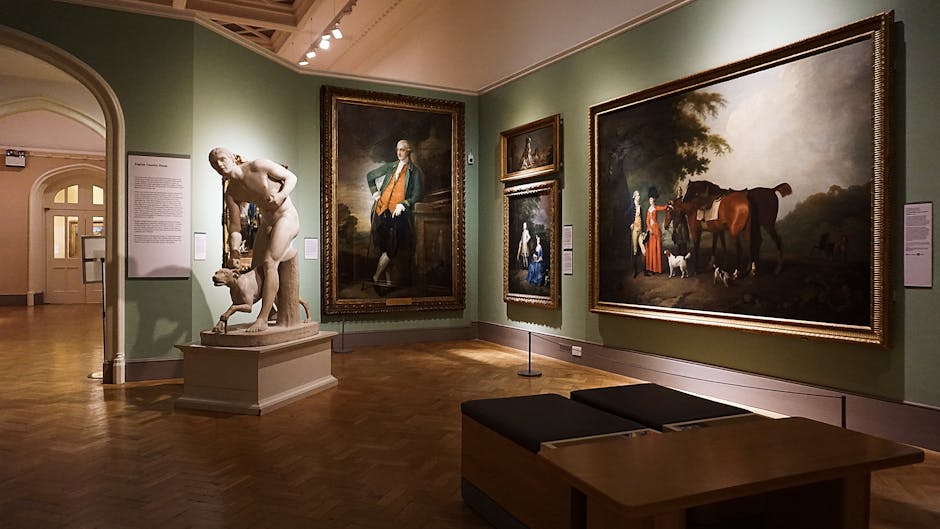
Founded in 1823, Manchester Art Gallery holds over 25,000 objects, with particular strength in Pre-Raphaelite paintings. You’ll find iconic works by Holman Hunt, Rossetti, Burne-Jones, Millais and Ford Madox Brown — including Madox Brown’s monumental “Work” — alongside modern British art, an important Lowry collection, and a strong contemporary programme. The 19th-century buildings have been beautifully extended and the upper floors offer excellent views over central Manchester.
Address: Mosley Street, city centre
Cost: Check admission on the gallery’s own website
Time needed: 1.5–2 hours
12. The Whitworth
Set in the leafy Whitworth Park on Oxford Road, a quick bus ride south of the city centre, this gallery has a stunning glass extension that opens onto the park itself. Its collections of textiles, watercolours, wallpaper, and contemporary art are world-class. The gallery’s experimental approach to exhibitions and its relationship with the surrounding park (the café actually projects out into it) make this a favourite among locals.
Address: Oxford Road, M15 6ER
Cost: Free
Time needed: 1.5–2 hours
13. Imperial War Museum North
Daniel Libeskind’s striking deconstructed-globe building at Salford Quays is itself an attraction — three jagged “shards” representing conflict on land, water and in the air. Inside, immersive Big Picture shows project audio-visual experiences across the entire main exhibition space every hour, telling stories of how war has shaped lives from World War I to the present day. The AirShard observation tower is open to visitors when weather permits and offers good views over MediaCityUK.
Address: The Quays, Trafford Wharf Road, M17 1TZ
Cost: Free, no booking needed
Time needed: 2 hours
14. People’s History Museum
Housed in a Grade II listed former hydraulic pumping station on the river, this museum tells the story of British democracy — the radicals, suffragettes, trade unionists and civil rights campaigners who shaped modern Britain. The collection of trade union and political banners is the most significant in the country. Manchester is the spiritual home of British radicalism (Peterloo, the Pankhursts, Engels and Marx all spent time here), so this is essential context for understanding the city.
Address: Left Bank, M3 3ER
Cost: Free; donations welcomed
Time needed: 1.5 hours
15. National Football Museum
Spread across multiple galleries with around 2,500 artefacts including the oldest surviving FA Cup trophy (used from 1896 to 1910), this is essential for any football fan visiting Manchester. The interactive Football Plus+ zone lets you try goalkeeping, commentary and penalty shootout challenges. The museum charges a small entry fee for the Football Plus+ activities, but the main galleries are typically free. See our Manchester football tourism guide for more.
Address: Cathedral Gardens, M4 3BG
Time needed: 1.5–2 hours
Football & Sports Attractions (Numbers 16–18)
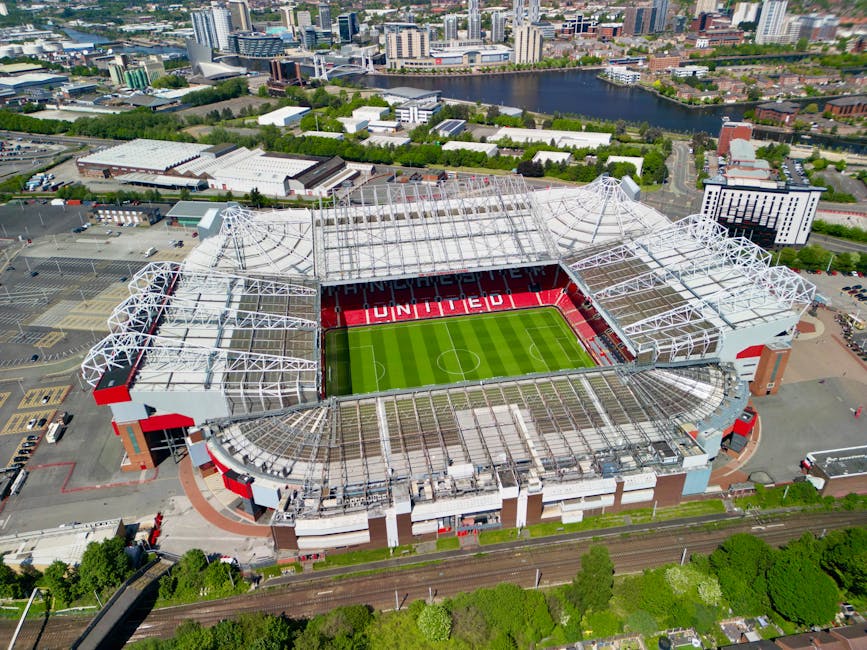
16. Old Trafford Stadium Tour
The “Theatre of Dreams” has been Manchester United’s home since 1910 and is the UK’s largest club football stadium, with a capacity of 74,158. The museum and tour takes you through the dressing rooms, players’ tunnel, dugouts, and pitchside, with displays of European Cup, Premier League, FA Cup and Treble trophies. The Munich Tunnel exhibit, commemorating the 1958 Munich air disaster, is genuinely moving.
Tours run multiple times daily but cannot run on match days, so check the fixture list before booking. There’s also a “Legend Tour” option where former players guide you through. For tactics on getting actual match tickets, see our football tourism guide.
Address: Sir Matt Busby Way, M16 0RA
Cost: Approximately £30 adults, £20 children for standard tour
Time needed: 90 minutes for tour
17. Etihad Stadium & City Football Academy Tour
Manchester City’s stadium tour offers a behind-the-scenes look at the club’s recent dominance — including the historic continental treble of 2022/23. The tour includes the dressing rooms, dugouts, and the trophy room. Options include the standard tour, a Champions Tour led by club legends, and a combined visit to the City Football Academy across the road.
Booking ahead is essential, especially in summer. The Etihad is on the Metrolink: take the tram to Etihad Campus, the stadium’s stop.
Address: Etihad Campus, M11 3FF
Time needed: 90 minutes for tour
18. AO Arena
This 23,000-capacity indoor arena hosts everything from Madonna and Lady Gaga to comedy and sporting events. Even if you’re not catching a show, the building is a Manchester landmark, perched dramatically above Victoria Station. The newly opened Co-op Live nearby offers a second mega-venue option, so check both schedules when planning your trip.
Address: Victoria Station Approach, M3 1AR
Neighbourhoods & Districts (Numbers 19–22)
Some of Manchester’s best attractions aren’t single buildings — they’re entire neighbourhoods worth exploring on foot.
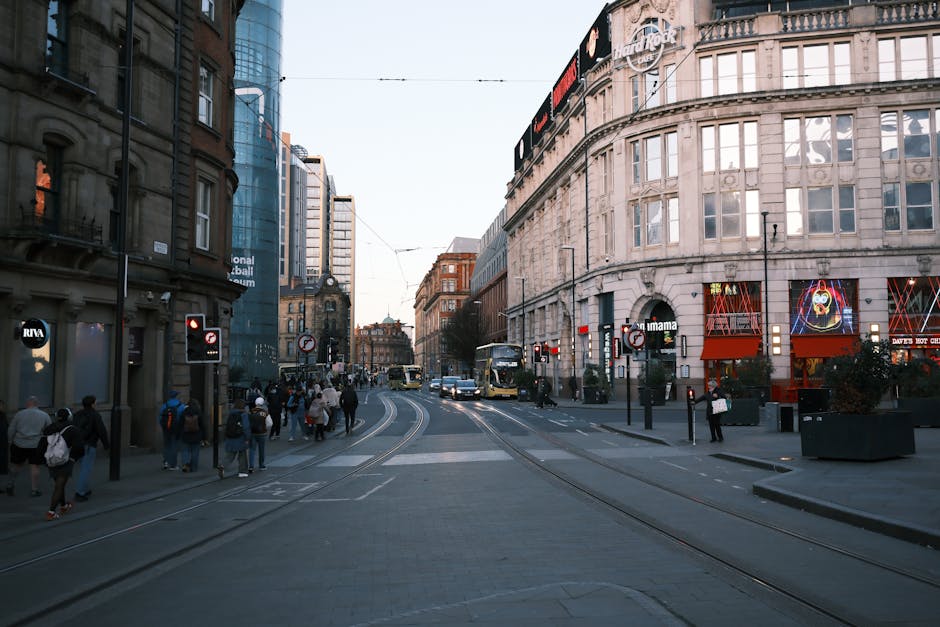
19. The Northern Quarter
Manchester’s coolest neighbourhood is a maze of independent shops, vintage stores, indie cafés, street art murals, record shops and live music venues. Highlights include Affleck’s (a labyrinthine indoor market for alternative fashion), Mackie Mayor food hall in a converted Victorian market building, the colourful murals around Stevenson Square that change every few months, the Craft and Design Centre, and a thicket of brunch spots that compete on inventiveness as much as bacon quality. By night, the area shifts to cocktail bars, comedy clubs and small live music venues like the Castle Hotel and Yes. Read our neighbourhood guide for a deeper dive.
20. Spinningfields
Manchester’s modern business and leisure district contrasts with the Victorian centre. Glass-fronted bars and restaurants, designer shopping (the city’s own little Bond Street), and the People’s History Museum mean it’s worth a wander day or night. The Oast House, a faux-rural pub in the middle of Hardman Square, is perfect for a sunny afternoon pint, and the riverside walk leads naturally into Castlefield.
21. Chinatown
The second-largest Chinatown in the UK, marked by the ornate Chinese Imperial Arch on Faulkner Street. Beyond the obvious restaurants, look for the supermarkets, bakeries, traditional medicine shops and bubble tea spots tucked along Nicholas Street and George Street. Chinese New Year falls in January or February, depending on the lunar calendar, and Visit Manchester publishes each year’s programme of celebrations.
22. Canal Street & the Gay Village
One of the UK’s most famous LGBTQ+ destinations, Canal Street is the heart of the Gay Village — vibrant year-round, and explosive during Manchester Pride each August. The Alan Turing Memorial in nearby Sackville Gardens is a quiet, moving stop honouring the wartime codebreaker who lived and died in Manchester. The area welcomes everyone and is one of the friendliest, most lively patches of the city after dark.
Outdoor & Cultural Highlights (Numbers 23–25)
23. Salford Quays & MediaCityUK
Salford Quays is Manchester’s waterfront playground — home to the Imperial War Museum North, The Lowry arts centre and theatre, the Outlet shopping centre, and MediaCityUK (where the BBC and ITV Granada are based). The waterside walks are excellent, with public art, footbridges, and views across the docks. You can also take a guided tour of the BBC studios at MediaCityUK if you book ahead. Get there easily on the Metrolink (MediaCityUK or Harbour City stops).
24. Heaton Park
One of Europe’s largest municipal parks at 600 acres, Heaton Park has Heaton Hall (a Grade I listed neoclassical mansion designed by James Wyatt), an animal farm, boating lake, golf course, and a tram museum. It’s also a major outdoor concert venue in summer — Parklife Festival and headline gigs from the likes of Oasis use the park. A short tram ride from the city centre takes you to a green expanse that feels miles from anywhere.
25. The Lowry & Salford Quays Promenade
Designed to celebrate the work of LS Lowry — the painter of those iconic matchstick figures — The Lowry combines galleries (with one of the largest public collections of Lowry works in the world), theatres, and a stunning silver waterfront building. Combine with a walk across the Millennium Footbridge and a visit to the Imperial War Museum North on the opposite bank for a perfect half-day at the Quays.
Also Worth Your Time
The twenty-five above are the headline acts, but Manchester rewards a longer list. These six are the ones regular visitors come back for.
HOME
HOME on First Street is Manchester’s centre for international contemporary art, theatre and film: two theatres, five cinema screens, a gallery, a bookshop and a good ground-floor restaurant under one roof. The cinema programme is the draw — world cinema and archive seasons you simply won’t find at a multiplex — and the gallery exhibitions are often free. The Mecanoo-designed building has become a First Street landmark in its own right. See our Manchester theatre and performing arts guide for what’s on.
Royal Exchange Theatre
The Royal Exchange occupies the former Cotton Exchange, where global cotton prices were once set until the last trading session in 1968. A theatre-in-the-round module is suspended inside the vast Victorian trading hall, creating an intimate stage within a grand shell. Even without a ticket the foyer is worth walking into for the scale of the room, and the cafe and craft shop are genuinely good.
Mackie Mayor
A Grade II listed 1858 market hall in the Northern Quarter, restored and reopened in 2017 as a food hall of independent traders — sourdough pizza, Vietnamese, burgers, fresh pasta, natural wine — under an iron-and-glass roof. Communal tables, no bookings. Arrive before noon or come on a weekday evening to avoid the queue. Budget roughly £10–£15 a head. More in our Northern Quarter guide.
Fletcher Moss Park & Botanical Gardens
Tucked into Didsbury, Fletcher Moss combines botanical gardens, riverside walks along the Mersey, a playground and woodland paths where kingfishers turn up. The adjoining Parsonage Gardens add more green space. Entry is free, and TfGM’s journey planner will find you a bus from the city centre. Pair it with our Didsbury and south Manchester guide.
Victoria Baths
An Edwardian "water palace" of 1906 — stained glass, ornate tilework and three pools — closed in 1993 and slowly restored since winning BBC’s Restoration in 2003. It opens for event days rather than daily visits, so check the Victoria Baths website before making the trip. The Turkish baths, with their original glazed brick, are the highlight.
The Portico Library
Founded in 1806, with John Dalton among its members and Elizabeth Gaskell borrowing its books through her husband William, this Georgian library on Mosley Street is now a library, events space and cafe. The reading room, with its domed ceiling and gallery balcony, is one of the loveliest interiors in the city. The Portico is open to the public and free to enter, exhibitions included; membership, reader and researcher options give deeper access to the collection.
Suggested Itineraries
One Day in Manchester
Start at the John Rylands Library when it opens, walk through Spinningfields to the People’s History Museum, lunch at Mackie Mayor in the Northern Quarter, spend the afternoon at Manchester Art Gallery, then head to Castlefield for a canalside wander and finish with rooftop drinks at Cloud 23.
Weekend in Manchester
Day one: city centre attractions (Town Hall area, John Rylands, Manchester Cathedral, Northern Quarter, dinner in Spinningfields). Day two: Salford Quays in the morning (Imperial War Museum North, The Lowry), then a stadium tour at Old Trafford or the Etihad in the afternoon. See our travel guide for deeper itinerary planning.
Three Days in Manchester
Add Manchester Museum and the Whitworth on Oxford Road, a Heaton Park morning, plus a visit to a vintage shop in the Northern Quarter and an evening on Canal Street or in Ancoats — Manchester’s hottest food and drink neighbourhood.
Practical Tips for Visiting Manchester Attractions
Free entry is common. Many of Manchester’s major attractions are free to visit, the John Rylands Library, Manchester Cathedral and the Portico Library among them. Budget your money for food, drink and stadium tours instead. This is one of the reasons Manchester ranks so well as a value-for-money city break.
Most attractions are walkable. The compact city centre means you can walk between many of these attractions. For longer hops (Salford Quays, Old Trafford, Heaton Park, the Whitworth), use the Metrolink tram or bus network. A Bee Network day ticket gives you unlimited travel for the day: £5 for buses, with tram and bus-plus-tram day tickets priced by zone.
Book stadium tours and special exhibitions in advance. Old Trafford, Etihad, and ticketed exhibitions like the LUMINISCENCE at Manchester Cathedral can sell out, especially on weekends and during school holidays.
Check opening days carefully. Not every venue opens seven days a week: the John Rylands, for one, opens Wednesday to Saturday. Always check the current opening hours on the venue’s website before travelling.
Combine attractions by neighbourhood. Cluster museums and landmarks geographically: Castlefield/Spinningfields one half-day, Northern Quarter and Cathedral Gardens another, Salford Quays a third, Oxford Road museums a fourth.
Bring layers. Manchester’s reputation for rain is somewhat unfair, but the weather can change quickly. A waterproof jacket and comfortable walking shoes will make sightseeing much more pleasant in any season.
Save money on tours with combined tickets. Some tours (like a combined Etihad and City Football Academy visit) work out cheaper than booking separately. Check the official websites for any current bundle offers.
Frequently Asked Questions
What is Manchester’s most famous attraction?
Old Trafford, the home of Manchester United, is probably the city’s most internationally famous attraction. The John Rylands Library, Manchester Town Hall, and the Etihad Stadium are also iconic, and the Northern Quarter is the area most often featured in travel articles about Manchester.
Are Manchester’s museums really free?
Many of them are. Imperial War Museum North, the Science and Industry Museum and the John Rylands Library are all free to enter; for the others, check admission on each museum’s own website. Special exhibitions sometimes carry a charge, and the National Football Museum charges for its interactive Football Plus+ activities, but the main galleries are typically free.
How many days do I need in Manchester?
Two days is enough to cover the main city centre attractions and either Salford Quays or a stadium tour. Three days lets you add Oxford Road museums and Heaton Park comfortably. Four or five days would give you time to combine Manchester with day trips to the Peak District, Liverpool or Chester — see our day trips guide.
What is the best area to stay for sightseeing?
The city centre — particularly around Deansgate, Spinningfields, or the Northern Quarter — keeps you within walking distance of most attractions. Read our detailed guide on where to stay in Manchester.
Can I visit Manchester attractions in the rain?
Absolutely — most of Manchester’s best attractions are indoors, making it a great rainy-day destination. The free museums and galleries alone could fill several wet days. Manchester is one of the UK’s best cities for an indoor itinerary.
Is Manchester safe for tourists?
Manchester is broadly safe for tourists, especially in the central tourist zones covered by this guide. As in any large city, take normal precautions with valuables, especially around busy nightlife areas and transport hubs. The official tourism organisation publishes safety advice if you want more detail.
Are Manchester attractions accessible for visitors with disabilities?
Most major Manchester attractions are well-equipped for visitors with disabilities, with step-free access, accessible toilets, and many offering BSL tours, audio descriptions and sensory backpacks. Always check the venue’s accessibility page in advance, as some Victorian buildings (notably parts of Manchester Cathedral and historic museum sites) have restrictions.
Final Thoughts
Manchester offers an extraordinary density of world-class attractions, from medieval cathedrals to cutting-edge architecture, free art museums to stadium tours, vibrant neighbourhoods to peaceful parks. The fact that so many of its biggest highlights are free makes it one of the best-value city breaks in Europe. Use this list as a starting point, and don’t be afraid to wander — Manchester rewards curious visitors who step off the obvious tourist trail.
For more inspiration, browse our main things to do guide, our list of Manchester museums, or — if you fancy day trips beyond the city — our day trips from Manchester guide.
Whether the cobbles justify the ticket price is a fair question, and our Coronation Street tour guide answers it honestly, along with the cheaper weekday option most visitors never hear about.
Most of these sit on one open-top loop — our hop-on hop-off bus tour guide maps the route and explains which stops actually justify getting off.