This article contains advertising. Our booking links are routed through a partner that adds commission tracking automatically, so if you book through one we earn a commission from the provider, at no extra cost to you. It never affects what we recommend. Affiliate disclosure
Heaton Park is the biggest park in Manchester by a very long way — around 600 acres of lawns, woods, lakes and hills four miles north of the city centre, with a Georgian mansion in the middle and a tram stop at the edge. It is free, it is open every day of the year, and on a fine weekend half of north Manchester seems to be in it. This guide is for visitors deciding whether it is worth the trip out, and for anyone going who wants to know what is actually open, where to park and what it costs.
The short answer to “is it worth it?” is yes, with one caveat that matters in 2026: the grandest thing in the park, Heaton Hall, is closed for refurbishment, and the heritage tramway has been out of action for repairs. Go for the space, the views, the lake and the animals, and treat the hall as something to admire from the outside for now.
Heaton Park at a Glance
| What | Details |
|---|---|
| Opening hours | Daily from 08:00; gates locked at dusk |
| Entry | Free |
| Parking | £1 first hour, £2 up to three hours, £3 over three hours; charged 10:00–17:00, free outside those hours; Blue Badge holders free |
| Tram | Heaton Park stop, Bury line, around 15 minutes from Victoria |
| Animal Centre | Free; Thursday to Tuesday, 10:00–16:00; closed Wednesdays |
| Boating lake | Rowing boats, electric boats and pedalos, April to September |
| Pitch and putt | Daily 07:30 to dusk; £8 weekday adult, £7 concession, £9 at weekends |
| Heaton Hall | Closed for refurbishment since summer 2025; occasional open days |
| Heritage tramway | Under repair, with a restart planned for 2026 — check before you go |
Getting to Heaton Park
The tram is the simplest way. Heaton Park stop is on the Metrolink Bury line, around fifteen minutes from Manchester Victoria, and trams run every few minutes through the day. Bowker Vale and Prestwich stops are also close to the park’s edges, which is useful on big event days, when Heaton Park stop is crowd-managed. Contactless caps apply, so you never pay more than the daily cap for the zones you travel through, as long as you tap in and out with the same card or phone. See our Metrolink guide for the details.
Several Bee Network bus routes run along Bury Old Road and Middleton Road, which border the park, and a single fare is £2. By bike, the park is an easy ride from north Manchester.
Heaton Park parking
Driving is straightforward outside event days, and Heaton Park parking is cheap by city standards. There are several car parks around the edge of the park — by the hall, by the lake and off St Margaret’s Road among them — all pay and display at the same rates: £1 for the first hour, £2 for one to three hours and £3 for three hours or more. Charges apply from 10:00 to 17:00 every day, so an early-morning walk or an evening visit in summer costs nothing, and Blue Badge holders park free in any space.
Two warnings. On fine weekends and school-holiday afternoons the car parks nearest the lake and the animal centre fill up; arrive early or use the tram. And on festival and concert days, parking inside the park is suspended and the surrounding roads are closed or heavily restricted — do not try to drive to Parklife.
Things to Do in Heaton Park
These are the best Heaton Park things to do, roughly in order of how much time they deserve.
Heaton Hall
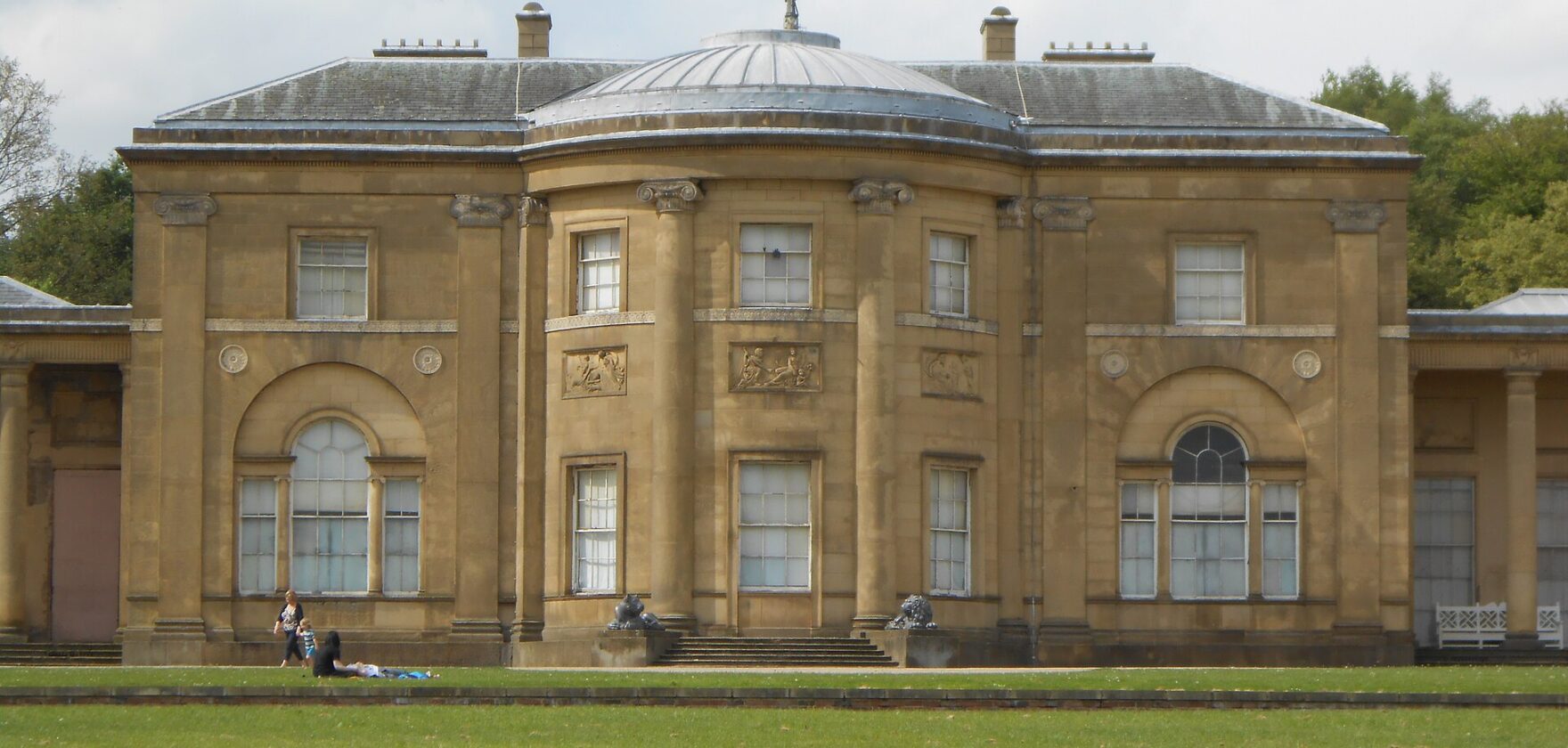
Heaton Hall is the reason the park exists. The house was remodelled in the 1770s by James Wyatt for Sir Thomas Egerton, later the first Earl of Wilton, and it is one of the finest neoclassical houses in the north of England — Grade I listed, with a domed centre, curving colonnades and an interior of plasterwork and painted rooms. The City of Manchester bought the estate in 1902, and it has been a public park ever since.
The hall itself has been closed to visitors since the summer of 2025 for refurbishment, with the council working towards reopening. The Friends of Heaton Hall have run occasional free open days, with donations welcome, so check their listings if seeing the interior matters to you. For everyone else, the south front across the lawn is one of the great views in the city, and the gardens and terraces around the house are open as normal.
The Temple
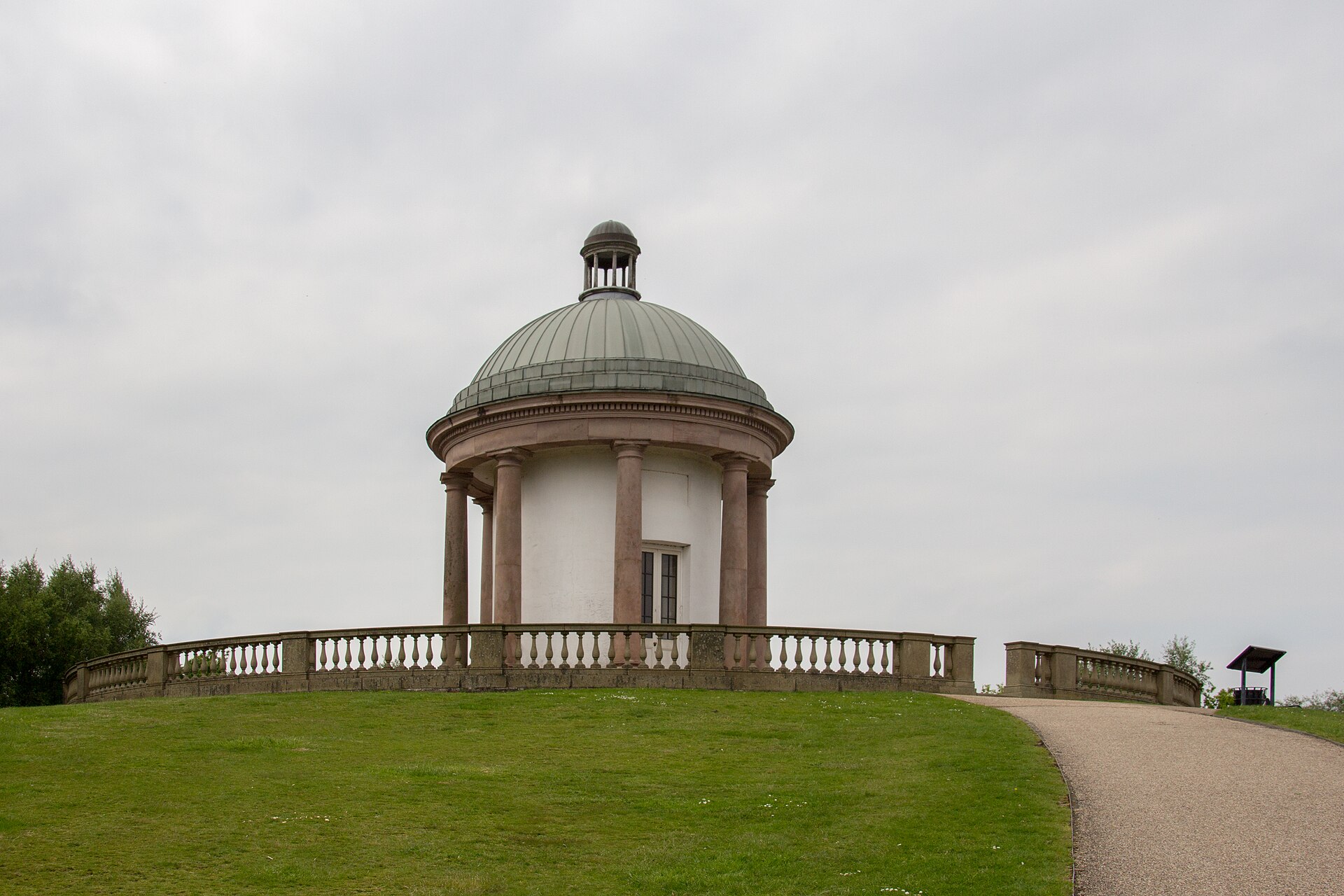
A short, steep walk from the hall takes you to the Temple, a small domed rotunda by Wyatt that sits on the highest point in the City of Manchester. It is not big and you cannot usually go inside, but the view is the point: on a clear day you can see across the city-centre towers to the Cheshire plain, and round to the Pennine hills in the east. It is the best free viewpoint in the city, and at sunset it is quietly spectacular.
The boating lake
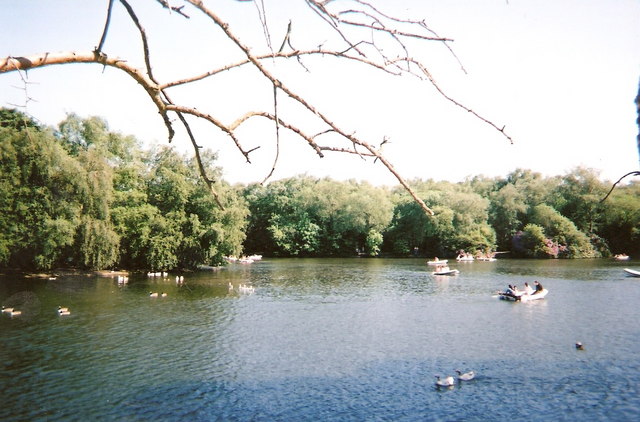
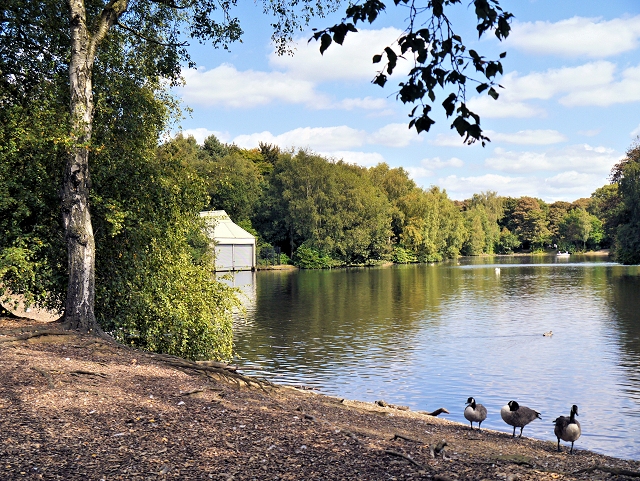
The boating lake is a good walk from the hall, ringed by trees, with a boathouse and a good circular walk round the shore. Between April and September you can hire rowing boats, electric boats or pedalos — an easy hour with children — and the lake is busy with ducks, geese and swans all year round. Out of season it is simply a lovely place for a walk. There is a café nearby for a hot drink and an ice cream.
The Animal Centre
The Animal Centre is free and a hit with small children: goats, pigs, donkeys, chickens, geese and turkeys, plus some less expected residents, including alpacas, peacocks and a Sulcata tortoise. It is open Thursday to Tuesday, 10:00 to 16:00, all year apart from Christmas Day — closed on Wednesdays, which catches out a lot of families in the school holidays.
The Colonnade and the Papal Monument
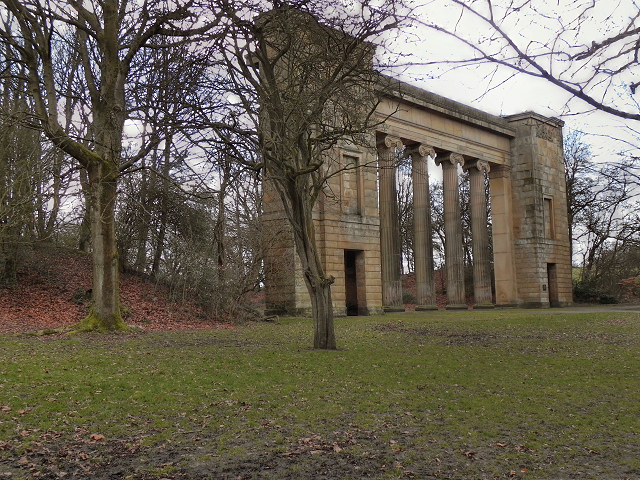
Two monuments in the park have stories that are better than the monuments themselves. The Colonnade near the lake is the front of Manchester’s first town hall, which stood on King Street in the city centre; when the building was demolished in the early twentieth century, its columns were brought out here and re-erected as a romantic ruin in the trees. And the Papal Monument marks the spot where Pope John Paul II celebrated Mass in front of an enormous crowd in 1982, during the first visit to Britain by a reigning pope.
The Heaton Park Tramway
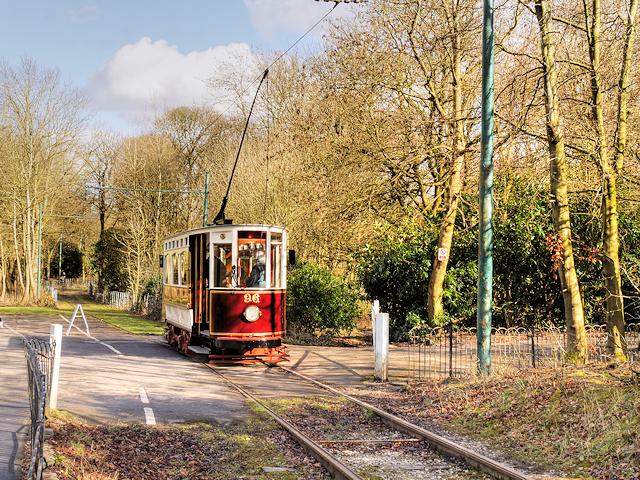
The Heaton Park Tramway is a volunteer-run heritage line that has been preserving Manchester’s tram history since 1979, running restored vintage trams along a short track between the Middleton Road entrance and the lake. In normal years it operates on Sunday afternoons from March to mid-November, and on Saturday afternoons from May to mid-September, with fares of £2 return or £5 for unlimited rides.
It has been out of service while its electrical substation is restored, funded by the council, with the aim of running again during 2026 — the 125th anniversary of Manchester’s first electric trams. Check the tramway’s own website before you go; do not plan a day around it until it confirms it is running.
Golf, pitch and putt and high ropes
- Golf — Heaton Park has a full 18-hole course and an 18-hole par-three pitch and putt, open daily from 07:30 until dusk. Pitch and putt is turn-up-and-play: £8 for adults on weekdays, £7 for concessions, and £9 for everyone at weekends. It is one of the cheapest good family activities in the city.
- High ropes — the treetop high-ropes and zip-wire course in the woods, formerly Tree Top Trek and now run under the Zip World name, is the park’s one big-ticket adventure activity. Book online and check the age and height limits.
Walking and running
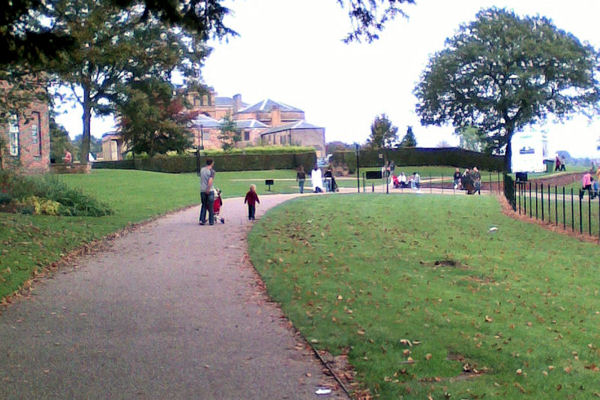
The simplest thing to do in Heaton Park is walk. The paths link the hall, the Temple, the Colonnade and the lake in a loop of several miles through open parkland and woods, and you can easily spend two or three hours on foot without doubling back. Runners are well served too: the park is big enough for proper distances, and it hosts a free, timed 5km parkrun on Saturday mornings.
A Short History of Heaton Park
For most of its history Heaton Park was a private estate, the seat of the Egerton family, who became the Earls of Wilton. The house they commissioned from James Wyatt in the 1770s was the centre of a landscaped park of lawns, woods and eye-catchers such as the Temple, laid out to be looked at from the windows. By the end of the nineteenth century the city had grown up to its gates, and in 1902 Manchester Corporation bought the whole estate for the public — one of the boldest park purchases any British city made.
The park has been part of the city’s story ever since. Trams ran into it from the early 1900s, and today’s heritage tramway uses part of that original route. In 1914 and 1915 thousands of men of the Manchester Pals battalions trained here before leaving for the Western Front. The colonnade from the old town hall arrived in 1912, the Pope came in 1982, and in 2002 the park’s bowling greens hosted the lawn bowls competition of the Commonwealth Games. More recently it has become the city’s great outdoor stage, from Parklife to Oasis.
Events at Heaton Park
Heaton Park is Manchester’s biggest outdoor events space, and in summer that shapes everything.
- Parklife — the city’s biggest dance and pop festival takes over a large part of the park on a weekend in mid-June; in 2026 it was 20 and 21 June.
- Stadium-scale concerts — the park hosts major open-air gigs in some summers, most famously Oasis’s run of homecoming shows in July 2025.
- Heaton Park Food and Drink Festival — an early-August weekend of street food and drink; the 2026 edition was on 1 and 2 August.
On big event days, large areas of the park are fenced off for days either side, the car parks close, and Heaton Park tram stop runs a queue system. If you want a quiet walk, avoid event weekends and check the council’s park pages before you go.
A Half-Day Loop
If you have three hours and want to see the best of the park on foot, this is the loop to aim for. Use the map boards or your phone, because the paths wind and the distances are longer than they look.
- Heaton Hall — start with the south front and the terraces, the best-known view in the park.
- The Temple — climb the hill behind for the view across the city. Ten minutes up, and worth every step.
- The Colonnade — down through the trees to the old town hall columns.
- The boating lake — a lap of the shore, a boat if it is summer, and a drink at the café.
- The Animal Centre — if it is not a Wednesday, finish with the goats and the alpacas before heading back to the tram.
With young children, reverse it: animals first while they are fresh, the lake second, and the hill last if anyone still has the legs for it.
Heaton Park with Children
For families, Heaton Park is one of the best free days out in Manchester. A good day with young children looks something like this: the Animal Centre in the morning (not on a Wednesday), a picnic or a café lunch, an hour on the boats if it is between April and September, a playground, and a slow walk back via the hall. Older children will want the pitch and putt or the high ropes, and the climb to the Temple is a good excuse to run up a hill.
Most of the main paths are fine for pushchairs, though the Temple hill is steep. Our guide to things to do in Manchester with kids has more ideas for the rest of the trip.
Food, Toilets and Practical Details
- Food — there are cafés and kiosks in the park, including by the lake, but on busy days the queues are long. A picnic is the relaxed option, and the lawns below the hall are the obvious place to spread out.
- Toilets — near the main attractions and cafés; plan around them with small children, because the park is big.
- Dogs — welcome across most of the park. Keep them on a lead around the lake’s wildlife, the Animal Centre and events.
- Timing — the gates lock at dusk, which in December is before four. Plan winter visits for the middle of the day.
- Distances — the park is far bigger than it looks on a map. Wear proper shoes, and do not assume the lake is “just over there” from the hall.
Heaton Park Through the Seasons
- Spring — the woods green up, the parkland is at its freshest, and the boats return in April. The quietest time for a long walk before the summer events begin.
- Summer — long evenings, boats on the lake and picnics on the lawns, but also festival season, when parts of the park are fenced off for days at a time. Check the events calendar before you go.
- Autumn — the best season for the walk, when the woods around the Colonnade and the lake turn gold and the crowds thin out.
- Winter — frosty mornings and wide skies from the Temple, but the gates close at dusk, which in December is before four. Go in the middle of the day.
What Is Not Worth It
- Planning a day around Heaton Hall’s interior. It is closed for refurbishment; admire it from the lawn.
- Visiting the Animal Centre on a Wednesday. It is closed.
- Turning up for the boats in October. Hire runs from April to September only.
- Expecting the heritage trams without checking. The line has been out of service for repairs.
- Driving on a festival or concert weekend. The car parks close and the roads are gridlocked. Take the tram — or come another weekend.
- Arriving mid-afternoon in winter. The gates close at dusk and you will be walked out.
Frequently Asked Questions
Is Heaton Park free?
Yes. Entry to the park, the Animal Centre, the Temple, the lake walk and the playgrounds is free. You pay for parking between 10:00 and 17:00, boat hire, golf and the high ropes.
How much is parking at Heaton Park?
£1 for the first hour, £2 for one to three hours and £3 for longer, charged from 10:00 to 17:00 daily. Parking outside those hours is free, and Blue Badge holders park free.
How big is Heaton Park?
Around 600 acres, which makes it by far the largest park in Manchester and one of the largest municipal parks in Europe.
Is Heaton Hall open?
Not at the time of writing. The hall has been closed for refurbishment since summer 2025, with occasional open days run by the Friends of Heaton Hall. The grounds around it are open as normal.
Which tram stop is for Heaton Park?
Heaton Park, on the Metrolink Bury line, about fifteen minutes from Manchester Victoria. Bowker Vale and Prestwich stops are also nearby.
What time does Heaton Park close?
The park opens at 08:00 every day and the gates are locked at dusk, so closing time changes through the year — from after nine in midsummer to before four in December.
Are dogs allowed in Heaton Park?
Yes, across most of the park. Keep them on a lead near the lake’s wildlife, the Animal Centre and anywhere an event is on.
Is Heaton Park good for children?
Very. The free Animal Centre, the boating lake in summer, the playgrounds and cheap pitch and putt make it one of the best family days out in the city.
Planning the Rest of Your Trip
- Manchester’s parks and green spaces — from Platt Fields to Fletcher Moss.
- Free things to do in Manchester — the park is only the start.
- Bury Market and the East Lancashire Railway — further up the same tram line.
- Greater Manchester towns — more days out beyond the city centre.
- The Parklife guide — if you are coming for the festival.
- Walks and hikes near Manchester — when a park is not enough.