
This article contains advertising. Our booking links are routed through a partner that adds commission tracking automatically, so if you book through one we earn a commission from the provider, at no extra cost to you. It never affects what we recommend. Affiliate disclosure
The Peaky Blinders filming locations Manchester can claim are, for a series set entirely in Birmingham, remarkably extensive — the cobbles that played Small Heath, the Edwardian baths that hosted the horse fair, the Bolton crescent that became a sanatorium, the King Street hotel that stood in for the Midland. Birmingham itself appears surprisingly little. The North West does the heavy lifting, and a great deal of it is within a morning’s walk of Deansgate.
This guide is the trail: every confirmed location in Manchester and Greater Manchester, what each one played, what you can actually get inside, a self-guided walking route through the city-centre sites, and the day-trip locations further out. It is also honest about what is not here — including the pub everybody asks about.
Why Manchester Rather Than Birmingham
The practical answer is that Birmingham demolished most of what the programme needed. Small Heath’s back-to-back terraces, the canal-side factories, the soot-stained brick of an industrial city in 1919 — very little of that survived post-war clearance and 1960s redevelopment in the city where the story is set.
Manchester and Liverpool kept theirs. The result is that a series about Birmingham was filmed largely in the North West, with the Black Country Living Museum in Dudley carrying a good deal of the specifically Birmingham material and Manchester, Liverpool, Bolton, Cheshire and the Pennines supplying the rest.
For a visitor this is unusually good news, because Manchester’s locations are concentrated. Four of them are within a fifteen-minute walk of each other.
The City-Centre Locations
Castlefield — the main one

If you visit one location, visit Castlefield. Its canal basin, railway viaducts, cobbled streets and warehouse frontages did more work in Peaky Blinders than anywhere else in the region. In the sixth series the area doubled as 1930s Small Heath and Garrison Lane, and a separate section of the canal was dressed as Chinatown with red lanterns and false tea houses.
What makes it work on screen is exactly what makes it worth walking: the layering of canal, viaduct, cobble and brick within a few hundred metres, with almost no modern intrusion in the frame if you point the camera the right way. It is free, it is open, and it is at its best in the hour before dark or on a genuinely grey morning — the weather that makes the rest of a Manchester trip worse makes this bit better.
The Castlefield Viaduct, the elevated Victorian structure now planted as a garden in the sky, is worth adding while you are there. Our canal walking routes guide covers the wider network.
What to look for in Castlefield
Wandering vaguely round the basin gets you a nice walk and not much else. Four things repay attention:
- The layered viaducts. Stand under the railway arches near the basin and look up — three or four levels of Victorian and Edwardian engineering stacked over each other. This is the shot that says “industrial city” without a single word of dialogue, and it is why productions come.
- The setted streets. The stone setts around the basin and up towards Deansgate are the “cobbles” of every period drama filmed here. They are also lethal in the wet, which is worth remembering.
- The warehouse frontages. Brick, iron, loading doors at first-floor height where goods were winched off canal barges. Dressed with a few signs and a horse, this is 1919 with no set-building required.
- The angles with nothing modern in them. Walk the towpath and keep glancing behind you. There are several positions where every building in the frame predates 1900, and finding them is most of the pleasure of doing this trail without a guide.
Victoria Baths

Victoria Baths on Hathersage Road opened in 1906 and is one of the finest surviving Edwardian public baths in the country — stained glass, tiled halls, three separate pools. In the second series it stood in for the horse fair where Tommy Shelby buys his racehorse.
Crucially, unlike most locations on this list, you can go inside. The building operates as a heritage attraction with open days, tours and events rather than as a working baths, so check the opening schedule before you travel — it is not open daily and the schedule is seasonal. It is a couple of miles south of the centre, easily reached by bus down the Oxford Road corridor.
Hotel Gotham, King Street
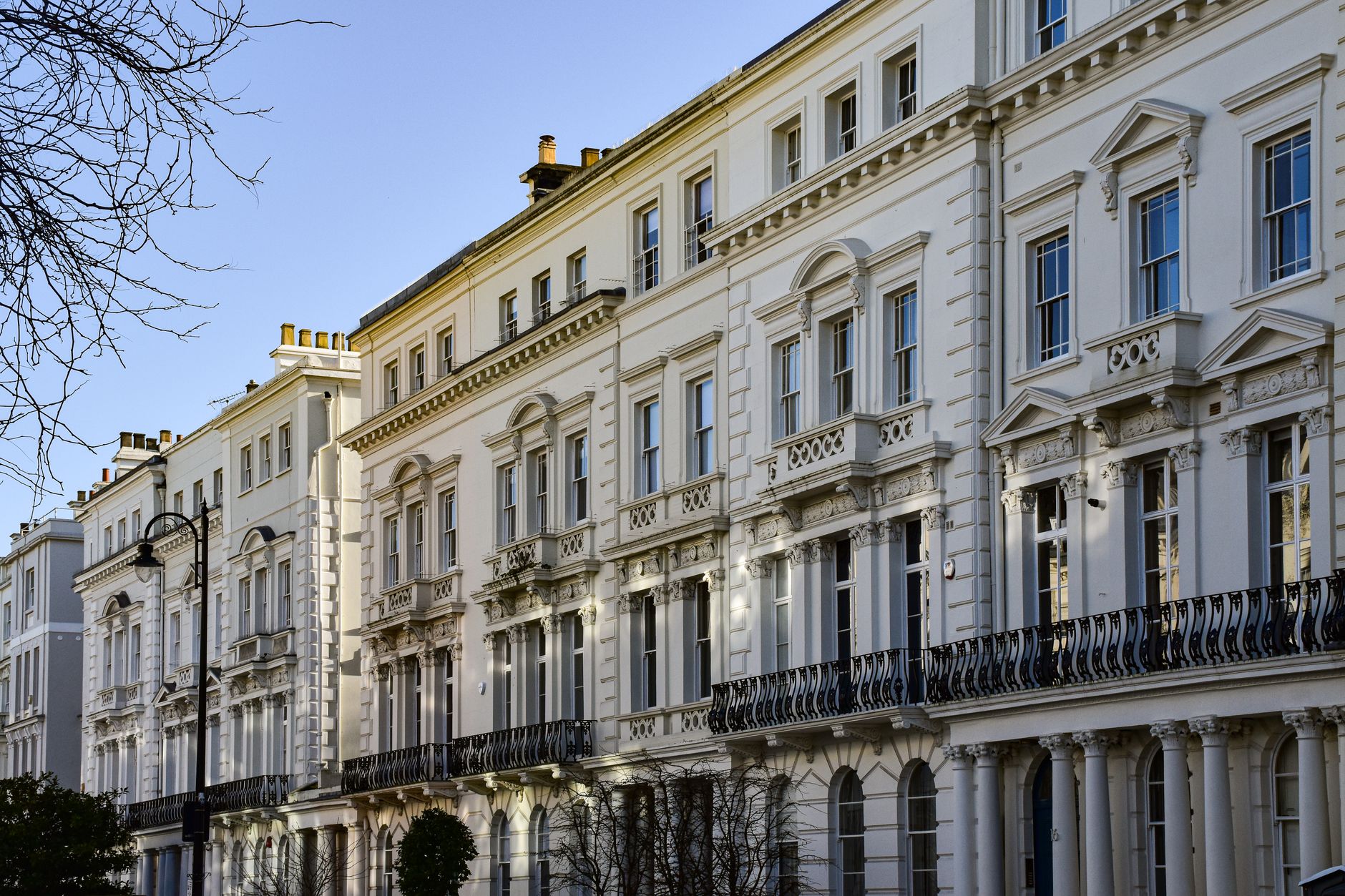
Hotel Gotham at 100 King Street — a 1935 Edwin Lutyens-designed former bank, now a hotel — was rebranded as the Midland for the sixth series. It is one of the most striking interwar buildings in Manchester and its art deco interiors are exactly what a production designer wants.
You can walk into the bar without staying, which makes this the easiest interior on the trail to actually experience. It is also, coincidentally, one of the better afternoon teas in the city. King Street itself is five minutes from Albert Square.
The Northern Quarter and Albert Square
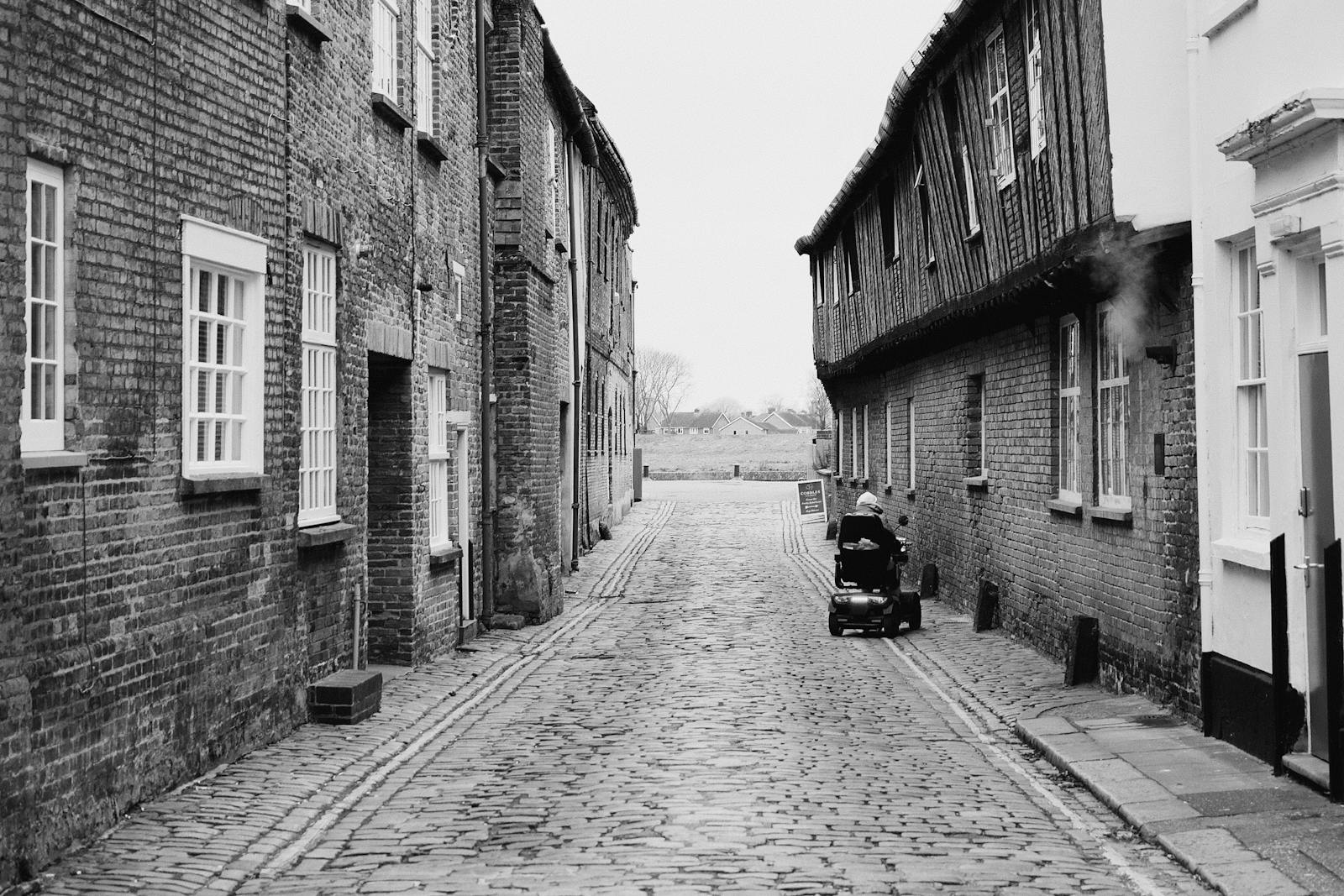
Both the Northern Quarter and the area immediately outside Manchester Town Hall have been used. Neither has a single identifiable “spot” to stand on — this is background and street work rather than a set piece — but both are on the walking route anyway and both are the kind of streetscape that gets a production to Manchester in the first place.
The Northern Quarter in particular is the most-filmed few blocks in the city. Its painted advertisements, fire escapes and unrestored brickwork have played 1960s New York, 1970s London and interwar Birmingham within the space of a few years.
Salford Lads Club

Salford Lads Club appeared in the sixth series as the Labour Party venue for Tommy’s speech. It is best known for something else entirely — the Smiths photographed outside it for The Queen Is Dead, and it has been a music pilgrimage site ever since — which makes it a satisfying double for anyone doing both trails. Opening is limited and it is a working club, so check before turning up. Our music scene guide covers its other life.
The Self-Guided City Walk
Two and a half hours at a walking pace, no bookings, no cost.
- Start: Castlefield basin. Give it thirty minutes. Walk the towpath, go under the viaducts, and go up onto the Castlefield Viaduct if it is open.
- North along Deansgate — ten minutes, past the Science and Industry Museum.
- King Street and Hotel Gotham — fifteen minutes. Go in and look at the lobby.
- Albert Square and the Town Hall — five minutes further. Street-level exteriors.
- Northern Quarter — fifteen minutes’ walk. Wander rather than navigate; the whole district is the location.
- Optional: Salford Lads Club — a bus or a twenty-five minute walk west into Ordsall. Check it is open first.
- Optional: Victoria Baths — a bus south down Oxford Road. Check the opening schedule; this is the one worth planning a whole afternoon around.
The four core city-centre stops need no planning at all. The two optional ones both have restricted opening and both reward the effort, so if you have a full day, build the walk around whichever of them is open on your date.
Greater Manchester and Beyond
The rest of the production spread across the North West and the Pennines. These need a car or a train, and each is a half-day rather than a stop.
| Location | Where | What it played | Getting there |
|---|---|---|---|
| Le Mans Crescent | Bolton | Shelby Sanatorium for Sick Children | 25 min by train from Victoria; the crescent is a civic exterior, viewable from the street |
| Arley Hall | Cheshire | Tommy’s study and the family dining room | Car. A working country house and garden with its own opening season |
| Chrome Hill | Peak District | The hills of the sixth-series finale | Car, then a proper walk. Genuinely remote |
| Lee Quarry | Bacup, Lancashire | Tommy’s encounter with Esme | Car. A former quarry, now a mountain bike centre |
| Ashton Memorial | Williamson Park, Lancaster | The art deco interior where Gina Gray lounges | Train to Lancaster, then a walk uphill |
| Stanley Dock Tobacco Warehouse | Liverpool | Major exterior and dockside scenes | Train from Piccadilly, about an hour |
Which of these is worth the journey
- Arley Hall is the best of them as a day out in its own right — a country house and gardens that would be worth visiting with no television connection at all. Check the opening season before driving out; it is not open year-round.
- Chrome Hill is a serious walk in the White Peak, and one of the finest ridges in the Peak District. Go for the walk; the filming is a footnote. Boots, map, and check the weather.
- Le Mans Crescent is a fifteen-minute look at a handsome civic building. Combine it with something else in Bolton rather than travelling for it alone.
- Stanley Dock in Liverpool is spectacular and pairs with everything else a Liverpool day trip offers.
- Lee Quarry and Ashton Memorial are for completists. Both are a long way for one scene.
Half a Day, a Day, or a Weekend
How much of this you do depends entirely on how much time you have, and the tiers are cleanly separated.
| Time | Do this | Cost |
|---|---|---|
| Two hours | Castlefield only — the basin, the viaducts, the towpath and the setted streets | Free |
| Half a day | The four city-centre locations: Castlefield, King Street, Albert Square, Northern Quarter | Free, plus a drink at Hotel Gotham |
| A full day | The city-centre walk plus whichever of Victoria Baths or Salford Lads Club is open | Free to about £10 |
| A weekend | Add one day trip — Arley Hall, Chrome Hill or Liverpool’s Stanley Dock | Car hire or a train fare, plus admission where it applies |
| Completist | Bolton, Bacup and Lancaster as well | A car and two more days |
Most visitors should stop at the half-day tier. The four city-centre locations are the ones that carry the series visually, they cost nothing, and they slot into an afternoon that also includes lunch and a museum. The further-out sites are for people who want the whole set, and there is no shame in not being one of them.
If you are pairing this with anything else, pair it with the industrial history rather than with more television. Castlefield is where the Bridgewater Canal terminated and where the world’s first passenger railway station stood; the Science and Industry Museum is on that site and it is free. Understanding why the streets look like that is more interesting than a second filming location, and it is thirty seconds’ walk away.
What Is Not in Manchester
Three things visitors reliably arrive expecting, and none of them is here.
- The Garrison. The pub is a set, not a working pub you can drink in, and the Birmingham-set material it belongs to was largely filmed in the West Midlands rather than in Manchester. There is no Garrison in Castlefield to find, however many photographs of Castlefield are captioned as though there were.
- Small Heath. Small Heath is in Birmingham. What Castlefield played was Small Heath; it is not Small Heath, and the real place looks nothing like it.
- A signposted trail. There is no official Peaky Blinders route, no plaques and no markers. Every location on this page is either an ordinary public street or a building with its own separate opening arrangements.
None of that diminishes the trail. It does mean managing the expectations of anyone in your group who thinks they are going to walk into the Shelby family’s local.
There is a related point worth making about interiors generally. Almost every room you remember from the series is either a built set on a sound stage or a heavily dressed interior in a building that looks nothing like it when you walk in. Arley Hall’s rooms are recognisable because a country house is a country house; the Garrison’s back room is not, because it never existed anywhere but a studio. Exteriors travel; interiors mostly do not.
Guided Tours vs Doing It Yourself
Manchester’s walking tour operators run film and TV themed walks, typically £15–£30 per person for an hour and a half to two and a half hours, and several cover the Peaky Blinders locations among other productions. Free tip-based walks also operate.
The case for a guide: you get the production stories, the “they filmed that from here” angles, and someone who knows which locations are accessible this week. The case against: the city-centre locations are four public places within fifteen minutes of each other, all free, and this page is most of what a guide would tell you.
The honest recommendation is a guided walk if you want a broader Manchester history and screen tour, and this route if you specifically want Peaky Blinders. Our walking tours guide compares the operators, and the Coronation Street and TV filming locations guide covers the city’s wider screen map.
Peaky-Themed Bars
Manchester, like most northern cities, has acquired bars trading on the aesthetic — flat caps on the wall, 1920s branding, an interwar cocktail list. They are unaffiliated tribute venues rather than filming locations, and their number and names change. Some are genuinely good bars. None of them is where anything was filmed.
If you want a drink in a building that was actually used, Hotel Gotham’s bar on King Street is the answer, and it does not need a flat cap on the wall to earn it.
Practical Notes
- Almost everything in the city centre is free and always open, because it is a street. Castlefield, King Street, Albert Square and the Northern Quarter need no planning.
- Victoria Baths and Salford Lads Club do not open daily. Both have seasonal and event-based schedules. Check each one’s own site before you build a day around it.
- Arley Hall has an opening season. It is a working estate, not a permanent attraction.
- Photography: Castlefield in low light is the shot. Early morning and the hour before dusk, and rain genuinely helps. See our photography spots guide.
- Footwear: Castlefield is cobbles and towpath, and Chrome Hill is a hill. Neither is a trainers-and-hope situation, particularly after rain.
- Transport: the Metrolink covers Deansgate-Castlefield directly; Victoria Baths and Salford Lads Club are bus journeys. See our tram guide.
What Is Not Worth It
- Driving to Lee Quarry or Lancaster for one scene each. Unless you are completing the set, the return on those journeys is very low.
- Turning up at Victoria Baths or Salford Lads Club without checking. Both are genuinely worth seeing and both will be closed if you do not.
- Looking for the Garrison. It is not in Manchester and it is not a pub.
- A themed bar in place of a location. Fine as a drink, not as a pilgrimage.
- Booking a paid tour purely for the city-centre four. They are free, public and fifteen minutes apart.
- Going to Castlefield at midday in July expecting the atmosphere. The light is wrong and so are the crowds. Go early or go late.
Frequently Asked Questions
Where in Manchester was Peaky Blinders filmed?
Castlefield above all — its cobbled streets and canal basin doubled as 1930s Small Heath, Garrison Lane and Chinatown in the sixth series. Also Victoria Baths, which hosted the second-series horse fair; Hotel Gotham on King Street, which played the Midland; the Northern Quarter; the streets outside the Town Hall; and Salford Lads Club.
Can you visit the Peaky Blinders filming locations in Manchester?
Yes, and most of them are free public streets you can walk through at any time. Victoria Baths and Salford Lads Club have restricted opening and should be checked in advance; Hotel Gotham’s bar is open to non-residents.
Is the Garrison pub in Manchester?
No. The Garrison is a set rather than a working pub, and the Birmingham-set material it belongs to was largely filmed elsewhere, principally in the West Midlands. There is nothing in Castlefield to find, despite a great many photographs suggesting otherwise.
Why was Peaky Blinders filmed in Manchester and not Birmingham?
Birmingham lost most of the terraced streets, canal-side factories and industrial brick that the series needed to post-war clearance and later redevelopment. Manchester, Liverpool and the Lancashire towns kept theirs, so the North West stood in.
How long does the Peaky Blinders trail in Manchester take?
About two and a half hours for the four city-centre locations on foot. Adding Victoria Baths or Salford Lads Club makes it a full day, and the Cheshire, Peak District and Lancashire locations are separate day trips.
Where was the Shelby house filmed?
Arley Hall in Cheshire supplied Tommy’s study and the family dining room in the sixth series. It is a working country house with its own opening season, roughly an hour from Manchester by car.
Is there a Peaky Blinders tour in Manchester?
Several walking tour operators include the locations within broader film and TV walks, typically £15–£30 for 1.5–2.5 hours. There is no official signposted trail, and the city-centre sites are easy to walk unguided.
What was filmed at Victoria Baths?
The horse fair in the second series, where Tommy Shelby buys his racehorse. The building is a 1906 Edwardian baths, now run as a heritage venue with open days and events rather than as a working pool.
Planning the Rest of Your Trip
- Deansgate and Castlefield — the neighbourhood that did most of the filming.
- Coronation Street and Manchester’s TV filming locations — the rest of the city’s screen map.
- Manchester’s canal walking routes — the towpaths that run through every location on this list.
- Industrial Revolution heritage — why the city looks the way it does on camera.
- Manchester walking tours — the guided alternatives.
- Peak District day trips — including Chrome Hill.
- Liverpool day trip — for Stanley Dock and a great deal else.
- Photography spots in Manchester — how to shoot Castlefield properly.