This article contains advertising. Our booking links are routed through a partner that adds commission tracking automatically, so if you book through one we earn a commission from the provider, at no extra cost to you. It never affects what we recommend. Affiliate disclosure
Doing Snowdonia from Manchester in a day is one of those plans that sounds ambitious and turns out to be very doable, as long as you are honest about which part of North Wales you are after. The castle towns and seaside resorts of the coast are a straightforward train ride away. The mountains themselves take more planning, an early start and, ideally, a car. This guide is for visitors based in Manchester weighing up a day in Eryri, as the national park is officially known, and on the North Wales coast: how to get there, what to see, what works in winter, and where a day trip stops making sense.
A note on names before we start. The national park authority uses Eryri National Park, and the highest mountain in Wales is Yr Wyddfa; you will still see Snowdonia and Snowdon everywhere, including on the mountain railway’s own branding, and both are understood. This guide uses whichever reads more naturally.
Can You Really Do It in a Day?
Yes, but pick one of three trips rather than trying to fit everything in:
- The coast by train. Conwy and Llandudno, with the mountains as a backdrop. This is the easiest and most reliable day out, all year round, with no car needed.
- A mountain day. Walking on Yr Wyddfa or in the valleys around it. Very rewarding, but it means a long day, an early start and proper kit, and in winter it is for experienced hill walkers only.
- The mountain railway. Llanberis and the Snowdon Mountain Railway to the summit. A classic, but only from late March to the end of October.
What does not work is trying to do all three. North Wales is bigger than it looks on a map, and if you spend five hours of a short winter day in a car you will see a lot of the A55 and not much else.
North Wales from Manchester at a Glance
| What | Details |
|---|---|
| Train to Llandudno | Direct Transport for Wales services from Manchester Piccadilly; fastest about 2 hours 12 minutes, most around 2 hours 30 |
| Train to Bangor | About 2 hours 16 minutes on the quickest trains |
| Yr Wyddfa walking routes | Six main paths, 11–14.5km return, 4–7 hours |
| Snowdon Mountain Railway | 2027 season: diesel trains 24 March – 31 October; steam on selected dates 3 May – 29 October |
| Great Orme Tramway | Seasonal; reopens in late March |
| Best for a winter day | Conwy and Llandudno by train |
| Best for a summer day | Llanberis and the mountain railway, or a walk up Yr Wyddfa |
Getting There
By train
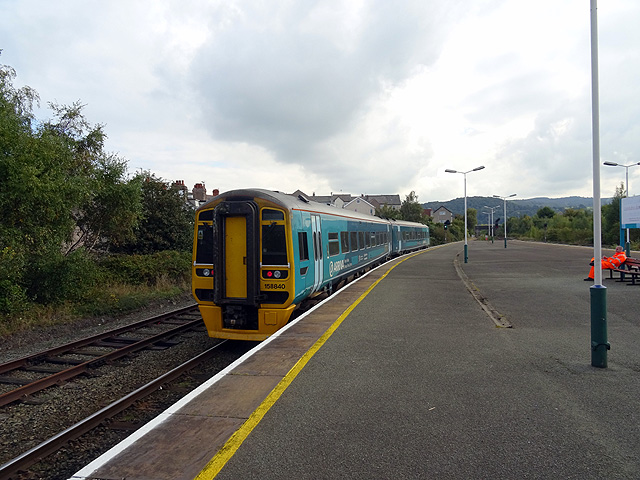
The train is the best way to reach the North Wales coast from Manchester, and for the coastal trip it is the only transport you need. Transport for Wales runs direct services from Manchester Piccadilly along the North Wales Coast line. Its own journey pages give the fastest trip between Manchester and Llandudno as 2 hours 12 minutes, with most trains taking around two and a half hours, and Manchester to Bangor as about 2 hours 16 minutes on the quickest services, though some journeys involve a change and take longer. Check the journey planner for your date, since times vary by train.
Llandudno Junction is the key station: Conwy is a short hop from there, Llandudno is at the end of a short branch, and the Conwy Valley line runs south from the Junction up to Betws-y-Coed and Blaenau Ffestiniog. Conwy Valley trains are far less frequent than those on the main line, and Transport for Wales has consulted on a new Conwy Valley timetable for December 2026, so check the current times on its website before you go.
Rail fares on this route vary by time and how early you book. Advance singles and off-peak returns can be much cheaper than buying on the day, and a railcard takes a third off most fares if you have one.
By car
Driving makes the mountains far more accessible. The A55 North Wales Expressway runs along the coast, and from there the A470 heads up the Conwy Valley to Betws-y-Coed while other roads climb towards Llanberis and Pen-y-Pass. Leave Manchester early: the M56 and the A55 both get busy on summer weekends and bank holidays, and the car parks at the start of the popular Yr Wyddfa paths fill up quickly. Check parking arrangements and park-and-ride options on the national park’s website before you set off.
By coach tour
Several tour companies run guided coach day trips from Manchester into Snowdonia, usually stopping at a couple of villages and viewpoints. They are a reasonable choice if you do not drive and want the mountains rather than the coast, but read exactly what is included, how long you get at each stop and what time you are back in Manchester before you book. See our guide to tours and experiences in Manchester for how to judge them.
Yr Wyddfa (Snowdon): Walking to the Summit
Yr Wyddfa is the big draw, and the national park authority says more than 600,000 people walk up it every year. There are six main paths to the summit. The authority gives their round-trip distances as:
| Path | Round trip |
|---|---|
| Llanberis Path | 14.5km |
| Miners’ Track | 13km |
| Pyg Track | 11km |
| Watkin Path | 13km |
| Rhyd Ddu Path | 12km |
| Snowdon Ranger Path | 13km |
Expect four to seven hours for the round trip, depending on the path and your pace. The Llanberis Path is the longest but the most gradual and follows the line of the railway; the Pyg Track and Miners’ Track start higher up, at Pen-y-Pass, and are shorter but steeper and rougher in places.
Add the travel and you can see why this is a long day from Manchester: a long drive each way, plus a walk of up to seven hours. It is perfectly possible in summer with a dawn start. In late autumn and winter it is a different proposition.
Winter on the mountain
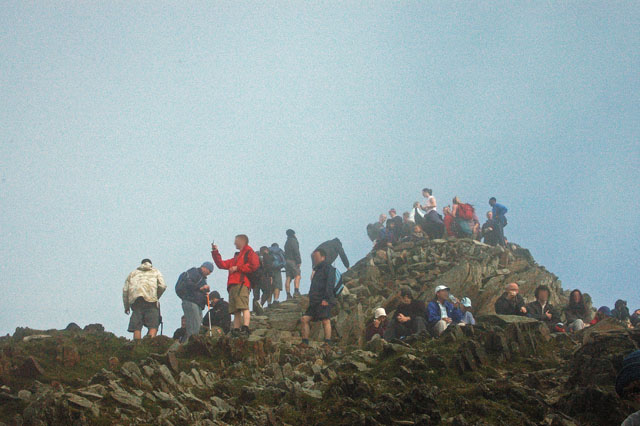
Be very clear about this. The national park authority warns that when there is snow on the mountain, the summit cannot be reached safely without crampons and an ice axe, and the skills to use them. Paths that are an easy hike in August can be icy, exposed and dangerous in January, and short daylight leaves little margin for error. The authority publishes a daily winter Ground Conditions Report for Yr Wyddfa, and it is essential reading before you go. Carry a torch and a whistle, and if something goes wrong, call 999 and ask for the police and then mountain rescue.
If you are not an experienced winter walker, do not try to reach the summit between late autumn and spring. Pick a low-level valley or lakeside walk instead, or go to the coast.
The Snowdon Mountain Railway
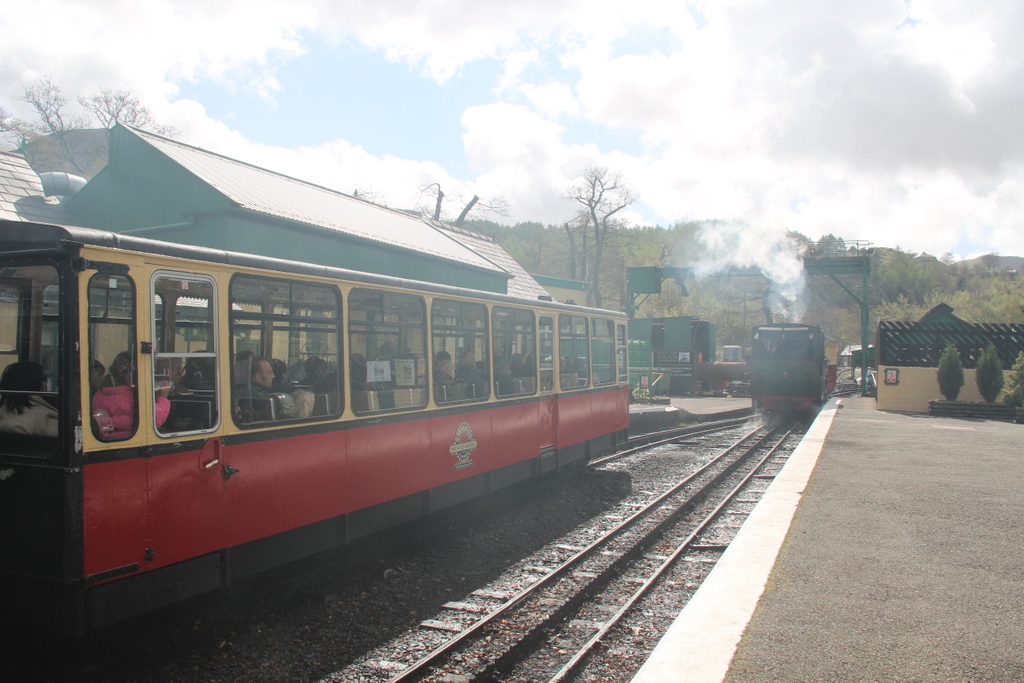
The Snowdon Mountain Railway climbs from Llanberis towards the summit of Yr Wyddfa. For anyone who wants the view without the walk, it is the obvious way up. It is also strictly seasonal. For 2027 the railway lists diesel services from 24 March to 31 October, and heritage steam trains on selected dates from 3 May to 29 October. Outside those dates there are no trains, so a winter day trip cannot include it.
Prices depend on the train and the day. For 2027, the heritage steam summit return is listed at £63 for adults off-peak and £72 at peak times, with child tickets at £53 and £62. Diesel trains cost less; check the railway’s own site for the current fares. The railway strongly recommends booking online in advance, and pre-booked tickets are collected from the ticket office at Llanberis station.
At the top is Hafod Eryri, the summit visitor centre, which the railway describes as the UK’s highest. Weather on the summit is changeable even in summer, and trains can be cut short or cancelled in high wind, so keep the day flexible.
Conwy
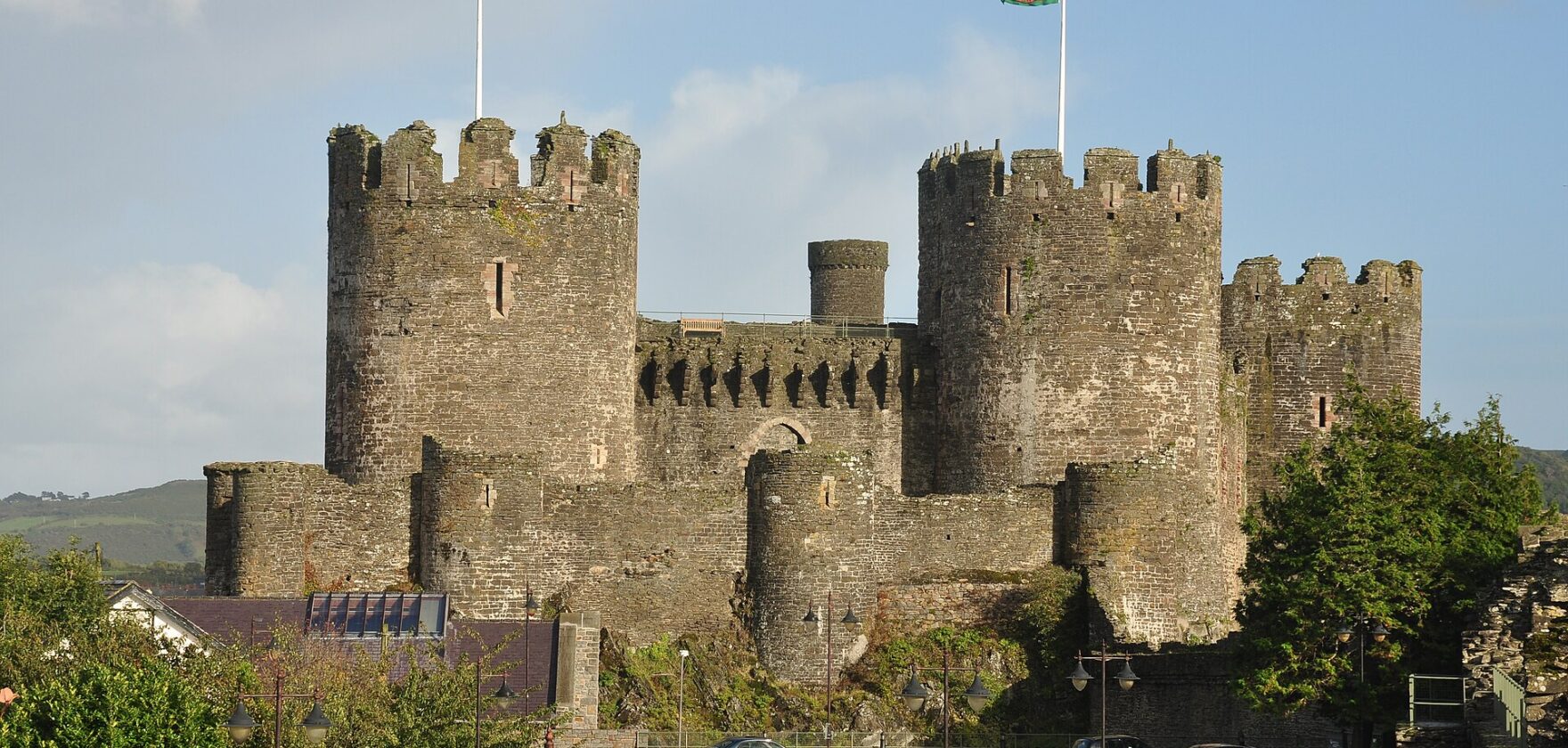
Conwy is the best single stop for a day trip by train, and the one we would pick if you only have time for one place. The town is dominated by its castle, built for Edward I in the 1280s, and is still almost entirely wrapped in its medieval walls, which you can walk along for views over the rooftops and the estuary. The castle and the walls are part of a UNESCO World Heritage Site covering Edward I’s castles and town walls in this corner of Wales.
The castle is run by Cadw, the Welsh historic environment service, which publishes its opening times and admission prices; winter hours are shorter than summer ones, so check before you travel. After the castle, walk down to the quay, find somewhere for lunch, and give yourself time to wander the streets inside the walls. It is a small town, and that is part of its appeal: a few hours is about right.
Llandudno and the Great Orme
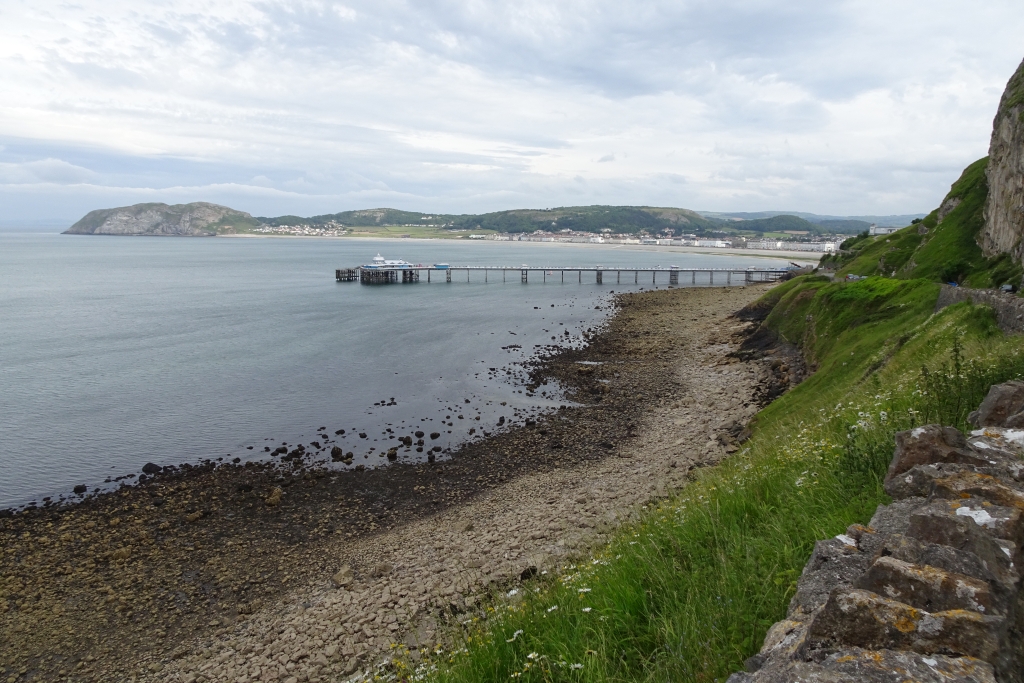
A few minutes from Conwy, Llandudno is a Victorian seaside resort with a long promenade, a pier, and the great limestone headland of the Great Orme rising behind it. It pairs naturally with Conwy for a full coastal day: castle in the morning, seafront in the afternoon.
The Great Orme Tramway has been carrying passengers up the headland since 1902, and the operator describes it as Britain’s only cable-hauled tramway that runs on public roads. It climbs about a mile to the summit, where the views stretch along the coast. It is seasonal, though: the tramway reopens in late March. When it is running, its listed fares are £11.25 for adults and £8.05 for children, rising to £12.30 and £9.30 in July and August. Out of season you can still walk up the Orme on foot, a steep but rewarding climb on a clear day.
Betws-y-Coed and the Conwy Valley
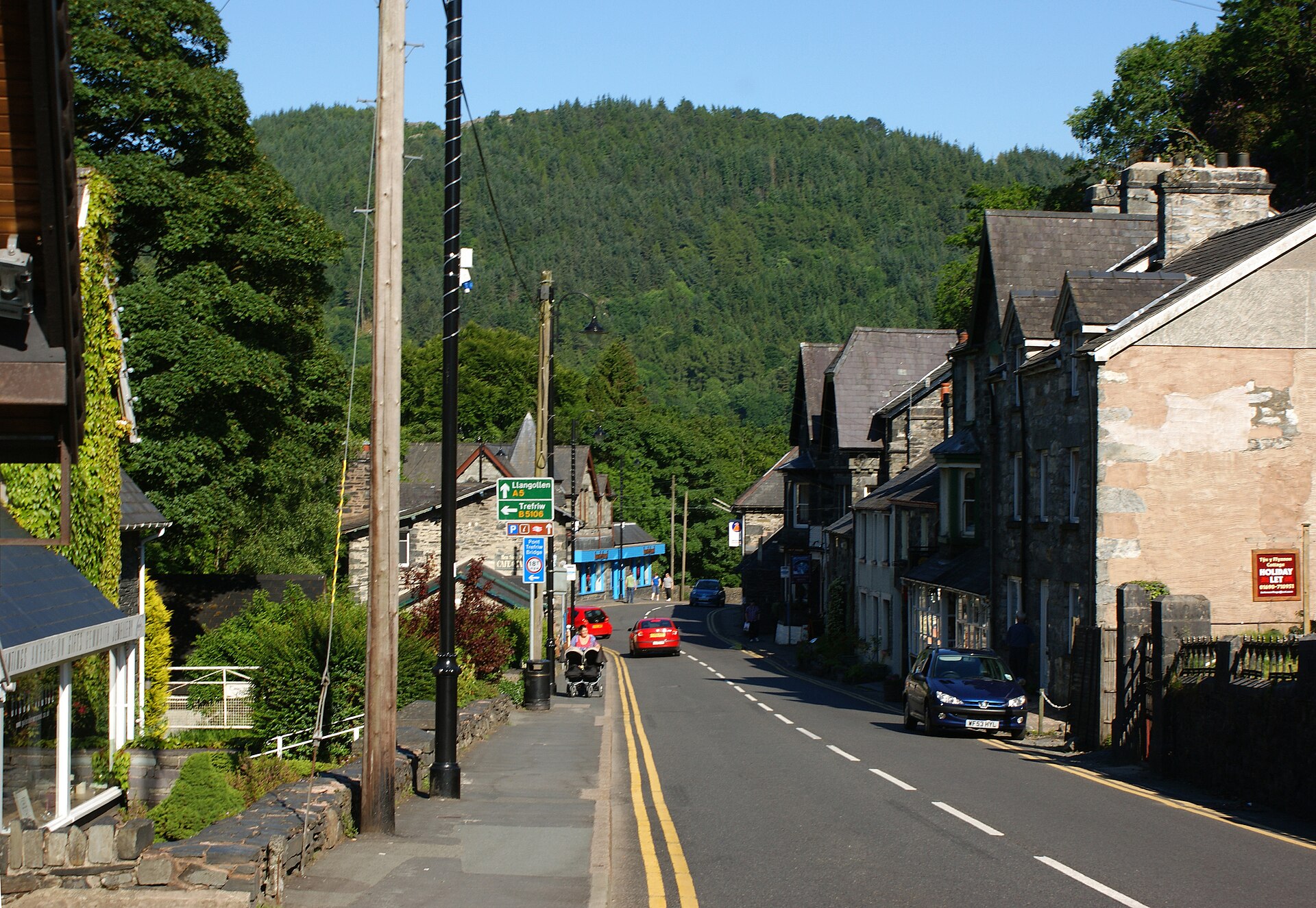
Betws-y-Coed is the classic gateway village to the national park: stone buildings, a river running through woodland, outdoor shops and tea rooms. It is reachable by train on the Conwy Valley line from Llandudno Junction, which makes it one of the few places in the heart of the park you can reach from Manchester without a car, though the infrequent service needs planning.
Nearby Swallow Falls is the best-known waterfall in the area, with a small entrance fee. Around the village there are easy woodland and riverside walks that work well in any season, which makes Betws-y-Coed a sensible alternative when the high mountains are out of the question.
Llanberis
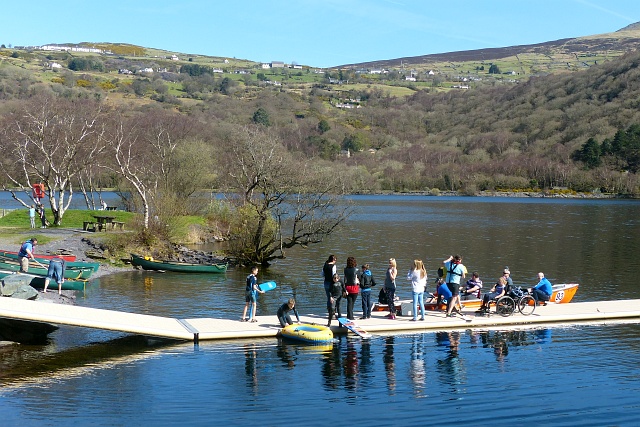
Llanberis sits at the foot of Yr Wyddfa beside Llyn Padarn, and it is the base for both the mountain railway and the Llanberis Path. Even without going up the mountain, the lakeside and the slate-quarry landscape above the village are worth a look, and the ruined tower of Dolbadarn Castle stands on a rise between the two lakes. One thing has changed: the National Slate Museum in Llanberis has closed for a redevelopment project, so do not plan a visit around it until it reopens.
Three Day-Trip Plans
1. The coast by train (any time of year)
- Early train from Manchester Piccadilly to Llandudno Junction.
- Morning in Conwy: castle, walls and the quay.
- Afternoon in Llandudno: the promenade, the pier and, from late March, the Great Orme Tramway.
- Evening train back to Manchester.
2. A mountain day by car (late spring to early autumn)
- Leave Manchester at dawn and drive to Llanberis or Pen-y-Pass, having checked the parking and conditions first.
- Walk Yr Wyddfa: the Llanberis Path if you want the gentlest gradient, the Pyg Track if you want the shortest route.
- Recover with tea and cake in Llanberis or Betws-y-Coed before the drive home.
3. The railway day (late March to October)
- Drive to Llanberis with a pre-booked train time.
- Take the Snowdon Mountain Railway up and back, allowing for weather delays.
- Walk by Llyn Padarn and up to Dolbadarn Castle in the afternoon.
Winter or Summer?
Summer gives you everything: long days, the mountain railway, the tramway and the best chance of a clear summit. It also brings the crowds, and the most popular paths and car parks are busy on fine weekends.
From November to March the picture changes. The railway and the tramway are closed, daylight is short, and the high mountains are for experienced, properly equipped walkers only. But the coast comes into its own: Conwy’s castle and walls, Llandudno’s seafront and the low-level walks are quieter, and the train makes the whole trip easy. If you are visiting Manchester in winter, plan a coastal day and save the summit for another trip.
What to Bring
Mountain weather in North Wales is a different animal from a damp day in Manchester, and even a coastal trip benefits from a bit of preparation:
- Waterproofs, top and bottom. Rain blows in off the Irish Sea fast, and the mountains make their own weather.
- Proper footwear. Walking boots for any of the mountain paths; comfortable shoes with grip for the cobbles and castle steps in Conwy.
- Warm layers and a hat. It is colder and windier on the summit than in Llanberis, often by a long way, even in summer.
- Food and water. On a mountain day, carry more than you think you need. Cafés exist, but not where you will be at lunchtime.
- A charged phone and a paper map. Signal comes and goes in the valleys, and batteries drain fast in the cold.
- Your return train time written down. On the coast route the last convenient train back to Manchester is the thing that sets the end of your day.
You will also notice that signs are in Welsh and English, with Welsh first. Place names on maps and road signs use the Welsh forms, so it helps to know that Yr Wyddfa is Snowdon and Eryri is Snowdonia before you start following directions.
Should You Stay the Night Instead?
If you have a spare day, an overnight stay transforms the trip. It turns a long round trip into two relaxed half-days, lets you start a mountain walk early without leaving Manchester at dawn, and gives you a chance of better weather on the second morning if the first is a washout.
The obvious bases are Conwy or Llandudno for the coast, with plenty of guesthouses and hotels and good train links, and Betws-y-Coed or Llanberis for the mountains. A simple two-day plan: train to Llandudno Junction, an afternoon in Conwy, a night on the coast, then up the Conwy Valley line to Betws-y-Coed for a riverside walk before heading home. Or, with a car, a night in Llanberis followed by an early start on the Llanberis Path while the car parks are still quiet.
Book accommodation early for summer weekends and school holidays, when the most popular villages fill up.
What Is Not Worth It
- A drive-through tour of everything. Spending most of the day in the car to tick off five places is a poor trade. Two places, done properly, beat five glimpsed through a windscreen.
- Chasing the summit in bad weather. In cloud you will see nothing from the top, and in winter conditions it is genuinely dangerous. Check the forecast and the Ground Conditions Report, and be willing to change plan.
- Turning up for the mountain railway without a booking in peak season. Book ahead online, or risk a long wait or no seat at all.
- Relying on the Conwy Valley line without checking the timetable. Trains are infrequent, and missing one can cost you hours.
Frequently Asked Questions
Can you do Snowdonia as a day trip from Manchester?
Yes. The North Wales coast, with Conwy and Llandudno, is an easy day by train. A day in the mountains is possible too, but it needs an early start and ideally a car, and walking to the summit of Yr Wyddfa in winter is only for experienced, properly equipped walkers.
How long is the train from Manchester to Llandudno?
Transport for Wales gives the fastest direct journey as 2 hours 12 minutes, with most trains taking around two and a half hours. Check the journey planner for your date.
Is the Snowdon Mountain Railway open in winter?
No. It runs from spring to the end of October. For 2027, diesel trains are listed from 24 March to 31 October and steam trains on selected dates from 3 May to 29 October.
Do you need a car for Snowdonia?
Not for the coast: the train serves Conwy, Llandudno and Bangor directly, and Betws-y-Coed by the Conwy Valley line. For the mountain paths and Llanberis, a car makes a day trip far easier.
How long does it take to walk up Snowdon?
The national park authority puts the round trip at four to seven hours, depending on the path. The six main paths range from 11km to 14.5km there and back.
Is Snowdonia the same as Eryri?
Yes. Eryri National Park is the name the park authority uses, and Yr Wyddfa is the Welsh name for Snowdon. You will see both versions used.
Planning the Rest of Your Trip
North Wales is one of the longer day trips from Manchester. Our guide to day trips from Manchester compares all of them, from an hour away to a full day out.
- Chester day trip: Roman walls and Rows, and much closer.
- Peak District day trip: hills on Manchester’s doorstep.
- Lake District day trip: the other big mountain day out.
- Liverpool day trip: an easy train ride west.
- Walks and hikes near Manchester: when you want a shorter day in the hills.
- Getting to Manchester by train: the stations and how they connect.