This article contains advertising. Our booking links are routed through a partner that adds commission tracking automatically, so if you book through one we earn a commission from the provider, at no extra cost to you. It never affects what we recommend. Affiliate disclosure
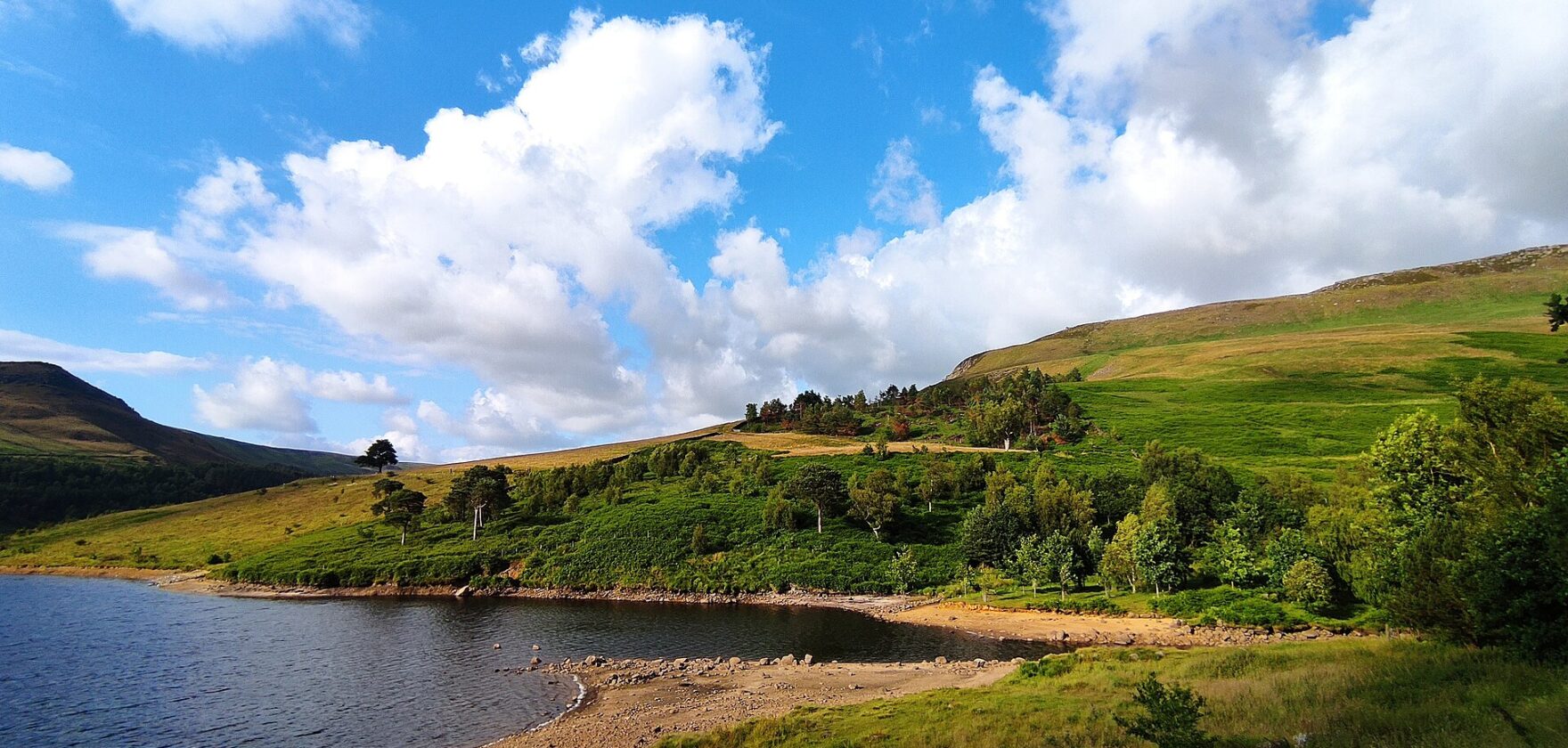
Dovestone Reservoir is the quickest way out of Manchester and into proper hills: a sheet of water in a bowl of dark moorland edges, twenty minutes by train from the city centre plus a walk, and still inside Greater Manchester. It sits above the Saddleworth villages — Uppermill, Greenfield, Dobcross, Delph and Diggle — a cluster of stone-built Pennine settlements that feel far more like Yorkshire than like anywhere with a Manchester postcode, which, as the locals will tell you, is because until 1974 they were in Yorkshire. This guide covers the reservoir, the villages and the town of Oldham below them, for anyone who wants a day on the moors without a long drive.
It is written with one warning up front, because it saves more days than any other advice here: on a sunny weekend the Dovestone car park is full by late morning. Come by train, come early, or come midweek.
Saddleworth and Dovestone at a Glance
| What | Key facts |
|---|---|
| Dovestone Reservoir walk | 4.2km (2.6 miles) round the water, mostly flat and pram-friendly; about 1 to 1½ hours |
| Dovestone parking | £1.10 up to 2 hours, £2.40 up to 4 hours, £4.90 all day; fills early at weekends |
| Train | Greenfield station, about 20 minutes from Manchester Piccadilly or Victoria; roughly every 30 minutes Monday to Saturday, hourly on Sundays |
| Station to reservoir | 40 to 50 minutes on foot, the last part uphill |
| Saddleworth Museum, Uppermill | Daily 13:00–16:00; £3 adults, £2 concessions, £6 family |
| Gallery Oldham | Free; Tuesday to Saturday, 10:00–17:00 |
| Whit Friday brass bands | 21 May in 2027 |
Where Saddleworth Is — and Why It Feels Like Yorkshire
Saddleworth is the eastern corner of the borough of Oldham, where Greater Manchester climbs into the Pennines. It is not one place but a parish of villages strung along the valleys of the River Tame and its tributaries, with the moors rising steeply behind them. Until local government was reorganised in 1974, the whole area was part of the West Riding of Yorkshire, and it has never entirely come to terms with the move: the white rose still appears on flags and signs, and Yorkshire Day on 1 August is taken seriously.
The moors above the villages are the northern tip of the Peak District National Park, and Dovestone sits right on that boundary. That is why it feels so different from the rest of Greater Manchester. You step off a train from the city, walk up through a village, and within an hour you are under gritstone edges with curlews calling and nothing but moorland to the horizon.
Weavers, a canal and the reservoirs
Saddleworth’s villages grew rich on wool long before Manchester grew rich on cotton. Weavers worked in the upper rooms of their cottages — the long rows of mullioned windows you still see in Dobcross and Delph were built to let the light in on the looms — and later in the mills that filled the valley bottoms. The Huddersfield Narrow Canal, completed in 1811 when the Standedge Tunnel was finally finished, carried their cloth across the Pennines, and the railway followed. Then, from the late nineteenth century to the 1960s, the water engineers came, damming the moorland valleys one after another to supply the growing towns below. Dovestone, finished in the 1960s, is the youngest of that chain of reservoirs, and the reason the valley looks the way it does today.
Getting There
- By train — Greenfield station is the gateway. Trains from Manchester Piccadilly and Victoria take about 20 minutes and run roughly every half hour Monday to Saturday, hourly on Sundays. From the station it is 40 to 50 minutes on foot to the reservoir, through Greenfield village and up the lane to the dam; the last stretch climbs.
- By bus — a local bus runs through Greenfield towards the reservoir road; the route number at the time of writing is the 350, but check the Bee Network journey planner for the nearest stop and current times. A single fare is £2.
- By car — Dovestone is off the A635 above Greenfield. The reservoir car park charges £1.10 for up to two hours, £2.40 for up to four and £4.90 all day, and the machines have been reported as cash-only, so bring coins. On sunny weekends and bank holidays it fills by late morning, and the lanes around it jam.
- By tram and bus — the Metrolink reaches Oldham town centre in about half an hour from the city, and buses run on up into Saddleworth. It is slower than the train to Greenfield, but useful if you want to combine Oldham and the villages.
Our guide to getting around Manchester covers train tickets and bus fares, and the Bee Network bus guide explains the daily caps.
Dovestone Reservoir
The walk round the water
The circular walk round Dovestone Reservoir is 4.2km — about two and a half miles — on wide gravel paths that are mostly flat and fine for pushchairs and wheelchairs with a little help. Allow an hour to an hour and a half at a stroll. Start at the car park by the dam, walk across the top of the dam for the first big view up the valley, and then follow the shore round under the edges.
The far side of the reservoir is the best part: the path runs beneath Chew Piece Plantation, a steep wood of pines that turns the water dark green, with the rocky skyline of the edges above. On a clear day, with the sailing club’s dinghies out on the water and the heather purple on the slopes in late summer, it is one of the loveliest easy walks anywhere near a big city. The reservoir is part of a nature reserve run with the RSPB, and the moors around it are home to birds you will not see in the city, so it is worth bringing binoculars.
Harder walks: up onto the edges
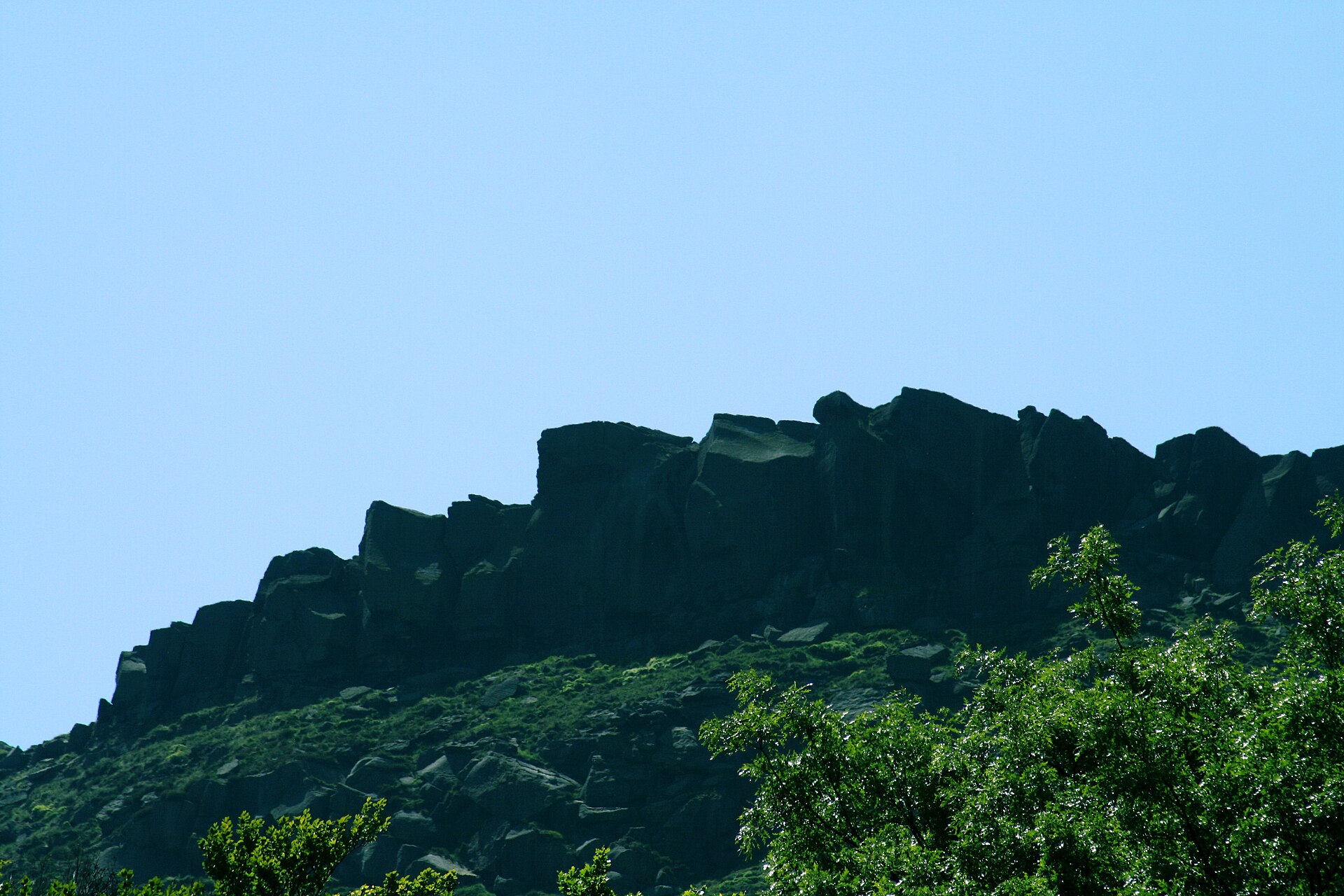
For fit walkers, the reservoir is the starting point rather than the destination. Paths climb steeply from the shore onto the gritstone edges that ring the valley — Indian’s Head, a rock formation said to look like a face in profile, and the Trinnacle, a three-pronged stack on the Ravenstones edge that has become one of the most photographed rocks in the area. A track up the Chew valley leads to Chew Reservoir, high on the moor and one of the highest reservoirs in England.
These are proper moorland walks. The paths are steep, rough and boggy in places, the weather changes fast, and cloud can come down on the tops with little warning. Take a map and a waterproof, tell someone where you are going, and turn back if the cloud comes in. Our guide to walks and hikes near Manchester has more routes in the same hills, and our Peak District day trip guide covers the bigger country to the south.
Practicalities and safety
- Toilets are at the car park, and in summer there is usually an ice-cream van. There is no café at the reservoir itself, so bring a flask and a picnic or eat in Greenfield or Uppermill.
- Never swim in the reservoir. Reservoirs are deep, cold even in summer, and full of hidden hazards; swimming is prohibited and has cost lives at reservoirs across the country.
- No barbecues or fires. In 2018 a moorland fire on Saddleworth Moor burned for weeks and was seen across the region. The peat burns underground, and a single disposable barbecue can start it.
- Dogs are welcome but should be on a lead near livestock and ground-nesting birds, especially in spring and early summer.
The Saddleworth Villages
The Saddleworth villages are the other half of the day, and each has a slightly different character. They are close enough together to link on foot along the canal towpath or the valley roads.
Uppermill
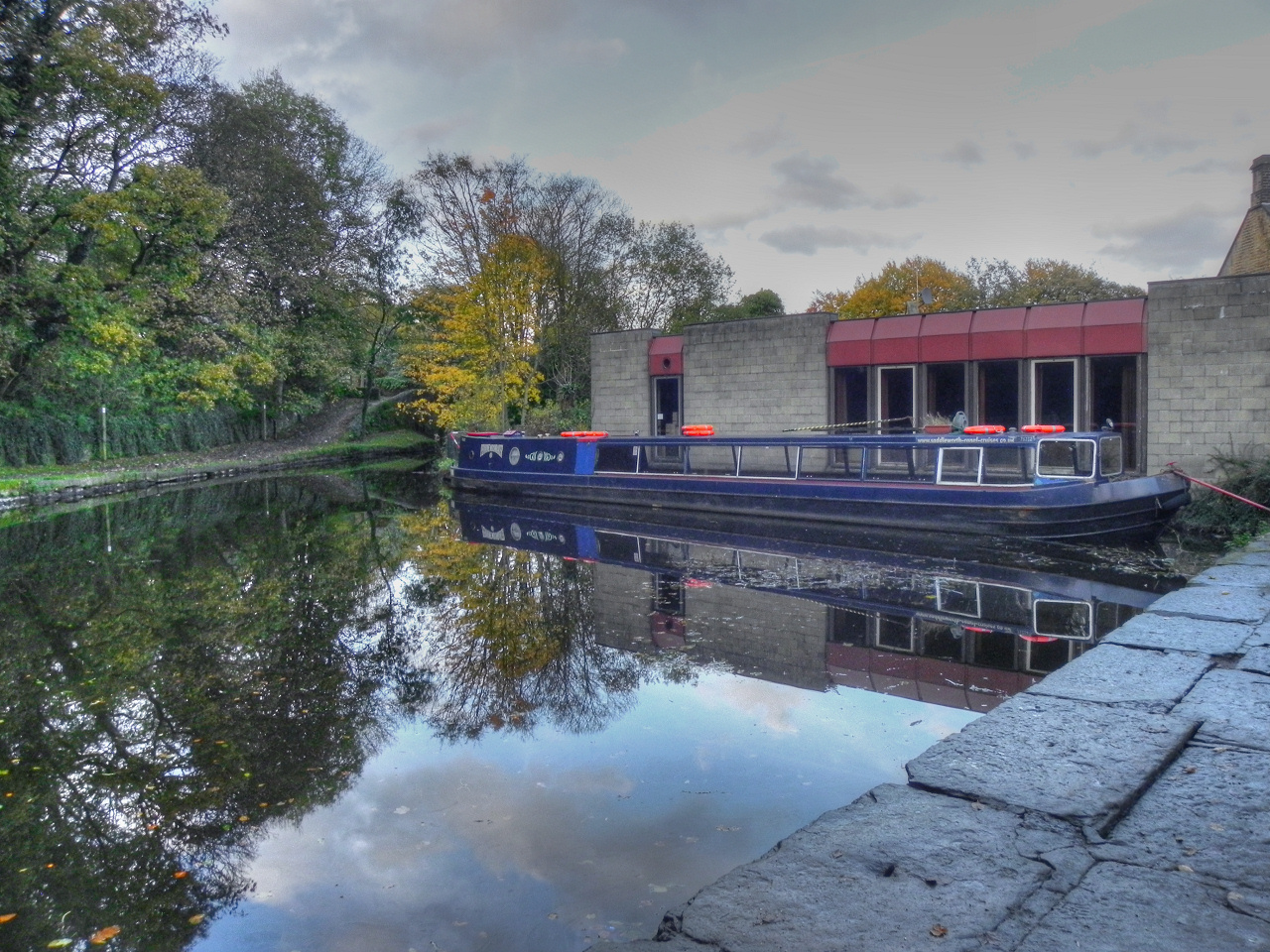
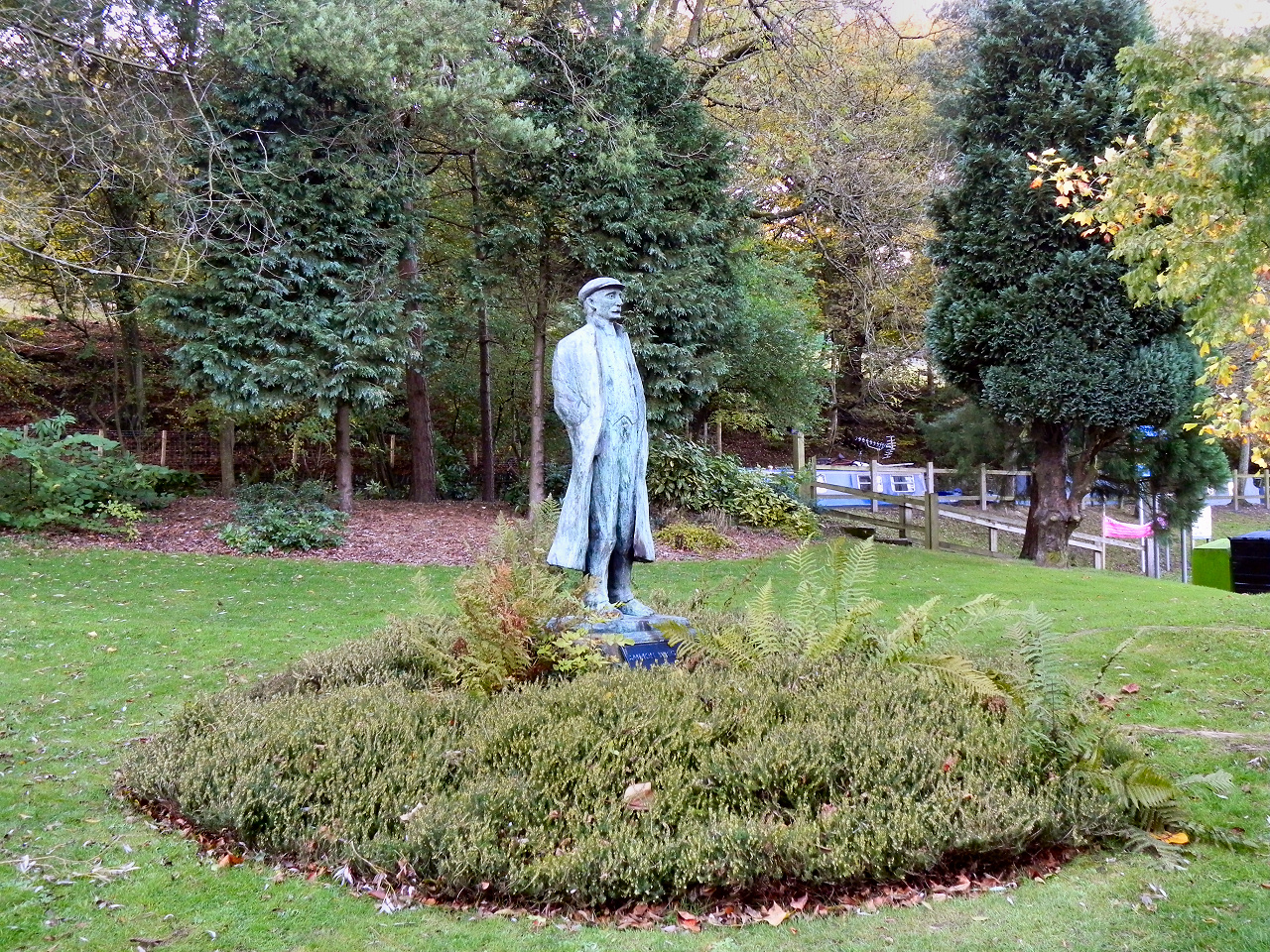
Uppermill is the biggest of the villages and the natural base: a long High Street of stone buildings with independent shops, cafés, pubs and restaurants, with the Huddersfield Narrow Canal running alongside. Saddleworth Museum, in an old mill beside the canal, tells the story of the area’s weaving, its canal and its Yorkshire past, and is open every afternoon from 13:00 to 16:00 — £3 for adults, £2 for concessions and £6 for a family. Just outside it, a statue remembers Ammon Wrigley, the local dialect poet who wrote about these hills and their people for much of his long life.
Uppermill is at its best on a weekend afternoon after a walk: busy but not overrun, with plenty of places to sit down with a pint or a pot of tea. It gets very busy on Whit Friday and on the big festival weekends.
Greenfield
Greenfield is the village with the station, and for most visitors it is the gateway to Dovestone rather than a destination. It has a couple of pubs and cafés, and the walk from the station up to the reservoir passes through it.
Dobcross
Dobcross is the prettiest of the villages, with a steep, stone-built square of Georgian weavers’ houses that looks almost unchanged in two centuries. That is why film-makers like it: it stood in for wartime Lancashire in the 1979 film Yanks. It is small, quiet and best seen on foot on the way between Uppermill and Delph.
Delph
Delph sits at the head of its own valley north of Dobcross, a little stone village with a chapel, a few pubs and good walking on the hills around it. Above it, at Castleshaw, the outlines of a Roman fort mark the old military road across the Pennines — a short walk and a reminder of how long people have been crossing these hills.
Diggle
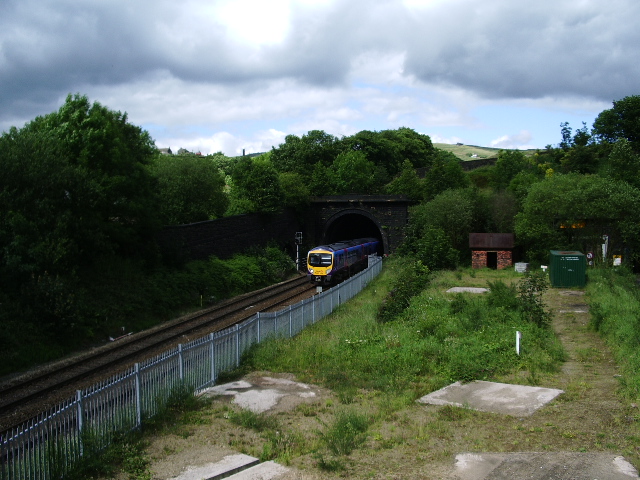
Diggle is where the valley ends and the tunnels begin. The Huddersfield Narrow Canal disappears into the hillside here at the western portal of the Standedge Tunnel, the longest, deepest and highest canal tunnel in Britain, running more than three miles under the moors to Marsden in West Yorkshire. Railway tunnels run alongside it. Boat trips into the tunnel run from the Marsden end rather than from Diggle, but the portal and the flight of locks leading up to it make a satisfying walk from Uppermill along the towpath.
Things to Do in Oldham
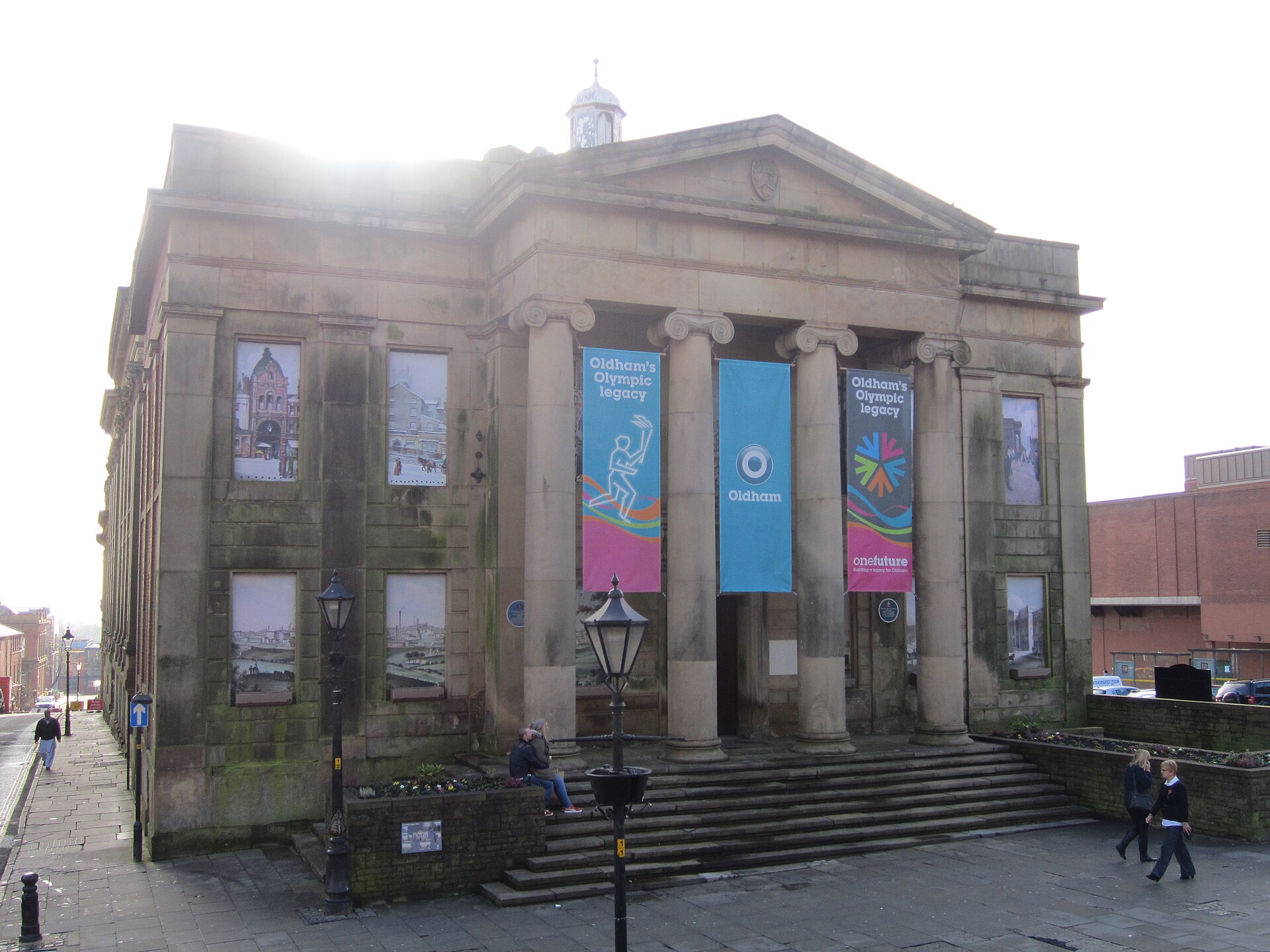
Oldham, the borough’s main town, sits below Saddleworth on the edge of the moors, and it is more workaday than the villages. But it has a story few towns can match — at its peak in the late nineteenth century it was the biggest cotton-spinning town in the world — and a handful of places that make it worth an hour or two. These are the best things to do in Oldham:
- Gallery Oldham — the town’s free art gallery and museum, with a strong collection and changing exhibitions. Open Tuesday to Saturday, 10:00 to 17:00 (last entry 16:45); closed Sundays, Mondays and bank holidays.
- The Old Town Hall — the grand classical building at the heart of the town, restored and reopened as a cinema with restaurants. Oldham also has a footnote in national history: it was the town that first elected a young Winston Churchill to Parliament, in 1900.
- Oldham Coliseum — the town’s much-loved theatre closed in 2023 and its historic Fairbottom Street home is being restored, with reopening scheduled for 2026. Check whether it has reopened before you plan an evening around it.
- Alexandra Park — a large Victorian park, a relic of the town’s cotton wealth, with lakes and formal gardens.
Oldham is also the easiest place to change from tram to bus for the villages, which makes it a natural stop on a day that takes in both.
Three Ways to Spend the Day
- Reservoir and village — train to Greenfield, walk up to Dovestone and round the water, walk back down to Greenfield and on along the canal to Uppermill for a late lunch, then the train home from Greenfield. About eight miles in total, all of it easy.
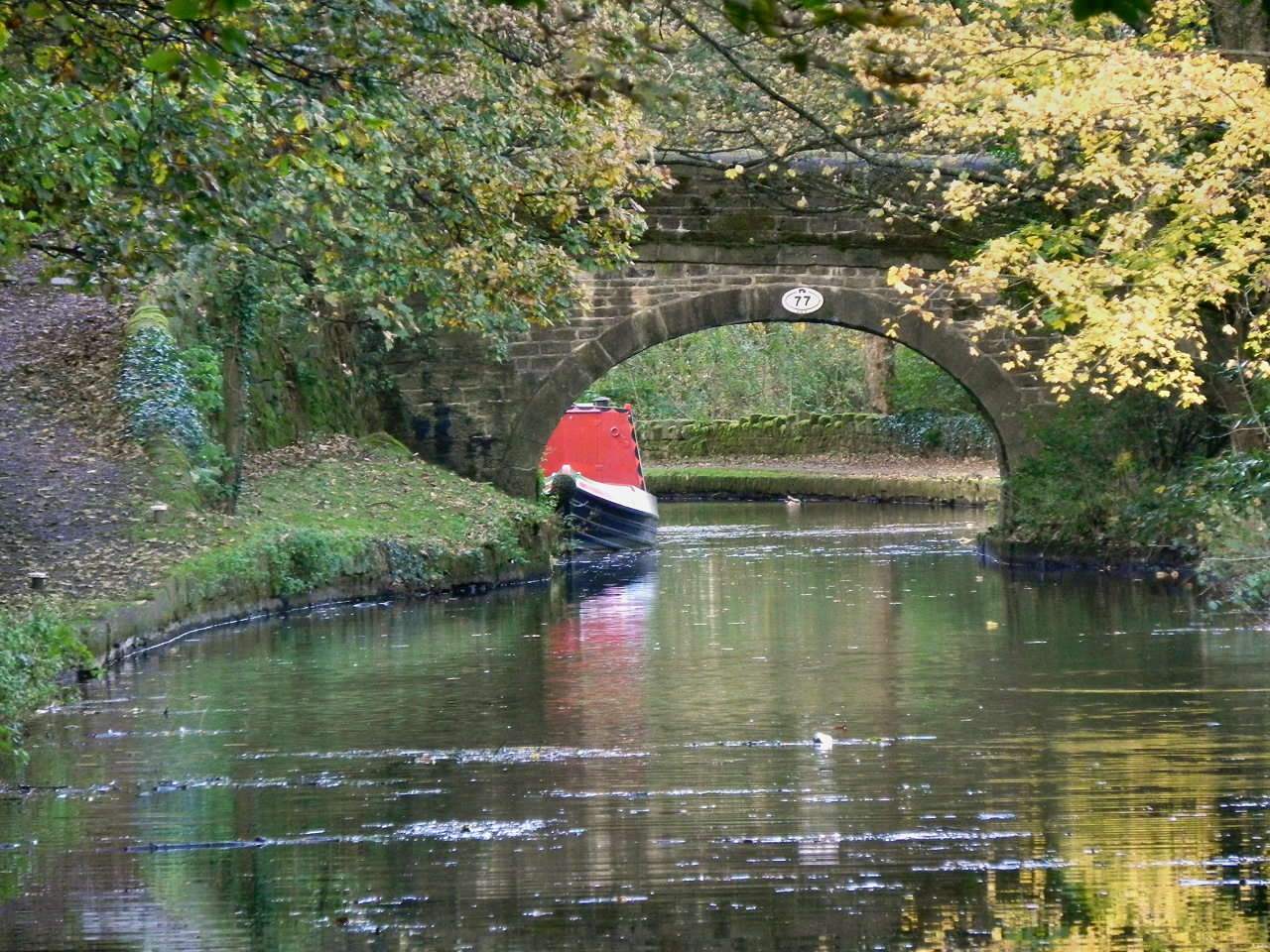
- The canal and the villages — train to Greenfield and walk the Huddersfield Narrow Canal towpath up through Uppermill to Diggle and the tunnel portal, with detours up to Dobcross. Flat, gentle and full of locks, bridges and narrowboats.
- The edges — for experienced walkers: the reservoir walk extended up onto the edges to Indian’s Head and the Trinnacle, with a map, a proper jacket and a clear forecast.
Saddleworth Through the Year
- Spring — lambs in the fields, curlews back on the moors, and the quietest time at Dovestone before the summer crowds.
- Whit Friday — the great day of the Saddleworth year. Brass bands from across the country and beyond play contests in village after village from late afternoon into the night, marching between them through the streets. In 2027 it falls on 21 May, and it is one of the most extraordinary evenings in the north of England.
- Summer — the longest walking days, the heather in bloom on the moors in August, and the busiest weekends at the reservoir. Yorkshire Day on 1 August and the village festivals fill the calendar.
- August — the Saddleworth Rushcart, an old custom revived in the 1970s, sees a towering cart of rushes hauled between the villages by teams of morris men, with dancing, beer and a good deal of noise.
- Autumn — the bracken turns copper and the woods round the reservoir go gold. Many walkers think this is the best season of all.
- Winter — the moors often have snow when the city has none. It is beautiful and serious: check the forecast, dress for it, and keep to the lower paths if in doubt.
Eating and Drinking
The pubs are a large part of Saddleworth’s appeal. The villages are full of stone-built inns, many with real fires and local ales, and several sit high on the moor roads with views to match. Uppermill’s High Street has the widest choice of cafés and restaurants, and Greenfield and Delph have good pubs for a post-walk pint. On summer weekends, book if you want a table for Sunday lunch.
Saddleworth with Children
The reservoir loop is one of the best walks near Manchester for young families: flat, wide, safe paths, water to look at the whole way round, ducks and dogs to point at, and an ice-cream van at the end in summer. It is fine with a pushchair. Older children will enjoy scrambling on the lower rocks and spotting the Indian’s Head from below, and the canal at Uppermill — with its locks, narrowboats and towpath — is an easy second act. Keep children well back from the water’s edge and the dam wall, and away from the steep ground beneath the edges.
Where to Stay
Most visitors do Saddleworth as a day trip from Manchester, and with trains every half hour to Greenfield that is the simplest plan: stay in the city centre near Piccadilly or Victoria, and you can be at the reservoir within an hour of breakfast. If you want to wake up in the hills, the villages have pubs with rooms, inns and B&Bs, which put you on the paths before the day-trippers arrive — particularly worth it for Whit Friday, when every table in the valley is taken. Our guide to where to stay in Manchester covers the city options.
What Is Not Worth It
- Driving to Dovestone at midday on a sunny Sunday. The car park will be full. Take the train, or arrive before ten.
- Swimming in the reservoir. Dangerous, prohibited and never worth it.
- A barbecue on the moor. The fire risk is real and the 2018 blaze is still remembered.
- Heading for the edges in low cloud without a map and the skills to use it.
- Expecting a café at the reservoir. There isn’t one; bring your own or eat in the villages.
- Gallery Oldham on a Monday. It is closed Sundays, Mondays and bank holidays.
Frequently Asked Questions
How long is the Dovestone Reservoir walk?
The circular walk round the reservoir is 4.2km, about 2.6 miles, on mostly flat gravel paths. It takes an hour to an hour and a half at an easy pace.
How much is parking at Dovestone Reservoir?
£1.10 for up to two hours, £2.40 for up to four hours and £4.90 for the day. The machines have been reported as cash-only, and the car park fills early on sunny weekends.
Can you get to Dovestone Reservoir by train?
Yes. Take the train from Manchester Piccadilly or Victoria to Greenfield, about 20 minutes, then walk 40 to 50 minutes up through the village to the reservoir.
Is Dovestone Reservoir in the Peak District?
It sits on the north-western edge of the Peak District National Park, within the borough of Oldham in Greater Manchester.
Can you swim at Dovestone Reservoir?
No. Swimming is prohibited and dangerous: the water is deep and very cold, even in summer.
Is the Dovestone walk suitable for pushchairs?
Yes. The loop round the reservoir is on wide, mostly flat gravel paths and works well with a pushchair. The paths up to the edges are steep and rough and are not suitable.
Where can you eat near Dovestone Reservoir?
There is no café at the reservoir, only toilets and, in summer, an ice-cream van. Greenfield, a short walk down the hill, has pubs and cafés, and Uppermill has the widest choice.
Is Saddleworth in Yorkshire?
Historically, yes — it was part of the West Riding of Yorkshire until 1974. Today it is part of the borough of Oldham in Greater Manchester, though plenty of residents still consider themselves Yorkshire folk.
What is there to do in Uppermill?
Browse the independent shops and cafés on the High Street, visit Saddleworth Museum, walk the Huddersfield Narrow Canal towpath, and use it as a base for walks to Dovestone and the other villages.
Planning the Rest of Your Trip
- Greater Manchester towns — all ten boroughs compared.
- Walks and hikes near Manchester — more moorland and reservoir routes.
- The Peak District from Manchester — the national park beyond the county boundary.
- Hebden Bridge and the Pennines — another Pennine day out by train.
- Manchester month by month — when to go for heather, snow or brass bands.
- Day trips from Manchester — the full list.