This article contains advertising. Our booking links are routed through a partner that adds commission tracking automatically, so if you book through one we earn a commission from the provider, at no extra cost to you. It never affects what we recommend. Affiliate disclosure
It is genuinely true to say that the modern world began on the patch of ground the Science and Industry Museum sits on. The 1830 Liverpool–Manchester railway station that anchors the site — still standing, still recognisable, still a working museum building — was the world’s first inter-city passenger railway terminus. The cotton mills of Manchester were the first factories. The 1948 Manchester Baby — the world’s first stored-program computer — ran its inaugural program a mile up the road. If there is a starting point for the Industrial Revolution, the Information Age, and global mass tourism (the first railway tickets were sold here), it is this two-acre patch of Castlefield. And the museum that tells the story is free.
This is the 2026 visitor guide to Manchester’s Science and Industry Museum (still affectionately known as MOSI): how to visit, what’s now open since the £6m Power Hall reopening in October 2025, the headline galleries, family-friendly tips, and what’s permanently closed since 2021 (the Air & Space Hall, sadly). For wider context see our Manchester museums and culture pillar and the free museums in Manchester guide.
Science and Industry Museum at a glance
- Address: Liverpool Road, Manchester M3 4FP (entrance on Lower Byrom Street into the New Warehouse)
- Hours: Daily 10am–5pm. Closed 24–26 December and 1 January.
- Admission: Free. Pre-booking timed tickets is recommended (walk-up available).
- How long: 2 hours minimum, 3–4 typical, a half-day with special exhibitions.
- Nearest tram: Deansgate–Castlefield (10 minutes’ walk).
- Parking: No on-site parking; paid on-street parking nearby; Q-Park Great Northern is the closest large car park.
- Suitable for: All ages. Strongly family-friendly. Under-12s must be accompanied by an adult (18+).
A brief history: from MOSI to Science and Industry Museum
The museum’s origins trace to 1969, when the North Western Museum of Science and Industry was set up in a Victorian warehouse in Chorlton-on-Medlock. In 1978, Greater Manchester Council bought the disused Liverpool Road railway station from British Rail for the symbolic sum of £1 (the line had closed to passengers in 1844 and to goods in 1975). The museum’s current site opened on 15 September 1983.
It became part of the national Science Museum Group in 2012 (alongside the Science Museum London, the Railway Museum York, and the National Science and Media Museum Bradford). In 2018 it was rebranded from MOSI (Museum of Science and Industry) to Science and Industry Museum — the older name is still affectionately used by Mancunians.
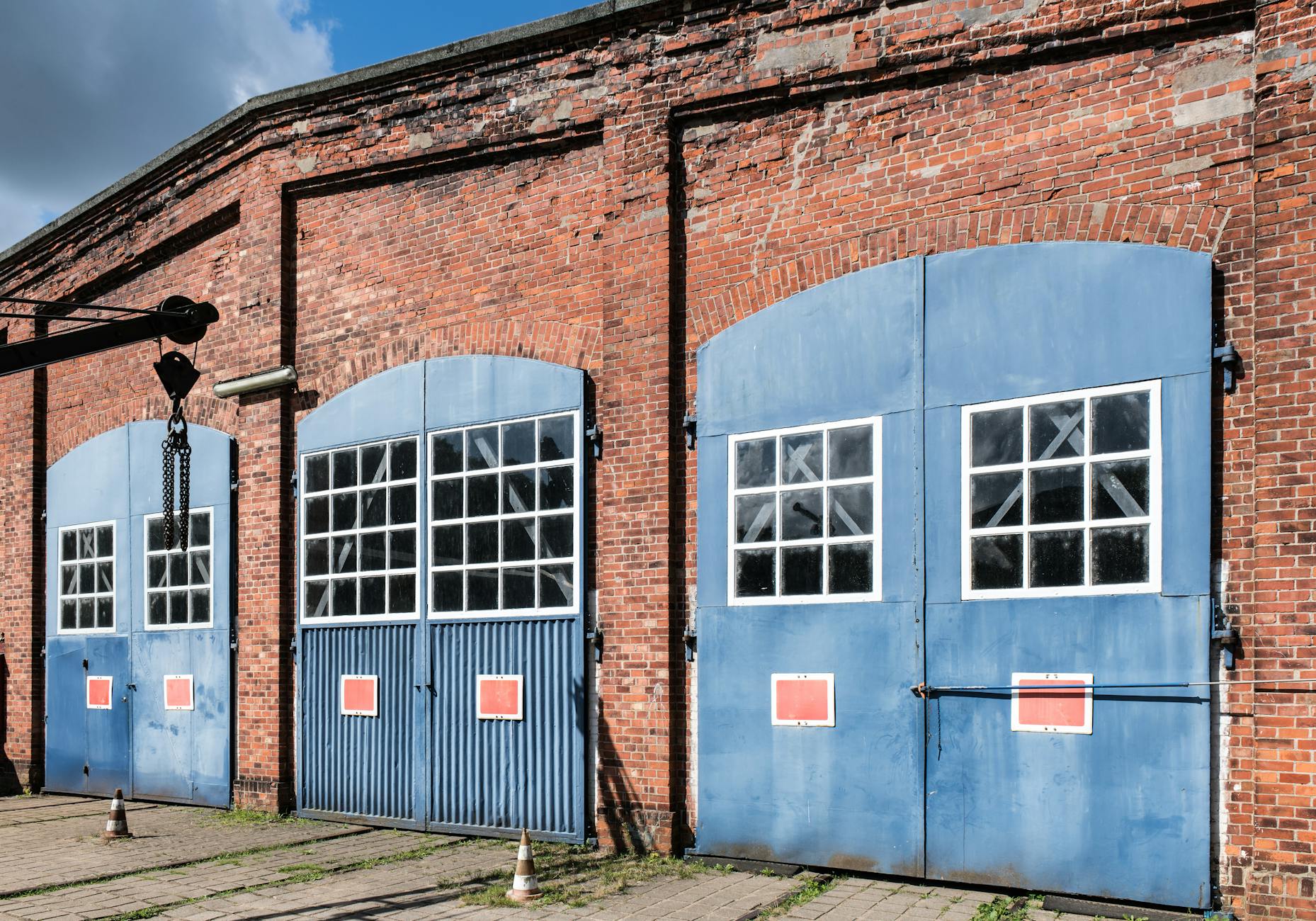
The site itself contains five historic listed industrial buildings (two Grade I, three Grade II), and is an Anchor Point on the European Route of Industrial Heritage. The 1830 Warehouse is the world’s first railway goods warehouse. The 1830 Station next door is the world’s oldest surviving passenger railway terminus.
Where is the Science and Industry Museum?
The museum sits on Liverpool Road in Castlefield, M3 4FP — a 10-minute walk from the city centre via Deansgate. The site is wedged between Manchester’s Roman fort remains (across the road), the Castlefield canal basins, the new Aviva Studios / Factory International arts venue on Water Street, and the John Rylands Library 10 minutes east.
Getting there
- Tram: Deansgate–Castlefield Metrolink, then 10 minutes’ walk via the canal basin.
- Train: Manchester Oxford Road station, 12 minutes’ walk; Manchester Piccadilly, 20 minutes’ walk.
- Bus: 33, 41, 142, 143 along Deansgate.
- Walking: 15 minutes from St Peter’s Square, 20 minutes from Piccadilly.
- Cycling: Cycle racks at the Lower Byrom Street entrance.
- Driving: No on-site parking. Paid on-street parking on surrounding streets; Q-Park Great Northern (10-minute walk) is the closest large car park.
Opening times, tickets and booking
Open daily 10am–5pm, closed only on 24, 25 and 26 December and 1 January. Free general admission — book a free timed ticket via the museum website to guarantee entry on busy weekends, or walk in midweek.
Special exhibitions in the Special Exhibitions Gallery are paid (typically £10–15 adult). The Power Up retro-gaming gallery is also paid (around £10 adult; runs weekends and school holidays only).
The on-site café is open 9am–5pm Monday–Friday and 9.30am–5pm weekends. The Level 1 Bistro opens weekends from 11am and daily during school holidays. You can also bring a picnic.
The galleries: what to see
Power Hall: The Andrew Law Gallery (reopened 17 October 2025)
The Power Hall is the museum’s headline space and the big story of 2025–26. It reopened to the public on Friday 17 October 2025 after a multi-year, multi-million-pound restoration that combined urgent structural repairs (the timber roof had degraded), decarbonised heating (a water-source heat pump using the underground aquifer; an electric boiler for the steam), new LED lighting, and the largest single-room exhibition refit in the museum’s history.
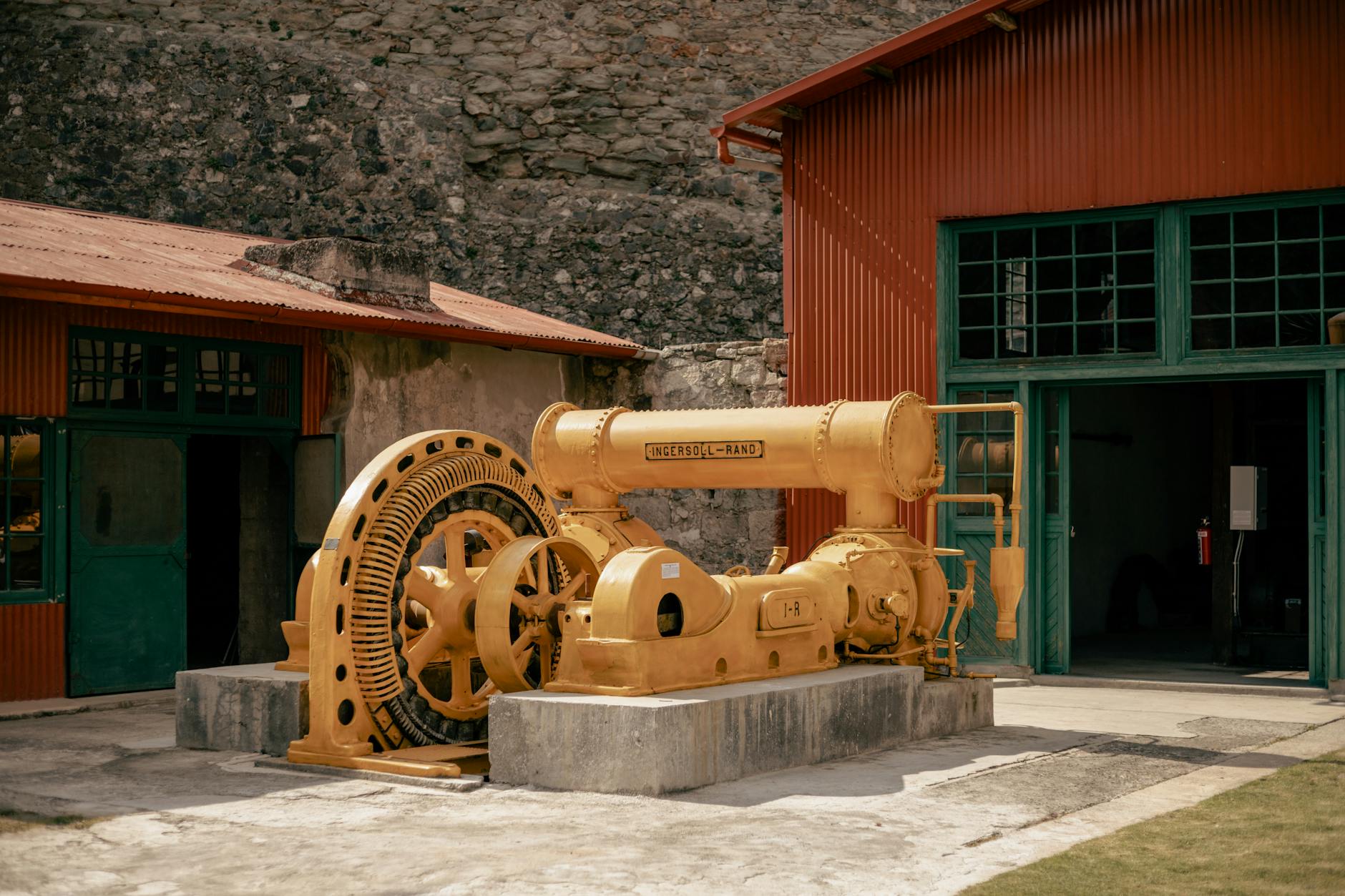
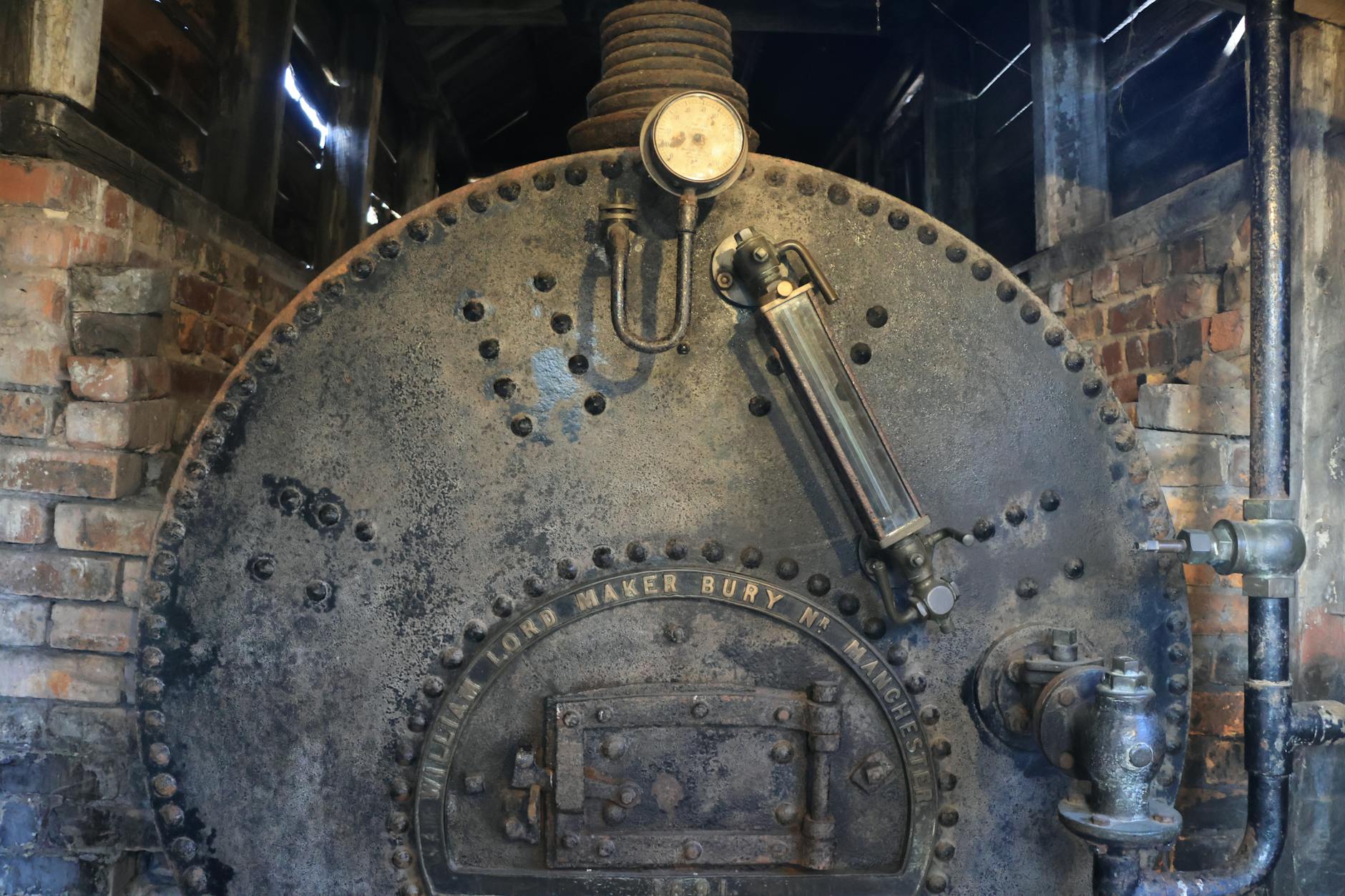
What you’ll see: an enormous gallery — the new floor space is 2,500 square metres, with a roof “the length of a Premier League football pitch” — full of working steam engines. Highlights include the Durn Mill steam engine, the Pender locomotive (an 1870s Isle of Man engine shown in cut-away view so you can see the internal workings), a Planet replica (built by volunteers in 1992, replicating the 1830 Liverpool–Manchester locomotive), and the last stationary steam engine ever built to power a mill. Volunteer engineers run steam demonstrations at scheduled times throughout the day.
Revolution Manchester (Ground Floor)
The “ideas” gallery — covering Manchester’s role in the inventions and discoveries that shaped the modern world. Star objects: a working replica of the Manchester Baby (the world’s first stored-program computer, ran its first program at the University of Manchester in 1948), early Rolls-Royce material (Henry Royce was a Manchester electrical engineer before he met Charles Rolls), and the Revolution Manchester Show — a free 15-minute live demonstration with explosions and flying steam that runs daily.
Textiles Gallery (Ground Floor)
Tells the Cottonopolis story — Manchester as the world’s first industrial city, built on the cotton trade. Live demonstrations of working spinning and weaving machines (the Textile Demonstrations are properly noisy and worth timing your visit around). The Textile City interactive lets you trace the full supply chain from cotton fields to garment racks.
Experiment (Level 1)
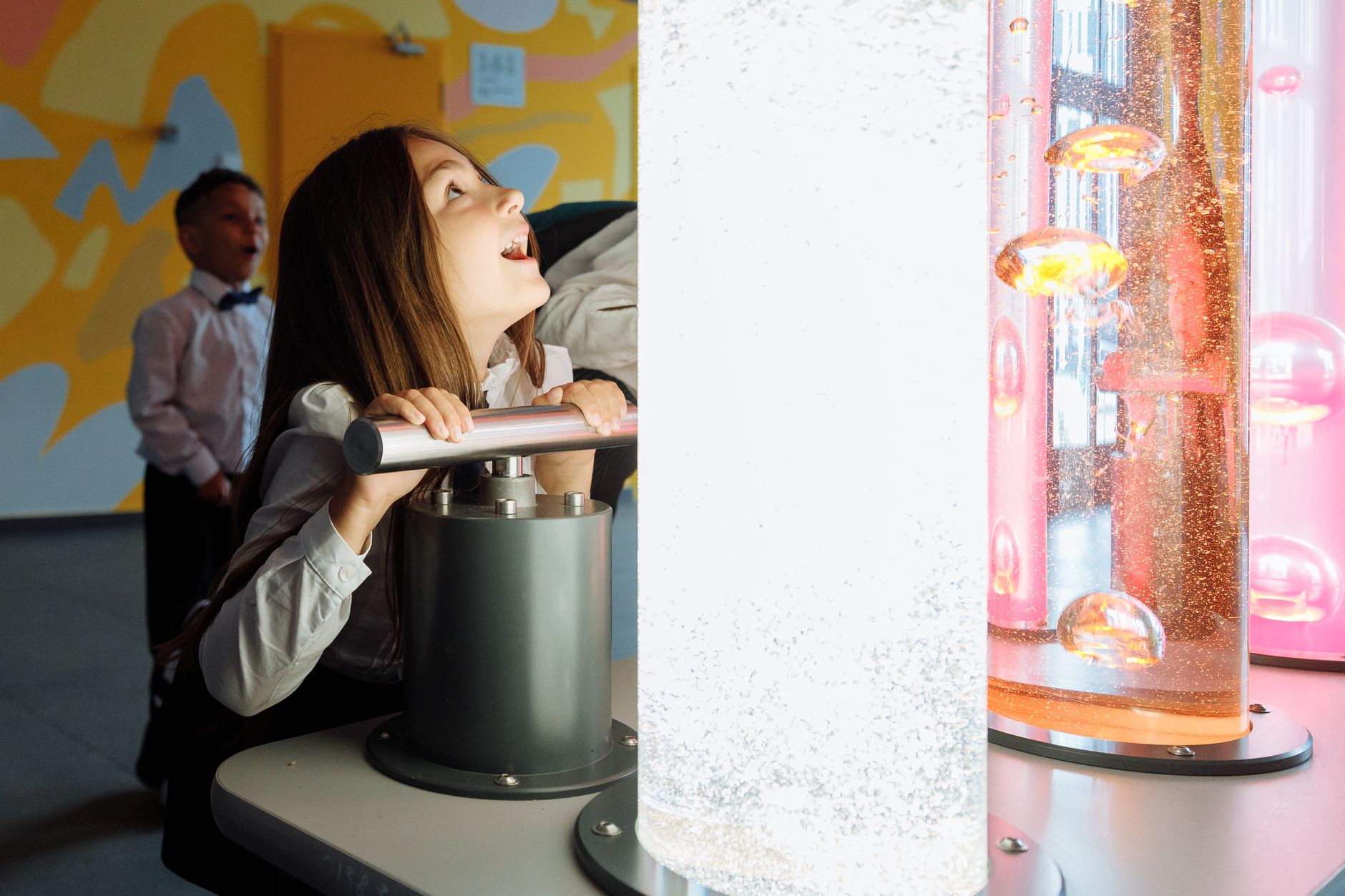
The hands-on gallery for kids and families. Free. Giant bubble columns, gear-and-pulley lift cars, balance puzzles, optical illusions. Open every day; especially good in school holidays. Brilliant for ages 3–12.
Power Up (Level 1) — paid
50 years of video games on 100+ consoles, from Pong (1972) to Minecraft. Open weekends and school holidays only. Around £10 adult, family bundles available. Pre-booking essential — this sells out.
Special Exhibitions Gallery (Level -1) — paid
Rotating temporary exhibitions, paid (£10–15 typical). Recent shows have covered the human body, climate science, video games history. Currently running: Horrible Science: Cosmic Chaos, the family-friendly adaptation of the bestselling books — interactive, messy, properly fun for kids 7+.
Industrial heritage site: the 1830 Station, 1830 Warehouse and Upper Yard
The museum’s site is itself a heritage site of global significance. The 1830 Liverpool Road Station is the world’s oldest surviving passenger railway station — the original Manchester terminus of the Liverpool–Manchester Railway, which opened on 15 September 1830 as the world’s first inter-city passenger railway. The original ticket office, platforms and station building still stand.
The 1830 Warehouse next door is the world’s first railway goods warehouse, built between April and September 1830 by David Bellhouse Junior. Grade I listed since 1973. It is currently in a phased conservation programme as part of the museum’s wider “We Are Changing” restoration project.
The recently landscaped Upper Yard outdoor space reopened alongside the Power Hall in October 2025 — a new public space with seating and views of the historic warehouses.
What’s permanently closed
The Air & Space Hall (in the former Lower Campfield Market building) closed permanently in 2021, with objects returned to lenders or moved into storage. The on-site demonstration railway that previously offered short rides has confirmed it will not resume operating. If you’ve visited before and remember these features, both are gone.
Visiting with kids: a family-friendly guide
This is one of Manchester’s best free family museums — possibly the best. Key family highlights:
- Experiment gallery — Level 1, hands-on, free, designed specifically for under-12s.
- Revolution Manchester Show — 15-minute live show with explosions and steam, daily, free, no booking.
- Power Hall steam demonstrations — working engines fired up by volunteer engineers, free, brilliantly atmospheric for ages 5+.
- Textile demonstrations — working Victorian spinning and weaving machines, free, daily.
- Power Up — paid, for ages 7+, weekends and school holidays.
- Family trails — pick up a free trail at the welcome desk.
- Experitots — monthly under-5s sensory session, around £3 per family.
The site is fully buggy-friendly with lifts to all floors, baby-changing on every level, picnic tables in the Upper Yard, and a café with kids’ meals. Children under 12 must be accompanied by an adult (18+) at all times.
Accessibility
The museum is fully step-free with lifts to all public floors. A Changing Places toilet (with adult-sized changing bench) is available. The Big Picture Show area has BSL videos. Tactile and braille labels are available in selected galleries. A pre-visit visual story can be downloaded from the website for autism-friendly preparation. The Power Hall opening in October 2025 included accessibility upgrades throughout.
Food, drink and shopping
The ground-floor café serves hot lunches, sandwiches, soups, cakes and coffee (9am–5pm weekdays, 9.30am–5pm weekends). The Level 1 Bistro opens weekends and during school holidays from 11am — slightly more substantial menus, table service.
You can bring a picnic — designated picnic areas in the Upper Yard and on the ground floor, with no obligation to buy from the café.
The on-site shop stocks science books, kids’ toys, replica steam-engine models, Manchester-themed gifts, and Science Museum Group merchandise.
The “We Are Changing” restoration programme
The museum is in the middle of a multi-year, multi-million-pound restoration. The headline milestones:
- Power Hall — reopened 17 October 2025 after the 2019–2025 closure. Funded by AL Philanthropies (Andrew Law’s gift was the largest-ever single philanthropic donation to the museum), the Wolfson Foundation, the National Lottery Heritage Fund, the Headley Trust, DCMS, and DESNZ via Salix Finance. The Power Hall is now the most decarbonised major museum gallery in the UK.
- 1830 Warehouse and Station — phased conservation programme continues through 2026–2027.
- Air & Space Hall — permanently closed.
Architects on the restoration: Carmody Groarke; main contractor HH Smith & Sons; exhibition design Studio MUTT; landscape design Planit; heritage consultancy Buttress.
What to do nearby
The museum sits in Manchester’s densest cluster of cultural attractions. Within 10 minutes’ walk:
- John Rylands Library — 10 minutes east on Deansgate, free, the Victorian Gothic library.
- People’s History Museum — 7 minutes north in Spinningfields, free.
- Castlefield Heritage Park — directly outside; Roman fort remains, canal basins, the new Castlefield Viaduct sky garden.
- Aviva Studios / Factory International — 5 minutes north on Water Street, on the former Granada Studios site.
- Manchester Cathedral and Chetham’s Library — 15 minutes east.
FAQ — Science and Industry Museum Manchester
Is the Science and Industry Museum free?
Yes — general admission is free. Donations welcome. Some special exhibitions and the Power Up gaming gallery charge separately.
How long do you need at the Science and Industry Museum?
Minimum 90 minutes; typical visit 2–4 hours; a full day if you include Power Up and a special exhibition.
What are the opening times?
Daily 10am–5pm. Closed 24, 25 and 26 December and 1 January.
Is the Power Hall reopened?
Yes — Power Hall: The Andrew Law Gallery reopened on Friday 17 October 2025 after a multi-year restoration. Free entry, included with general admission.
What’s there to see?
Six current attractions: Power Hall (working steam engines), Revolution Manchester (ideas and computing), Textiles Gallery (Cottonopolis), Experiment (hands-on family gallery), Power Up (video games, paid, weekends and school holidays), and the rotating Special Exhibitions Gallery. Plus the world’s oldest surviving passenger railway station outside.
Is the Science and Industry Museum good with kids?
Excellent. Free entry, Experiment hands-on gallery, Revolution Manchester live shows, working machines in Power Hall and Textiles, Power Up gaming, family trails, fully buggy-friendly.
Where is the Science and Industry Museum?
Liverpool Road, Castlefield, Manchester M3 4FP. 10 minutes’ walk from Deansgate–Castlefield tram stop.
Is there parking?
No on-site parking. Paid on-street parking nearby; Q-Park Great Northern (10-minute walk) is the closest large car park.
What used to be called MOSI?
The museum was rebranded from MOSI (Museum of Science and Industry) to Science and Industry Museum in 2018. The MOSI name is still affectionately used by Mancunians.
Is the Air & Space Hall still open?
No — it closed permanently in 2021. Aircraft and space objects were returned to lenders or moved into storage.
Can you eat at the museum?
Yes — the ground-floor café (9am–5pm weekdays, 9.30am–5pm weekends), the Level 1 Bistro (weekends and school holidays from 11am), or bring your own picnic.
Plan more of your Manchester visit
Combine the Science and Industry Museum with a wider Manchester museum day — our free museums in Manchester guide has the full route, and our Manchester Museum guide covers the European Museum of the Year 2025 on Oxford Road. For the Castlefield neighbourhood itself, see our Deansgate and Castlefield guide. For the wider context, our Manchester museums and culture pillar has the full picture.