This article contains advertising. Our booking links are routed through a partner that adds commission tracking automatically, so if you book through one we earn a commission from the provider, at no extra cost to you. It never affects what we recommend. Affiliate disclosure
Some of the best things to do in Greater Manchester are nowhere near Manchester city centre. They are in a Victorian market hall in Bury, on a steam train to Ramsbottom, on the moors above Saddleworth, in a Tudor manor in Salford and a deer park outside Altrincham — all inside the county boundary, and most of them under forty minutes from Piccadilly by tram or train. This guide is for visitors who have done the centre and want to see what else is out there, and for anyone who has wondered what “Greater” actually adds to Manchester.
The short answer is a great deal. Greater Manchester is a county of ten boroughs and almost three million people, stitched together in 1974 from bits of Lancashire, Cheshire and the West Riding of Yorkshire. Each borough has its own town centre, its own history and its own reason to visit, and they are more different from one another than outsiders expect: a mill town in the Pennine foothills has very little in common with a leafy Cheshire market town, even if the same tram network reaches both.
The Ten Boroughs at a Glance
Here are the boroughs of Greater Manchester, what each is best for, and how long it takes to get there from the city centre on public transport. Journey times are typical, not guaranteed.
| Borough | Main towns | Best for | From the city centre |
|---|---|---|---|
| Bolton | Bolton, Horwich, Westhoughton | Halls, a big indoor market, moors on the doorstep | About 20 min by train |
| Bury | Bury, Ramsbottom, Radcliffe, Prestwich | The market, black pudding, the steam railway | About 30 min by tram |
| Manchester | The city, Didsbury, Chorlton, Wythenshawe | The centre, plus parks and suburbs | — |
| Oldham | Oldham, Uppermill, Delph, Diggle | Moors, reservoirs, canal villages | About 30 min by tram to Oldham, or train to Greenfield |
| Rochdale | Rochdale, Littleborough, Heywood, Middleton | Co-op heritage, a Gothic town hall, Hollingworth Lake | About 20 min by train |
| Salford | Salford, Eccles, Worsley, Swinton | The Quays, Tudor halls, canals, RHS Garden Bridgewater | About 20 min by tram to the Quays |
| Stockport | Stockport, Bramhall, Marple, Cheadle | The old town, the viaduct, hat-making, Tudor halls | About 10 min by train |
| Tameside | Ashton-under-Lyne, Stalybridge, Hyde, Mossley | Canals, markets, Pennine viewpoints | About 30 min by tram to Ashton |
| Trafford | Altrincham, Sale, Stretford, Urmston | Old Trafford, Altrincham’s food hall, Dunham Massey | About 30 min by tram to Altrincham |
| Wigan | Wigan, Leigh, Atherton, Hindley | Country parks, Wigan Pier, pies, rugby league | About 40 min by train |
One quirk to understand before you plan anything: the transport network is a wheel, with the city centre as the hub. Getting from the centre to any town is easy. Getting from one town to another — Bury to Stockport, say — usually means going back through the middle. Plan one town, or two neighbouring ones, per day.
Where to Start: Choosing by What You Like
If you only have a day, pick the town that matches what you enjoy rather than the one that sounds most famous.
- Markets and food — Bury for the market and the black pudding, Altrincham for the best food hall in the region, Stockport for the Market Hall and the independent bars of the Underbanks.
- Moors, water and walking — Saddleworth and Dovestone Reservoir, Hollingworth Lake near Littleborough, and the moors above Bolton. For bigger hills, the Peak District starts where the county stops.
- Stately homes and old halls — Dunham Massey near Altrincham, Bramall Hall in Stockport, Ordsall Hall in Salford, and Smithills Hall and Hall i’ th’ Wood in Bolton.
- Industrial heritage — the Rochdale Pioneers Museum, the Hat Works in Stockport, Worsley’s canal and the Delph, and the East Lancashire Railway.
- With children — the East Lancashire Railway, the deer at Dunham Massey, Hollingworth Lake, and the Air Raid Shelters in Stockport.
- Free — Hat Works in Stockport, Ordsall Hall and Salford Museum and Art Gallery, Bolton Museum, Gallery Oldham, and every reservoir, towpath and country park in the county. At Dunham Massey the deer park is free to walk; you pay only for parking.
Borough by Borough
Stockport: the comeback town
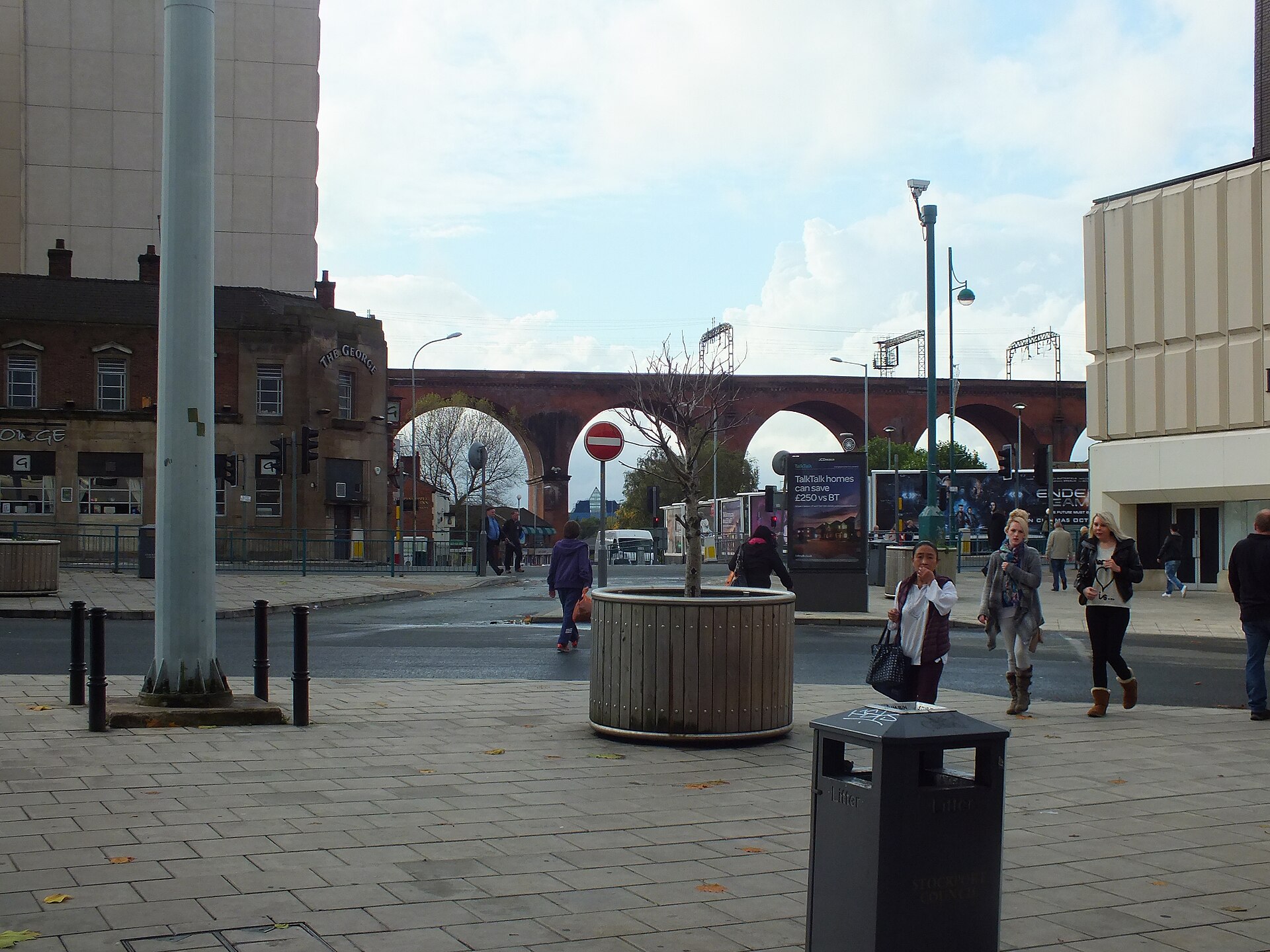
Stockport is the easiest day out in the county — ten minutes by train from Piccadilly — and it has become one of the most rewarding. For years it was known mainly for the view from the train: the huge red-brick viaduct, around eleven million bricks of it, striding across the Mersey valley. The town below has had a quiet revival since, centred on the old streets around the Market Place and the Underbanks, where independent bars, cafés and shops have moved into buildings that stood empty a decade ago.
The museums are the other draw, and they are good value. Hat Works, the only museum in the country devoted to hat-making, is free and open 10:00 to 16:00. Staircase House, a restored fifteenth-century townhouse on the Market Place, costs £5.50, as do the Air Raid Shelters — around a mile of tunnels carved into the town’s sandstone cliffs, which are open in the afternoons and are the one to take children to. The Stockport Explorer ticket, £15.50 for adults and £11 for concessions, covers the Shelters, Staircase House and Bramall Hall, the black-and-white Tudor manor in Bramhall, and under-16s go free at the council museums with a paying adult.
The full picture — museums, the Underbanks and where to eat — is in our guide to things to do in Stockport.
Altrincham and Hale: the food town
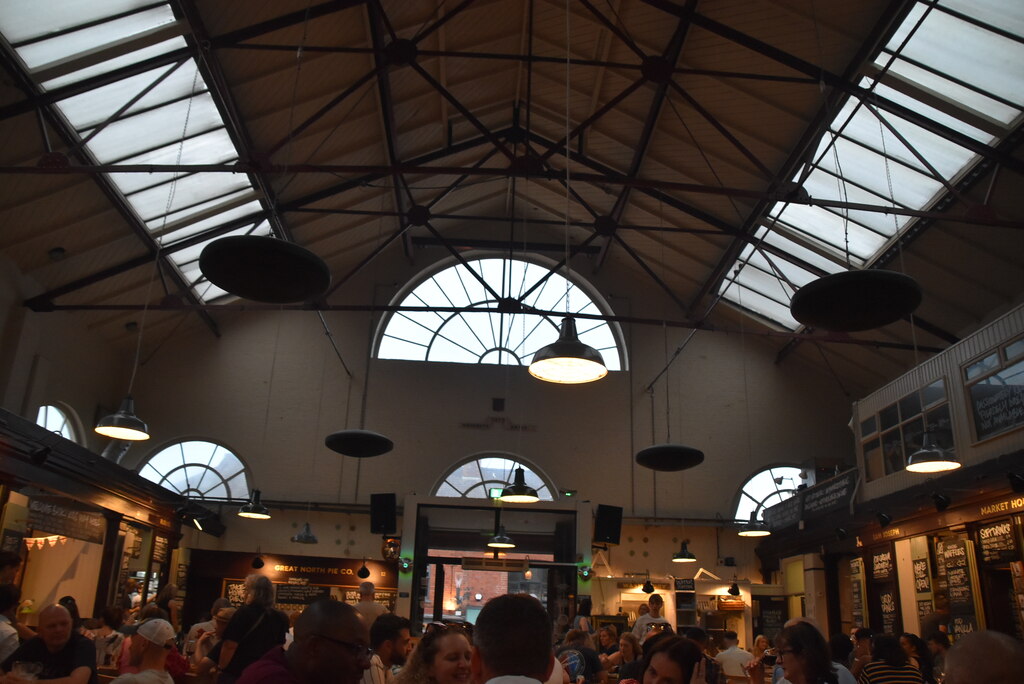
Altrincham, at the end of the tram line in the south-west, is the county’s great high-street recovery story. Its Victorian market was relaunched in the mid-2010s around a food hall, Market House, with long shared tables and a handful of small independent kitchens and bars, and the town grew a restaurant scene around it. On a Saturday lunchtime it is one of the best places to eat in the north-west, full stop. Hale, the next village along, is smaller, smarter and good for an afternoon of browsing and coffee.
Altrincham is also the gateway to Dunham Massey, and the two together make a very good day: market lunch, then an afternoon in the deer park.
More on the market, the restaurants and Hale village in our Altrincham and Hale guide.
Trafford: Dunham Massey, Sale Water Park and Urmston
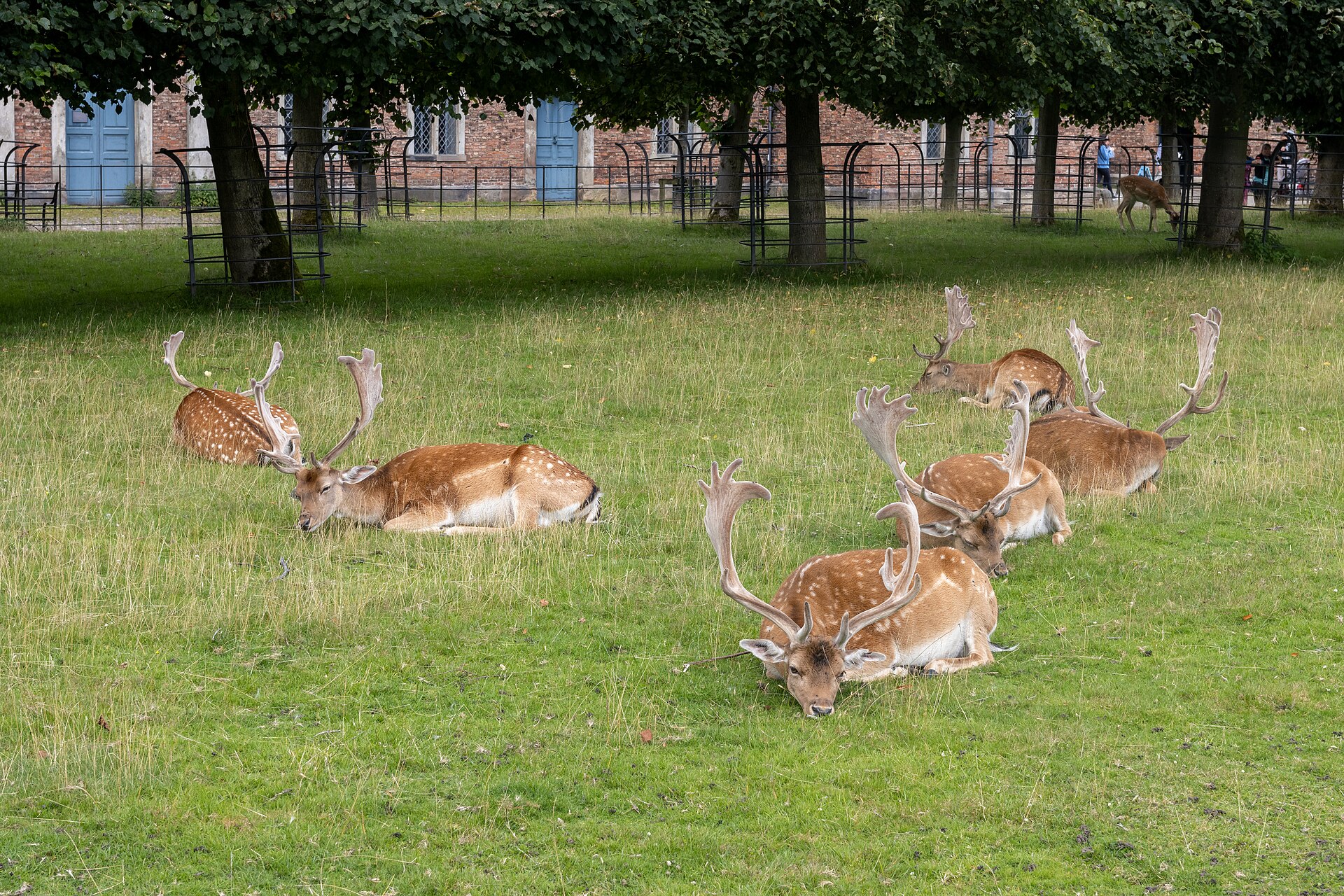
Trafford is the borough most visitors pass through without realising it — Old Trafford, Imperial War Museum North and the Trafford Centre are all here — but its best day out is at its southern edge. Dunham Massey is a National Trust estate with a Georgian house, formal gardens and an ancient deer park where fallow deer wander within a few yards of the paths. The Park and Garden ticket is £15 for adults and £7.50 for children, and parking is £6, but here is the tip worth knowing: the deer park itself is free to walk. Pay for parking, or arrive by bus or bike from Altrincham, and you can spend a whole afternoon among the deer without buying a ticket. The house opens in the warmer months only.
Closer to the city, Sale Water Park has its own tram stop, a large lake and easy walks along the Mersey, and it is where south Manchester goes to stretch its legs on a Sunday.
Our guide to Dunham Massey and Trafford beyond the centre covers the estate, Sale Water Park and Urmston in detail.
Bury and Ramsbottom: market, black pudding and steam
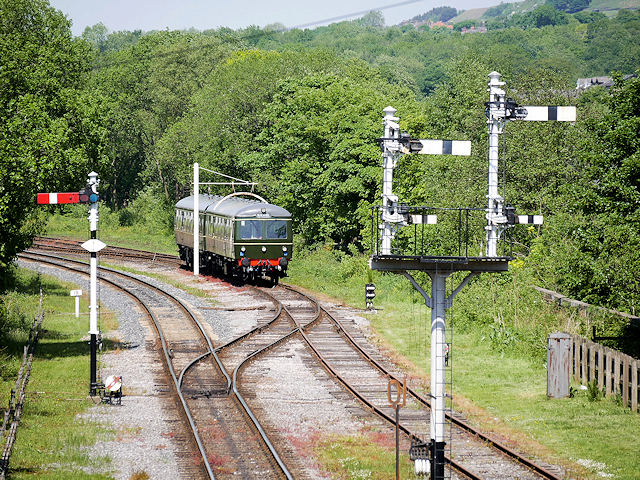
Days out in Greater Manchester do not come much more reliable than this one. Bury Market is one of the most famous markets in the north of England, and people come from across the region for it — and for a Bury black pudding, eaten hot from a paper bag with mustard, which is the local rite of passage whether or not you think you like black pudding. The market is at the end of the tram line from the city centre, about half an hour away.
A few minutes’ walk from the market, Bolton Street station is the base of the East Lancashire Railway, a heritage line that runs steam and diesel trains through the Irwell valley — about twelve miles in all, from Heywood through Bury to Ramsbottom and on to Rawtenstall. Ramsbottom is the stop to get off at: a stone-built Pennine village with good places to eat and a steep walk up to Peel Tower on Holcombe Hill, the monument to Sir Robert Peel, who was born in Bury. Market in the morning, train to Ramsbottom for lunch, back by teatime: few days out anywhere near a big city are as simple or as satisfying.
Market days, the railway timetable and where to find the best black pudding are in our guide to Bury Market and the East Lancashire Railway.
Bolton and Rivington: halls, museum and moors
Bolton is a big, proud mill town twenty minutes from the city by train, and it rewards anyone who looks past the shopping streets. The town hall and the curved civic buildings of Le Mans Crescent behind it — which stood in for a sanatorium in Peaky Blinders — are the grandest civic set piece in the county outside Manchester itself. Bolton Museum, in the same complex, has an Egyptology collection far better than a town museum has any right to, and it is free. Bolton Market on Ashburner Street is a big covered market in the old tradition, and the Octagon is a well-regarded theatre-in-the-round if you are staying for the evening.
Out of the centre, Smithills Hall is a medieval manor house on the edge of the moors, and Hall i’ th’ Wood is the half-timbered house where Samuel Crompton invented the spinning mule in the 1770s — one of the machines that made the cotton industry, and Manchester with it. Just over the county border to the north-west, Rivington Pike and the terraced gardens that Lord Leverhulme built on the hillside make one of the best short walks in the region.
For walks, halls and the market, see our Bolton and Rivington guide.
Salford beyond MediaCity
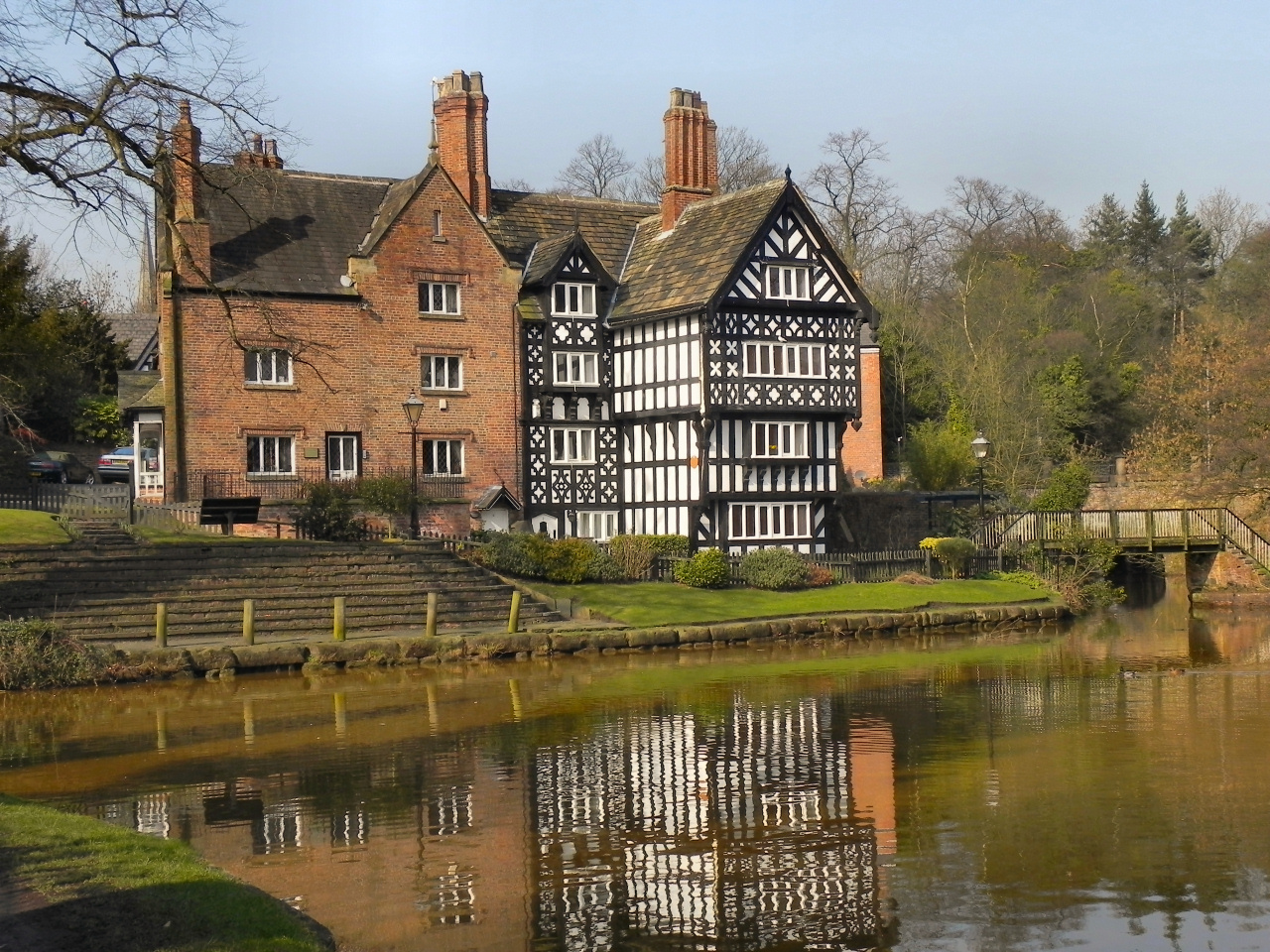
Salford is a city in its own right, not a district of Manchester, and a sore point if you get it wrong. Most visitors know it only as the Quays and MediaCityUK, with the Lowry and the BBC. The older Salford is worth seeking out: Ordsall Hall, a Tudor manor house with a haunted reputation and a lovely garden, is free; Salford Museum and Art Gallery, also free, has a whole reconstructed Victorian street inside it; and Salford Lads Club, whose doorway appeared on a Smiths album sleeve, still draws music fans from around the world.
Further west, Worsley is where the Industrial Revolution’s canal age began. The Duke of Bridgewater’s canal was dug in the 1760s to carry coal from his mines here into Manchester, and the water still runs orange from the iron ore in the old workings. The black-and-white Packet House, the Delph where the barges entered the mines, and the canalside walk are a picture. Next door, RHS Garden Bridgewater, opened in 2021 on the site of a lost Victorian estate, is the Royal Horticultural Society’s newest garden: £15.85 for a standard adult ticket, less if you book online, under-fives free, and 30% off for anyone who arrives by bus, train, bike or on foot.
Our guide to Salford beyond MediaCity covers Ordsall Hall, Worsley and the Crescent in full.
Wigan and Leigh: country parks, the pier and the pies
Wigan is forty minutes by train and has suffered more jokes than any town deserves, most of them from people who have never been. Wigan Pier is not a seaside pier — it was a coal-loading jetty on the Leeds and Liverpool Canal, turned into a national punchline by music-hall comedians and then by George Orwell’s The Road to Wigan Pier. The canal and the old warehouses around it are a pleasant walk rather than a destination.
The real reasons to come are green and edible. Haigh Woodland Park, on the edge of town, has woodland walks, play areas and a big estate to roam, and Pennington Flash near Leigh is a country park built around a lake that formed when old mine workings subsided — now one of the best birdwatching spots in the county. And there are the pies: Wigan’s affection for a meat pie, ideally in a barm cake, is sincere and entirely justified. It is also a proper rugby league town, and a Wigan Warriors or Leigh Leopards home game is a very different afternoon from the Premier League.
More in our Wigan and Leigh guide, from Haigh to the pies.
Oldham and Saddleworth: the moorland escape
The eastern edge of the county climbs straight into the Pennines, and Saddleworth is where it does so most beautifully. A cluster of stone villages — Uppermill, Delph, Dobcross, Diggle, Greenfield — sits in the valleys below the moors, and until 1974 it was part of Yorkshire, which plenty of residents would still tell you it is. The Huddersfield Narrow Canal runs through Uppermill, and at Diggle it disappears into the hillside at the entrance to the Standedge Tunnel, the longest, deepest and highest canal tunnel in Britain.
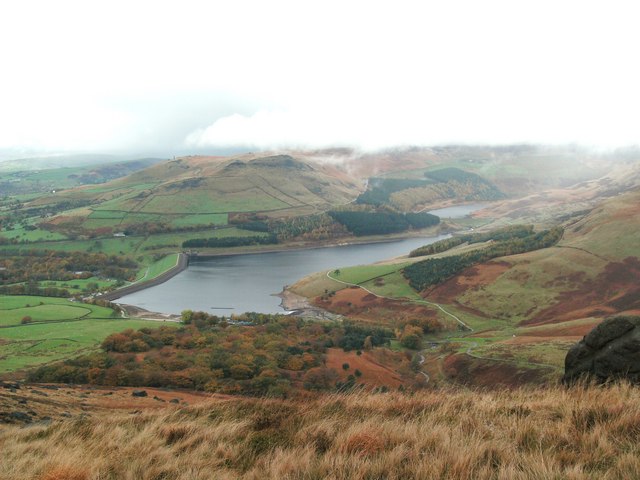
The star, though, is Dovestone Reservoir above Greenfield: a ring of water under dramatic moorland edges, with an easy walk around the shore and much harder ones up on to the tops. Greenfield station is about half an hour from the city by train. Oldham itself, down the hill, is more workaday, but Gallery Oldham is free and good. Saddleworth is also home to one of the county’s great traditions, the Whit Friday brass band contests, when bands march from village to village playing all evening.
Walks, villages and parking are covered in our guide to Saddleworth, Oldham and Dovestone Reservoir.
Rochdale: where the co-op began
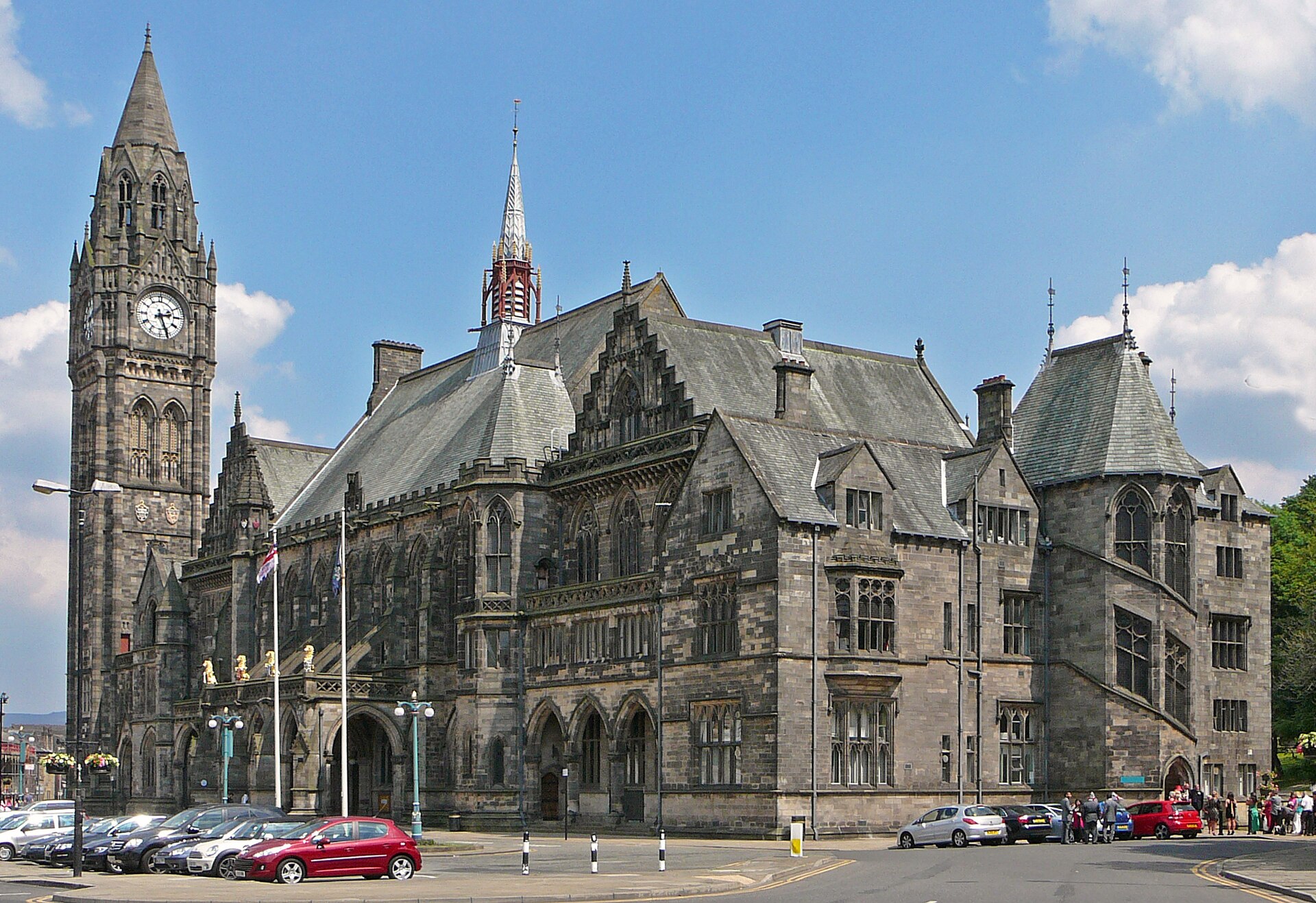
Rochdale is twenty minutes from Manchester Victoria by train, and it has two things no other town can match. The first is its town hall, a Victorian Gothic extravaganza of towers, stained glass and carved stone that holds its own against Manchester’s. The second is on Toad Lane, where the Rochdale Pioneers Museum occupies the little shop opened in 1844 by a group of weavers who decided to sell honest goods at fair prices and share the profits among their members. That shop is generally recognised as the birthplace of the modern co-operative movement, which now spans the world. It is a small museum with an enormous story.
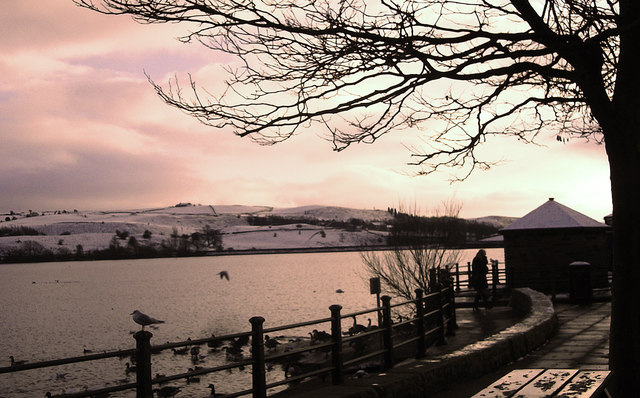
Just outside the town, Hollingworth Lake near Littleborough was built as a reservoir for the Rochdale Canal and became, in the Victorian era, a day-trip resort for mill workers who could not afford the real coast — hence its old nickname, “the Weighvers’ Seaport”. It is still a lovely place for a walk around the water and a café stop, and a good starting point for the moors above. Healey Dell, a wooded gorge on the other side of town with a railway viaduct high overhead, is a quieter alternative.
Tameside: canals and viewpoints
Tameside, on the eastern edge, is the least visited borough and the one where you are most likely to have somewhere to yourself. Ashton-under-Lyne, at the end of the tram line, has a large market and the Portland Basin Museum, set in a rebuilt canal warehouse at a meeting of waterways, telling the story of the local cotton and canal trades. From Ashton the Huddersfield Narrow Canal climbs through Stalybridge and Mossley towards Saddleworth, and its towpath makes a very fine long walk.
For views, head up Werneth Low above Hyde or to Hartshead Pike, the stone tower on the hill above Ashton; on a clear day both show you the whole county laid out below, with the city-centre towers in the middle distance and the Cheshire plain beyond.
Still in Manchester: the city beyond the centre
The City of Manchester itself stretches a long way south of the centre, and several of its best places are well outside the ring road. Didsbury and Chorlton are the city’s favourite suburbs for eating and drinking, and the parks — from Fletcher Moss to Wythenshawe — are covered in our guide to Manchester’s parks and green spaces.
The biggest of them all, north of the centre, has a guide of its own: Heaton Park, the complete visitor guide.
Getting Around Greater Manchester
Every town in this guide is reachable without a car, and for most of them public transport is the better choice. The Bee Network brings buses and trams under one system, with contactless caps that stop you overpaying as long as you tap with the same card or phone all day.
| Ticket | Anytime | Off-peak |
|---|---|---|
| Bus single | £2.00 | — |
| Bus, daily cap | £5.00 | — |
| Tram, zones 1–2 daily cap | £4.30 | £3.50 |
| Tram, all zones daily cap | £7.10 | £4.90 |
| Bus and tram, all zones daily cap | £9.50 | £7.80 |
- Tram — the Metrolink reaches Bury, Altrincham, Ashton-under-Lyne, Oldham, Rochdale, Eccles and the Trafford Centre. Our Metrolink guide has the lines and zones.
- Train — the fastest way to Stockport, Bolton, Wigan, Rochdale and Greenfield for Saddleworth. Trains are not covered by the bus and tram caps, so buy an off-peak return.
- Bus — fills the gaps, including Worsley and RHS Garden Bridgewater. Our Bee Network bus guide explains the routes and fares.
- Car — genuinely useful for the moorland reservoirs, where the car parks fill early on sunny weekends, and for combining two towns on opposite sides of the county.
For the full breakdown of passes and caps, see our guide to Manchester transport passes and tickets.
Where to Base Yourself
Because the network is a wheel, the hub is the best place to sleep. A hotel near Piccadilly or Victoria puts every town in this guide within about forty minutes, and you come back each evening to the best restaurants and bars in the north. For a three- or four-day trip that mixes the city with a couple of towns, that is almost always the right answer.
Staying out of town makes sense in two cases. If walking is the point, a pub with rooms in Saddleworth, or in the Rossendale valley beyond Ramsbottom, puts you on the hills before the day-trippers arrive. And Altrincham, with its food hall and restaurants, works as a base in its own right for anyone who would rather sleep somewhere quieter and tram into the city. Our guide to where to stay in Manchester covers the city-centre options.
Five Ready-Made Days Out
- Market and steam. Tram to Bury, market and black pudding in the morning, East Lancashire Railway to Ramsbottom for lunch and a walk up to Peel Tower, train back to Bury and tram home.
- Food and deer. Tram to Altrincham for a long lunch at Market House, then out to Dunham Massey for an afternoon in the deer park. Tram home from Altrincham.
- Old Stockport. Train to Stockport, Air Raid Shelters and Staircase House, lunch in the Underbanks, Hat Works in the afternoon, and a drink in the old town before the ten-minute train back.
- Canals and gardens. Bus to Worsley, walk the Bridgewater Canal past the Packet House and the Delph, then on to RHS Garden Bridgewater — with the car-free discount for your trouble.
- The moors. Train to Greenfield, walk up to Dovestone Reservoir and round the shore, then down into Uppermill for tea and a wander along the canal.
For ideas further afield — the Peak District, Liverpool, Chester and beyond — see our full guide to day trips from Manchester, and for walking routes, walks and hikes near Manchester.
Greater Manchester Through the Year
- Spring — the moors and reservoirs come back to life, the gardens at RHS Bridgewater start to fill, and the walking is often at its best before the summer crowds. Quieter than summer everywhere.
- Early summer — Whit Friday brings the brass band contests to the Saddleworth and Tameside villages, one of the great unsung evenings in the north-west’s calendar. The long evenings make the moorland walks above Dovestone and Hollingworth Lake easy to fit in after a day in the city.
- Autumn — the best season for the Irwell valley and the Saddleworth moors, when the bracken turns copper. At Dunham Massey the fallow deer rut in October, and the bucks are best watched from a respectful distance.
- Winter — the country houses and heritage railways put on festive events, and the town markets come into their own. Book anything with Santa in the title early.
For the whole year at a glance — weather, events and what to book — see our Manchester month-by-month guide.
What Is Not Worth It
- Trying to do three towns in one day. The network runs in and out of the centre, not around it. Two neighbouring towns is ambitious; one done properly is better.
- Driving to Dovestone at noon on a sunny Sunday. The car park is full, the lanes are jammed and the train to Greenfield would have been quicker.
- Going to a market town on the wrong day. Market days vary and some halls close midweek. Check before you travel, especially for Bury.
- Making the Trafford Centre your “day out”. It is a very large shopping centre. If that is what you want, fine; if you want Greater Manchester, go to Altrincham instead.
- Expecting Wigan Pier to be a pier. Enjoy the joke, then go to Haigh.
Frequently Asked Questions
What are the ten boroughs of Greater Manchester?
Bolton, Bury, Manchester, Oldham, Rochdale, Salford, Stockport, Tameside, Trafford and Wigan. Manchester and Salford are cities; the other eight are metropolitan boroughs named after their main towns.
What is the best town to visit in Greater Manchester?
It depends on what you like. Stockport is the easiest and has the best museums for the time spent; Bury and Ramsbottom make the most satisfying full day; Altrincham has the best food; Saddleworth has the best scenery.
Is Salford part of Manchester?
No. Salford is a separate city and borough within Greater Manchester, on the other side of the River Irwell from Manchester city centre. The Quays, MediaCityUK and the Lowry are all in Salford.
Can you visit Greater Manchester towns without a car?
Yes. Trams reach Bury, Altrincham, Ashton, Oldham and Rochdale; trains serve Stockport, Bolton, Wigan, Rochdale and Greenfield for Saddleworth; buses fill the gaps. A car only really helps for the moorland reservoirs and for cross-county journeys.
What are the best free things to do in Greater Manchester?
Hat Works in Stockport, Ordsall Hall, Salford Museum and Art Gallery, Bolton Museum and Gallery Oldham are all free, as are Dovestone Reservoir, Hollingworth Lake, Haigh Woodland Park and the canal towpaths. At Dunham Massey the deer park is free to walk and you pay only for parking.
Which parts of Greater Manchester used to be in Lancashire, Cheshire or Yorkshire?
Most of the county was Lancashire. Stockport, Altrincham, Sale, Hyde and their neighbours south of the Mersey were Cheshire, which is why their addresses — and sometimes their accents — still lean that way. Saddleworth was Yorkshire, and on Yorkshire Day, 1 August, plenty of it still is.
How long does it take to get to the towns from Manchester?
Stockport is about ten minutes by train; Bolton and Rochdale about twenty; Bury, Altrincham, Oldham and Ashton about half an hour by tram; Wigan about forty minutes by train.
Planning the Rest of Your Trip
- Day trips from Manchester — Liverpool, Chester, the Peak District and further.
- The Peak District from Manchester — the national park that starts at the county’s edge.
- Walks and hikes near Manchester — moors, reservoirs and canal paths.
- Manchester’s neighbourhoods — the districts inside the city itself.
- Family days out from Manchester — the best of the region with children.
- Manchester’s industrial heritage — the story that links every town in this guide.
- Getting around Manchester — trams, trains and buses explained.